


DTF Transfers for Print Shops & Resellers: A Wholesale Partner Guide
DTF Transfers for Print Shops from Lion DTF Transfers. Get reliable wholesale solutions for your business. Shop now and streamline...
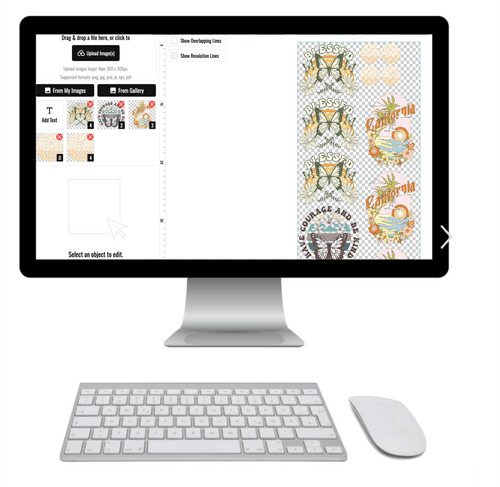
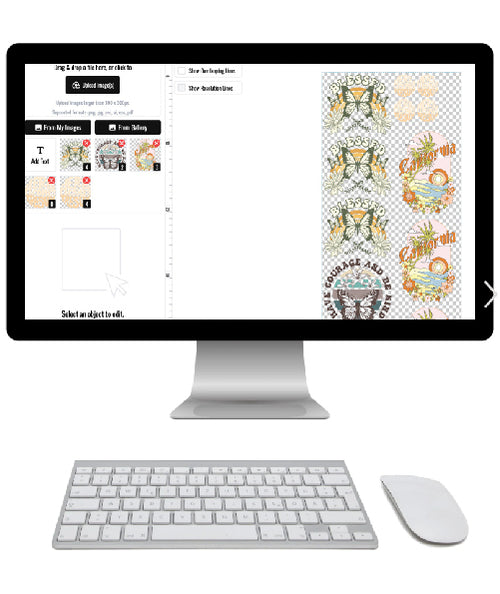
Gang Sheet Builder
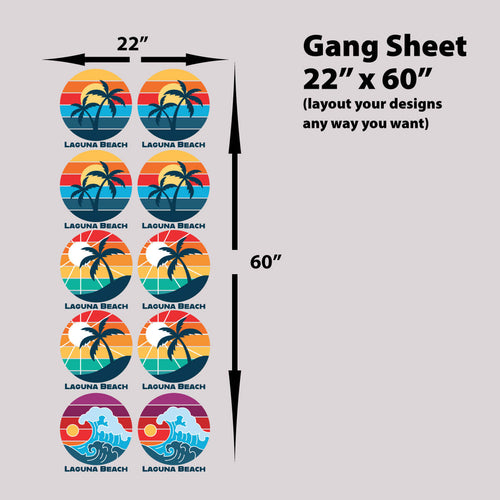
Gang Sheets
DTF by Size
UV DTF Gang Sheet Builder
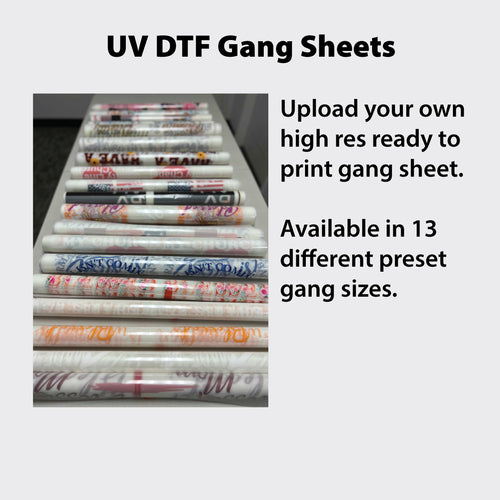
UV DTF Gang Sheets
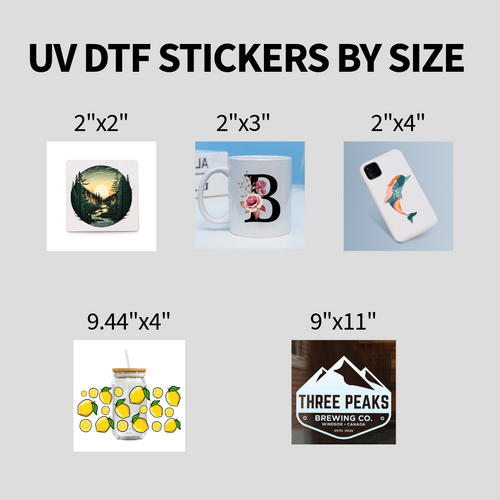
UV DTF by Size
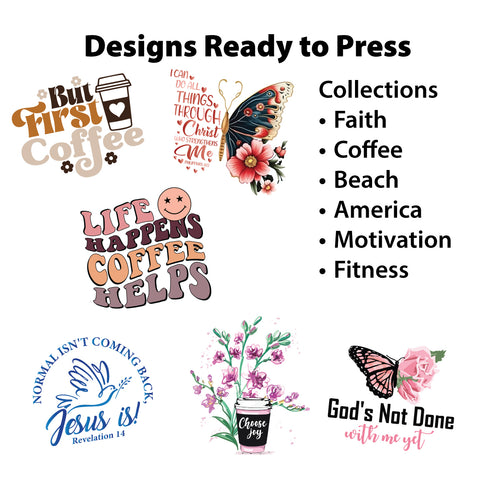
Ready To Press Designs
Free Samples

Custom Shirts

Contact
DTF transfers have become one of the most efficient ways to produce custom apparel at scale. They allow you to apply high-quality, full-color designs to a wide range of fabrics without the setup time required by traditional methods. For print shops, apparel brands, and production teams, this means faster turnaround, fewer limitations, and the ability to handle both small and large orders with the same workflow.


DTF (direct-to-film) transfers are full-color designs printed onto a clear PET film, coated with adhesive powder, and then heat-pressed onto fabric. The result is a vibrant, stretchable graphic that bonds to cotton, polyester, nylon, blends, and even leather without any pretreatment, weeding, or screen setup.
The process works in four stages: your artwork is printed in CMYK plus white ink onto the film, adhesive powder is applied to the wet ink, the film is cured in an oven, and the finished transfer is pressed onto a garment at 240-280°F for 10 seconds. Once the carrier film is peeled away, you are left with a soft, durable print that withstands 100+ washes.
DTF transfers eliminate the biggest barriers to custom apparel: no minimum orders, no per-color fees, and no fabric restrictions. A photorealistic design with 50 colors costs the same to produce as a simple one-color logo. Read our full breakdown of what DTF transfers are and how they are made.
DTF stands for Direct-to-Film, a printing method where designs are printed onto transfer film rather than directly onto fabric. This separates DTF from DTG (Direct-to-Garment), which sprays ink into the fibers, and screen printing, which pushes ink through a mesh stencil.
The “direct-to-film” name describes the first step of the workflow: ink goes onto film, not onto a garment. After printing, an adhesive layer bonds the design to the fabric during heat pressing. This two-step approach is what gives DTF its versatility across fabric types and colors. Learn more about the full DTF meaning and process.
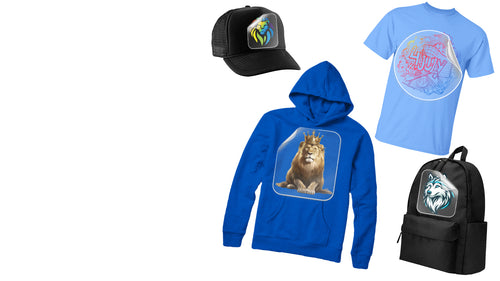
DTF transfers are used to apply custom, full-color designs to t-shirts, hoodies, hats, tote bags, jerseys, and other apparel and accessories. They are the go-to method for small apparel brands, Etsy sellers, corporate merchandise, event shirts, and print shops producing mixed orders.
Common use cases include custom t-shirt businesses, team uniforms, promotional products, personalized gifts, and small-batch merchandise drops. Because there is no minimum order and no setup cost, DTF works equally well for a single custom shirt or a 500-piece team order. Explore all the ways DTF transfers are used across industries.
DTF transfers work on cotton, polyester, 50/50 blends, tri-blends, nylon, spandex, denim, canvas, and leather. They are one of the only printing methods that handle both natural and synthetic fabrics without any change to the workflow or ink setup.
The adhesive powder bonds to the surface of the fabric fibers during pressing, which means the garment color and fabric type do not affect the design. A white underbase layer printed beneath the CMYK colors ensures full opacity on dark garments. The only fabrics to avoid are those that cannot tolerate heat above 240°F, such as certain delicate silks or very thin synthetics. For fabric-specific pressing tips, check our heat press settings guide.
DTF transfers are made in four steps: printing the design onto PET film with CMYK and white ink, applying adhesive powder, curing the powder with heat, and pressing the finished transfer onto a garment.
Step 1: Your artwork is printed in reverse onto a coated PET film using a DTF-specific printer. White ink is laid down first, followed by the color layers. Step 2: While the ink is still wet, hot-melt adhesive powder is evenly applied to the printed area. Step 3: The film passes through a curing oven at approximately 230-275°F until the powder melts and fuses with the ink. Step 4: The cured transfer is positioned on the garment, pressed at 240-280°F with medium pressure for 10 seconds, and peeled. A second press of 5-6 seconds with a Teflon sheet locks in durability. Our step-by-step guide to making DTF transfers covers file prep and printer settings in detail.
To apply a DTF transfer, pre-press the garment for 5 seconds, position the transfer face-down, press at 240-280°F with medium pressure for 10 seconds, peel the film, and repress for 5-6 seconds with parchment paper.
The pre-press step removes moisture and wrinkles from the fabric, which prevents steam from weakening the adhesive bond. Use the correct temperature for your fabric: 240°F for 100% polyester, 260°F for poly/cotton blends, and 280°F for 100% cotton. After pressing, peel the carrier film in one smooth motion. The final repress with a Teflon or parchment sheet smooths the surface and embeds the ink deeper into the fibers. Follow our full pressing and care instructions for best results.
A regular iron can apply DTF transfers in a pinch, but it is not recommended for professional or long-lasting results. Irons cannot deliver the consistent, even pressure across the entire design that a heat press provides, which often leads to peeling, cracking, or uneven adhesion after the first wash.
If you must use an iron, set it to the highest heat with no steam, use a hard, flat surface (not an ironing board), and apply firm, even downward pressure for 15-20 seconds. Cover the transfer with parchment paper. However, a clamshell or swing-away heat press designed for DTF transfers costs as little as $200-$400 and pays for itself in consistent quality and zero reprints.
A properly applied DTF transfer lasts 100+ washes without cracking, peeling, or significant fading. Longevity depends on three factors: correct heat press settings during application, proper washing habits, and the quality of the transfer itself.
To maximize durability, always complete the two-press application method (initial press plus repress with a Teflon sheet). For care, wash the garment inside out in cold water, tumble dry on low heat, and never iron directly on the printed area. Avoid bleach and harsh detergents. Lion DTF transfers are tested to exceed 100 wash cycles because of our advanced adhesive powder formulation and consistent curing process.
The recommended settings are 240-280°F, medium pressure, and 10 seconds of press time. The exact temperature depends on your fabric: 240°F for polyester, 260°F for blends, and 280°F for cotton.
Medium pressure means you should be able to slide a piece of paper out from under the locked platen, but it should resist. After pressing, peel the carrier film and immediately do a second press for 5-6 seconds with parchment or Teflon covering the design. This repress step smooths the finish and bonds the ink deeper into the fabric. If you are pressing polyester or heat-sensitive fabrics, always start at the low end of the range to prevent dye migration and scorching.
A 15"x15" clamshell or swing-away heat press with digital temperature control and a pressure gauge is the best choice for DTF transfers. Entry-level presses start around $200-$300, while professional swing-away models run $400-$800.
Clamshell presses are compact and affordable, ideal for small businesses and home setups. Swing-away presses provide more even pressure and easier garment positioning, which matters for large or detailed designs. Look for a press with a non-stick coated platen, a digital PID temperature controller (not analog dial), and at least 15"x15" coverage for standard adult shirt designs. For high-volume shops, a 16"x20" swing-away press handles plus-size garments and larger DTF sizing placements without repositioning.
Press DTF transfers for 10 seconds on the initial application, then repress for 5-6 seconds with a protective sheet. Thicker garments like hoodies or sweatshirts may need 12-15 seconds on the initial press.
Pressing too short results in weak adhesion and peeling after the first wash. Pressing too long risks scorching the fabric, especially polyester. If you are working with textured materials like canvas bags or denim, add 2-3 seconds to the base time. Always pre-press the blank for 5 seconds before placing the transfer. Refer to our complete temperature and time guide for fabric-specific recommendations.
The best shirts for DTF transfers are mid-weight (5.3-6.1 oz) cotton or cotton-blend tees with a tight, smooth knit. Popular blanks include the Gildan 5000, Bella+Canvas 3001, Next Level 6210, and Comfort Colors 1717.
Ring-spun cotton tees produce the smoothest surface for transfer adhesion. Heavier blanks like the Gildan 5000 (5.3 oz) are budget-friendly for beginners, while the Bella+Canvas 3001 (4.2 oz, CVC blend) gives a retail-quality feel. For polyester performance wear, choose moisture-wicking fabrics and press at 240°F to avoid dye migration. DTF works on virtually any blank; the key is matching your press settings to the fabric weight and composition.
A DTF gang sheet is a single large transfer sheet with multiple designs arranged side by side to maximize space and minimize cost per print. Think of it like fitting as many cookie cutters on a sheet of dough as possible: you pack logos, chest prints, sleeve designs, and neck tags onto one film.
Gang sheets are priced by total sheet size (e.g., 22"x24", 22"x48"), not by the number of designs. A single 22"x48" sheet might hold 20 left-chest logos, 4 full-front prints, and 10 neck tags, all for one flat price. After receiving the printed sheet, you cut out each design and press individually. Our Auto-build gang sheet builder arranges your uploads automatically to fill every inch of space.
DTF transfers typically cost $0.017-$0.06 per square inch, depending on the supplier and order size. At Lion DTF, gang sheets start at $0.017 per square inch, which means a standard 12"x12" full-front transfer costs approximately $2.45.
The cost per print drops dramatically when you use gang sheets, because you pay for total sheet area rather than per design. A 22"x72" gang sheet packed with 30 left-chest logos (3.5"x3.5" each) brings the unit cost to roughly $0.60-$0.80 per logo. Volume discounts of up to 40% off make bulk runs even more affordable. Compare that to screen printing setup fees of $25-$50 per color, per screen, and the savings for small-to-medium runs are substantial. Build a gang sheet now to see your exact pricing.
Upload your designs as PNG files with transparent backgrounds, choose your sheet size, and let the auto-build tool arrange them for maximum coverage. You can also create your own layout in a design program and upload the finished gang sheet as a single file.
For the auto-build method: select your sheet size (22"x24" through 22"x240"), upload each design file, set the quantity and size for each, and the tool tiles them automatically. For manual layouts, design your sheet in Photoshop or Illustrator at 300 DPI with a transparent background, then upload as one large PNG. Either way, leave a small gap (about 0.25") between designs for easier cutting after the sheet arrives. Our complete gang sheet guide walks through both methods.
For adult t-shirts, order 11"x11" for full-front or full-back designs, 3"-3.5" wide for left-chest logos, and 8"-9" wide for women's and standard fits. Youth sizes run 5"-6" wide for full-front and 2.5"-3" for chest logos.
Placement matters as much as size. Center the top of a front design 3"-4" below the collar. For left-chest prints, position the design 7"-9" down from the left shoulder seam and 4"-5" in from the center. Consistency across an entire batch is easiest when you use the same measurement from the collar on every garment. See our DTF sizing chart and placement guide for detailed measurements across adult, youth, and toddler sizes.
DTF is more cost-effective for runs under 100 pieces and for multi-color designs, while screen printing is cheaper per unit for large runs of simple, 1-2 color graphics.
Screen printing requires a separate mesh screen for each color, with setup fees of $25-$50 per screen. A 6-color design on 50 shirts costs significantly more in screen setup than a DTF gang sheet of the same designs. DTF prints every color in a single pass with zero setup, making it ideal for complex artwork, photorealistic images, and small batches. Screen printing wins on per-unit cost once you exceed 100+ identical shirts because the screens are reusable. For a detailed comparison, read our screen print transfers vs DTF guide.
DTF prints onto film and transfers to any fabric, while DTG prints ink directly into cotton fibers. DTF works on cotton, polyester, and blends; DTG is limited primarily to 100% cotton.
DTG (Direct-to-Garment) produces incredibly soft prints because the ink soaks into the fabric. However, it requires pre-treating every garment with a chemical spray, works best only on cotton, and struggles with color vibrancy on dark fabrics. DTF skips pretreatment entirely, delivers punchy colors on any garment color, and works across all fabric types. DTG printers also cost $15,000+ to purchase, whereas ordering ready-to-press DTF transfers requires only a $200-$400 heat press. Our DTF vs DTG comparison guide breaks down quality, feel, and cost side by side.
DTF is better than HTV for multi-color designs, photorealistic images, and production speed. HTV is better for simple single-color text, metallic finishes, and glitter effects.
HTV requires cutting each color from a separate vinyl sheet, weeding (removing excess material), and layering each color one at a time. A 4-color logo takes four separate cuts and presses. DTF prints every color in one pass and presses in a single application. DTF also produces a softer, thinner feel than layered HTV, which can become stiff and crackle over time. Where HTV shines is in specialty finishes: glitter, holographic, metallic, and reflective effects that DTF cannot replicate. For a full method comparison, read what is DTF printing.
You can buy DTF transfers from dedicated online suppliers like Lion DTF, as well as from Etsy shops and local print providers. The best suppliers offer gang sheet builders, same-day or next-day turnaround, no minimum orders, and wash-tested quality guarantees.
When choosing a supplier, compare price per square inch, turnaround time, shipping speed, and print quality. Cheap transfers from unknown sources often use low-grade adhesive powder that peels after 10-20 washes. Lion DTF Transfers offers industry-low pricing at $0.017/sq in, 1-2 day turnaround, free shipping on qualified orders, and transfers tested to 100+ wash cycles. Our buyer's guide to the best DTF transfers reviews the top suppliers for 2026.
"Ready to press" means the transfer has already been printed, powdered, and cured by the supplier. You receive a finished sheet that only needs to be heat-pressed onto your garment.
This is the easiest way to use DTF technology because it eliminates the need to own a DTF printer, adhesive powder, or curing oven. You simply order your designs, receive the printed transfers (usually within 1-2 business days), cut them if needed, and press. Ready-to-press transfers are how most small businesses, Etsy sellers, and side-hustle creators produce custom apparel without a $5,000+ equipment investment. Browse ready-to-press designs or upload your own artwork to get started.
Start with three things: a heat press ($200-$400), quality blank garments, and a DTF transfer supplier. Total startup cost is under $500, and you can begin selling within a week.
Step 1: Choose your niche and create or source designs. Step 2: Order a small batch of blank tees (Gildan 5000 or Bella+Canvas 3001 are popular starters). Step 3: Upload your designs to a DTF supplier like Lion DTF and order a gang sheet to keep costs low. Step 4: Press your shirts and list them on Etsy, Shopify, or at local markets. The gang sheet model means you can test 10 different designs in one order without committing to bulk quantities of any single graphic. Read our full guide to starting a custom t-shirt business from scratch.
No. A properly applied DTF transfer feels thin, smooth, and flexible, not stiff or plasticky. The print stretches with the fabric and sits close to the surface, similar in weight to a high-quality screen print. Most customers cannot tell the difference between a DTF-printed shirt and a retail garment.
The feel depends heavily on application quality. Under-pressing creates a rubbery layer that feels raised, while over-pressing can stiffen the adhesive. Hitting the right temperature and doing the two-press method (press, peel, repress with Teflon) produces the softest hand feel. Full-coverage designs across the entire chest will always feel slightly more noticeable than a small logo, simply because more adhesive is contacting skin. For most prints in the 8"-12" range, comfort is excellent.
Yes. Cured DTF transfers can be stored for 6 months or longer without losing quality. Keep them flat in a cool, dry environment away from direct sunlight. Avoid humid conditions, which can soften the adhesive powder and reduce bond strength.
This shelf life is one of the biggest operational advantages of DTF over DTG, where you must print and press the same day. With DTF, you can order a large gang sheet of popular designs, store the cut transfers, and press on demand as orders come in. This is especially useful for businesses running pop-up shops, craft fairs, or seasonal merchandise. Roll the transfers with wax paper between layers to prevent sticking.
DTF transfers peel after washing because of insufficient heat, too little pressure, or moisture trapped in the fabric during pressing. These three factors account for over 90% of adhesion failures.
Always pre-press the garment for 5 seconds to remove hidden moisture, which creates steam that blocks the adhesive from bonding. Check your press with a temperature gun to verify it is actually reaching the stated temperature; many budget presses run 10-20°F cooler than the display reads. Finally, complete the repress step with Teflon or parchment for 5-6 seconds, because this second press melts the adhesive deeper into the fabric. If peeling persists, increase your pressure one notch and test again. Our troubleshooting guide in the heat press settings article covers every common pressing issue.
Upload PNG files with a transparent background at 300 DPI for the sharpest results. SVG and PDF vector files also work well and can be resized without quality loss. Avoid JPEG files, which add a white background box around your design.
Transparent backgrounds are critical because DTF prints only the visible artwork, so any white background included in your file will print as a visible white box on the transfer. If your design has white elements that should print (like white text on a dark shirt), those white areas will print correctly as long as the rest of the background is transparent. When using our gang sheet builder, upload each design as a separate PNG, and the tool handles sizing and arrangement.
Yes. DTF printing is one of the most profitable entry points for a custom apparel side business because the startup cost is under $500 and margins typically run 50-70%. You do not need to invest in a DTF printer when you can order ready-to-press transfers.
A 22"x48" gang sheet costs roughly $30-$40 and can yield 15-20 full-front transfers. If you sell each finished shirt for $25-$35 and your blank costs $3-$5, the profit per shirt runs $15-$25. The no-minimum order model means you never carry excess inventory, because you print only what sells. Many sellers start by testing designs at local craft fairs or Facebook Marketplace, then scale to Etsy or Shopify once they find winners.
Yes. DTF transfers adhere to hats, tote bags, canvas shoes, aprons, denim jackets, and most flat or semi-flat fabric surfaces that can handle 240-280°F. The key requirement is that your heat press can make firm, even contact with the surface.
For hats, use a hat press attachment or a small flat press that fits the front panel. For bags and shoes, a heat press pillow inside the item provides a flat surface and prevents the back from pressing together. Curved or heavily textured surfaces may need slightly more pressure and time. The same adhesive that bonds to t-shirt fibers bonds to canvas, cotton twill, and polyester mesh. This versatility is what makes DTF ideal for expanding a product line beyond just shirts.
DTF transfers use heat to bond designs onto fabric. UV DTF stickers use a pressure-sensitive adhesive to stick designs onto hard surfaces like tumblers, phone cases, and wood. They are complementary products built for completely different materials.
UV DTF stickers are printed with UV-curable ink and finished with a varnish layer that gives them a glossy, raised texture. You apply them by peeling and pressing with your fingers; no heat is required. They work on metal, glass, plastic, ceramic, and coated wood. DTF transfers, on the other hand, require a heat press and work exclusively on fabrics. Many businesses use both: DTF for apparel and UV DTF for promotional products and drinkware. Explore UV DTF transfers and stickers to see how they expand your product offerings.
DTF transfers make professional-quality custom apparel accessible to everyone, from first-time sellers pressing shirts in a spare bedroom to established print shops running thousands of units per week. The technology eliminates setup fees, fabric restrictions, and minimum orders while delivering vibrant, wash-tested results on every garment.
Ready to put this knowledge to work? Start by building a custom gang sheet with your designs, or browse our ready-to-press transfer collections for trending designs you can press immediately. Need stickers for hard surfaces? Check out our UV DTF sticker options for tumblers, phone cases, and promotional products.
For more in-depth guides, explore our blog: What Is DTF Printing, DTF vs DTG Printing, Heat Press Settings for DTF, and How to Start a Custom T-Shirt Business.
Have a question we did not cover? Reach out to our team through the contact page or message us on social media. Every order ships within 1-2 business days with Lion DTF Transfers.
DTF transfers can typically be produced and shipped within 24–48 hours, with many suppliers offering same-day or next-day turnaround for urgent orders. This speed gives apparel businesses the flexibility to meet tight deadlines without slowing down production.
Fast turnaround reduces the need to hold large amounts of inventory and supports on-demand production. This is especially valuable for custom apparel brands and print shops handling last-minute or time-sensitive orders. Instead of pre-printing designs, businesses can order transfers as needed, maintaining a lean, efficient workflow.
Shipping times may vary depending on location, but most suppliers offer expedited delivery options to ensure transfers arrive quickly. Reliable logistics are key to keeping production schedules on track.
For businesses, consistency in turnaround time is just as important as speed. Working with a supplier that consistently delivers within promised timeframes helps prevent delays, missed deadlines, and workflow disruptions. Reliable turnaround ensures you can fulfill orders confidently while maintaining customer satisfaction and operational efficiency.
Yes, DTF transfers can be ordered in bulk using gang sheets or volume pricing, significantly reducing the cost per print and improving overall profit margins. Bulk ordering is one of the most effective strategies for efficiently scaling apparel production.
Gang sheets allow you to place multiple designs on a single transfer sheet, maximizing available space and minimizing material waste. This is especially useful for businesses handling multiple designs, custom orders, or varied sizes within the same production run.
Most suppliers offer bulk pricing tiers, where the cost per transfer decreases as order volume increases. This makes larger orders more cost-effective and helps businesses stay competitive while maintaining strong margins.
For growing operations, bulk ordering also reduces setup time and streamlines workflow. Instead of processing individual prints, you can batch production and increase output per press cycle. This leads to faster fulfillment, lower labor costs, and more consistent results across orders, making bulk DTF transfers a key component of efficient, scalable production.
DTF transfers are ideal for small businesses because they require minimal equipment, no setup, and on-demand production support, reducing upfront costs and operational complexity. This makes it easy to start without large investments or specialized systems.
Small businesses can begin with just a heat press and order ready-to-use transfers, eliminating the need for expensive printers, inks, or technical training. This lowers the barrier to entry and allows new brands to focus on selling rather than managing production.
DTF also supports both small and large order volumes using the same process. Whether fulfilling one custom order or a bulk request, the workflow remains consistent and efficient. This flexibility allows businesses to scale naturally as demand increases without changing equipment or production methods.
As a result, startups can compete with larger operations while keeping overhead low and maintaining fast turnaround times. By simplifying production and reducing costs, DTF transfers offer small businesses a practical, scalable way to grow in the custom apparel industry.
Proper storage of DTF transfers is essential to maintain adhesive performance and ensure consistent application results over time. Environmental factors such as heat, humidity, and light can directly affect transfer quality if not controlled. To avoid wasted materials and failed prints, follow these key storage guidelines:
DTF transfers should be stored between 60–75°F with humidity below 50% to preserve adhesive quality. Stable conditions prevent the adhesive from degrading or losing effectiveness during application.
Always store transfers flat to prevent bending or damage. Use sealed bags or containers to protect them from dust, air exposure, and environmental fluctuations.
Direct sunlight and high temperatures can damage both the film and ink. Store transfers in a shaded, temperature-controlled area to maintain consistency.
Humidity is one of the biggest risks to DTF transfers. Excess moisture can weaken the adhesive and lead to poor bonding during pressing.
When stored correctly, DTF transfers can last for weeks or even months while maintaining performance and reliability in production.
DTF transfers can replace screen printing for many orders, especially those with multiple colors, smaller quantities, or fast turnaround requirements, but screen printing still has advantages for very large, simple runs. Each method serves a different purpose depending on production needs.
DTF eliminates setup time, which is a major advantage for custom and on-demand printing. You can switch between designs instantly without creating new screens, making it ideal for businesses handling frequent design changes or smaller batch orders. This flexibility allows for faster production and quicker fulfillment.
Screen printing, however, becomes more cost-effective when producing large quantities of the same design, particularly with one or two colors. Once setup is complete, the cost per print drops significantly, making it the preferred choice for high-volume runs.
Many businesses use a hybrid approach, combining both methods to maximize efficiency. DTF is used for flexibility and quick-turn jobs, while screen printing handles large-scale production. This strategy allows businesses to take on a wider range of orders while optimizing cost, speed, and overall production efficiency.
Choosing the right DTF transfer supplier directly impacts your production quality, turnaround speed, and overall business reliability. A poor supplier can lead to inconsistent prints, delays, and costly rework, while a strong partner helps you scale efficiently. To ensure consistent results and smooth operations, focus on these key factors:
A reliable DTF supplier must deliver consistent print quality across every order, with strong adhesive, clean detail, and accurate results. Variations can lead to failed applications and wasted garments.
Turnaround time should consistently fall within 24–48 hours. Delays can disrupt your production schedule and impact your ability to fulfill customer orders on time.
Colors should remain consistent from order to order. Inconsistent color output can create issues for brands that rely on precise design matching.
Strong support ensures that any issues are resolved quickly. Fast communication minimizes downtime and keeps production moving.
A dependable supplier becomes part of your workflow. Choosing the right partner ensures consistent results, fewer errors, and a more scalable production process over time.