



So, you want to start a custom t-shirt business? The whole thing really comes down to five moves: find a niche, create designs that actually connect with people, pick a smart way to produce your shirts, build a simple online brand, and get your products in front of the right audience.
Winning in this space is all about making top-tier apparel without killing your budget. That's where modern printing methods give you a serious edge.
Your Blueprint for a Thriving T-Shirt Business
Here's the good news: launching a custom apparel brand is easier today than it has ever been. Forget needing a massive warehouse or dropping thousands on screen printing gear. You can run a lean, profitable business right from a small workspace by just being smart about who you sell to and how you make your shirts.
Think of this guide as your roadmap. We’ll cut through the noise and show you the exact path from a simple idea to your very first sale.
It all starts with your audience, not your design. The brands that make it don't try to sell to everybody; they build a real connection with a specific group of people. Go smaller and more focused—think rock climbing junkies, regulars at a local coffee spot, or die-hard pug owners. Nailing down that profitable niche is the foundation of everything.
To give you a quick overview, here’s a checklist that breaks down the major phases and what you can expect to invest upfront.
Custom T-Shirt Business Startup Checklist
| Phase | Key Actions | Estimated Initial Cost |
|---|---|---|
| 1. Research & Planning | Identify your niche, research competitors, and write a simple business plan. | $0 - $50 |
| 2. Legal & Setup | Register your business name (DBA/LLC), get an EIN, and open a business bank account. | $50 - $500 |
| 3. Branding & Design | Create a logo, get designs made (or make them yourself), and set up social media profiles. | $0 - $300 |
| 4. Production Setup | Purchase a quality heat press, initial blank apparel, and order your first DTF transfers. | $400 - $1,200 |
| 5. E-commerce & Marketing | Set up a Shopify or Etsy store, take product photos, and budget for initial ads/outreach. | $100 - $500 |
This checklist isn't exhaustive, but it maps out the core milestones. As you can see, you can get the ball rolling without a massive loan.
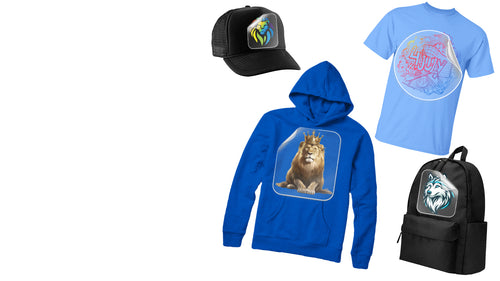
Once you’ve figured out who you're selling to, the next big question is production. This is where a lot of people get stuck, worried about high costs and complicated setups. But this isn't the '90s. Modern tech like Direct-to-Film (DTF) transfers changes the game entirely. You can order vibrant, tough, full-color designs that are ready to press onto any garment you choose.
This approach gives you a massive advantage right out of the gate:
- Low Upfront Cost: You get to sidestep the $10,000+ price tag of a professional DTF printer. Just buy the transfers you need, when you need them.
- Retail-Ready Quality: DTF transfers deliver pro-level results. They’re soft, stretchy, and have been tested to survive over 100 washes.
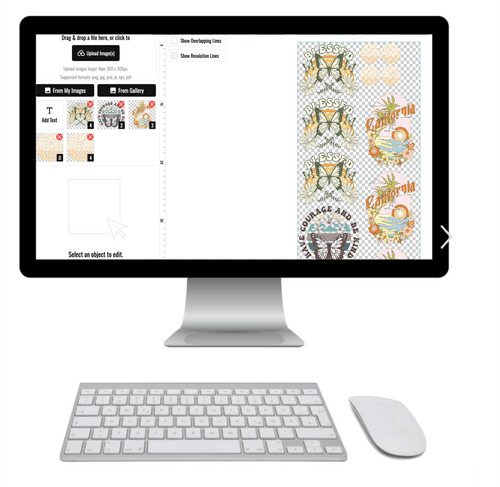
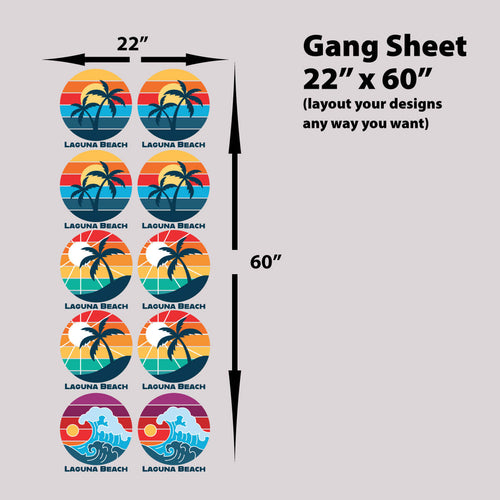
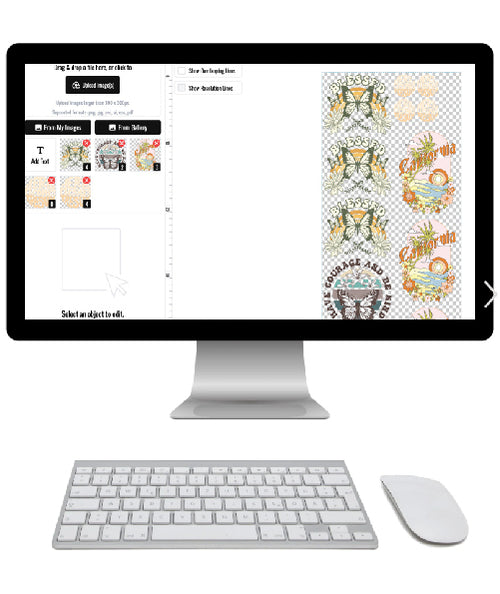
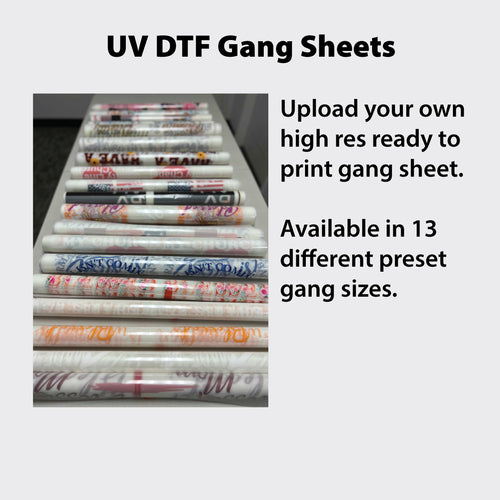
- Insane Efficiency: Tools like our Auto-build gang sheet builder are a game-changer for ease of use and cost-effectiveness. You can fit multiple designs onto one sheet, which slashes your cost per print and makes it cheap to test out a bunch of different designs.
The timing couldn't be better. The global custom t-shirt market is on a tear, projected to jump from $5.1 billion in 2026 to $12.4 billion by 2036. That's fueled by a 9.3% compound annual growth rate. You can learn more about this market expansion and its drivers.
With your production figured out, the last pieces of the puzzle are building your brand and actually selling your shirts. This means setting up a simple online store, taking great product photos, and reaching your niche audience on social media or in your local community. We’ll walk through every step, giving you a clear blueprint to follow.
Finding Your Niche and Building a Plan
Let's be real: a successful t-shirt business isn't about selling to everyone. The brands that actually make it are the ones that connect with a specific, passionate crowd. This is where you move from a vague idea to a focused brand with a real shot at making money.
Trying to make "cool shirts for everyone" is a surefire way to get lost in the noise. You have to drill down. Think about communities, inside jokes, and passions that you actually get. Your niche could be anything from shirts for dedicated rock climbers, gear for local brewery fans, or even apparel for cat-loving software developers. The more specific you get, the easier it is to create designs that people feel they have to own.
Zeroing In on a Profitable Niche
The best place to find your sweet spot is by looking at the communities you're already in. What phrases or symbols would your group instantly recognize? That’s your unfair advantage.
- Become a Community Lurker: Dive into subreddits, Facebook groups, and TikTok hashtags where your potential customers hang out. Pay close attention to the language they use, the memes they share, and the things they're passionate about.
- Check the Vibe with Google Trends: Use a free tool like Google Trends to see if interest in your niche is actually growing. You want to catch a wave that's on the rise, not one that's already crashed.
- Scope Out the Competition: Go search for your niche on Etsy and Instagram. See who’s already selling to this audience. Now, look for the gaps. Maybe all the existing designs are super generic, or maybe no one is offering the kind of high-quality, vibrant prints you could.
This research isn't just about brainstorming; it's about validation. You're hunting for an audience that is not only passionate but also a little bit underserved. Your goal is to find that perfect overlap between your interests and what people are willing to pay for.
Key Takeaway: Your niche is what gives you a unique selling proposition (USP). It’s what makes you different. Maybe it’s your hyper-specific humor, your commitment to using only the softest fabrics, or your ridiculously detailed designs. It's the "thing" that makes a customer pick you over a dozen other options.
Putting Together Your Business Plan
Once you've got a clear picture of who you're selling to and why they'll buy, it's time to map it all out. A business plan doesn’t need to be a 100-page novel; think of it more as a roadmap to keep you from getting lost. If you need a more structured approach, this guide on how to write a business plan is a fantastic resource for laying it all out.
At its core, your plan just needs to answer a few key questions:
- How are you setting this up legally? Most people start as a sole proprietorship because it's simple. Others go for an LLC right away for the liability protection.
- What are you making, and how? What kinds of shirts will you offer? More importantly, how will you produce them? Thinking about modern, efficient methods from day one is a huge advantage. For instance, if you plan to use DTF transfers, you can calculate your costs with serious precision. Knowing you can use an easy and cost-effective tool like our Auto-build gang sheet builder lets you plan for lower per-print costs and much better margins, even when you have a ton of different designs.
- What's the financial picture? Be honest about your startup costs. How will you price your shirts to actually make a profit? Sketch out a simple budget for your first round of equipment, blank tees, and marketing dollars.
- How will you get the word out? Where will you find your customers? Will you go hard on social media, set up at local markets, or try to partner with influencers who are already big in your niche?
This early planning is the foundation for every decision you'll make later, from picking your blank t-shirt supplier to pricing your final product. It turns your creative passion into a real, viable business—one that's built to last.
Choosing Your T-Shirt Production Method
This is probably the single most important decision you'll make when you're just starting out. How you actually make your shirts dictates everything—your quality, your startup budget, and how painful (or easy) it will be to grow.
Sure, you could go old-school. Screen printing is the undisputed king for massive runs of simple, one or two-color designs. But for a startup? The upfront investment in screens, inks, and space is a huge barrier, not to mention the setup costs for every single new design you want to test. Then there's Heat Transfer Vinyl (HTV), which is fine for basic text or simple shapes, but it quickly becomes a time-sucking nightmare for anything complex or multi-colored.
These traditional routes often box new entrepreneurs in, forcing a choice between sky-high costs or severely limited creativity. Luckily, technology has given us a much smarter path forward.
The DTF Advantage for New Businesses
Direct-to-Film (DTF) transfers have completely changed the game for small and growing t-shirt brands. It's a straightforward concept: instead of printing right on the shirt, your designs are printed onto a special film. That film is then simply heat-pressed onto your garment. This two-step process delivers stunningly vibrant, durable, and detailed prints on pretty much any fabric you can think of—from 100% cotton to tricky polyester blends.
For a new business, the perks are immediate and powerful:
- No Minimum Orders: Feel like testing a single shirt design? Go for it. You can order one transfer or one hundred, which means you can experiment with new ideas without getting stuck with a pile of unsold inventory.
- Unlimited Colors and Detail: Photorealistic images, complex graphics with gradients, super fine lines—DTF handles it all for the same price. Color count is no longer a cost factor.
- Seriously Durable: A good DTF print feels soft and stretches right along with the fabric. We're talking prints tested to last over 100 washes without cracking, peeling, or fading away.
This decision on how you produce your shirts is a core part of your business plan, right after you've figured out your niche and who you're selling to.
DTF vs. DTG: A Clear Winner for Startups
You'll also hear about Direct-to-Garment (DTG) printing, where a big, specialized inkjet printer sprays ink right onto the shirt. The quality is fantastic, but the barrier to entry is massive. A decent DTG printer often costs $15,000 or more, demands constant, fussy maintenance, and really only works well on cotton.
DTF transfers give you that same premium DTG quality without the crippling overhead. You don't buy a printer at all. You just order the ready-to-press transfers you need, when you need them. It is, without a doubt, the leanest way to launch a professional-grade apparel business from scratch.
If you really want to get into the weeds, you can explore our detailed breakdown of DTF vs. DTG printing and see for yourself why DTF offers unbeatable flexibility and cost-effectiveness for new brands.
To help you see all the options at a glance, here’s a quick comparison of the most common methods.
T-Shirt Printing Method Comparison
| Method | Best For | Initial Cost | Per-Shirt Cost | Durability |
|---|---|---|---|---|
| DTF Transfers | Startups, small batches, complex multi-color designs, print-on-demand. | Very Low | Low | Excellent |
| DTG Printing | High-quality, full-color prints on cotton, but requires a large investment. | Very High | Medium | Very Good |
| Screen Printing | High-volume orders (100+) of simple, low-color designs. | High | Very Low (at scale) | Excellent |
| Heat Transfer Vinyl | Simple one-color text or shapes, team names, and numbers. | Low | High (for multi-color) | Good |
This table makes it clear why DTF hits the sweet spot for startups, blending professional quality with minimal financial risk. You get the best of all worlds without the headaches.
Sourcing Supplies and Setting Up Your Workspace
Alright, you've nailed down your printing method. Now it's time to get your hands on the actual tools and materials. This is the part where it all starts to feel real—when you turn a corner of your home or a dedicated shop into a legit production hub.
The two pillars of your setup are your blank apparel and your heat press. Getting these two things right is non-negotiable if you want to create products that not only look professional but also feel amazing to wear. Let's break down how to choose the best gear without blowing your budget.
Finding Quality Blank Apparel
Think of the blank t-shirt as the canvas for your art. A cheap, scratchy shirt can kill even the most incredible design, leading to bad prints, and worse, unhappy customers. The real goal here is to find that sweet spot between quality, feel, and a price that makes sense for your brand.
Don't just default to the cheapest option you can find. It'll cost you in the long run.
Instead, pay attention to the details:
- Fabric Composition: A 100% ringspun cotton shirt is your go-to for a soft, premium feel that takes ink beautifully. Tri-blends (cotton, polyester, and rayon) give you that stylish, heathered look and are incredibly soft. For durability and shrink resistance, you can't go wrong with a classic 50/50 blend.
- Weight and Fit: T-shirt weight, measured in ounces, really affects the vibe. A lighter shirt (around 4.5 oz) is perfect for fashion-forward brands. A heavier shirt (6 oz or more) gives you that classic, sturdy feel you often see in streetwear.
- Ethical Sourcing: Let's be real—customers today want to know where their clothes come from. Sourcing from brands that focus on ethical labor and sustainable materials can be a huge selling point and a core part of your brand's story.
Sourcing your blanks is all about finding reliable partners. For a deep dive into our top recommendations, check out our guide on wholesale blank apparel suppliers for your brand. It’ll point you toward vendors who deliver consistent quality and solid pricing.
Once you’ve got your shirts, it’s time to get your designs ready to press. This is where a smart DTF workflow really shines. Using a tool like our Auto-build gang sheet builder, you can easily and cost-effectively fit multiple designs onto a single sheet. This slashes waste and drops your per-shirt cost—a massive advantage when you're just starting out.
Choosing the Right Heat Press
Your heat press is the engine of your t-shirt business. If there's one piece of equipment you absolutely should not cheap out on, this is it. A flimsy, unreliable press gives you inconsistent heat and pressure, which is a recipe for peeling transfers and a pile of wasted shirts.
A quality press is what guarantees your DTF transfers bond perfectly to the fabric, giving you that durable, professional finish you're after.
Here are the two main styles you'll be looking at:
- Clamshell Press: This kind opens and closes like, well, a clamshell. It’s compact, which makes it a fantastic choice for smaller workspaces or anyone running their business from home.
- Swing-Away Press: The top platen on this one swings out to the side, giving you a completely open view of your work area. This design makes it much easier to line up your garments and transfers perfectly.
No matter which style you pick, look for a press with an even heating platen, accurate temperature controls, and a clear pressure readout. A 15" x 15" press is a great, versatile size to start with. It's big enough to handle most adult t-shirts and other common items you might want to print.
Essential Workspace Supplies Checklist
Beyond the press and the shirts, a few other tools will make your production flow a lot smoother and more professional.
Production Essentials:
- Teflon Sheets: These are a must. They protect your garments and your heat press platen from any ink residue.
- Heat Press Pillows: You slide these inside shirts to create an even surface for pressing over tricky areas like seams, zippers, and collars.
- Heat Resistant Tape: Use this to lock your DTF transfers in place so they don't shift around during pressing.
- Lint Roller: Never press a shirt without using one of these first. It removes any tiny fibers that could mess up your transfer.
- Storage Bins: Keep your blank shirts organized, clean, and dust-free.
Setting up a dedicated, organized workspace—even if it's just a small corner—will make a world of difference. It'll boost your efficiency and help you churn out consistently awesome custom apparel from day one.
Pricing Your Shirts and Building Your Online Store
Profit doesn't just happen by accident—you have to design it. With your supplies lined up and your workspace humming, it's time to turn all that prep work into a real business by nailing your pricing and launching your digital storefront.
The first step in smart pricing is getting a firm grip on your Cost of Goods Sold (COGS). This isn't just what you paid for the blank shirt; it's the total cost to create one finished product that's ready to ship to a happy customer.
Calculating Your True Cost Per Shirt
To find your COGS, you just need to add up a few key numbers. Let's break it down with a real-world example to make it crystal clear.
Imagine you're printing a batch of shirts for a local coffee shop.
- Blank Shirt Cost: You grabbed some quality Bella + Canvas tees for $4.00 a pop.
- DTF Transfer Cost: You managed to fit 10 of their logos onto a single gang sheet. If the sheet cost $15.00, each transfer only costs you $1.50.
- Supplies & Labor: Don't forget the small stuff. Factor in a little for shipping mailers, Teflon sheets, and the value of your time. We'll peg this at $0.50 per shirt.
Add it all up: $4.00 + $1.50 + $0.50 = $6.00. That's your total COGS for this shirt. This is your baseline, the number you absolutely have to beat.
Setting a Price for Healthy Profit Margins
With a COGS of $6.00, you can now set a retail price that doesn't just cover your costs but actually builds a sustainable business. A great starting point is to aim for a profit margin between 50% and 70%.
Let's aim for a 60% margin. The formula is simple: Retail Price = COGS / (1 - Desired Margin).
Plugging in our numbers: $6.00 / (1 - 0.60) = $15.00.
At this price, you're making a $9.00 profit on every shirt sold. That's the money that covers your marketing, platform fees, and reinvesting in your brand's growth. For a deeper dive into pricing, check out our guide on how to price custom shirts.
Pro Tip: Our Auto-build gang sheet builder is a massive lever for profitability. By efficiently packing multiple designs onto a single sheet, you dramatically lower your DTF transfer cost per unit. This ease of use and cost-effectiveness directly boosts your profit margin on every single shirt you sell.
Choosing Your E-commerce Platform
Now that your numbers make sense, it's time to build your online home. The platform you choose is your virtual storefront, your checkout counter, and your main sales engine. A key question is, Does My Small Business Really Need an eCommerce Website? For most apparel brands hoping to reach a wide audience, the answer is a definite yes.
For new apparel brands, two platforms really stand out:
- Shopify: This is the industry standard for building a serious, professional-looking brand from scratch. You get total control over your store's design, the customer journey, and all your marketing tools.
- Etsy: This is a fantastic launchpad for reaching a massive, built-in audience of buyers who are actively searching for unique, custom-made goods. It's often easier to get your first sales here, but you'll have less control over your branding and face a lot more direct competition on the platform.
A common path is to start on Etsy to test your designs and build initial momentum, then graduate to a dedicated Shopify store as your brand finds its footing.
Making Your Products Shine Online
Your online store is a visual game. Customers can't feel the soft fabric or see the vibrant prints in person, so your photos and descriptions have to do all the heavy lifting.
Critical Store Setup Actions:
- Take Great Product Photos: You don't need a professional studio. Just find some good natural light, use a clean background, and take sharp photos with your smartphone. Show the shirt on a model or a styled flat lay, and always include close-ups of the design details.
- Write Descriptions That Sell: Go beyond just listing the specs. Tell the story behind the design. Talk about the ultra-soft feel of the cotton or who the perfect person for this shirt is. Make them feel something.
- Configure Payments & Shipping: Make it incredibly easy for people to give you their money. Set up simple payment options and be upfront with fair shipping rates. A confusing checkout is the quickest way to lose a sale.
Marketing Your Brand and Getting Your First Customers
Alright, your online store is live and you've got your production workflow dialed in. Now for the fun part: finding your people.
Creating killer designs is only half the battle. The other half is getting them in front of the right customers, and a solid marketing plan doesn't need a huge budget—just a smart, focused approach.
Your real goal here is to build a community, not just an email list. Start by showing up where your ideal customers already hang out. Platforms like TikTok and Instagram are perfect for this. Share behind-the-scenes videos of you pressing a shirt, packing an order, or even just sketching out new design ideas. This kind of raw, authentic content builds trust and makes people feel like they’re part of your brand's journey.
Once you get those first few orders, encourage your customers to share photos of themselves wearing your gear. Reposting this user-generated content is pure marketing gold. It's instant social proof and shows potential buyers that real people already love your stuff.
Don't Sleep on the B2B Market
While building a brand on social media is a great long-term play, don't overlook the massive opportunity right in your backyard: business-to-business (B2B) sales.
This channel is often ignored by new creators, but it can provide a steady stream of larger, more profitable orders. The commercial segment is a powerhouse, holding a staggering 65.33% market share in the custom t-shirt world in 2023. This is all driven by huge demand from industries like hospitality, retail, and sports for branded gear. You can discover more insights about this B2B market growth if you want to dig deeper.
Think about all the local businesses that could use custom apparel:
- Coffee shops and breweries for staff uniforms and merch.
- Construction companies and landscapers who need durable work shirts.
- Gyms and fitness studios looking for member apparel.
- Schools and local sports teams that always need spirit wear and uniforms.
Pull together a simple portfolio with mockups of your best work and start approaching these businesses directly. Frame your service not just as "selling shirts," but as providing a simple, high-quality solution for their branding needs.
Your First Marketing Action Plan
Getting your first few sales is all about creating momentum. Instead of trying to do everything at once, focus on a few high-impact tactics that will get the ball rolling. A mix of digital marketing and good old-fashioned local outreach is a fantastic starting point.
Initial Marketing Checklist:
- Launch Your Socials: Pick one or two platforms where your niche is most active. Don't spread yourself too thin. Start posting consistently.
- Engage with Your Community: Don't just post and ghost. Comment on other accounts in your niche, answer questions, and join relevant conversations. Be a member of the community, not just a seller.
- Identify 5 Local Businesses: Do some quick research. Find five local companies that would be a great fit for custom apparel and draft a simple email or one-page flyer to introduce yourself.
This balanced approach builds your online brand for the long haul while generating immediate cash flow through local connections. Every single sale, whether it's a one-off from an online customer or a bulk order from a local business, is a crucial step toward building a real, sustainable t-shirt business.
Common Questions About Starting a T-Shirt Business
Getting into the world of custom apparel always brings up a few big questions. If you're wondering how to start a custom t shirt business, getting straight answers on the real-world challenges can help you dive in with confidence.
Let's tackle the questions we hear most from new entrepreneurs.
How Much Does It Really Cost to Start?
Believe it or not, you can get a lean t-shirt business off the ground for under $1,000. Seriously.
A reliable heat press will run you about $300-$500, and you can get your first batch of blank shirts and DTF transfers for another few hundred. Add in an e-commerce platform subscription, which is usually under $40/month, and you're in business.
By partnering with a DTF transfer supplier like us, you completely sidestep the massive upfront cost of a professional printer, keeping your barrier to entry incredibly low.
Is This Business Still Profitable?
Absolutely. The custom apparel market is growing, but your profitability really boils down to your niche, how you price your shirts, and how efficient your workflow is.
Using smart tools like our Auto-build gang sheet builder helps you cram more designs onto a single sheet, slashing your per-print cost. This ease of use and cost-effectiveness is how smart brands achieve healthy profit margins of 50-70% (or even more) on every single shirt. That efficiency is the secret to maximizing your earnings from day one.
One of the biggest myths out there is that you need to be some kind of graphic design wizard to succeed. That's just not true. Plenty of powerhouse brands built their entire catalog on clever text-based designs, collaborations with artists, or by licensing great pre-made graphics that speak directly to their niche.
Your unique point of view and a relentless focus on quality are way more important than your Adobe Illustrator skills. That's what will make people remember your brand.
Ready to bring your designs to life with prints that are vibrant, professional, and built to last? At Lion DTF Transfers, our premium DTF transfers and game-changing Auto-build gang sheet builder make it simple and affordable to create top-tier apparel.
Start building your dream business today by exploring our custom transfer options.