



You've got shirts on the clock, a stack of art files in a folder, and a decision to make before the weekend hits. Maybe it's merch for a launch, event shirts for a school, or a small batch of hoodies you need without turning your shop into a production headache. That's where DTF Austin starts making sense, not as a buzzword, but as a practical way to move from artwork to finished apparel without overcommitting to a single production model.
Austin is a city that rewards speed and flexibility. It was established in 1839 as the permanent capital of the Republic of Texas and became the state capital on February 19, 1846, a political foundation that helped shape the city's institutions, higher education, and civic growth, including the founding of the University of Texas at Austin in 1883 (Texas State Historical Association). Austin's long growth arc, from 87,930 residents in 1940 to 472,020 in 1990, and then to 965,827 in the 2022 census estimate and 989,252 in 2025, shows why the city keeps generating demand for fast, flexible apparel production (History of Austin, Texas). The bigger the calendar gets, the more often buyers need transfers that can keep up.

Why Austin Creators Are Turning to DTF Right Now
A small apparel brand in East Austin usually does not begin with a warehouse plan. It starts with a few strong shirt ideas, a market date, and someone asking for more color than a single screen setup wants to handle. The same pressure shows up with school spirit wear, nonprofit events, and anyone trying to get printed garments out the door before a launch, festival, or championship game.
Direct-to-Film fits those jobs because it handles change well. You can run full-color art, reorder without rebuilding an entire production setup, and keep moving when the artwork shifts from one drop to the next. In a city that has grown into a large, high-activity market, that flexibility matters because the order mix is rarely one big bulk run, it is usually a stack of smaller, time-sensitive jobs.
Austin's scale helps explain the demand. The city has grown steadily across decades, and that growth brings more brands, more events, and more short-notice buyers looking for apparel that feels custom without being slow. DTF Austin works well in that setting because it serves the kind of order that is too detailed for simple one-color decoration, but too urgent for a drawn-out production cycle.
The choice is also a fulfillment decision. Some shops want to keep every step in-house. Others need a faster path from artwork to pressed shirt without tying up their equipment, staff, or calendar. DTF gives Austin creators a middle ground, where a design can move from file to finished garment without forcing a full production commitment.
Why the timing pressure keeps rising
The city's creative and business scene keeps getting denser, which means more people are asking for shirts at the same time. That affects merch companies, schools, gyms, churches, nonprofits, and local brands that need a realistic path from concept to garment.
Practical rule: If the order has a deadline, more than one color, and a small-to-mid run size, DTF usually deserves a look before you commit to another method.
There is also a practical reason buyers like it. DTF lets you test a design without locking yourself into huge inventory, and that matters whether you are selling online or fulfilling for a local event. For Austin buyers, that usually means less waiting, less waste, and fewer production surprises.
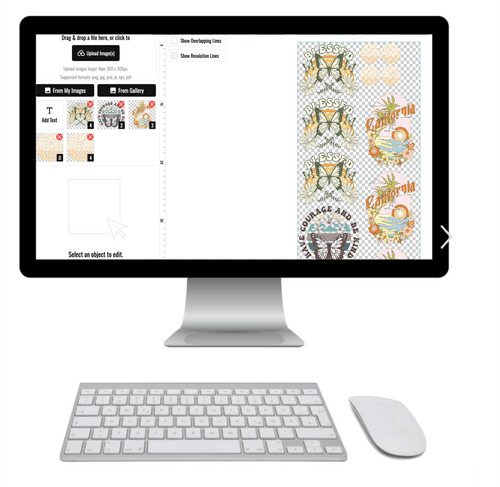
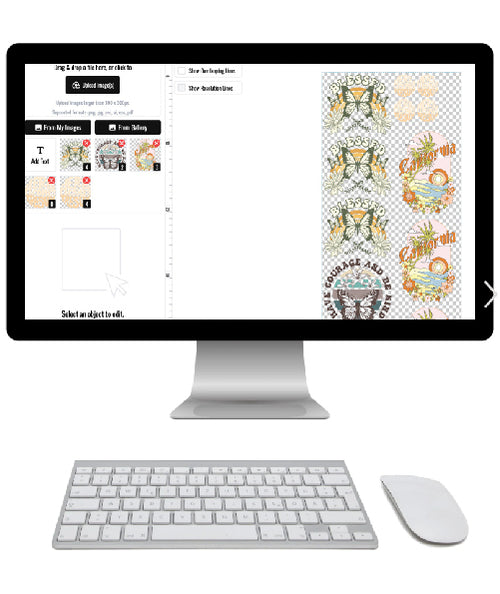
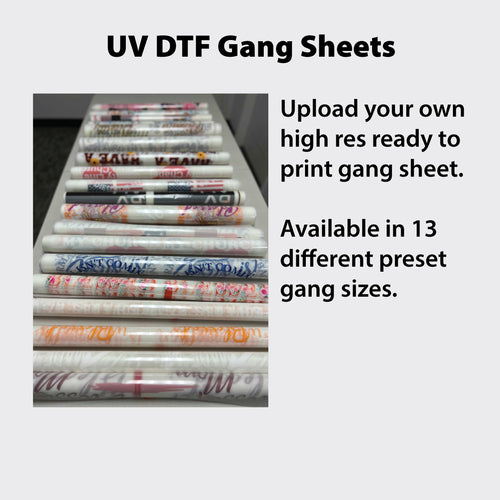
For teams that want the shortest route from artwork to press, the Auto-Build gang sheet builder removes a lot of back-and-forth. It lets you arrange multiple designs on one sheet, so the artwork can move into production quickly without extra setup decisions slowing things down.
What DTF Printing Actually Does
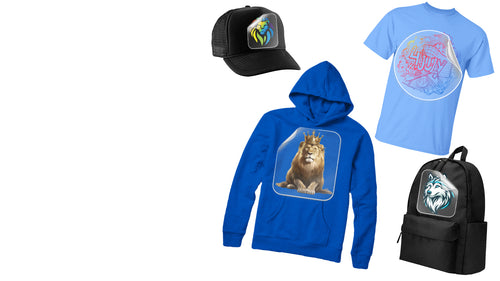
A customer brings in a full-color design that would be awkward to separate for screen printing, then wants it on dark shirts without losing the fine lines. DTF handles that job by printing the artwork onto a special PET film first, then using heat and pressure to bond the transfer to the garment. The print never has to rely on the shirt color to do the heavy lifting, which is why the method holds detail so well and keeps bright colors readable on darker fabric (Direct-to-film printing).
The process is easy to follow once you see each step. The artwork prints onto film, adhesive powder goes onto the wet ink, the film is cured, and the transfer is pressed onto the garment. If the settings are right, the finished print feels like part of the shirt instead of a stiff layer sitting on top.

White ink, peel style, and what you actually see on the shirt
White ink is the piece many buyers overlook. On dark garments, it acts as the base that keeps the colors from sinking into the fabric, so a bright graphic on a black tee stays clear instead of turning dull or muddy.
The film choice matters too. Hot-peel and cold-peel films behave differently after pressing, and the right option depends on the transfer spec, not just what feels easier to the buyer. Powder amount, cure time, and press temperature all shape the result, so two transfers that look similar on paper can behave differently on the shirt. If you want a close look at how printed transfers compare with traditional methods, screen print transfers explained is a useful reference.
DTF is not magic. It is a controlled sequence, and each stage affects how sharp the edge looks, how the print sits on fabric, and how reliably it survives re-pressing.
The part that confuses new buyers
Many first-time customers assume the shirt itself is printed like paper. It is not. The image is built on film first, then moved to the garment with heat and pressure. That difference matters because it changes how you judge quality, especially when you are comparing suppliers or trying to understand why one transfer feels cleaner than another.
The fastest path is often the simplest one. If the design is ready, the Auto-Build gang sheet builder lets you place several graphics on one sheet, which cuts down on back-and-forth and gets the artwork ready for press sooner.
How DTF Compares to Screen Printing and Heat Transfer Vinyl
If you're choosing between methods, don't start with hype. Start with the job in front of you. DTF, screen printing, and HTV each solve a different kind of problem, and Austin buyers usually save time when they match the method to the order instead of forcing one process to do everything.
The comparison that actually matters
| Method | Best Run Size | Color Limit | Fabric Range |
|---|---|---|---|
| DTF | Short runs, mixed runs, repeatable small batches | Full color | Broad fabric range |
| Screen Printing | Larger runs with the same design | Limited by setup and color separations | Broad, strongest on simple garment programs |
| HTV | One-offs and hobby jobs | Small color counts | Narrower, best for simple shapes and names |
Screen printing still makes sense when the order is large and stable, especially if you're repeating one simple design across many shirts. HTV still has a place for hobby work, names, and quick one-off decoration. DTF sits between them, which is why so many Austin buyers treat it as the default option for short-run merch and multicolor art.
The difference is how each method handles setup. Screen printing asks you to pay in preparation. HTV asks you to pay in hand work. DTF shifts more of the complexity into the transfer itself, which is why it fits a broader mix of small-business orders and event deadlines.
For a deeper look at when transfers beat traditional bulk decoration, this screen print transfer guide is useful context.
How to think about fabric and design
If the order includes cotton tees, polyester blends, hoodies, or a mix of garment types, DTF usually stays in the conversation longer than the other two methods. That flexibility matters when the buyer doesn't want to split one campaign into separate production methods.
A clean rule of thumb helps:
- Choose DTF for colorful art, smaller batches, and changing designs.
- Choose screen printing for large, repeatable orders with simple artwork.
- Choose HTV for names, numbers, and occasional one-off pieces.
The buyer who wins here is usually the one who asks one question first, “What does this order need to do?” not “What method do I already know?”
How to Evaluate DTF Vendors in Austin
A polished homepage can look convincing. A serious DTF vendor shows you how the transfer will print, press, and hold up on fabric. If a supplier can only talk in slogans, the order gets riskier before it gets cheaper. I want to hear clear answers about the parts that change the final shirt, not just the marketing around them.
Five signals that matter
- Resolution and print modes. Ask whether the shop explains output modes and whether it can show the difference between standard settings and higher-detail settings.
- Color matching. A vendor should be able to explain how it handles color, not just say the prints look vibrant.
- Film options. The common PET film bases are 75 µm, 100 µm, and 120 µm, and the right one depends on handling, flexibility, and stability (DTF film technical guide).
- Rush and pickup. Austin buyers care about whether transfers can be ready fast enough for events, markets, and team deadlines.
- File requirements. A real supplier should expect 300 DPI artwork, transparent backgrounds, and the exact print size because those are basic prepress requirements, not extras (DTF file requirements guidelines).
The print process itself also gives you clues about how seriously a vendor treats production. Many DTF workflows use 600×1200 DPI for standard output and 1200×1200 DPI for higher-detail output. Press guidance around 240 to 280°F for 10 seconds is also commonly tied to equipment specs and production notes, so a supplier should be able to speak to those settings without hesitation (DTF printer brochure). That is the kind of detail that separates a careful shop from one that is guessing.
What Austin buyers should ask before ordering
If the seller cannot explain film thickness, press settings, and file prep in plain language, keep looking.
A good local vendor should act like a shop foreman, not a mystery box. Ask what they do when artwork arrives with transparency problems, what they expect from final export files, and how they handle reprints if a transfer is off. Those answers tell you whether the vendor has a process or just a checkout page.
Austin orders also come with practical timing questions. A job tied to an event date may need local pickup, while a restock order can sometimes ship without any trouble. That makes DTF Austin more of a hybrid fulfillment choice than a simple local versus online decision. The better question is which setup gets the artwork from file to pressed shirt with the least friction.
Samples and reviews still matter, but they need to be read carefully. Look for consistency across different jobs, not only a few good photos. If a shop claims fast output but cannot show how it handles different garment types or how well transfers re-press later, that is a warning sign.
Typical DTF Pricing and Turnaround in Austin
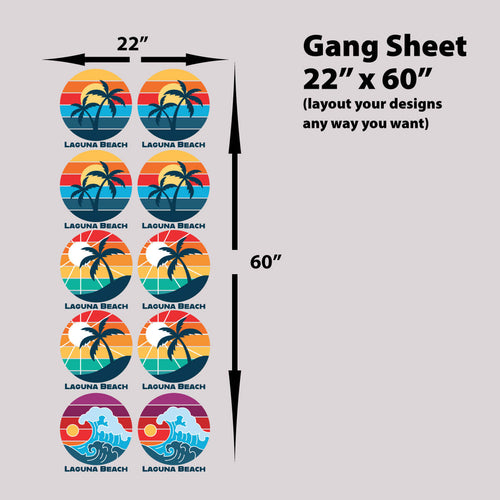
Austin pricing doesn't behave like a simple menu unless the artwork is already cleaned up and the sheet layout is efficient. In practice, the main cost drivers are sheet size, how tightly you pack the designs, and whether the order is ready to print as soon as it lands. A compact gang sheet can make a small order feel much more economical because the usable area gets spread across more finished items.
What changes the price fastest
The cleanest way to think about it is this. A single logo on a mostly empty sheet costs more per finished print than a well-packed sheet with multiple designs. That's why gang sheet planning matters so much for brands, schools, and event teams.
Hidden costs usually come from process gaps, not from the transfer itself:
- Rush fees when the deadline is too close.
- Vectorization or cleanup charges when the file isn't press-ready.
- Reprints when the artwork wasn't sized or exported correctly.
- Shipping upgrades when local pickup isn't an option.
A supplier that communicates those items clearly is easier to budget around than one that hides them until checkout. If you're comparing Austin-area suppliers, ask what changes when a file is already clean versus when it needs prep work.
Why gang sheets change the math
Packing multiple designs onto one sheet lowers waste because you're not paying for blank space. That's especially useful for businesses that need chest logos, sleeve graphics, labels, and back prints from the same order. One sheet can carry a lot of job value if the layout is planned well.
Turnaround usually splits into three practical paths. Local pickup is the fastest when the supplier is nearby and the job is ready. Shipping adds transit time, while upgraded shipping can help if the deadline is tight and the order is already print-ready. The smart move is to choose the route that fits the clock, not just the ZIP code.
Ordering Smart With the Auto-Build Gang Sheet Builder
A new customer usually thinks the hard part is printing. In practice, the hard part is getting the artwork organized so the print shop can move without delay. An Auto-Build gang sheet builder handles that first step for you, placing multiple designs on one sheet so you are not dragging boxes around or trying to squeeze in one more logo by hand. For a buyer who wants speed and cost control, that is often the quickest route from loose art files to a sheet that is ready for press.
The workflow is straightforward. Upload your files, let the builder place the pieces automatically, then review spacing and size before you approve the order. If the artwork is already prepared, this removes a lot of manual adjusting that usually slows people down, especially when you are working with several small graphics for shirts, sleeves, and labels.
Before you upload, get the file basics right:
- Use 300 DPI artwork so the print holds up on close inspection.
- Keep a transparent background so the transfer carries only the art you want.
- Send accepted formats like PNG, PDF, SVG, or AI when the supplier allows them.
- Set CMYK color mode if the ordering system asks for it.
- Use the exact intended print size so you are not resizing after the fact.
Those steps do not make the design better, they just keep avoidable errors out of the order. A clean file is easier to place, easier to approve, and less likely to trigger extra cleanup before production starts.
For a closer look at how the layout step works, the DTF gang sheet builder guide is a useful companion.
One option that keeps the order moving
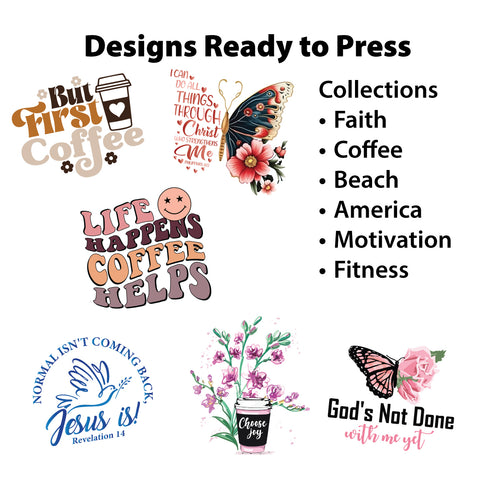
Lion DTF Transfers offers an automated gang sheet builder, upload-based DTF ordering, and ready-to-press collections. That fits buyers who want to move from artwork to transfer without building the sheet by hand. It does not replace good file prep, but it does make the handoff between design and production much simpler.
Pressing DTF Transfers the Right Way
A good press starts before the heat comes on. If the shirt still holds moisture, the transfer can sit unevenly, and if the platen is not set up correctly, the whole job can drift from the first print to the last. A repeatable process matters because pressing is less like decorating a single shirt by feel and more like following a recipe that has to work the same way every time.
A simple pressing sequence
Start by pre-pressing the garment to drive out moisture and flatten the fabric surface. Then place the transfer, press it with even pressure at 240 to 280°F for 10 seconds, and peel it based on the film instructions, since some transfers are hot peel and others are cold peel. A short second press with a cover sheet helps push the adhesive deeper into the fibers and gives the finished print a cleaner feel.
The fabric changes the job a little. Cotton usually behaves predictably, polyester can react more sharply to heat, and blends sit between the two, so the same press method may need small adjustments in pressure or handling. The goal is not to memorize a long list of settings, it is to keep the press even, watch the film's peel behavior, and follow the transfer instructions consistently. If you want a fuller walk-through of the sequence from setup to final peel, the how to press DTF transfers guide is a useful reference.
Common mistakes to avoid
- Skipping pre-pressing, which leaves moisture under the transfer.
- Peeling at the wrong moment, which can lift detail or dull the finish.
- Using inconsistent pressure, which causes partial adhesion.
- Ignoring the post-press, which reduces durability.
Clean results usually come from the same careful sequence, repeated the same way each time. The press is not the place to improvise if you want the artwork to hold up.
Lion DTF Transfers also provides ready-to-press options and upload-based ordering, which helps when you want to move from artwork to a finished transfer without building every layout by hand. That does not replace good press technique, but it does keep the order process focused on getting the sheet ready for heat as quickly as possible.
Your Next Steps for a Smooth DTF Austin Order
Start with the vendor check. If a supplier can't explain file prep, film options, and press settings clearly, move on. Then upload your art into an Auto-Build gang sheet builder so you can see the layout, cost, and turnaround before you place the order.
After that, lock in your press plan with the temperature, time, and peel guidance you already have. If anything still feels unclear, use the shop's support channels before checkout so you don't turn a simple job into a reprint.
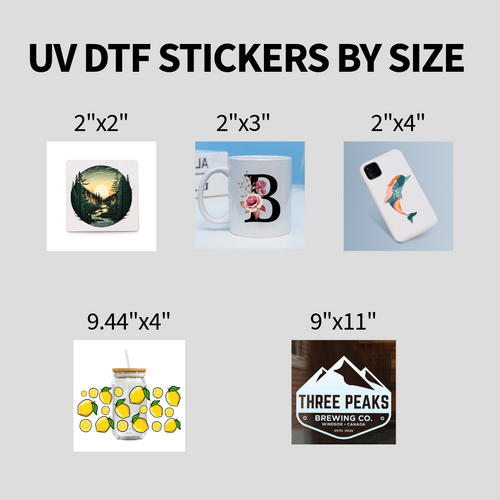
Lion DTF Transfers helps buyers turn artwork into ready-to-press transfers, gang sheets, and UV DTF stickers with online ordering and file upload options. If you're comparing DTF Austin options and want a cleaner path from design to press, visit Lion DTF Transfers and build your next sheet with the turnaround and support details in view.