



Dallas isn't a small craft market. By 2019, the Dallas metro was estimated at 2.63 million people, making it the 9th largest U.S. city and the 3rd largest in Texas (Visit Dallas history). That scale, plus a business base built over generations, is why DTF Dallas matters to schools, teams, e-commerce sellers, event crews, and anyone who needs custom apparel fast without giving up consistency.
The city's history backs up that demand. Dallas was founded in 1841, officially incorporated on February 2, 1856, and then grew into a commercial hub as railroads connected it to wider markets in the late 19th century (Visit Dallas history). Today, the local buying pattern still reflects that infrastructure, buyers want quick turnaround, reliable reorders, and a vendor who can handle both one-off runs and repeat work. For nearby shoppers looking for a custom DTF transfers near me option, local fulfillment matters because a missed deadline can turn a simple reorder into a shipping problem.
The opportunity in Dallas is not just proximity. It's the mix of population density, logistics access, and diversified demand that keeps custom print work moving. That's why the best local ordering experience starts with matching the job to the right decoration method, then tightening up the artwork, layout, and press workflow before anything goes on film.
Why DTF Dallas Matters for Local Buyers
Dallas gives DTF buyers something smaller markets can't always offer, a large, varied customer base with fast-moving fulfillment expectations. The city's growth into a major metro explains why custom print services stay busy across neighborhoods, suburbs, and regional shipping lanes (Visit Dallas history). If you decorate shirts for schools, small brands, fundraisers, or field teams, you are already selling into a market that rewards quick turnarounds and repeatable execution.
The bigger point is simple. Dallas behaves like a logistics-heavy metro where customers expect local pickup, short reorder cycles, and a provider who can handle rush work and planned production without confusion. That is why DTF Dallas can work as a regional search term, not just a local brand phrase. Buyers usually compare turnaround reliability, print quality, and whether the shop can support both local pickup and shipped orders without friction.
For nearby shoppers looking for a custom DTF transfers near me option, the local angle matters because missed timing often turns a simple reorder into a shipping problem.
Why scale changes the buying decision
A larger metro creates more mixed-use demand, which means more orders from schools, teams, event planners, e-commerce sellers, and promo buyers. Those groups do not all want the same thing, but they do want the same outcome, a transfer that looks right, presses cleanly, and arrives when promised.
Dallas also has the commercial depth to support broader print demand beyond hobby traffic. Oil, banking, finance, and technology growth helped broaden the customer base, and that matters because custom apparel is not limited to one vertical. Buyers in the Dallas area should think in terms of reorder speed and local execution, not just a one-time price tag.
Practical rule: In a market this large, the vendor who can hit the cutoff and handle reorders cleanly usually beats the one with the lowest headline price.
Choosing a DTF Provider in Dallas
The first mistake Dallas buyers make is treating every decoration method like it solves the same job. DTF is strong for short runs, colorful art, and mixed garment orders, but it's not the answer for every use case. For very large uniform runs, screen printing can still make more sense, and for hard goods, UV DTF fills a different lane entirely.
That's the decision frame that matters. Look at substrate type, art complexity, and lifecycle cost, not just the nearest storefront or the cheapest quote. If a school needs a few dozen spirit shirts with different names, DTF is often a clean fit. If a promo agency wants a long uniform run with simple art, screen printing may be the better comparison. If a buyer wants stickers or decorated hard surfaces, UV DTF is the separate category to evaluate.
Match the method to the job
A local provider is useful when the job needs fast handling, but local doesn't automatically mean appropriate. The best fit comes from the workflow, not the ZIP code. Buyers should ask whether the provider is set up for garment transfers, whether it handles gang sheets, and whether it gives clear guidance on file prep and press settings.
The broader apparel market increasingly compares methods based on how the product will be used, not just upfront cost. That's the right mindset here. A good DTF shop should help you avoid jobs that are wrong for DTF, not just sell you every order that comes through the door.
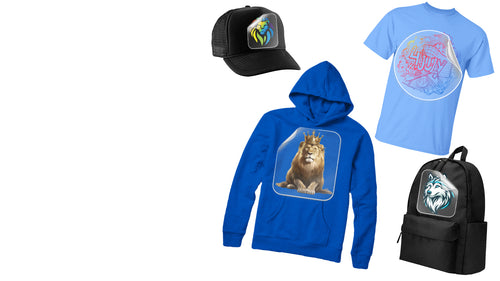
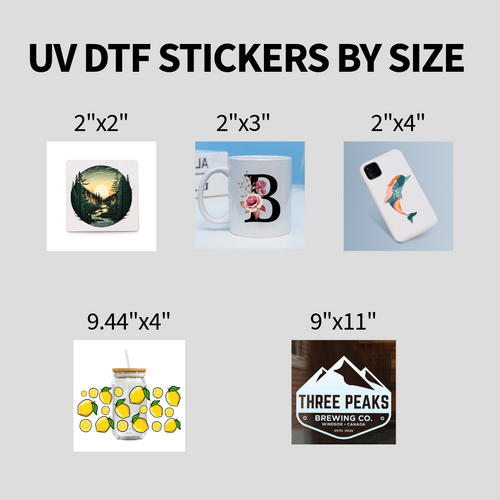
For Dallas buyers comparing options, one practical choice is Lion DTF Transfers, which offers custom DTF transfers, gang sheets, and UV DTF stickers, along with upload-based ordering and nearby pickup or shipping. The value in that kind of workflow is operational clarity, not hype, because the central question is whether the shop fits the job.
Buyer check: If your order depends on durability, multiple designs, or a quick local turnaround, DTF may fit well. If the run is large and repetitive, compare it against screen printing before you commit.
Preparing Print-Ready Artwork Files
File prep decides more DTF outcomes than most buyers expect. DTF Dallas requires 300 DPI transparent PNGs, and that standard exists for a reason, low-resolution art and non-transparent backgrounds are the fastest path to soft edges, bad registration, and wasted film (DTF Dallas FAQ). If your designer sends a JPG with a white box around the art, the problem usually starts before the press ever turns on.
The press side also matters. DTF Dallas recommends 280 to 300°F for 9 to 13 seconds at medium pressure, then about 10 seconds of cooling before peeling. It also says its transfers are tested to withstand 100+ wash cycles when care instructions are followed (DTF Dallas FAQ). Those numbers only hold if the artwork is clean, the film is transparent where it should be, and the peel timing is controlled.
| Requirement | Specification |
|---|---|
| File format | Transparent PNG |
| Resolution | 300 DPI |
| Press temperature | 280 to 300°F |
| Press time | 9 to 13 seconds |
| Peel timing | About 10 seconds of cooling before peeling |
| Durability claim | 100+ wash cycles when care instructions are followed |
A lot of failed orders come from preventable file issues. The usual culprits are jagged low-res logos, hidden background boxes, and art that looks fine on a phone screen but breaks down on film. If the goal is crisp edges and stable white ink, start by making the file correct before anyone uploads it.
The cleaner the file, the less you'll pay in reprints, rushed revisions, and press-side troubleshooting. That's the savings, not just avoiding a bad print, but avoiding the entire second round of production.
Building Gang Sheets with Auto Builder
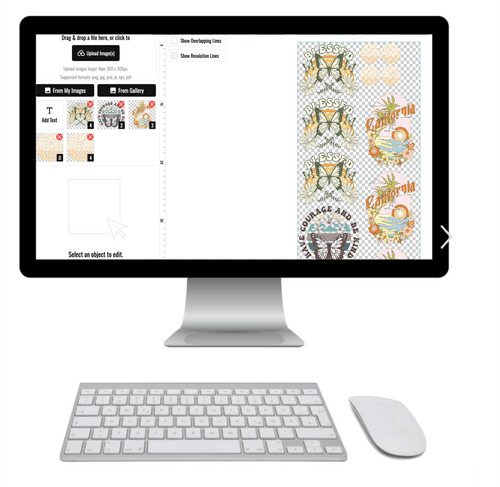
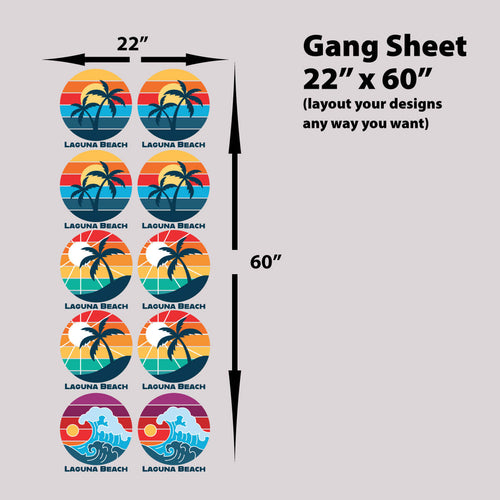
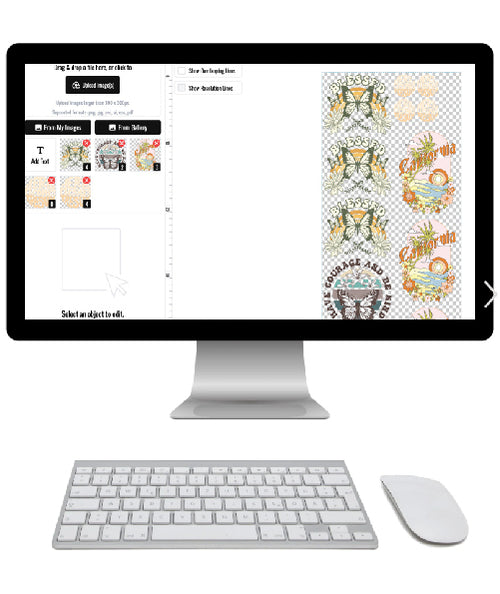
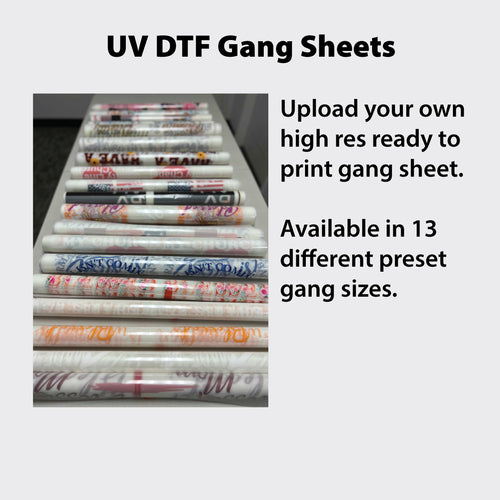
Gang sheets save Dallas buyers time and material when an order includes multiple logos, names, sizes, or event versions. The goal is not prettier art, it is tighter sheet layout with less hand placement. That is why our Auto-build gang sheet builder matters for ease of use and cost effectiveness, because it cuts out the tedious layout work that usually slows down first-time buyers. For a closer look at how the feature works, see our Auto-build gang sheet builder feature overview.

How the auto builder changes the workflow
The workflow stays simple. Upload the artwork, let the tool arrange the pieces, make a few small adjustments, then review the price before you place the order. That sounds minor until you have manually dragged dozens of small files around one sheet and seen how much room, time, or both gets wasted.
Cost control starts with density. If you fit more usable transfers on the sheet without crowding the art, the per-transfer cost usually improves over ordering scattered singles.
The builder also takes pressure off first-time users who do not want to guess spacing or placement. It handles the layout logic, so you are not trying to eyeball where each design should sit or leaving dead space between small graphics that could have fit together cleanly. For event organizers, that matters when you need several versions of the same logo or shirt design and do not want to build each sheet by hand.
What to watch before you confirm
Use the builder to reduce waste, but still inspect the final sheet closely. Check that small text has not become too tight, verify that transparent areas stayed transparent, and confirm the artwork looks balanced across the sheet. Once the layout checks out, pricing gets easier to read and the order is less likely to get stuck in revision.
The practical benefit is straightforward. Less manual dragging means fewer mistakes, less wasted film, and a faster path from upload to press-ready output. Dallas buyers who order often tend to prefer gang sheets for that reason, because they get more usable work onto one sheet without paying for avoidable layout time.
Turnaround and Pickup in Dallas
Timing matters most when the order is already tight. A separate profile says DTF Dallas orders placed before 2 PM are produced the same day, and customers can pick up from a 24/7 pickup area that's always accessible. It also states the business is open seven days a week, with the shop located at 903 N Bowser Rd Ste 250, Richardson, TX 75081 and set up for walk-in service and same-day pickup (Community Impact sponsored profile).

What happens when the cutoff slips
If your order misses the same-day window, the risk shifts. You're no longer planning around a local pickup slot, you're planning around shipping and the delay that comes with it. That's fine when you built the buffer into your timeline, but it's a problem when the shirts are tied to a game day, a launch, or a live event.
The Dallas logistics environment makes local pickup attractive because it shortens the number of handoffs. You approve the files, the job moves into production, then you collect the transfers without waiting on a carrier scan. For rush work, that difference is often more important than a small price gap.
A clean local workflow is still about discipline, not luck. Get the file approved early, confirm the pickup option before you place the order, and don't assume the next business day will solve a missed cutoff. Tight deadlines punish vague planning.
Why local access changes the stress level
Dallas buyers often need to solve the last mile themselves, especially for event work and small business launches. A 24/7 pickup area reduces the pressure to line up with a narrow business-hour window, and that can save an order that would otherwise miss the finish line. The best local experience is the one that keeps your schedule intact when production gets crowded.
That's also why same-day pickup and shipping should be treated differently. Pickup gives you control. Shipping gives you reach. When the timeline is fragile, control usually wins.
Pressing and Quality Expectations
A transfer can look perfect on film and still fail on the garment if the press setup is off. For direct-to-film work, the usual production setup uses CMYK plus white ink on PET film, a thermoplastic polyurethane hot-melt powder, and a press window of roughly 160 to 170°C, or 320 to 338°F, for 10 to 15 seconds (Direct-to-film printing overview). Resolution matters too. Shops typically want 720 DPI minimum for straightforward jobs and 1440 DPI or higher when the artwork carries fine detail.

The settings are only half the job
Those settings explain the most common failures. Low-resolution art, uneven cure, or weak registration can leave color looking flat, edges lifting, or the film cracking sooner than it should. Fast production still has to respect ink control and powder bond. If the sheet looks rushed, the shirt usually shows it.
Press-side mistakes create their own problems. A transfer can look acceptable on the carrier film and still fail once it hits cotton if the adhesive layer was not cured evenly or if the peel happened before the film was ready. That is why the earlier file-prep work matters so much, because a clean PNG gives the press operator a better starting point. If you want a practical walk-through, the how to press DTF transfers guide is a useful reference alongside the numbers above.
Pressing habits that save orders
A repeatable press routine prevents the complaints that waste the most time. Use medium pressure, follow the cooling window, and do not pull the film early. Keep the platen consistent from shirt to shirt, because a transfer that feels fine on one garment can press differently on the next if the pressure drifts.
The local FAQ cites 100+ wash cycles when care instructions are followed (DTF Dallas FAQ). That result depends on the full chain being handled well, from file prep to print settings to the press itself. If one step slips, the garment will not wear the way the buyer expected.
A consistent workflow protects the order more than wishful thinking does. Check temperature, time, pressure, and peel timing before you blame the transfer. That habit catches most problems before they become a reprint.
Cost-Saving Tips and Next Steps
The cheapest DTF order is the one you don't have to redo. In Dallas, that usually means three habits, build dense gang sheets, verify transparency before upload, and use same-day pickup when the timing makes shipping a liability. Every one of those choices cuts waste somewhere in the workflow.
Auto-building sheets helps because it reduces empty space and manual layout errors. Same-day local pickup helps because it avoids the extra risk of rush shipping when you're already close to a deadline. Clean files help because they prevent the kind of reprint that eats both time and budget.
Here's the short version buyers can use:
- Group similar designs together: Put logos, names, or event versions on one sheet when the sizes and colors work together.
- Check transparency twice: A hidden background box can turn a clean job into a messy one.
- Confirm the cutoff early: If the order needs same-day output, don't wait until the afternoon to upload.
- Match the method to the job: Use DTF where color complexity and short runs matter, then compare other methods when the run gets very large or the substrate changes.
Dallas buyers don't need a complicated process. They need a repeatable one. Start with a small test order if the file or garment is new, then scale once the print, press, and pickup steps all line up the way they should.
Lion DTF Transfers handles custom DTF transfers, gang sheets, and UV DTF stickers for buyers who need a practical upload-to-press workflow. If you're ordering in Dallas and want a straightforward way to build, print, and receive transfers fast, visit Lion DTF Transfers and compare the options against your next job.