


Direct-to-Film (DTF) printing is a game-changing way to decorate apparel. It lets you create a durable, full-color design on a special film, which you then heat-press onto just about any fabric.
Think of it like creating a high-quality, digital "super sticker." It works beautifully on cotton, polyester, leather, and more, delivering incredibly vibrant graphics with a surprisingly soft feel.
What Is DTF and How Does It Work?
So, what exactly is DTF? The name says it all: Direct-to-Film.
Unlike other methods that print directly onto the garment (DTG) or force you to cut and weed vinyl (HTV), DTF prints your design onto a clear transfer film first. This printed film, combined with an adhesive powder, creates a transfer that’s ready to press right out of the box.
This approach gives you the best of several worlds. You get the unlimited colors and fine detail of digital printing but with the freedom to apply it to almost any fabric, no matter the color. It's a fantastic solution for small businesses, apparel brands, and makers who need professional quality without the steep setup costs or material limits of older techniques. For a deeper dive, you can learn more about what DTF means for modern apparel creators in our detailed article.
The real magic of DTF is how simple and efficient it is, especially when you're ordering from a provider. You just upload your art, and we handle the rest—printing it onto a sheet, powdering it, and curing it for you.
Key Takeaway: DTF closes the gap between digital printing and fabric versatility. It allows anyone to produce full-color, photorealistic graphics that are durable, soft to the touch, and can be applied to a massive range of materials without any pretreatment.
The Core Attributes of DTF Printing
To really get why DTF is so popular, it helps to look at its core characteristics. These are the traits that have made it a favorite for everyone from global brands to local sports teams. It's not just one feature but the powerful combination of them all that makes DTF a winner.
Take a look at how these attributes come together in the table below.
DTF Printing at a Glance
This table breaks down the core strengths of Direct-to-Film printing, showing why it's such a versatile and effective choice for so many different projects.
| Attribute | Description | Best For |
|---|---|---|
| Versatility | Applies to nearly any fabric, including cotton, polyester, blends, leather, and even hard surfaces. | Businesses needing one print method for diverse product lines (e.g., shirts, hats, bags). |
| Vibrancy | Produces brilliant, photorealistic colors with sharp details and gradients, thanks to a white ink base. | Intricate designs, logos with many colors, and artwork that needs to pop on dark garments. |
| Durability | Premium transfers are tested to withstand over 100 wash cycles without cracking or fading. | Retail-quality apparel, workwear, and team jerseys that require long-lasting graphics. |
As you can see, the benefits are clear and practical.
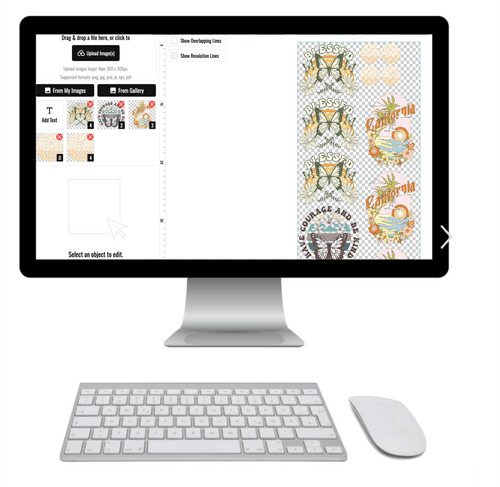
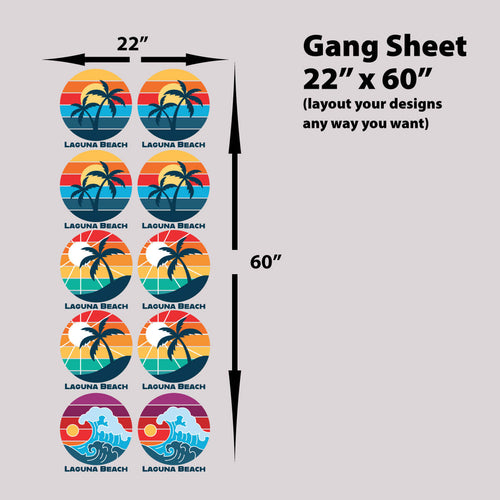
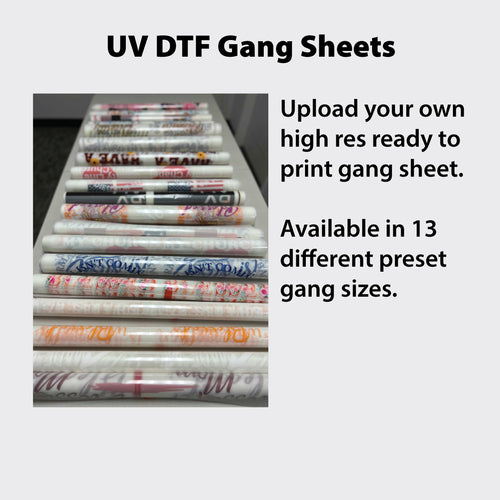
On top of that, ordering these transfers is incredibly straightforward. For maximum savings, you can arrange multiple designs onto a single large sheet, known as a gang sheet. Our Auto-build gang sheet builder automates this process for unparalleled ease of use and cost-effectiveness, making it simple to group various logos and graphics together to significantly lower your cost per print. This blend of user-friendliness and affordability is central to its growing popularity.
The Step-by-Step DTF Printing Process
So, how does a digital design on your computer screen become a durable, vibrant print on a t-shirt? The Direct-to-Film (DTF) process might sound a bit technical, but it’s really just a few straightforward stages that deliver incredible results every single time. It's a method that has absolutely taken off since it hit the scene around 2020.
The global DTF market has already rocketed to USD 3.03 billion and is on track to hit USD 4.46 billion by 2032. Knowing how it works helps you understand why it's a favorite for everyone from home-based creators to massive print shops. When you order from us, we handle all this for you—all you get is a perfect transfer that's ready to press.
Step 1: Print the Design on Film
The whole journey starts by printing your artwork onto a special, clear PET (polyethylene terephthalate) film. This isn't your average office printer; a specialized DTF printer uses water-based textile inks to print your design in reverse.
It first lays down all the colors (CMYK), then follows up with a brilliant layer of white ink right on top. That white ink is the secret sauce—it acts as a solid base, making sure your design's colors pop with full opacity, even on the darkest fabrics.
Step 2: Apply the Adhesive Powder
While the ink is still wet, the printed film gets a nice, even coating of a thermoplastic polyurethane (TPU) powder. You can think of it as a special "powdered glue" that only activates with heat.
This magic powder sticks only to the wet ink of your design. We shake off any excess, leaving a clean, precise adhesive layer only where it's needed. This is what will bond your design to the fabric fibers during the final pressing stage, creating a permanent, yet flexible, print. If you want a closer look, you can dive into our guide on how to make DTF transfers.
Step 3: Cure the Transfer
Next, the powdered film takes a trip through a curing process. It's gently heated, either in a dedicated curing oven or by hovering a heat press just above the film.
This step is crucial. It melts the adhesive powder and fuses it directly to the ink layer, turning them into a single, stable transfer sheet. Once it's cured, the design is no longer wet or powdery. It’s a finished, ready-to-press graphic that you can either apply right away or store for later.
Step 4: Press the Design and Peel
This is where the magic happens! The final step is applying the finished transfer to your garment. You just place the transfer on the fabric, put it in a heat press, and apply the right temperature and pressure.
The heat reactivates that adhesive layer, permanently bonding the ink to the fabric. Premium transfers, like the ones we make, are hot-peel, which means you can peel the film away the second the press opens. What’s left is a vibrant, soft, and seriously durable graphic that looks like it's part of the shirt.

It’s this simple but powerful combination of steps that makes DTF one of the most exciting and accessible ways to create amazing custom apparel.
Key Benefits of Using DTF Transfers

So, why are so many print shops and creators making the switch to DTF transfers? It really comes down to a powerful mix of versatility, quality, and efficiency that just solves a lot of the usual headaches in apparel printing. These advantages make DTF a seriously practical choice for almost any project you can dream up.
One of the biggest wins is its incredible fabric versatility. This is a huge deal. Unlike methods like sublimation, which pretty much locks you into polyester, or DTG, which really prefers cotton, DTF works beautifully on a massive range of materials.
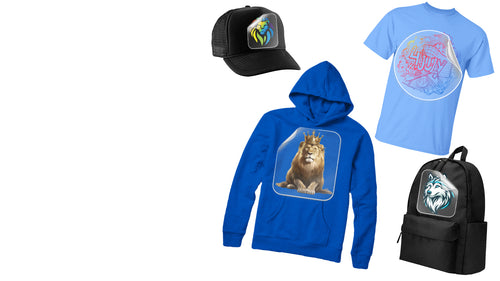
You can press DTF transfers with confidence onto cotton, polyester, 50/50 blends, tough fabrics like nylon and leather, and even denim. This means you can run the same exact transfer design across an entire product line—from t-shirts and hoodies to tote bags and hats—without having to change your whole process.
Unbeatable Color Vibrancy and Detail
DTF printing is a beast when it comes to producing photorealistic, vibrant graphics with stunning clarity. Because the design is printed onto film with a solid white ink base, your colors stay bright and opaque on any color garment, even black.
This process gives you:
- Unlimited Colors: You can reproduce complex logos, detailed illustrations, and full-color photos without getting hit with extra setup fees for each color, which is a common pain point with screen printing.
- Sharp, Fine Details: It captures crisp text and delicate lines that other methods, like cutting vinyl, just can't touch.
- Soft Gradients: You get smooth color transitions for a high-end, professional look that's impossible with simpler techniques.
The bottom line? The print looks exactly like your digital design, full of life and dimension. This makes DTF the go-to for any artwork that needs to make a real impression.
Impressive Durability and Longevity
A great-looking print is worthless if it falls apart in the wash. This is where DTF truly shines. Premium transfers are engineered for exceptional durability, with prints that feel soft and flexible. They actually stretch with the fabric, which helps resist cracking and peeling.
In fact, high-quality DTF prints are tested to handle over 100 wash cycles without any major fading. This impressive longevity is why it's become so popular, making it a reliable choice for retail-quality apparel, workwear, and team uniforms that need to stand up to a lot of abuse. Its rapid growth since emerging around 2020 reflects this reliability; the North America market alone is projected to grow to USD 622.1 million by 2030. You can explore more data on the DTF market's growth and see what it means for the industry.
A Major Advantage: A huge benefit of ordering ready-to-press DTF transfers is that you get to skip fabric pretreatment entirely. Methods like DTG force you to spray a chemical solution on the garment and cure it before you can even think about printing. That adds time, cost, and hassle. With DTF, you just press and go.
Cost-Effective for Any Order Size
DTF is also surprisingly cost-effective, especially for small-to-medium-sized runs or designs packed with colors. Since there are no screens to burn or complex setups, the cost to get started is practically zero. You can print just one shirt or a hundred without a massive price difference per unit.
This is where gang sheets become your secret weapon for savings. Using our Auto-build gang sheet builder, you can easily pack multiple logos, neck tags, and full-sized graphics onto a single sheet. This simple step drastically drops your cost per print, making it incredibly affordable to produce a whole variety of designs at once. It's this unique mix of quality, versatility, and smart economics that makes DTF such a powerful tool for your business.
Comparing DTF Against Other Customization Methods
Choosing the right decoration method can feel like a maze, but here’s the secret: the best choice always comes down to the job at hand. Direct-to-Film really shines in specific spots where other methods just can't keep up. Once you understand its strengths against industry regulars like screen printing, DTG, and HTV, you can start making smarter decisions for your projects and your business.
This isn't about which method is "the best" overall, but which is best for your specific needs. A photorealistic design for a five-shirt order requires a totally different approach than a one-color, 500-shirt run. Let's break down where DTF fits in.
DTF vs. Screen Printing
Screen printing has long been the undisputed king of high-volume jobs with just a few colors. Think 1,000 t-shirts with a simple one-color logo. The setup is expensive because it requires burning a separate screen for each color, but the cost-per-print plummets as you increase the quantity.
This is exactly where DTF offers a practical alternative.
For small-to-medium runs or designs packed with color, DTF is far more practical. Since there are no screens to create, you can print a photorealistic image on just a few shirts without racking up huge setup fees. If your design has more than 3-4 colors or your order is under 50 pieces, DTF is almost always the more cost-effective choice.
DTF vs. Direct-to-Garment (DTG)
At first glance, DTF and Direct-to-Garment (DTG) seem pretty similar. Both are digital processes that produce stunning, full-color prints. The real difference, however, lies in the application and versatility. DTG prints ink directly onto the fabric, which looks and feels great on 100% cotton but often struggles with polyester, dark blends, and other synthetic materials.
DTF, on the other hand, prints on a film that can be applied to almost anything—cotton, polyester, nylon, leather, you name it. This versatility is a massive advantage. Plus, ordering pre-made DTF transfers completely cuts out the need for pretreating garments, a messy and time-consuming step required for all DTG prints on dark apparel.
For a deeper dive into these two powerhouses, check out our guide comparing DTF vs DTG printing methods.
DTF vs. Heat Transfer Vinyl (HTV)
Heat Transfer Vinyl (HTV) is a go-to for simple, bold designs, like names and numbers on jerseys. The process is straightforward: cut your design from a sheet of colored vinyl, weed away the excess material, and press it. While it's great for one-color text, it becomes a nightmare for intricate or multi-color designs.
DTF is the perfect fix for detailed artwork that vinyl just can't handle. Imagine a complex logo with fine lines, tiny text, and a dozen colors. Weeding that from vinyl would take forever. With DTF, you just print the entire design and press it in one simple step, saving a ton of labor and unlocking way more creative freedom. The final print also has a softer, more flexible feel than the often-stiff layers of HTV.
Head-to-Head Comparison Table
To make the choice even clearer, we've put together a direct comparison of the four most popular garment decoration methods. This table breaks down the factors that matter most when you're making a decision.
| Feature | DTF (Direct-to-Film) | Screen Printing | DTG (Direct-to-Garment) | HTV (Heat Transfer Vinyl) |
|---|---|---|---|---|
| Ideal Order Size | Small to large runs (1-500+) | Large runs (100+) | Small runs (1-50) | Small runs (1-25) |
| Artwork Complexity | Excellent for photos, gradients, and fine details. | Best for simple graphics with few colors. | Excellent for photos and gradients. | Best for simple text and shapes. |
| Fabric Compatibility | Excellent (Cotton, poly, blends, leather, nylon) | Good (Best on cotton, requires special inks for poly) | Poor (Best on 100% cotton, struggles on poly) | Good (Specific vinyls needed for different fabrics) |
| Feel on Garment | Soft, flexible, and integrated with the fabric. | Can be thick, especially with multiple colors. | Very soft, as ink soaks into the fabric. | Can feel thick and stiff, like a sticker. |
| Durability | Excellent (100+ washes), resists cracking. | Excellent, very long-lasting. | Good, but can fade over time with washing. | Good, but can peel or crack if layered or stretched. |
Ultimately, the real strength of DTF lies in its incredible balance. It gives you the full-color freedom of DTG, fabric compatibility that goes beyond other methods, and a simple workflow that blows HTV out of the water for complex art. It hits the sweet spot between quality, versatility, and efficiency.
How to Order DTF Transfers and Maximize Value
Alright, now that you know what DTF is and how it stacks up against the other methods, let's get to the practical part: ordering transfers that give you professional results and the best possible price. The process is surprisingly simple, but a few key details can make a huge difference in the quality of your final products—and the money you save.
The goal is to get your digital artwork from your computer screen to a ready-to-press transfer without any issues. It all starts with proper file preparation. A high-quality print demands a high-quality file, and there are two non-negotiable rules for getting it right.
First, your design must have a transparent background. Unlike a JPEG that comes with a white box around the art, a file with a transparent background (like a PNG) ensures that only your actual design gets printed. This is absolutely essential for creating clean, professional graphics without any unwanted shapes or borders.
Second, your artwork needs a high resolution. For sharp, crisp prints that look incredible up close, always use a resolution of 300 DPI (dots per inch). A low-resolution image will look pixelated and blurry when printed, no matter how good the transfer itself is.
The Secret to Cost-Effective Printing: Gang Sheets
Once your files are prepped, the next step is where you can really maximize your value. The single most effective way to drop your cost per print is by using a gang sheet.
A gang sheet is just one large transfer film that contains multiple designs arranged together. So, instead of ordering one small logo on its own little film, you can fill a sheet with that logo, several other designs, neck tags, and even sleeve graphics. You pay for the sheet, not the number of designs on it.
This is the exact method smart businesses use to produce a ton of different prints at a remarkably low cost.
The concept is simple: the more designs you can fit onto a single sheet, the less each individual design costs. This is the key to making DTF printing incredibly affordable, even for small-batch orders with diverse artwork.
Making Gang Sheets Easy with Automation
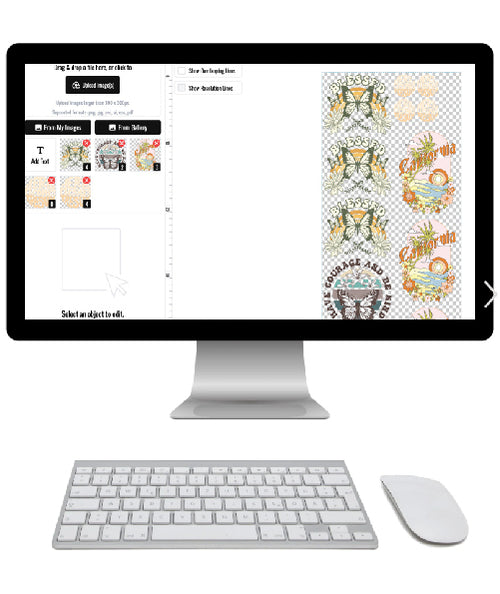
Arranging designs on a sheet might sound tedious, but modern tools have made it unbelievably simple. Our Auto-build gang sheet builder is designed for exactly this, offering unmatched ease of use and cost-effectiveness.
You just upload all your individual design files—your main graphics, your pocket logos, your brand tags—and the builder automatically arranges them to fill the sheet with maximum efficiency. It eliminates wasted space, which in turn eliminates wasted money. This tool makes ordering custom transfers accessible for everyone, no matter their design software skills.
For those who prefer a more hands-off approach, we also offer a "We Build a Gang Sheet for You" service. Just send us your files, and our team will handle the layout to ensure you get the most bang for your buck without any of the hassle.
Placing Your Order with Confidence
With your artwork ready and your gang sheet built, placing your order is straightforward. Here’s a quick checklist to ensure a smooth process from start to finish:
- Verify File Quality: Double-check that all your designs are 300 DPI and have a transparent background before you upload anything.
- Choose Your Sheet Size: Select the gang sheet dimensions that best fit your collection of designs. Our Auto-build tool helps you visualize this perfectly.
- Review the Final Layout: Before confirming your order, take one last look at the gang sheet preview. Make sure all designs are there and oriented correctly.
- Confirm Your Order: Once you're happy with how it looks, just complete the checkout process.
By following these simple steps, you can avoid common pitfalls and order with total confidence. You’ll receive a roll of transfers, perfectly printed and ready for you to press, allowing you to focus on what you do best: creating amazing products for your customers.
Pressing and Caring for Your DTF Apparel

Alright, your custom DTF transfers from Lion DTF have landed, and it’s time for the fun part—bringing those designs to life. Applying a DTF transfer is a straightforward two-press process that, when done right, gives you a durable, professional finish every single time. Let’s walk through it.
First things first, get your garment ready. Before you even think about placing the transfer, give the shirt a quick pre-press for 3-5 seconds. This quick step is a game-changer; it zaps any moisture and smooths out wrinkles, creating a perfect canvas for the transfer to stick to.
The First Press and Hot Peel
With your shirt prepped, go ahead and position your DTF transfer. Lay the design exactly where you want it on the garment, making sure the clear film side is facing up.
Now for the main event. Your heat press settings are critical here. For most fabrics like cotton, polyester, and common blends, the sweet spot is between 240-280°F. Use firm pressure and press for 10 seconds.
The moment the press opens, it’s time for the hot peel. Hold down a corner of the shirt with one hand, and with the other, peel the film away in one smooth, confident motion. Good hot-peel transfers release cleanly, leaving nothing but your crisp, vibrant design on the fabric.
The Second Press for a Professional Finish
This final step is what separates an okay print from a truly great one. Don't skip it.
After you've peeled the film, cover the design with a Teflon sheet or a piece of parchment paper. Now, press it again for another 5-10 seconds.
This quick second press does two crucial things:
- Boosts Durability: It melts the ink deeper into the fabric’s fibers, making it way more resistant to washing and cracking.
- Improves the Finish: It knocks out any leftover shine from the film, giving the design a soft, matte look that feels like it’s part of the shirt, not just sitting on top of it.
The result is a retail-quality finish that looks and feels incredible. This simple two-press method is your guarantee that the print is not only beautiful but built to last.
Key Insight: Don't skip the second press. This quick step is the secret to achieving a soft, matte finish that significantly improves the print's feel and long-term durability, ensuring it can withstand repeated washing.
Long-Term Care for Lasting Prints
To keep your creations looking sharp for years, a little care goes a long way. When cared for properly, a DTF print is rated to handle over 100 wash cycles without fading or peeling. We highly recommend passing these tips along to your customers—it reinforces the quality of your work.
Simple Washing Instructions:
- Turn Inside Out: Always flip the garment inside out before throwing it in the wash. This protects the print from rubbing against other clothes.
- Wash Cold: Stick to a cold water cycle with a mild detergent. Stay away from bleach and harsh fabric softeners.
- Tumble Dry Low or Hang Dry: High heat is the enemy of any custom print. Tumble dry on the lowest heat setting or, even better, hang it up to air dry.
- Do Not Iron the Design: Never, ever iron directly over the printed graphic.
By following these simple application and care rules, you can make sure every DTF product you create is durable, professional, and something your customers will absolutely love to wear.
Got Questions? We’ve Got Answers.
Even after seeing how much DTF can do, it's totally normal to have some practical questions floating around. What’s it really like to work with? Here are some straight-up answers to the questions we get all the time from creators and business owners just like you.
What Does a DTF Print Actually Feel Like?
This is one of the best parts. A quality DTF print feels surprisingly soft and lightweight. It’s thin, flexible, and moves right along with the fabric, especially after that second press gives it a nice matte finish.
Forget that stiff, heavy feeling you get from some vinyl that feels like a sticker just slapped on a shirt. A DTF graphic resists cracking and delivers a much more comfortable, high-end feel on the final garment.
Can I Use a Regular Home Iron to Apply DTF?
It's tempting, for sure, but using a home iron is a big no-go. An iron just can't provide the consistent, even pressure and precise temperature needed for the transfer's adhesive to properly bond with the fabric fibers.
Using an iron almost always leads to peeling corners or prints that start failing after the very first wash. A proper heat press is absolutely essential to get a durable, professional-quality application that's built to last.
Key takeaway: For a permanent bond, consistent heat and even pressure are non-negotiable. Using a real heat press is the only way to make sure your prints meet professional standards and hold up for their full 100+ wash lifecycle.
What Is the Typical Turnaround Time?
Speed is a massive advantage when you order DTF transfers. For most professional suppliers, the standard turnaround is incredibly fast. It's common for orders to be printed and shipped out in just 1-2 business days.
This rapid production cycle means you can react quickly to customer demand or new trends without having to tie up cash in a huge inventory of pre-printed shirts.
What Is the Difference Between DTF and UV DTF?
This one trips a lot of people up, so let's clear it up. Standard DTF transfers are made for fabrics—think cotton, polyester, and blends. They use special textile inks and a hot-melt adhesive that requires a heat press to apply.
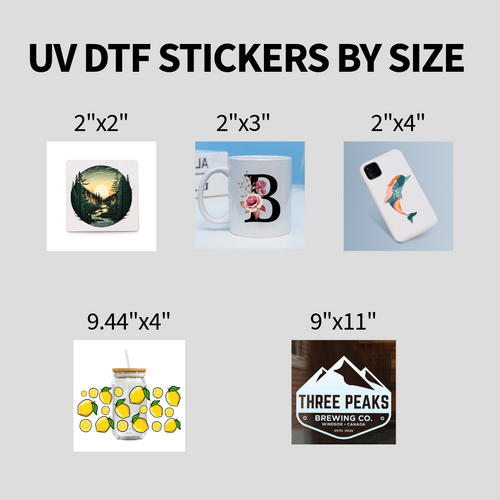
On the other hand, UV DTF transfers are basically super-powered stickers designed for hard, non-porous surfaces like glass, metal, plastic, and wood.
UV DTF uses a totally different process involving UV-cured inks and a strong adhesive backing. You just peel and stick them onto a hard good—no heat needed at all. So, remember: standard DTF is for apparel, and UV DTF is for customizing things like mugs, tumblers, and phone cases.
Ready to see the quality and simplicity of DTF for yourself? At Lion DTF Transfers, we make it fast and easy to get professional, ready-to-press transfers. Maximize your value with our cost-effective Auto-build gang sheet builder and get your vibrant, durable prints shipped in as little as one business day. Start your custom order today