


Key Takeaways:
- Definition Clarified: DTF means Direct to Film, a method that prints designs on film and transfers them to fabric using heat and adhesive.
- Process Breakdown: Each stage, print, powder, cure, and press, affects the final output's durability, clarity, and compatibility.
- Professional Advantages: DTF delivers speed, consistency, and fabric flexibility, making it a top choice for scalable apparel production.
Direct-to-film printing has redefined how apparel professionals bring designs to life. With vibrant full‑color output, compatibility across fabrics, and faster setup than traditional methods, this process delivers high‑impact results in a streamlined workflow. In short, when you need reliable results and efficient production, understanding what DTF means is a smart step forward.
At Lion DTF Transfers, we lead the industry in ready‑to‑press solutions, ultra‑fast turnaround, and consistent quality that print shops depend on. From custom boutique jobs to full‑scale wholesale runs, our U.S.‑based facility is built for precision, speed, and relentless reliability.
In this piece, we will be discussing the meaning of DTF, how it works, how it compares to other methods, and why professional print businesses are choosing DTF.
What Does DTF Stand For In Printing Terms
DTF stands for Direct to Film, a print method that has quickly become the go-to solution for many high-volume apparel shops. Unlike legacy techniques like screen printing or DTG, DTF uses a heat transfer approach, designs are printed on PET film, coated with adhesive powder, then cured and pressed onto the garment. The result is a vibrant, detailed, and long-lasting print.
If you’re wondering how this affects print performance, it comes down to what the transfer is made of. The film, ink, and adhesive chemistry each play a critical role in durability and stretch resistance. You can learn more about what are DTF transfers made of to better understand how materials impact long-term quality.
For professionals, understanding what DTF stands for in printing is more than just knowing the acronym; it’s about leveraging a faster, cleaner, and more scalable process that delivers consistent results.

Direct To Film DTF Meaning And How It Works
The direct to film DTF meaning goes beyond the acronym; it describes a streamlined, high-output method for transferring digital artwork to garments using a specialized film and adhesive. For shops that prioritize speed and reliability, DTF eliminates the bottlenecks of traditional printing without sacrificing detail or durability.
Here’s how the DTF method works from start to finish:
Printing The Design Onto PET Film
DTF begins with printing your artwork directly onto PET film using a modified inkjet printer loaded with textile-specific inks. Unlike DTG, which prints directly onto fabric, DTF separates the print from the garment until it's ready to be applied. This allows for cleaner results and better inventory management.
Applying Adhesive Powder
Once the design is printed, it passes through a powdering station where adhesive powder is evenly applied to the ink. The powder adheres only to the printed areas, providing the bonding agent needed for heat transfer.
Curing The Transfer
The printed and powdered film is then cured, typically with a heat press hovering above the film or using a conveyor oven. This step solidifies the adhesive and prepares the transfer for pressing.
Heat Pressing Onto Fabric
With the transfer cured and ready, it’s placed onto the garment and pressed at a specific temperature and pressure. After a brief cooling period, the PET film is peeled away, leaving behind a detailed, full-color print that holds up to repeated washing and wear.
DTF Transfer Process Explained Step By Step
Understanding the full DTF transfer process is key to getting consistent results, especially when speed and quality are critical. Each stage of the workflow, from print to press, has a direct impact on output clarity, color, and washability. Here’s the process, step by step:
Step 1: Print The Artwork Onto Film
The process starts by printing your design in reverse onto clear PET film. A DTF-compatible printer uses CMYK inks followed by a layer of white ink to ensure opacity and vibrancy. The print must be clean, sharp, and properly aligned to avoid imperfections in the final transfer.
Step 2: Apply And Melt The Adhesive Powder
After printing, a hot-melt adhesive powder is applied to the wet ink. This powder clings to the printed areas and forms the bonding layer for the fabric. Once coated, the film is cured using a hover press or conveyor dryer until the powder is fully melted and dried.
Step 3: Heat Press The Transfer Onto The Garment
Once the transfer is cured and cooled, it’s ready for application. Place it ink-side down on the fabric and use a heat press to apply it at the correct time, temperature, and pressure settings. After cooling briefly, peel away the film to reveal a durable, high-resolution print.

DTF Vs Other Print Methods For Apparel Production
Comparing DTF vs other print methods helps clarify why so many production shops are switching to Direct to Film. From speed and versatility to fabric compatibility, DTF offers real operational advantages over legacy techniques like screen printing and DTG. Here’s how it stacks up:
Faster Turnaround Without Setup Hassles
Screen printing requires burning screens, setting up ink stations, and cleaning between runs, time-consuming steps that DTF eliminates entirely. With DTF, there’s no prep; just print, cure, and press. That’s why many operations exploring DTF vs other print methods quickly find their answer in the speed advantage alone.
Greater Fabric Compatibility Than DTG
DTG performs best on 100% cotton, but DTF works across cotton, polyester, blends, and even performance fabrics. There’s no need to pre-treat or limit your offerings to one fabric type. For full-color designs across a wider inventory, DTF delivers consistently strong results.
Cleaner, More Durable Results
Because the adhesive is applied to the ink instead of soaking into the fabric, DTF prints sit on top with high opacity and minimal bleed. This leads to better wash resistance and a sharper finish, especially useful when customers expect consistency. For a deeper dive, see Direct to film vs direct to garment printing why direct to film is better to explore the core differences in output and process.
Why Print Professionals Choose Lion DTF Transfers
Professional printers don’t just need equipment; they need predictable output, dependable turnaround, and flexibility under pressure. That’s exactly where Lion DTF Transfers excels. Whether you’re running custom drops or managing wholesale accounts, our process is built to keep your production line moving.
Same-Day Speed, Built For Scale
Lion offers same-day and next-day DTF printing backed by U.S.-based fulfillment. No offshore delays. No long lead times. Just reliable, repeatable results that support your production goals. If you're still evaluating DTF vs other print methods, speed alone makes a compelling case.
Ready-To-Press Customization Without The Mess
With pre-cured, ready-to-press transfers, there's no need for pretreatment, screens, or wasted materials. Every sheet arrives print-tested and prepared for consistent application. You can explore how to make DTF transfers if you're integrating DTF into your workflow or training new operators.
Backed By Print-Tested Quality And Wash Durability
Transfers from Lion aren’t just quick—they’re built to last. Every batch is produced with consistent color, adhesive strength, and stretch performance across cotton, blends, and synthetics. If you're still figuring out what is DTF transfer used for in production environments, it’s this durability that makes it ideal for scaling fast without sacrificing finish.
Your Go-To Source For Reliable DTF Fulfillment
Lion supports shops that need scalable options, whether it’s single custom orders or recurring bulk DTF transfers. The direct to film DTF meaning becomes real when you can hit volume targets without sacrificing quality. When high expectations are the norm, Lion helps you meet them, every time.

Final Thoughts
If you’re in the business of printing apparel, fast, accurately, and at scale, DTF transfers aren’t just another method. They’re a modern production solution built for today’s demands, offering unmatched speed, material flexibility, and consistent, high-quality results that hold up through wear and wash.
Whether you're managing fulfillment for multiple clients, launching a retail brand with short-run designs, or scaling up a screen printing shop to handle high-volume orders, DTF transfers give you production control without sacrificing quality. The setup is minimal, the results are reliable, and the applications span everything from cotton tees to polyester performance gear.
At Lion DTF Transfers, we’re not here to meet the standard; we set it. Our operation is designed for print professionals who can't afford inconsistencies or delays. With custom DTF transfers, bulk and wholesale options, and same-day or next-day turnaround, we help you move faster, deliver better, and grow smarter.
Need to test a sample before committing to a full run? Or are you ready to move large volumes on a tight schedule?
Start your next order today at LionDTF.com, and let’s press forward.
Read also:
- Learn about the Top DTF Printing Solutions with Lion DTF Transfers
- DTF Transfers: Elevate Your Custom Printing with Lion DTF
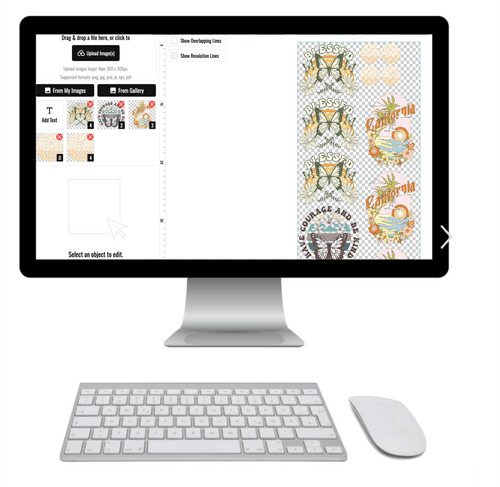
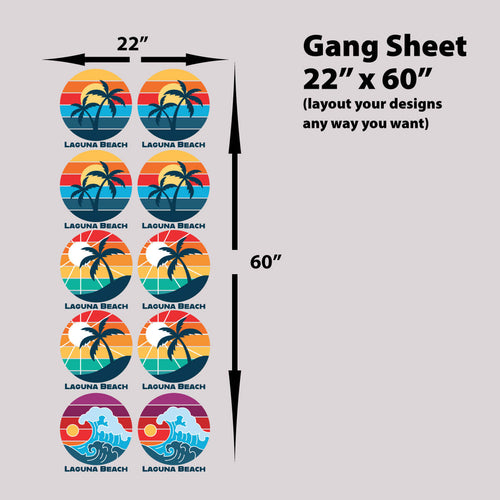
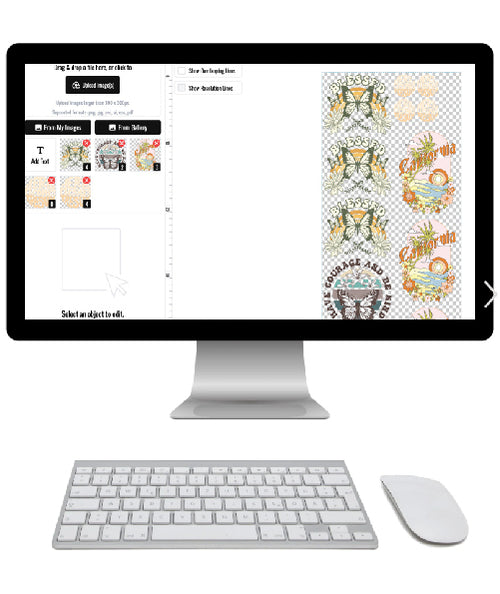
- The New Auto Builder Feature Is Changing DTF Gang Sheet Creation!
Frequently Asked Questions About DTF Transfers
What types of garments are best suited for DTF printing?
DTF printing works well on cotton, polyester, tri-blends, and synthetic fabrics, making it a top choice for apparel shops with diverse product lines.
Is special software required to create DTF prints?
Yes, RIP software is typically required to properly manage color layering and ink output when preparing artwork for DTF production.
Can DTF transfers be stored for future use?
Absolutely. Once cured, DTF transfers can be stored in a dry, cool place and used later without affecting print quality or adhesion.
How long do DTF prints typically last on garments?
With proper application and wash care, DTF prints can last through 40–50+ wash cycles without fading or cracking.
Are DTF transfers suitable for dark-colored garments?
Yes. Because DTF uses a white ink underbase, prints remain vibrant and opaque even on black or dark-colored fabrics.
What is the ideal temperature and time for pressing DTF transfers?
Most DTF transfers apply well at 300–320°F for 15–20 seconds with medium to firm pressure. Exact specs may vary by film or printer.
Can I reuse a DTF transfer if the application fails?
No. DTF transfers are single-use; once pressed, they cannot be reapplied. Proper alignment and settings are key on the first attempt.
Do DTF transfers crack or peel over time?
When applied correctly, high-quality DTF transfers remain flexible and resist cracking or peeling even after repeated washing.
Is there a difference between cold peel and hot peel DTF film?
Yes. Hot peel film allows immediate removal after pressing, while cold peel requires the film to cool before peeling for best results.
Can DTF be used on non-apparel products like bags or hats?
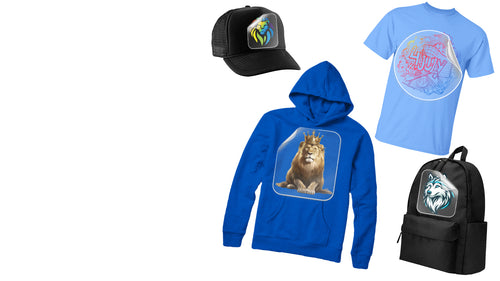
Yes, as long as the surface is heat-resistant and flat enough to receive pressure, DTF can be applied to totes, hats, and other fabric items.

