


Key Takeaways:
- Flexibility: DTF is ideal for short runs, detailed artwork, and multiple fabric types without the need for setup or pre-treatment.
- Scalability: Screen printing works best for high-volume production with simple designs and fewer colors, offering economies of scale.
- Durability: Both methods are long-lasting, but DTF maintains color and softness over time, especially on blended or synthetic fabrics.
Printing custom apparel comes with choices — and one of the biggest decisions you’ll make is selecting the right print method. Two of the most widely used techniques are DTF (Direct to Film) and screen printing. While both are capable of producing great results, they work in very different ways. Whether you're creating designs for a clothing line, running a small t-shirt business, or fulfilling custom orders, knowing how these methods compare can save time, money, and materials — and help you deliver the best product to your customers.
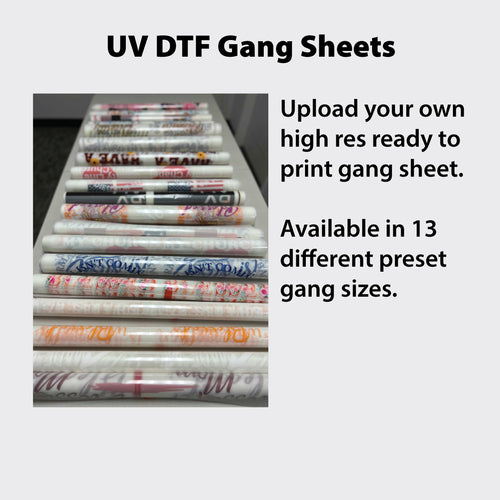
At Lion DTF Transfers, we live and breathe Direct to Film. We don’t just sell transfers — we help creators and businesses print better, faster, and smarter. With premium-quality DTF transfers, same-day shipping, and a wide selection of gang sheet options, we’ve become a trusted source for thousands of apparel decorators across the country. Our goal has always been to make pro-level printing accessible to everyone — from hobbyists to high-volume print shops.
In this piece, we’ll be discussing DTF vs screen printing, how each method works, their differences in cost and durability, and how to decide which one is right for your needs.
What Is DTF And Screen Printing?
DTF (Direct to Film) and screen printing are two popular methods used to apply designs to garments, but they work in very different ways.
DTF printing involves printing a design onto a special film, applying an adhesive powder, and then heat pressing the design directly onto the fabric. It’s a digital process that allows full-color, detailed prints without the need for screens or setup time. If you're new to the term, here's a helpful breakdown of what DTF means.
Screen printing, on the other hand, is a more traditional technique that uses mesh screens and stencils. Ink is pushed through the screen onto the fabric, one color at a time. It’s known for producing vibrant, long-lasting prints but often involves more setup and is ideal for larger batches of the same design.
Both methods are used in the custom apparel world, but they each offer different benefits depending on the design, fabric, and production scale.

How DTF Printing Works
DTF printing is a straightforward, efficient process that allows full-color designs to be transferred onto a wide range of fabrics. It combines the precision of digital printing with the flexibility of heat transfer technology.
Here’s how it works:
- Printing the Design: The process starts by printing your design onto a clear PET film using a special DTF printer. This printer uses textile pigment inks that are layered — typically, white ink is printed last to form a base.
- Applying the Adhesive Powder: While the ink is still wet, a hot-melt adhesive powder is applied to the printed film. This powder sticks only to the printed areas. The film is then passed through a curing oven or heat press to melt and set the powder.
- Heat Pressing the Design: Once cured, the film is ready to be transferred. The printed film is placed onto the fabric and heat-pressed. The heat bonds the powdered adhesive to the fabric, permanently attaching the design.
- Peeling and Finishing: After cooling briefly, the film is peeled away, leaving a vibrant, soft, and stretchable design behind. No weeding or pre-treatment is required, making this method fast and user-friendly.
This method is not only efficient for short runs and complex designs — it also works on a wide variety of materials. You can learn more about what fabrics can be used with DTF transfers if you're considering specific garment types.
Direct To Film vs Screen Print: Key Differences
While both DTF and screen printing serve the same purpose — transferring designs onto fabric — they differ significantly in how they do it, and what that means for quality, versatility, and workflow.
Setup And Workflow
DTF printing has virtually no setup time. You can print a single design without needing screens or stencils, making it ideal for short runs or on-demand printing. Screen printing, however, requires time to prepare screens for each color, which can be labor-intensive and costly for small batches.
Color And Detail
DTF excels in full-color, high-detail images, including gradients and photo-realistic designs. Since it uses digital printing, there are no color limitations. Screen printing is excellent for bold, solid colors but becomes more complex and less cost-effective when printing detailed multicolor designs.
Fabric Compatibility
DTF is extremely versatile when it comes to fabric types. It works on cotton, polyester, blends, and even performance fabrics without requiring pre-treatment. Screen printing, while dependable on cotton and some blends, may struggle with specialty fabrics unless additional steps are taken.
If you're curious about the kinds of items you can customize with DTF, take a look at what can be printed using direct to film DTF technology.
Production Volume
For large runs of the same design, screen printing may still be the more efficient choice due to its speed once set up. DTF shines in its flexibility — ideal for custom orders, test batches, or one-offs.

DTF Transfer Durability Compared To Screen Printing
Durability is one of the most important factors when choosing a print method, especially for apparel that needs to withstand frequent washing and wear.
DTF Transfer Durability
DTF transfers are built to last. When applied correctly using quality film, powder, and curing, DTF prints can endure 50 or more washes without significant fading, cracking, or peeling. The ink bonds tightly to the fabric through the adhesive layer, maintaining vibrancy over time. It’s also flexible and doesn’t stiffen the fabric, allowing for a more natural feel.
The quality of the DTF film and powder plays a major role here — something Lion DTF Transfers emphasizes through its curated transfer materials and processes. Proper heat pressing, including time, temperature, and pressure, ensures strong adhesion and lasting results.
Screen Print Durability
Screen printing is also known for its durability. Plastisol inks, which are commonly used in screen printing, create thick, opaque prints that can handle heavy wear and numerous wash cycles. However, screen prints may crack or fade if not cured properly or if applied to fabric that doesn’t hold ink well.
While both methods are long-lasting, DTF printing holds an edge in retaining color vibrancy and resisting cracking over time — especially on more delicate or blended fabrics.
Screen Printing Cost Comparison vs DTF
Cost plays a major role in deciding which printing method is best for your business or project. Both DTF and screen printing have different pricing models based on setup, materials, and production volume.
DTF Printing Costs
DTF printing is cost-effective for small to medium runs, especially when dealing with multicolor or complex designs. There's no need for screens or setup, which keeps overhead low for on-demand or short-batch printing. You print only what you need, when you need it — reducing waste and inventory costs.
While DTF printers, inks, and transfer materials require an initial investment, the overall workflow is streamlined. You can also order ready-to-press transfers, eliminating the need to manage equipment. If you're curious about the DIY side, here's a helpful guide on how to make DTF transfers.
Screen Printing Costs
Screen printing becomes more economical at higher volumes, especially for single-color or simple designs. But for smaller jobs, the setup costs (screens, films, inks, cleaning) can outweigh the benefits. Each color adds to the prep time and cost, which can quickly drive up the price for custom or multicolor work.
In terms of cost flexibility, DTF offers more freedom for smaller or highly customized orders, while screen printing is best suited for large, repetitive runs with fewer colors.
Which Printing Method Is Best For Your Needs?
Choosing between DTF and screen printing depends on your goals, the type of garments you're printing on, and how flexible your workflow needs to be.
Choose DTF If:
- You need to print small or custom orders
- Your designs have multiple colors, gradients, or fine details
- You want to print on a variety of fabrics (cotton, polyester, blends, and more)
- You prefer a quicker, setup-free workflow
- You're looking for a print that stays vibrant and stretchable after many washes
For apparel decorators, side hustlers, or businesses just starting out, DTF offers flexibility and a low barrier to entry. If you're scaling up, here’s some insight into how to grow your printing t-shirt business with DTF transfers.
Choose Screen Printing If:
- You’re printing large batches of the same design
- Your artwork uses only a few solid colors
- You already have a screen printing setup and team
- You’re working primarily with cotton garments
Both methods are professional and reliable — it really comes down to how you plan to operate and what kind of creative freedom or scale you need.

Final Thoughts
Both DTF and screen printing have their place in the world of custom apparel. If you're after speed, flexibility, and vibrant full-color prints across many fabric types, Direct to Film printing offers a modern solution that fits both beginners and pros alike. Screen printing, while more traditional, remains a solid choice for high-volume, single-design projects where setup time can be spread across large batches.
Ultimately, the best method depends on your workflow, design needs, and production goals. As a brand specializing in premium DTF transfers, Lion DTF Transfers makes it easier for creators and businesses to access high-quality, ready-to-press transfers that deliver lasting results.
Read also:
- Shirt Design Size: Master Your Print Dimensions for Flawless DTF
- Gang Sheet DTF: Auto-Build Batch Printing Mastery
- Screen Print Transfers vs DTF A Head-to-Head Comparison
Frequently Asked Questions About DTF vs. Screen Printing
Is DTF better than screen printing for printing on dark garments?
Yes, DTF works very well on dark garments because it includes a white base layer that makes colors pop, even on black or deep-colored fabrics.
Can I use DTF prints for athletic or moisture-wicking fabrics?
Yes. DTF is one of the few print methods that adheres well to performance fabrics like polyester without needing pre-treatment.
Which method is more beginner-friendly: DTF or screen printing?
DTF is more beginner-friendly because it doesn’t require complex setup or multiple tools. You can start printing without dealing with screens or emulsion.
Does screen printing require different inks for different fabrics?
Yes. Screen printing may require specialty inks or additives when switching between cotton, polyester, and blends, which can complicate production.
Can DTF prints be layered like screen prints for effects?
DTF is printed in a single layer on film, so it’s not intended for layered visual effects. Screen printing allows layering for unique textures and finishes.
Which method handles fine lines and small text better?
DTF handles fine lines and tiny text with more accuracy due to the precision of digital printing, especially on detailed designs.
Is it possible to reuse designs easily in both methods?
In DTF, digital files are easily stored and reprinted at any time. With screen printing, screens may need to be remade if not preserved properly.
Are there any environmental concerns with DTF or screen printing?
Both methods have environmental considerations. DTF uses consumables like PET film and powder, while screen printing often involves chemicals and water.
Do DTF prints feel different on the garment compared to screen prints?
Yes. DTF has a thinner, softer feel and is more stretchable, while screen prints can feel thicker and more textured depending on the ink type.
Can I use DTF and screen printing on the same garment?
Technically, yes — but it's rarely done. Each method uses different processes and materials, so combining them on one item requires careful planning.

