
When your custom apparel business is running on all cylinders, searching for "DTF transfers wholesale near me" isn't just about convenience—it's a game-changer. Partnering with a local supplier slashes shipping times, cuts costs, and gives you a reliable partner who actually gets the pace of your business. This guide is your roadmap to finding and vetting the best local DTF providers to keep you ahead of the game.
Why Sourcing Local DTF Transfers Matters
In the fast-paced world of custom apparel, speed is everything. Waiting days—or even weeks—for transfers to show up can mean lost sales and frustrated customers. This is where going local really shines.
A local partner can completely transform your production timeline, often making same-day pickup or next-day delivery a reality. That's something you just can't get from a distant supplier. It's a world away from the logistical headaches and complexities of international product sourcing.
This kind of immediate access doesn't just speed up fulfillment; it builds a rock-solid supply chain. You’re no longer a victim of shipping delays, customs holds, or other logistical nightmares that can bring your entire operation to a grinding halt.

The Financial and Quality Edge of Going Local
Beyond pure speed, sourcing locally brings some serious perks for your wallet and your quality control. Shipping fees, especially for bulky gang sheets, can take a huge bite out of your profit margins. Cutting out long-distance shipping is an instant boost to your bottom line.
Even better, a local partnership means you can physically inspect samples. You can verify color accuracy and feel the quality of the transfer before you commit to a big order. This hands-on approach is gold in an industry where quality is non-negotiable.
The global Direct-to-Film (DTF) printing market was valued at around USD 2.72 billion in 2024 and is expected to climb to USD 3.92 billion by 2030. That explosive growth is all about the demand for high-quality, on-demand apparel, making your choice of supplier more critical than ever.
To give you a clearer picture, here's a quick breakdown of why a local partnership is so valuable.
Key Advantages of Using a Local DTF Supplier
A quick look at how partnering with a local DTF wholesale provider directly impacts your business operations and bottom line.
| Benefit | How It Helps Your Business |
|---|---|
| Reduced Shipping Costs | Eliminates long-haul freight charges, directly increasing your profit margins on every order. |
| Faster Turnaround Times | Enables same-day pickup or next-day delivery, helping you meet tight deadlines and serve rush orders. |
| Hands-On Quality Control | You can physically inspect samples, check color accuracy, and feel the product before committing. |
| Stronger Relationships | Builds a direct line of communication with a partner who understands your needs and local market. |
| Supply Chain Reliability | Minimizes risks from shipping delays, customs issues, or long-distance logistical problems. |
Working with a local supplier isn't just a logistical choice; it’s a strategic decision that strengthens nearly every aspect of your business.
Streamlining Your Workflow with Smart Tools
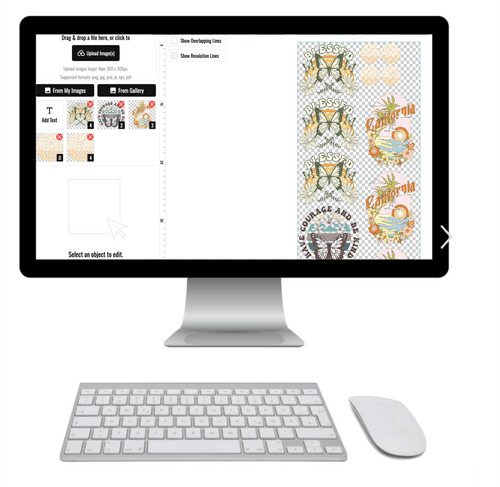
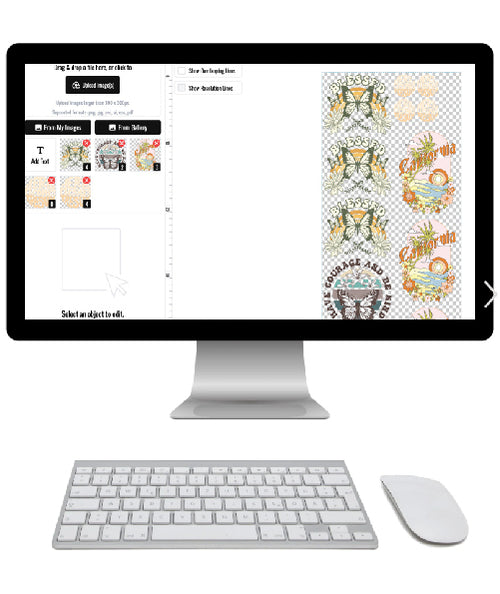
Modern local suppliers often give you access to tools that make your job easier and more profitable. For example, our Auto-build gang sheet builder is designed to squeeze the most value out of every square inch of film, which drastically cuts your cost per print. Its ease of use and cost-effectiveness are unmatched.
Instead of spending tedious hours manually arranging designs and wasting valuable space, you just upload your artwork and let the system optimize the layout for you.
This simple step of using an automated gang sheet tool not only saves money but also streamlines your ordering process, freeing up time to focus on what you do best—creating amazing apparel.
By combining the speed of local pickup with the efficiency of smart ordering tools, you create a workflow that’s both powerful and profitable. If you’re just getting started and want to dive deeper, check out our guide on what DTF transfers are and how they work.
How to Vet Local DTF Wholesale Suppliers
Finding a shop when you search for "DTF transfers wholesale near me" is the easy part. The real work starts now: figuring out if they can actually deliver the quality your brand needs, every single time. Putting your reputation in a new partner's hands isn't something to take lightly, and it demands a vetting process that goes way beyond a quick scroll through their website.
A good first impression starts with their online portfolio and customer galleries. Are the colors popping? Do the prints look sharp? Do they show off their work on different types of garments and colors? A solid portfolio is a great sign that they know what they’re doing.
Next, you've got to play detective. Dig into customer reviews on Google, Yelp, and social media—not just the cherry-picked testimonials on their own site. You want the real, unfiltered story. Pay close attention to any chatter about print quality, how the transfers hold up in the wash, and what people say about their customer service.

Ordering Samples is Non-Negotiable
I don't care how amazing their Instagram feed looks—never, ever place a bulk order without getting your hands on their product first. Ordering a sample pack is the most critical step in this whole process. It’s your only chance to see, feel, and test the transfers for yourself before you commit.
When that sample pack lands on your doorstep, here’s what you need to look for:
- Color Accuracy: How well do the printed colors match your digital file? Pull up your design on your monitor and hold the transfer right next to it.
- Print Sharpness: Get up close and check for clean, crisp edges, especially on fine details. If you see any blurry lines or pixelation, that’s a huge red flag.
- Feel and Flexibility: A quality DTF transfer should feel soft and stretch with the fabric. If it feels thick, stiff, or like a plastic shield, that's a no-go.
This simple hands-on check is what moves you from just hoping they’re good to knowing they’re the right fit.
The All-Important Wash Test
Here’s where the rubber meets the road. A print that looks incredible right off the press but cracks and peels after a couple of washes will absolutely tank your brand's credibility. The wash test is your best friend here.
Press your samples onto a few extra shirts—preferably the same kind you plan to sell. Make sure you follow the supplier’s heat press instructions to the letter. Then, throw them in the wash. Run them through at least 5-10 wash-and-dry cycles, turning them inside out like a real customer would.
After the torture test, inspect the transfers closely for:
- Cracking or Peeling: Any sign of the print lifting, breaking, or flaking off is a deal-breaker.
- Color Fading: Did the colors lose their punch? Top-tier inks should stay bright and vibrant.
- Adhesion Issues: Check all the edges. Are they still perfectly sealed to the fabric?
A transfer that survives a tough wash test is a transfer you can build a business on. It’s a simple step that saves you from the nightmare of angry customers and expensive do-overs.
Key Questions to Ask Potential Suppliers
Okay, so a supplier has passed the sample and wash tests. Now it’s time to dig into their operation. How they answer your questions will tell you everything you need to know about their professionalism and whether they can handle your volume.
Start with the technical stuff. What kind of printers and inks are they using? Ask if their inks are Oeko-Tex certified, which means they’re tested for harmful substances. This is a must if you’re printing for kids' apparel.
Then, grill them on their quality control. What’s their process for making sure colors are consistent from one order to the next? How do they catch mistakes before a bad batch goes out the door? A legit, professional shop will have solid answers for this stuff. For more pointers, check out our guide on finding custom DTF transfers near you.
The wholesale DTF market is exploding, with some forecasts predicting a growth rate of around 15-20% in 2025. That means more suppliers are popping up, but not all are created equal.
Finally, get into the nitty-gritty of workflow and logistics. What are their real-world turnaround times for wholesale orders? How do they want your files prepared? Do they offer tools to make your life easier? For example, our Auto-build gang sheet builder was designed to help you cram as many designs as possible onto one sheet, saving you time and seriously lowering your cost-per-print. A supplier who invests in smart, user-friendly tools is a supplier who’s invested in your success.
Checklist for Vetting Local DTF Suppliers
To keep things organized, use a simple checklist like this one. It helps you make an objective, side-by-side comparison instead of just going with a gut feeling.
| Evaluation Criterion | Supplier A | Supplier B | Supplier C |
|---|---|---|---|
| Sample Quality (Feel/Flex) | |||
| Color Accuracy | |||
| Print Sharpness | |||
| Wash Test Results (5+ washes) | |||
| Pricing (per sq. ft. / gang sheet) | |||
| Minimum Order Quantity (MOQ) | |||
| Turnaround Time (Stated vs. Actual) | |||
| Gang Sheet Builder/Tools? | |||
| Customer Service Responsiveness | |||
| Quality Control Process (Explained?) |
Jot down your notes for each supplier you're considering. Once you fill it out, the right choice usually becomes pretty obvious. This little bit of homework upfront will save you massive headaches down the line.
Getting a Handle on Wholesale Pricing and Order Models
Figuring out wholesale DTF pricing can feel like you're trying to crack a code. When you start searching for "dtf transfers wholesale near me," you’ll see right away that no two suppliers price things the same way. Getting a grip on their different models is absolutely crucial for protecting your profits and landing a partner that actually works for your business.
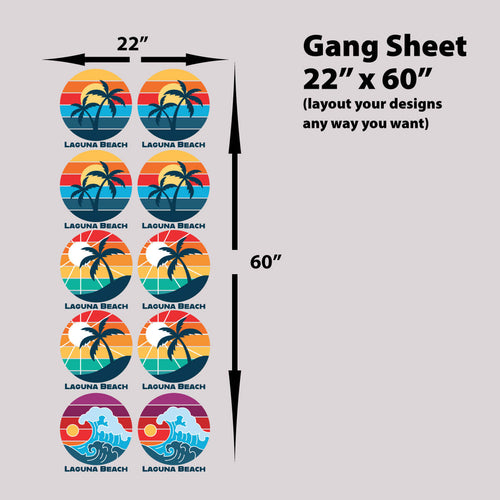
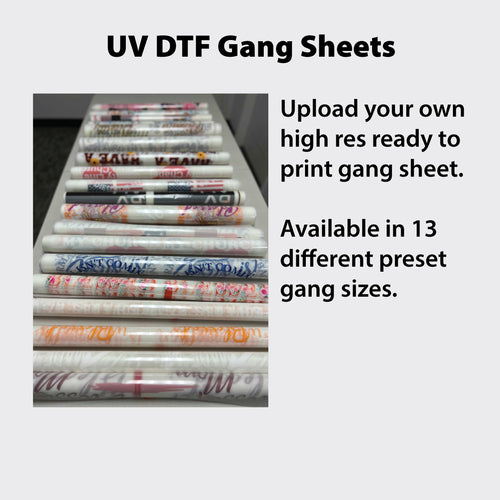
The heart of most wholesale pricing is the gang sheet. Instead of paying per design, you’re buying a specific amount of real estate on a printed film—maybe a 22x24 inch or a 22x60 inch sheet. Your mission, should you choose to accept it, is to cram as many of your designs onto that sheet as humanly possible.
This is where efficiency becomes your secret weapon. A sloppy gang sheet with a bunch of empty space is literally like throwing money away. It’s the exact reason we built our own Auto-build gang sheet builder. It's a lifesaver that automatically packs your designs tightly, making sure you squeeze every last drop of value out of every square inch. Its ease of use makes creating cost-effective gang sheets effortless.
Price Per Square Inch: The Only True Comparison
To really compare apples to apples between suppliers, you've got to boil everything down to one simple metric: the price per square inch. This cuts through all the noise about different gang sheet sizes and shows you who’s really giving you the best deal.
Let's say one local shop offers a 22" x 36" sheet (that's 792 sq. inches) for $25. Another one down the street has a bigger 22" x 60" sheet (1320 sq. inches) for $35. At first glance, it's hard to tell.
But do the math. The first one works out to about $0.031 per square inch. The second one? It's cheaper at $0.026 per square inch. That simple calculation tells the real story and keeps you from overpaying.
Minimums and Bulk Discounts
Next up, you have to talk about Minimum Order Quantities (MOQs). Some wholesalers won't even talk to you unless you buy a certain number of sheets or hit a minimum spend. This can be a real roadblock if you're just starting out or run a smaller shop.
On the other hand, almost every supplier offers tiered discounts. The more you buy, the less you pay per sheet. It’s pretty standard stuff.
A typical price break might look like this:
- 1-4 Gang Sheets: $25.00 per sheet
- 5-9 Gang Sheets: $22.50 per sheet
- 10+ Gang Sheets: $20.00 per sheet
This kind of setup is designed to reward bigger, bulk orders. If you've got steady volume, you can plan your purchases to hit those higher tiers and seriously cut your costs over the long run. Don't be shy—always ask a potential supplier what their price breaks are.
What Kind of Buyer Are You?
Beyond the standard pay-as-you-go model, things are changing. You might see suppliers offering subscriptions or other bulk purchasing deals, which is all about creating a more stable supply chain. As you check out local options, keep an eye out for how they let you buy. Shops that need a ton of transfers are leaning hard into wholesale models that let them crank out high-volume orders, which is a perfect fit if you don't have your own DTF printer in-house. You can read a bit more about these 2025 DTF trends and what's next for the industry.
Look, picking the right way to order isn't just about finding the cheapest price. It’s about what works for your cash flow and your production schedule. A supplier with no MOQs could be a lifesaver for a startup, but a high-volume shop is going to save a lot more with a supplier who offers aggressive bulk discounts.
At the end of the day, you need a local partner whose pricing makes sense for your business. By breaking down the cost to the square inch, knowing the MOQs, and using smart tools like an Auto-build gang sheet builder, you can make a decision that pads your bottom line and sets your apparel business up for success.
Lowering Your Costs with an Auto-Build Gang Sheet Builder
Real efficiency in wholesale printing isn't just about the price per square inch. While that’s a good start, the real secret to slashing your expenses is mastering how you use that space. This is where a smart tool like our Auto-build gang sheet builder becomes your best friend.
A gang sheet is basically one giant sheet of DTF film where you cram as many of your designs as you can. You're not paying per transfer; you're paying for the whole sheet. The goal is to play a bit of Tetris and fit every design you need, driving down the cost of each individual print. Trying to do this by hand is a massive headache and often leaves you with empty, wasted space that you still paid for.
From Manual Hassle to Automated Savings
Lining up designs on a gang sheet manually is a grind. You're constantly rotating, nesting, and nudging files around, trying to fill every last pixel of space. It's slow, tedious, and one tiny mistake can mean overlapping prints or, even worse, wasted film. This is the exact problem our Auto-build gang sheet builder was designed to fix with its emphasis on ease of use and cost-effectiveness.
Our Auto-build gang sheet builder completely takes the guesswork out of the equation. Just upload all your designs—it doesn't matter if they're big, small, or weirdly shaped—and the algorithm handles the heavy lifting. It automatically analyzes your files and arranges them in the most space-efficient layout possible.
The payoff is immediate and twofold:
- You save a ton of time. What might have taken you 30 minutes of frustrating clicking and dragging now takes seconds.
- You save money. By packing the film as tightly as possible, the builder guarantees you get the absolute rock-bottom cost-per-print. That's pure profit back in your pocket.
Let's Look at a Real-World Scenario
Imagine you’ve got a big order. You need ten 11" wide chest logos, fifteen 4" wide left-chest logos, and twenty-five 3" sleeve designs. Trying to arrange all of that manually on a 22" x 60" gang sheet would be a nightmare. You'd probably give up and split it onto two separate sheets just to make it fit, leaving a bunch of expensive blank film.
With an Auto-build gang sheet builder, you just upload all 50 image files. The software instantly nests the smaller sleeve designs into the gaps around the bigger chest logos—the kinds of spaces you’d almost certainly miss yourself. In a case like this, the builder could easily squeeze everything onto a single sheet, literally cutting your transfer cost in half for that one order.
This isn't just about making things easier; it’s a total shift in your workflow. An auto-builder turns gang sheet creation from a frustrating time-suck into an effortless way to boost your business's profits.
To really get the most out of an auto-builder (and your prints!), you need to start with high-resolution images. Check out this image upscaling demo to see how you can improve your files before you upload them. Garbage in, garbage out—a sharp source file is key to a perfect print.
Why Smart Tools Matter When You're Looking for a Local Supplier
When you’re checking out local suppliers, the tools they offer are just as important as their pricing or how fast they can get your order done. A company that invests in tech like an Auto-build gang sheet builder is a company that actually gets the day-to-day challenges of a modern apparel business. They’re actively trying to help you save money and make your life easier through cost-effective and easy-to-use solutions.
And it can't just be powerful; it has to be simple. You shouldn't need a degree in graphic design to order your transfers. A good builder has a clean interface: upload your files, pick your sheet size, and let the system do the rest. It makes professional-level efficiency accessible to everyone, from a big print shop to a solopreneur running things from their garage.
The impact on your bottom line can be huge. If you're a business that places a lot of orders with a mix of different designs, the savings from perfectly packed gang sheets can add up to thousands of dollars a year. It's one of the most important features to look for in a local partner.
If you want to see for yourself how much easier this makes things, you can read more about how the new auto builder feature is changing DTF gang sheet creation.
Making Your Local Order Happen
You've done the legwork, vetted a few places, and picked a local DTF supplier. Awesome. Now what? The next part is just as important: getting the ordering process down pat so every job is smooth sailing. A solid workflow is what separates a frustrating, expensive experience from a profitable one.
Believe it or not, the process starts way before you hit that "upload" button. It begins and ends with your design files. Every single print shop worth its salt has specific artwork requirements. Ignore them, and you're just asking for a blurry print or a rejected order.
Prepping Your Files for a Perfect Press
File prep is the one thing you absolutely can't skimp on. If you send a low-res screenshot or a design with a white background, you’re going to get a blurry, amateur-looking transfer with a big, ugly white box around it. Nobody wants that.
To make sure your artwork is print-ready, nail these three things every time:
- Resolution: Your file has to be at least 300 DPI (dots per inch). This is non-negotiable for sharp, crisp prints that don't look pixelated.
- Background: Always, always make sure the background is transparent. If it's not, the printer will print whatever color is there—usually white.
- File Format: Stick with PNG, AI, PSD, or EPS. These are the workhorses of the print world because they support transparency and hold onto that high-resolution data you need.
Getting this stuff right from the jump saves you a ton of back-and-forth emails and, more importantly, keeps you from paying for a stack of transfers you can't even use.
From Proofs to Pickups
Once your files are in, the next crucial checkpoint is the digital proof. This is your last chance to catch any mistakes before your job hits the press. Don't just give it a quick glance—zoom in and check everything. Is the sizing right? Are the colors what you expected? Is every detail perfect? Once you approve it, there's no going back.
After you give the green light, the production clock starts ticking. It’s important to know the difference between turnaround time and pickup availability. A shop might advertise a “24-hour turnaround,” which usually means they’ll have your order printed within one business day. It doesn’t mean you can pick it up the next morning if you placed your order at 4:59 PM. Always ask for specifics so you can set clear expectations for your own customers.
Building a gang sheet to maximize your print area is a huge part of the process, and good suppliers make this easy. The best ones have tools like an Auto-build gang sheet builder that simplify everything for maximum cost-effectiveness and ease of use.

A simple workflow like this—upload, arrange, order—is designed to save you time and money.
The Final Step: Pickup or Shipping?
The last piece of the puzzle is getting your hands on the finished transfers. When you’re working with a local supplier, you typically have two options: swing by and pick them up or have them sent by a local courier.
Local pickup is the #1 perk of finding a partner nearby. You kill shipping costs and eliminate the risk of a carrier delay. For a rush job or a tight deadline, being able to grab your order the minute it's ready is a lifesaver.
But what if "local" means a 45-minute drive across town? In that case, a local courier might be a better use of your time. For a small fee, you can get the transfers delivered right to your door, saving you gas and a couple of hours. Just weigh the courier fee against the time and hassle of driving to see what makes sense.
Get your file prep down, double-check your proofs, and figure out your pickup strategy. Once you do, you'll have a repeatable, stress-free process that just works. A smooth workflow with a reliable local supplier is the backbone of any profitable custom apparel business.
Supplier Red Flags You Should Never Ignore
Finding a great local partner for your DTF transfers is a game-changer. But man, picking the wrong one can kill your business before you even get off the ground. You have to learn how to spot the warning signs of a bad supplier to protect your money and your brand's reputation.
A price that seems way too low should set off alarm bells immediately. We all love a good deal, but prices that seem too good to be true usually are. This is almost always a sign that a supplier is cutting corners—using cheap inks, flimsy film, or inconsistent adhesive powder. The result? Transfers that crack, peel, and fade after just a couple of washes, leaving you with angry customers.
Communication and Transparency Issues
Another huge red flag is terrible communication. If a potential supplier takes days to answer a simple email, gets all vague when you ask about their process, or can't give you a straight answer on turnaround times, just walk away. The good ones are totally transparent, quick to respond, and genuinely happy to explain how they keep their quality on point.
You also want to be wary of any supplier who hems and haws about sending you samples. Any printer who’s proud of their work will be eager for you to put it to the test. If they refuse to send you a sample, it’s a pretty safe bet they know their product won’t survive a real-world wash test.
A supplier’s refusal to provide samples or answer direct questions about their equipment and materials is a deal-breaker. True partners are confident in their quality and transparent about their process from the start.
Finally, pay attention to the tools they offer. A clunky website or a confusing ordering system that makes building a gang sheet a manual nightmare is a sign they haven't invested in making your life easier. A smooth experience, like you'd get with an Auto-build gang sheet builder, shows they actually care about your time and money. It’s a pretty good indicator they’re committed to your success, not just their bottom line.
Your Top Questions About Local DTF, Answered
Alright, let's wrap this up by hitting some of the most common questions people have when they start searching for "DTF transfers wholesale near me." Getting these details straight can make all the difference.
How Fast Can I Really Get My Order?
This is where going local really shines. While every shop is a little different, most local suppliers can get your wholesale order printed and ready in 24-48 hours.
But the real win isn't just the print speed. It's the fact that you can skip the shipping chaos altogether. Being able to drive over and pick up your transfers the day they’re finished is a massive advantage for any last-minute jobs or rush orders that pop up.
Let's be real—the ability to bypass shipping and just go grab your order is a strategic edge that online-only suppliers can't compete with. It gives you incredible flexibility.
How Do Gang Sheets Actually Save Me Money?
Think of it this way: with a gang sheet, you're not paying per design. You're paying for a specific area of film. The more designs you can intelligently cram into that space, the lower your cost-per-print plummets. It’s all about efficiency.
This is exactly what our Auto-build gang sheet builder was designed for. It automatically packs your artwork tightly together, slashing wasted space and, in turn, your final cost. It's a lifesaver when you have an order with a ton of smaller, different-sized graphics—turning what would've been empty, wasted film into pure profit. Its ease of use makes it incredibly cost-effective.
Does the File Type Really Matter That Much?
Absolutely. If you want professional, crisp prints, your file is everything. Any legit DTF supplier is going to ask for high-resolution files, with 300 DPI being the gold standard. Your background must be transparent.
The best formats to send over are PNG, AI, PSD, and EPS. These file types are built to handle transparency and keep your artwork sharp.
If you submit a blurry JPG or a file with a white box behind the design, you're going to get a blurry print with a big, ugly white box on the shirt. Getting the file right from the jump saves everyone from headaches, reprints, and delays.
Ready to see what a top-notch local DTF partner can do for your business? Lion DTF Transfers combines the speed of local pickup with powerful online tools to make your life easier.