
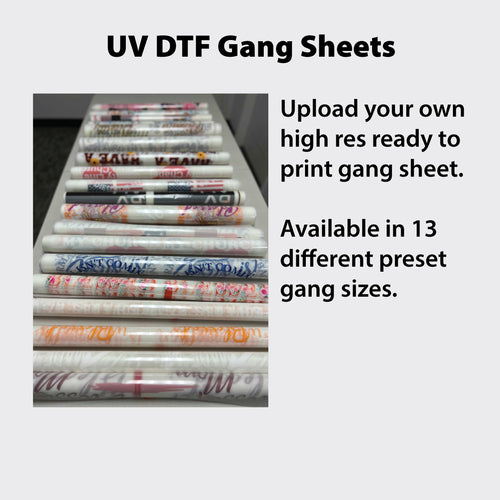
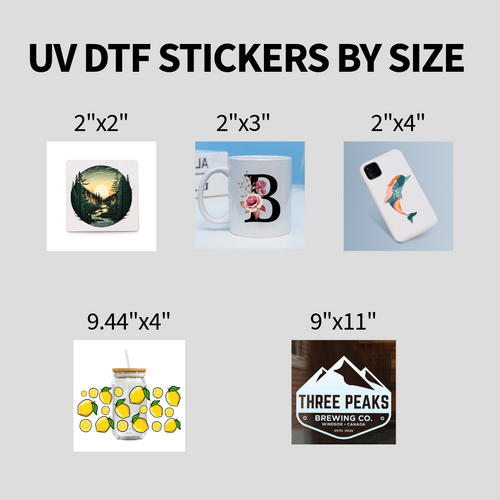



You've got a box of tumblers, acrylic awards, or branded mugs due for an event, and the deadline is close enough to make every search result look promising. You type “UV DTF printing near me”, scan the map, and find shops promising fast service, vibrant color, and durable transfers. The problem is that a nearby address doesn't prove the shop can print for your surface, meet your cutoff, or deliver a transfer that won't fail after application.
Near me should mean usable production, not geographic proximity. You need to locate a real provider, vet its process, prepare files correctly, and choose fulfillment that matches the deadline. The checklist below focuses on the decisions that prevent the most expensive local-order mistake, printing a beautiful transfer for the wrong substrate.
The Local Rush You Are Actually Trying to Solve
A small business owner may need a logo on a handful of stainless tumblers before a client meeting. An event organizer may need personalized glassware before guests arrive. A print shop may have accepted an order for acrylic awards but lacks the hard-surface equipment to complete it in-house. In each case, the buyer isn't really asking for the closest printer. They're asking, “Who can produce the right transfer, for this object, by this deadline?”
That distinction changes how you search. A map listing can tell you where a business claims to operate, but it usually won't tell you whether the work is printed and laminated in-house, whether one-off orders are accepted, or whether the shop has tested its film on your particular plastic, coating, or finish.
Practical rule: Take the item or an identical blank to the provider whenever possible. A confident shop will discuss the surface before taking payment.
Start with the substrate
UV DTF is designed for hard, relatively smooth surfaces, including glass, acrylic, metal, ceramic, wood, and plastic. It isn't the right answer for fabric. If the product is a T-shirt, hoodie, tote, or other textile, standard DTF is the relevant transfer process.
Even a rigid item can be a poor candidate. Textured finishes, oil, dust, porous material, silicone, untreated low-energy plastic, and incomplete cleaning can all interfere with adhesion. A rush provider who skips that conversation is giving you speed theater, not reliable production.
Use a four-part decision
Locate: Search Maps and ordinary search results, then confirm the exact pickup address and service area.
Vet: Ask about in-house printing, lamination, samples, testing, minimums, file deadlines, and rush charges.
Prepare: Send artwork in a format the shop can use, with transparent backgrounds, sensible margins, and clear cut-line expectations.
Fulfill: Choose pickup, expedited delivery, or standard shipping based on the job's urgency and quantity, not on panic.
Google-reported local-search figures indicate that 76% of people who search for something nearby visit a business within 24 hours, while 78% of location-based mobile searches result in an offline purchase, according to reported local-search figures. That makes first-pass vetting important. The closest result may be the wrong result.
What UV DTF Printing Actually Is
UV DTF is a peel-and-apply transfer process for hard goods. The artwork is printed in reverse onto an A film with UV-curable ink. A tacky B film is laminated over the printed design, creating a carrier that holds the cured graphic until you apply it to the target object without a heat press.
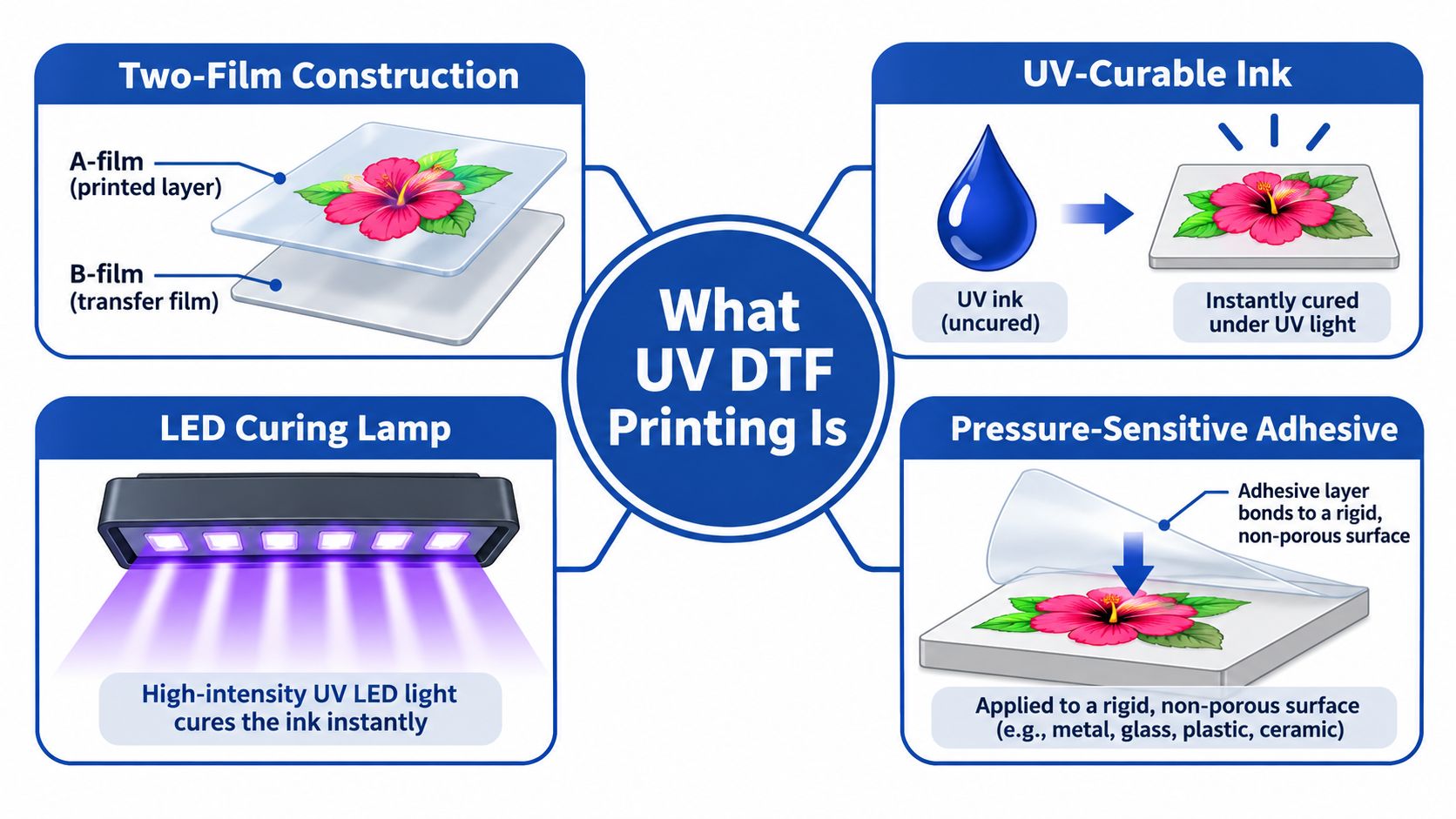
The printer uses ultraviolet energy to cure the ink, rather than waiting for solvent evaporation or extended air-drying. The construction generally combines color, white backing, varnish, and adhesive so the finished graphic can move from film to a rigid surface. This explanation of UV DTF shows the key difference from conventional heat-transfer workflows.
A film, B film, and pressure-sensitive adhesive
The A film receives the mirrored print. During production, UV LEDs cure the ink as the image is printed. The B film is then laminated over the design, forming the transfer carrier. When the transfer is positioned on a clean object, pressure activates the adhesive contact and the carrier film can be peeled away.
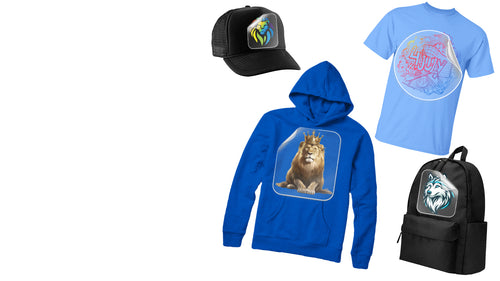
That's why UV DTF works well for tumblers, mugs, bottles, acrylic signs, glassware, awards, phone cases, and hard plastic products. It can decorate shapes and materials that aren't practical for direct apparel transfers or heat pressing.
The line between UV DTF and standard DTF
Standard DTF is built for fabric. It uses a printed film, adhesive powder, and a heat press to bond the design to apparel or other textiles. UV DTF uses UV-curable ink and a pressure-sensitive adhesive film, then applies cold by peeling and pressing.
This isn't a minor naming difference. If a shop says it offers DTF but can't explain its UV DTF film, curing, and lamination workflow, ask more questions before ordering. A regular apparel DTF transfer won't solve a hard-surface branding job, and a UV DTF transfer isn't a substitute for textile decoration.
Where UV DTF fails
Don't hand a provider a raw, oily, dusty, highly textured, or silicone-coated object and expect the transfer to rescue it. Low-surface-energy plastics may need dyne testing, surface treatment, or an adhesion promoter. Sealed and smooth surfaces are usually easier to evaluate than porous or heavily textured ones.
The simplest working definition is this: UV DTF is a cured, laminated adhesive graphic for a hard surface, not a universal sticker and not an apparel transfer.
Searching Locally Without Wasting the Day
Start with Google Maps, but don't stop at the first three listings. Search the exact service and the object you need, such as “UV DTF stickers” plus your city, “UV DTF tumblers” plus your area, or “same-day UV DTF” near the pickup location. Then try a service-specific variation such as “gang sheet builder” with the city name.
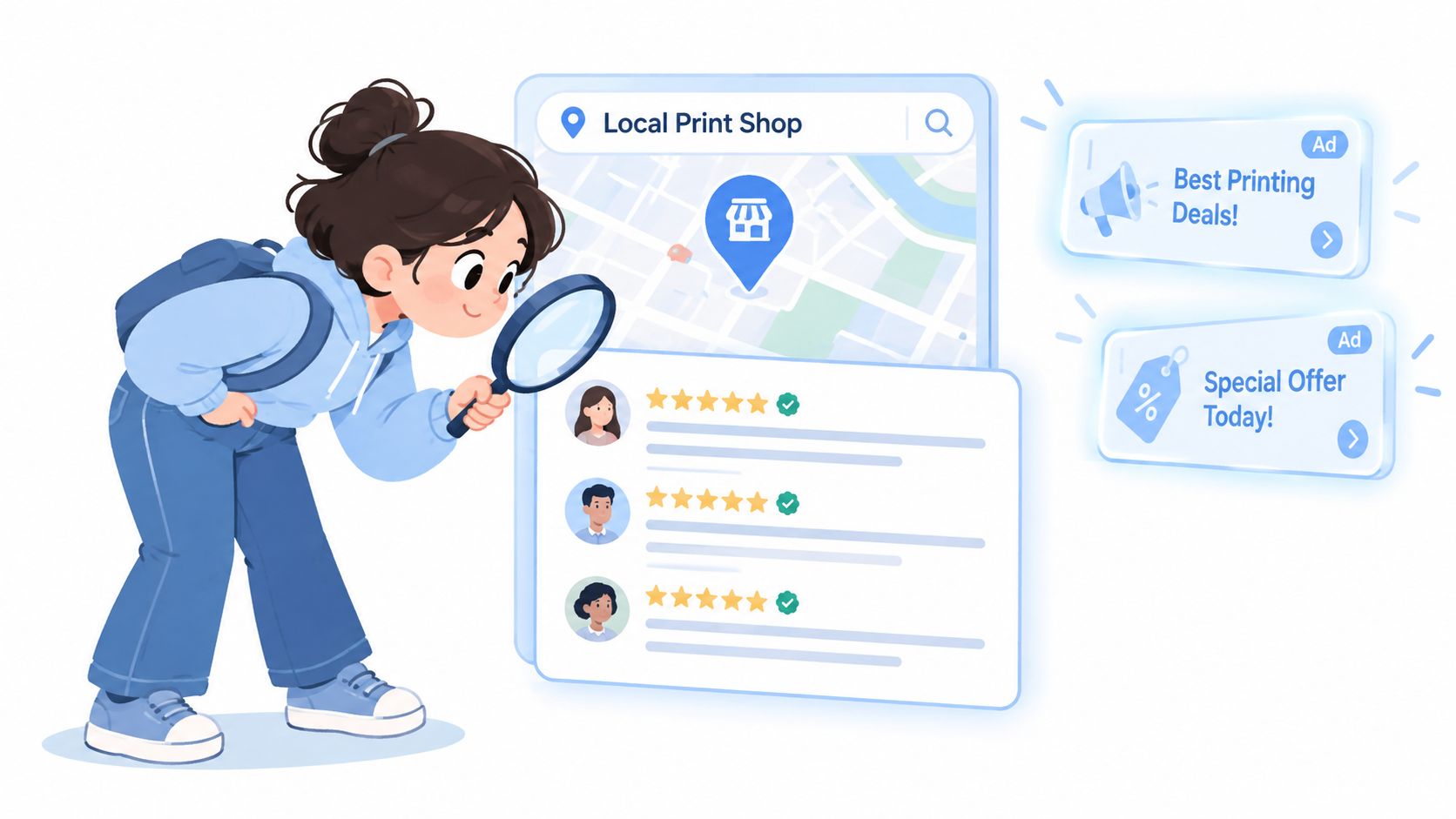
The point isn't to collect the largest list. It's to find evidence that a provider handles the work you need. Look for a real location, an actual pickup process, photographs of applied transfers, and language that distinguishes production time from shipping time.
Mine reviews for production clues
Generic praise such as “great service” tells you little. Read reviews for operational details:
- Substrate evidence: Do customers mention mugs, acrylic, glass, metal, or plastic?
- Order size: Do reviews describe one-off pieces, small batches, or only wholesale jobs?
- Color feedback: Are customers discussing clean details, accurate color, or unexpected shifts?
- Deadline performance: Do reviewers mention pickup timing or completed orders?
- Problem resolution: Does the shop respond when adhesion or file issues appear?
Then verify whether the business is a genuine local production shop or a regional broker using a nearby mailing address. A reseller may still deliver good work, but you need to know who controls printing, lamination, quality checks, and the deadline.
Watch this overview before you call a provider, especially if you're comparing UV DTF with other transfer types:
Confirm these details before driving over
Ask for direct answers to four questions:
- Is the UV printer in-house? If not, ask who produces the transfer and where.
- Can you laminate the transfer on-site? Printing alone isn't the complete UV DTF workflow.
- Can I see a hard-substrate sample? An apparel sample doesn't prove hard-surface performance.
- Will you test my substrate? A small test is more valuable than a broad claim that the film works on everything.
A local provider should also state its exact pickup address, production cutoff, minimum order, rush policy, and whether one-off items are accepted. This guide to local UV DTF transfers is useful as a comparison point because it frames local buying around fulfillment, not just search visibility.
The Vetting Checklist That Separates Real Shops from Resellers
The lowest quote is a weak buying signal. A shop that asks about your substrate, shows an applied sample, and explains what it can realistically guarantee is more useful than a reseller promising that every transfer is waterproof and permanent.
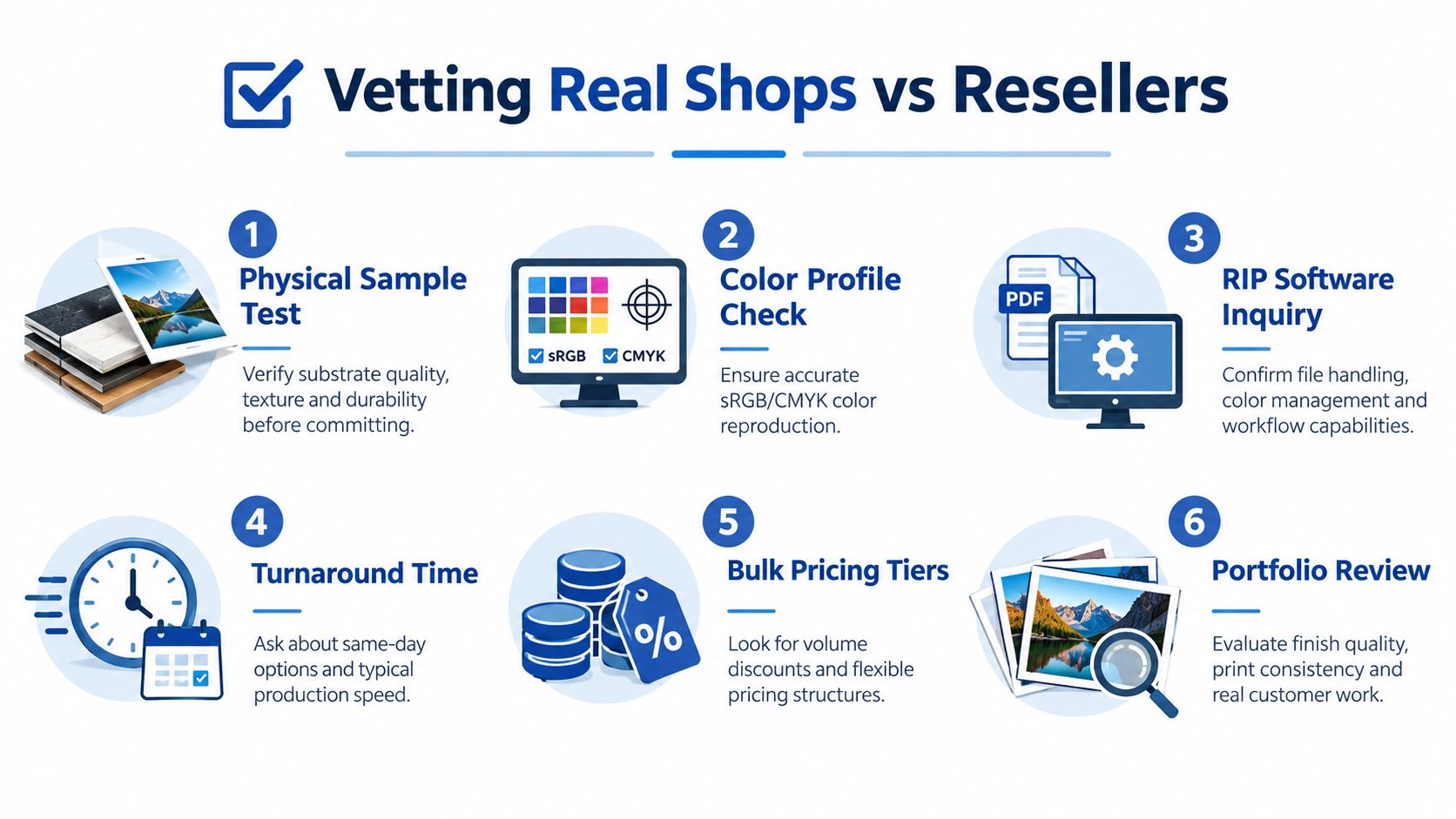
Use these questions in order. The answers will tell you whether the provider has a controlled process or is just repeating product descriptions.
Ask for a sample on the actual surface
A printed sample on a smooth acrylic sheet doesn't prove performance on a powder-coated tumbler, textured plastic case, or curved ceramic mug. Bring the exact item, or buy an identical blank, and ask whether the shop can apply a test graphic.
The sample should reveal more than color. Check edge lift, bubbles, trapped dust, film clarity, and how cleanly the carrier peels. If the provider refuses a basic compatibility conversation, move on.
Ask how color is controlled
Ask what color profile and RIP workflow the shop uses, and whether it can work from your supplied profile or reference. If your brand depends on a specific color, ask whether the provider can discuss Pantone matching rather than promising exactness without a target or proof.
You don't need a lecture on software. You need to know who handles file preparation, whether white ink is managed deliberately, and what happens when the artwork arrives in RGB but the output requires a different production interpretation.
Request an adhesion test
A controlled workflow includes cleaning the substrate, removing dust and static, allowing the printed film to stabilize, and applying firm, even pressure. Industry guidance recommends cleaning the rigid surface with isopropyl alcohol and stabilizing the printed film for roughly 1 to 2 minutes before application, as described in this UV DTF production protocol.
For production quality control, the same guidance recommends testing the first 10 sheets with an ASTM D3359 cross-hatch adhesion check and accepting no more than 5% coating-area loss. Those are process controls, not promises that every substrate will pass.
Replace “waterproof” with a use-case answer
Ask what the provider expects for your exact use: indoor signage, lightly handled acrylic, outdoor branding, hand-washed drinkware, or dishwasher exposure. A technical paper from the Society for Imaging Science and Technology reports outdoor durability of UV-curable images for up to two years, while emphasizing the effects of substrate, laminate, sunlight, abrasion, and cleaning chemicals in its technical paper.
That doesn't make two years a universal warranty. A shop should explain care requirements and exclusions, especially for drinkware. Hand washing is a more sensible expectation than assuming repeated high-heat dishwasher cycles won't affect the adhesive.
Lock down deadline and file responsibility
Get the production cutoff, rush fee, minimum order, pickup window, and file-review deadline in writing. Ask who fixes missing bleed, low-resolution artwork, incorrect dimensions, and absent cut lines.
A real shop can tell you exactly what it needs. A reseller often gives a vague “send the file and we'll see” answer because someone else controls the production floor. This service-vetting resource can help you compare those operational questions before committing.
Preparing Files and Building Your Gang Sheet
Most local delays start before the printer sees the file. Send a PNG with a transparent background, use a high-resolution export suitable for the final size, and tell the shop whether your source is in sRGB or CMYK. Keep critical details away from the edge and provide a separate spot or cut line when the provider requires one.
Don't assume the shop will infer the intended size from a logo file. State the finished width or height, identify the top of the design, and mention whether the transfer will be applied to a curved object. A graphic that looks correct on screen can become difficult to apply when it includes thin strokes, tiny text, or edge-sensitive details.
Choose the ordering method deliberately
You have three practical options:
- Order by finished size: Best when you have one design and a clear application dimension.
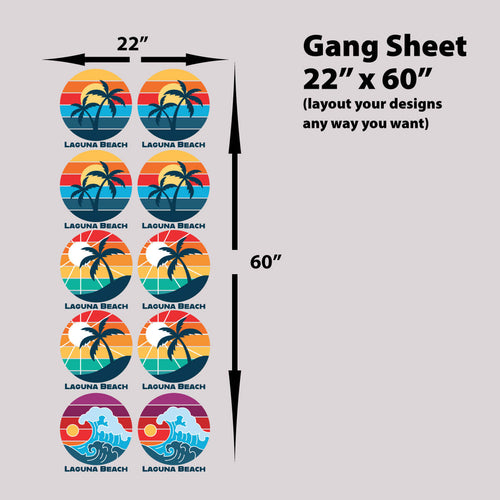
- Upload a custom gang sheet: Useful when you already know the layout and want control over spacing.
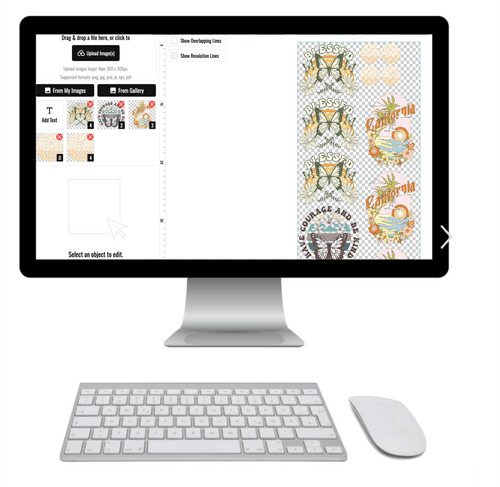
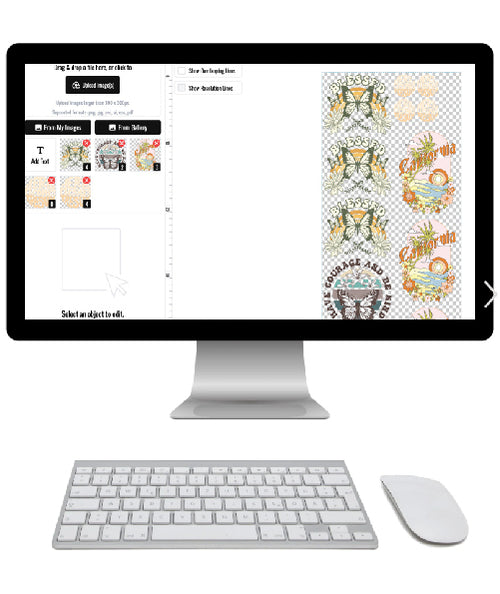
- Use the Auto-build gang sheet builder: Useful when you have multiple uploads and want the layout arranged without manually nesting every design.
The Auto-build gang sheet builder matters because it removes repetitive layout work and can make a short run more cost-effective by fitting multiple designs onto one sheet. It also gives you a cleaner way to prepare a mixed order of logos, names, labels, and small graphics without asking a rushed operator to rebuild the sheet from scratch.
Give the shop a production-ready handoff
Before approval, confirm the sheet dimensions, artwork orientation, spacing, white-layer expectations, and cut-line handling. Ask for a proof if the order contains small text, gradients, or a color-critical brand mark.
The production sequence still matters after file upload. Industry guidance describes printing mirrored artwork onto PET film, laminating a clear pressure-sensitive adhesive layer, and curing with LED-UV exposure before stabilizing the film for application. If the shop can't explain how it controls those stages, file preparation won't save the order.
Pickup, Local Delivery, and Rush Shipping Compared
Local fulfillment has three useful lanes. Same-day pickup suits a one-off mug, an urgent prototype, or an event sample. Faster shipping works when you aren't within driving distance but still need production prioritized. Standard ground is usually the calmer choice for gang sheets and non-urgent orders.
The fastest option isn't automatically the best option. A single transfer may justify pickup, while a larger sheet can be cheaper and safer when packed for shipment rather than rushed into a handoff.
| Option | Best for | Typical lead time | Main trade-off |
|---|---|---|---|
| Same-day pickup | One-offs, prototypes, urgent event items | Same day when the shop confirms capacity | Fastest access, but availability, minimums, and rush fees can vary |
| 24-hour printing with expedited shipping | Buyers outside the local driving range | Production in 24 hours, then carrier transit | Faster than standard service, but shipping adds cost and handling risk |
| Standard ground shipping | Gang sheets, repeat orders, and non-urgent work | Standard production plus carrier transit | Usually easier to plan, but it doesn't solve a last-minute deadline |
Ask whether “same day” means printed the same day or merely ready for pickup after another production step. Also ask when the clock starts. A file submitted after the review cutoff may move to the next production cycle even if the listing says the provider offers rush service.
Curing is another reason not to confuse printing speed with readiness. A commonly recommended UV curing window is approximately 10 to 30 seconds, with even exposure and a tackiness check before handling, according to technical UV DTF curing guidance. The exact setting depends on the ink, lamp power, film, and printer configuration, so the operator should follow equipment specifications rather than treating that window as universal.
For fulfillment, Lion DTF Transfers lists 24-hour printing, same-day pickup, and next-day air options for customers matching the service requirements. Use the lane that fits the job. Don't pay a rush premium for a sheet you could have ordered with ordinary production and planned shipping.
Your Local UV DTF Ordering Playbook
Search by service and city, not just by map distance. Confirm the provider has in-house UV printing, lamination, hard-surface samples, and a willingness to test your exact substrate. Ask about color handling, adhesion, care expectations, minimums, file deadlines, and pickup timing before you pay.
Prepare the artwork clearly, then use the Auto-build gang sheet builder when multiple designs need efficient nesting. Choose same-day pickup for an urgent one-off, expedited production and shipping when distance is the problem, or standard ground when timing allows. Inspect the first transfer on a test piece before scaling the order.
Remember the filter: UV DTF belongs on hard surfaces. Standard DTF belongs on textiles. “Near me” is a quality-and-fit decision, not a pin on a map.
Lion DTF Transfers offers UV DTF sticker printing, custom gang sheets, 24-hour printing, same-day pickup, and next-day air options for buyers who need a practical fulfillment route. Use the Lion DTF Transfers Auto-build gang sheet builder to arrange multiple designs efficiently, then confirm your substrate and deadline before ordering.