


More than 7.2 billion DTF prints were produced worldwide in 2024, according to World Textile Information Network's market review. That volume changes how print professionals should think about lion transfers. Direct-to-film is no longer just a convenient method for hobby shirts. It's a serious production process competing with screen printing and direct-to-garment printing, with durability, substrate control, and workflow efficiency determining whether a shop makes money or loses time.
For buyers, the important questions are practical. Will the transfer bond properly to this fabric? Were the powder and adhesive cured correctly? Can the design survive laundering under documented test conditions? And can a mixed order be laid out efficiently enough to keep film waste and handling costs under control?
The Global Shift to Direct-to-Film Printing
Approximately 184 million square meters of printed DTF film were used in 2024, and projected equipment capacity rises above 10.1 billion prints by 2030. Those figures matter because they point to industrial-scale throughput, not a side lane for novelty apparel.
That scale changes shop decisions. DTF is now part of the regular production mix for decorators that need short runs, frequent art changes, and full-color output without screen setup on every order. In practice, the gain is not just versatility. It is the ability to keep presses busy, batch mixed jobs on gang sheets, and turn small or varied orders into work that still pays.
Why the economics have changed
Grand View Research values the global DTF printing market at approximately USD 2.7 billion in 2024 and projects USD 3.9 billion by 2030, representing an estimated 6.0% compound annual growth rate from 2025 through 2030. Another assessment places the 2024 market at USD 2.72 billion and projects USD 5.18 billion by 2035, with an estimated 6.03% CAGR from 2025 through 2035.
Different reports use different scopes, so the totals do not match exactly. The direction does. DTF sits inside a growing commercial supply chain built around better printheads, steadier white-ink circulation, more consistent adhesive powders, curing equipment, and color-control software. For production managers, that means fewer workarounds than the category had a few years ago.
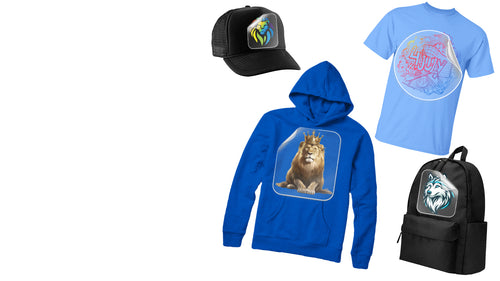
The commercial case is straightforward. Shops can decorate cotton, polyester, blends, sportswear, hoodies, and accessories with one transfer workflow, then adjust press settings by fabric instead of changing the whole print method. That matters on real orders, where margin often depends on reducing setup time, limiting film waste, and fitting many small graphics onto one sheet.
If you are comparing methods and want a clear breakdown of how DTF printing works, focus on where the labor sits. DTF shifts a lot of complexity upstream into print, powder, curing, and layout. Lion DTF Transfers fits that model by supplying ready-to-press transfers and gang sheets for shops and makers who need repeatable output without running the full print-and-cure line in house.
How DTF Technology and Gang Sheets Work
A DTF transfer is a layered product. The artwork is printed in reverse onto PET film using CMYK and white inks. Thermoplastic polyurethane, or TPU adhesive powder, is applied to the wet ink, then heat-cured so it can later melt and bond the image to textile fibers during pressing.
What each layer does
The reverse print matters because the image is flipped when transferred to the garment. White ink provides opacity, especially on dark garments, while the adhesive layer creates the bond that ink alone can't provide. If powder coverage is uneven or curing is incomplete, the final problem may look like a printing defect, but the failure often starts in the adhesive layer.
The film carries the design through production and pressing. Once the transfer is applied, the carrier film is peeled away, leaving the printed and bonded image on the garment. The result supports detailed, multicolor graphics without weeding each individual shape as you would with heat-transfer vinyl.
Practical rule: Treat the powder and curing stage as part of the print, not as a separate afterthought. The image may look correct before application and still fail if the adhesive network isn't properly formed.
Why gang sheets improve the workflow
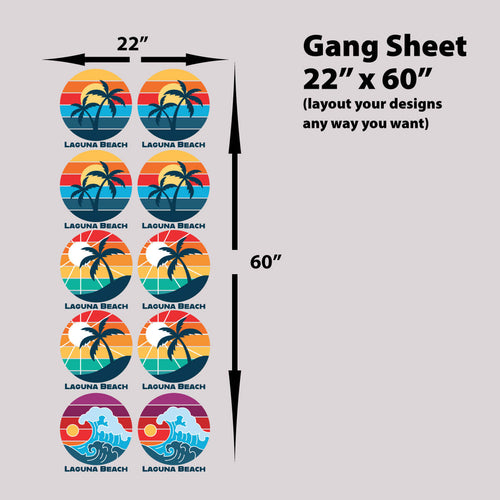
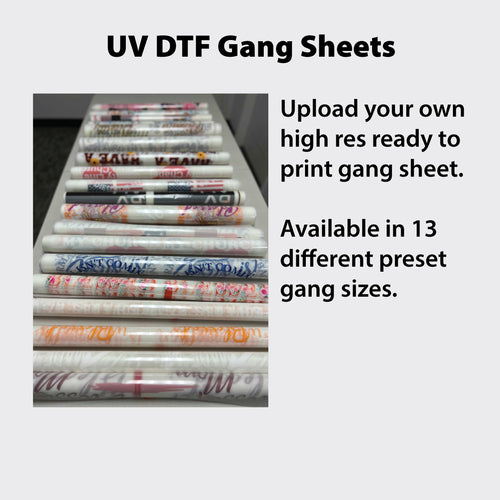
A gang sheet places multiple designs on one printable film sheet. That's useful when an order contains several logos, sizes, names, or unrelated graphics. Instead of buying and handling each design separately, the shop uses available film for a mixed batch.
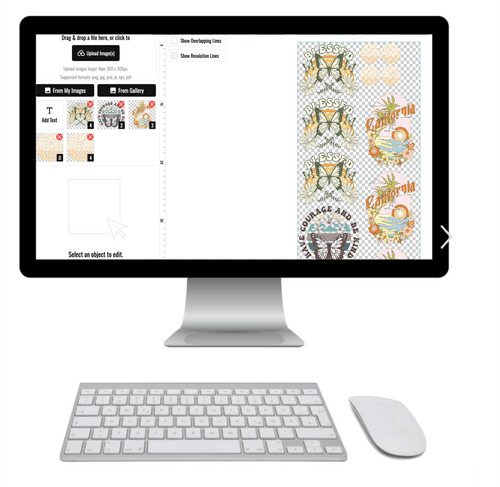
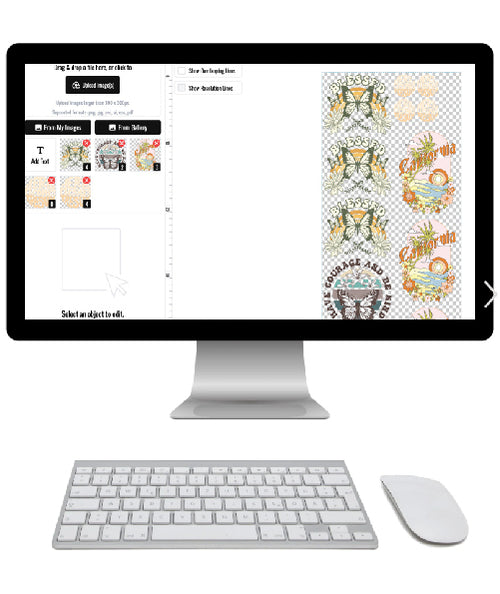
The Lion DTF Auto-build gang sheet builder automatically packs multiple designs onto a printable sheet. It removes tedious manual arrangement, helps reduce unused film, and makes mixed orders easier to prepare. For test runs, event merchandise, or a collection of small chest logos, automated packing can lower the effective cost per design because more artwork occupies the same production sheet.
The builder is especially useful when a designer doesn't have software for nesting artwork. It also reduces a common production mistake, placing designs too close together or leaving large unusable gaps. For ease of use and cost effectiveness, automated gang-sheet layout is one of the simplest workflow improvements a small shop can adopt.
For a deeper look at the ordering model, see DTF gang sheets and mixed-layout ordering.
Understanding Wash Durability and Adhesive Fusion
A generic claim such as “100 washes” doesn't tell a buyer enough. Wash durability depends on the garment fiber, detergent, wash temperature, drying method, stretching, abrasion, curing, and the definition of failure. A supplier may count fading, cracking, peeling, edge lift, or changes in hand-feel differently.
The adhesive is the critical mechanism. TPU powder must melt sufficiently during curing to form a continuous adhesive network. Under-curing leaves incomplete bonding, which can lead to edge lift, cracking, or peeling during laundering. Over-curing can make the print stiff and brittle, reducing flexibility even when the design remains attached.
Published DTF production guidance places cotton commonly around 160–165°C for approximately 15 seconds, while polyester generally requires around 140–150°C to reduce fabric damage and dye migration. The garment should rest before its first wash so the bond can stabilize.
What meaningful testing looks like
Independent textile evidence supports standardized testing rather than visual inspection alone. A peer-reviewed study reported that DTF-printed cotton and polyester retained complete QR-code scannability after five wash cycles and achieved Grade 4–5 color-fastness results under its test conditions. The same study found DTF clearer and more durable than screen printing in those tests. Covestro's technical evidence also describes polyurethane-based digital textile systems showing minor color-intensity changes after five washes at 60°C, alongside crock-fastness and abrasion evaluation.
A wash count is only useful when the test conditions travel with it.
For shop quality assurance, record the fabric composition, press settings, detergent, wash temperature, drying method, cycle count, and pass or fail criteria. Test cotton and polyester separately. A transfer that performs well on a cotton T-shirt isn't automatically validated for a stretchy polyester uniform.
Read how long DTF transfers last with those variables in mind. Durability is a production result, not a permanent characteristic of the acronym DTF.
Pressing Guidelines for Different Fabric Types
Press settings should follow the garment, not the transfer seller's general recommendation. Cotton can usually tolerate more heat, while polyester and performance fabrics need a lower setting to reduce scorching and dye migration. Pressure and dwell time matter just as much as temperature because the adhesive must contact the textile consistently.
For cotton, start around 160–165°C for 15 seconds with medium-to-firm pressure. For polyester, use approximately 140–150°C, also for about 15 seconds, while checking the blank manufacturer's limits and watching for dye migration. These ranges come from technical DTF process guidance, but every press and garment combination still needs a sample test.
Recommended Heat Press Settings by Fabric
| Fabric Type | Temperature | Time | Pressure |
|---|---|---|---|
| Cotton | 160–165°C | Approximately 15 seconds | Medium to firm |
| Polyester | 140–150°C | Approximately 15 seconds | Medium to firm |
| Blends and performance wear | Start with the lower polyester range and test | Approximately 15 seconds | Medium to firm |
A hot-peel transfer should be peeled according to its specified process. Pulling the film too early, lifting at a sharp angle, or failing to maintain pressure can disturb the bond. If an edge lifts during peeling, stop and repress rather than continuing to remove the carrier.
Fabric-specific checks
- Cotton: Higher heat is generally suitable, but textured or heavily treated garments still need a test press.
- Polyester: Lower heat helps limit scorching and dye migration. Dark polyester deserves particular caution because migrating dye can alter the transfer color.
- Blends: Fiber ratios change the way heat, stretch, and adhesive interact. Test the actual blank rather than relying on the label alone.
- Stretch garments: Use firm, even pressure and inspect the design after stretching. Cracking can reveal an application problem before the first wash.
Pressing should be consistent enough that another operator can reproduce it. Record temperature, dwell time, pressure, peel timing, and garment type for repeat orders.
Ordering Workflows and Production Support
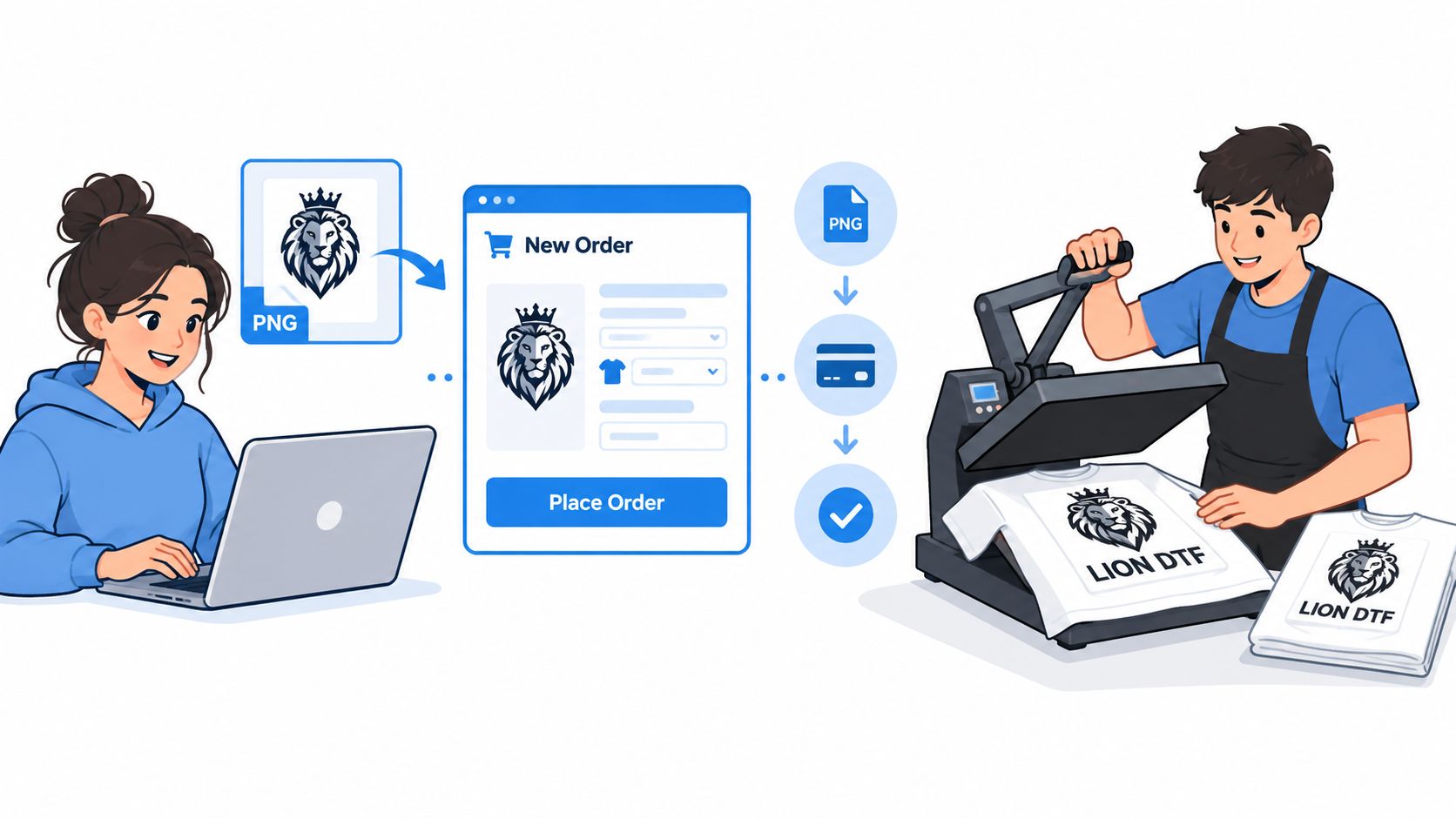
A reliable order starts with the artwork and ends with a documented application process. A small shop might upload a print-ready logo, choose the required transfer size, and order a gang sheet containing several related marks. A new crafter may choose a ready-to-press design, while a promotional agency may need repeated logos for a deadline-driven apparel run.
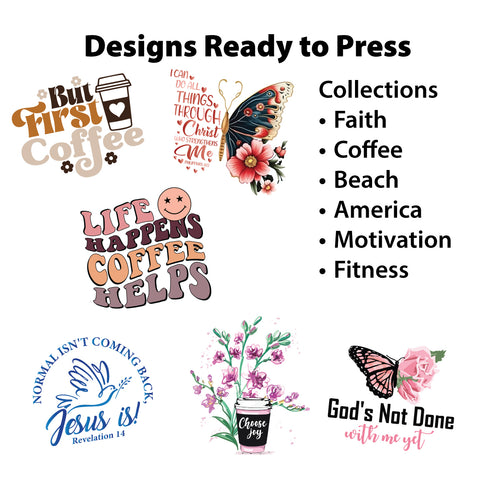
Lion DTF Transfers offers custom uploads, size-based DTF ordering, ready-to-press collections, and gang-sheet ordering. The collections include themes such as America, faith, coffee, and seasonal holidays. Customers who don't have design software can use the “We Build a Gang Sheet for You” service, while logo vectorization and shirt-design support help clean up artwork before production.
Choosing the right order path
Custom gang sheets suit mixed batches where several designs need to share film. Upload transparent, print-ready artwork and arrange the sheet through the Auto-build tool when possible.
By-size transfers work well when one design has a known placement, such as a full-front graphic or a chest logo. This approach keeps sizing straightforward across a repeat order.
Ready-to-press collections help when speed matters more than custom artwork. They're useful for seasonal drops, event apparel, and designs selected from an existing theme.
A print shop should also check the blank garments before ordering a large run. Confirm the fiber content, color, surface texture, and stretch. The transfer may be correct while the blank creates the actual production risk.
Deadlines and support
The publisher describes 24-hour printing, 1–2 business day shipping, same-day pickup, and next-day air options. Those services can help a shop respond to urgent orders, but shipping speed doesn't replace artwork approval or press testing. Build time for file review, blank inspection, and a sample application when the garment or design is unfamiliar.
Support is available through call, text, email, and website chat. That matters when an operator needs clarification about peeling, application, artwork, or a replacement workflow rather than guessing at the press.
Frequently Asked Questions About Lion DTF
What file preparation does DTF require?
Use a high-resolution file with a transparent background when the design should have no rectangular box around it. Vector artwork is useful for logos because it scales cleanly, while a properly prepared raster file can work well for detailed graphics. Check the artwork at its final intended size before uploading, since enlarging a small image can reveal soft edges or missing detail.
Do DTF transfers require weeding?
No. DTF doesn't require the individual weeding process used for HTV. The artwork is printed on PET film, coated with adhesive, cured, and transferred as a complete design. You still need accurate placement, correct heat, even pressure, and proper peel timing.
Can DTF transfers go on every fabric?
No transfer should be treated as universal. Cotton, polyester, blends, performance garments, dark colors, and stretchy fabrics respond differently to heat and adhesive. Test the actual garment, especially when dye migration, surface treatment, or elasticity could affect the result.
Are DTF transfers the same as UV DTF stickers?
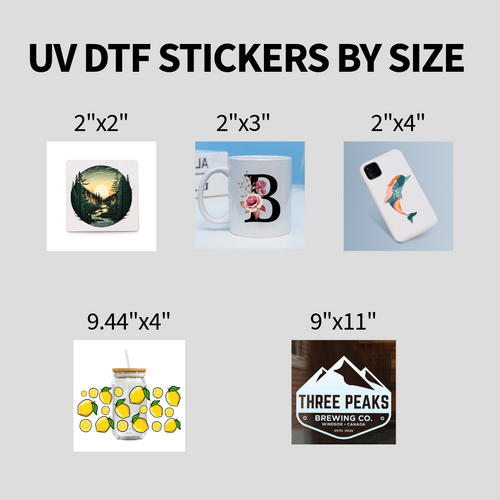
No. DTF transfers are designed for textile application with a heat press. UV DTF stickers are intended for hard goods and use a different construction and application method. Choose the product based on the surface, not on the shared acronym.
What should I do if the transfer lifts?
Stop the production run and check temperature, pressure, dwell time, peel timing, and powder fusion. Repress a test garment using controlled settings, then inspect the edge after cooling. If the issue persists, contact support through call, text, email, or website chat with the garment details and recorded press settings.
Lion DTF Transfers offers custom DTF transfers, gang sheets, ready-to-press designs, and UV DTF stickers, with workflow support for both new makers and established print shops.
Order custom transfers, use the Auto-build gang sheet builder to pack mixed designs efficiently, and validate your press settings on the actual garment before scaling production. Visit Lion DTF Transfers to upload artwork, choose a gang sheet or transfer size, and select the production support that fits your next order.