



DTF transfers usually last about 50 to 100+ washes when they're made with good materials and applied correctly. That range depends less on the film alone and more on the quality of the ink and adhesive, the precision of the press, and how the garment is washed and dried afterward.
That's the part most buyers are really trying to figure out. You're not asking for a vague promise. You're asking whether the logo on a team hoodie, a brand launch tee, or a run of event shirts is still going to look good after real wear, real laundry, and real handling.
I hear that concern all the time in print shops. Someone orders custom apparel, loves how it looks fresh off the press, then immediately asks the question that matters more than color on day one. Will it crack? Will it peel? Will it fade after a few wash cycles and make the whole order feel cheap?
That's exactly why DTF has become such a practical decoration method. It gives you strong color, works across a wide range of fabrics, and can hold up very well in daily use. But durability isn't automatic. A transfer can be technically “DTF” and still fail early if the powder, ink, curing, or pressing are off.
The Question Every Creator Asks About Custom Apparel
A customer orders shirts for a school fundraiser. A small brand prints its first merch drop. A local contractor needs work shirts that still look presentable after repeat washing. Different jobs, same question: how long do DTF transfers last once the shirts start getting worn like normal clothes?
That question matters because custom apparel gets judged twice. The first test is how it looks out of the box. The second test is what it looks like after laundry day. The tactile quality of a print is rarely the source of complaint. Rather, issues arise when edges lift, when a design starts to split, or when the graphic loses its clean look too early.
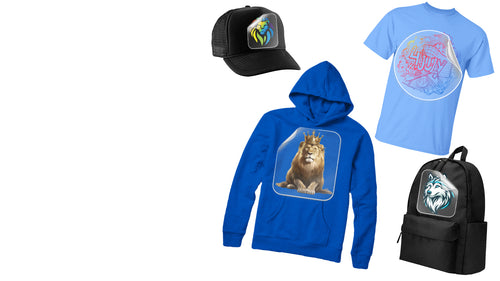
DTF was built for this kind of real-world use. It isn't just about putting color onto fabric. It's about creating a flexible printed layer that bonds well enough to survive wear, movement, and washing when the transfer is produced and pressed properly.
A good DTF print doesn't earn trust on press day. It earns trust after repeated wear.
Why the simple answer isn't enough
A lot of content stops at a wash-count estimate. That helps, but it misses what determines whether your shirts perform well. Two transfers can start with a similar appearance and end up with very different outcomes based on how they were made and applied.
The useful way to think about DTF durability is this:
- Material quality matters first: Better ink, powder, and film usually create a stronger, more flexible finished print.
- Application decides whether that potential is realized: A weak press can ruin a solid transfer.
- Garment care changes the long game: Heat, friction, and aggressive laundry shorten lifespan faster than commonly expected.
For shops, creators, and resellers, there's another concern that gets overlooked. It's not just wear after pressing. It's also how long unused transfers stay reliable before you ever press them onto a garment. That matters if you stock seasonal designs, school logos, or repeat customer artwork.
The Real Answer on DTF Transfer Durability
A customer orders staff shirts for a restaurant opening. The prints look sharp on day one, then six weeks later the back logos on the dishwasher shirts start lifting at the edges while the host stand shirts still look fine. That kind of split result is why a single wash-count answer only gets you part of the way.
Most DTF transfers hold up well through regular wear and repeated laundering when the transfer is made well, pressed correctly, and cared for like printed apparel instead of shop rags. In practice, many sellers quote a broad range because durability changes with the garment, the press job, and the laundry routine. The useful answer is not just how many washes a transfer can survive. It is what has to go right for it to reach the high end of that range.

Shops quote different numbers for a reason. Some are describing average household use with mixed wash habits. Others are describing transfer performance under cleaner conditions, with correct press temperature, firm pressure, full cure, and lower-heat laundering. Those are not the same situation.
What usually fails first
In a print shop, early failure usually comes back to bond strength and post-press abuse. The DTF layer itself can stay flexible for a long time. Problems usually start when adhesive coverage is weak, the powder is under-cured, the press setup is off, or the finished shirt gets hammered by heat and friction.
Three patterns show up again and again:
- Gentle use lasts longer: Casual tees washed cold and dried low usually keep their print quality longer.
- Aggressive laundry shortens life: Hot washes, heavy detergents, and high dryer heat can speed up edge lift, surface cracking, and color wear.
- Hard-use garments age faster: Work shirts, gym wear, and frequently stretched prints take more abuse than event merch or light-use retail apparel.
If a print fails early, check the press notes and the wash routine first.
How to read wash-count claims correctly
A wash claim is a performance target, not a blanket promise for every shirt in every closet. A small left-chest print on a cotton tee has an easier life than a full-front design on a fleece hoodie that gets dried hot every week.
There is another durability question businesses should pay attention to before a transfer ever hits the press. Shelf life matters. If a shop stocks gang sheets for seasonal launches, school programs, or repeat client artwork, storage conditions affect how reliably those transfers apply later. Heat, humidity, and poor packaging can reduce consistency before the garment is even printed.
That is the practical answer. DTF can last a long time, including well past the basic numbers people repeat, but only when you treat durability as a production system and not a marketing label.
What Determines DTF Durability a Breakdown
A durable DTF print works like a good recipe. You can't fix bad ingredients with better cooking, and you can't save good ingredients with sloppy execution. Four parts do the heavy lifting: ink, adhesive powder, film, and press application.

If you want a material-level view, what DTF transfers are made of is a useful reference because it shows why these components have to work together rather than independently.
Ink quality and film grade
The ink layer has to do two jobs at once. It needs to carry color well, and it has to remain flexible enough to move with the fabric instead of becoming brittle after wear and wash.
Film matters too, even though it doesn't stay on the garment. A poor film can release inconsistently or create transfer issues that show up later as weak edges, uneven adhesion, or poor detail hold. In shop practice, film quality often reveals itself not in dramatic failure on day one, but in whether the transfer applies cleanly and predictably across a run.
Here's the practical takeaway:
- Good ink supports flexibility: That helps the finished print bend with the garment.
- Consistent film release supports clean transfer: That reduces weak spots during application.
- Cheap materials often feel stiff early: Stiff prints tend to age worse under movement and abrasion.
Adhesive powder and press application
The adhesive powder is where a lot of durability is won or lost. If it melts and bonds consistently, the transfer has a better foundation. If the powder quality is uneven, or the cure is off, the print may still look acceptable at first and then fail under washing stress.
Pressing is the final checkpoint. Even strong materials can underperform when temperature, pressure, or dwell time are inconsistent. Shops see this all the time. The transfer looked fine on the platen. The problem shows up later because the bond was never fully established.
A few failure patterns are common:
- Too little pressure: Edges don't anchor well.
- Uneven heat: Some parts of the print bond better than others.
- Rushed workflow: Peeling or handling too soon can weaken consistency across the design.
The press doesn't just apply the transfer. It decides whether the adhesive fully becomes part of the garment.
Shelf life before pressing is a different issue
A lot of buyers mix up wear life and storage life, but they're not the same thing. InkTec Europe notes that properly stored DTF transfers can remain usable for 6+ months when environmental conditions are controlled, and that heat, humidity, and light exposure can degrade the adhesive powder over time. Their explanation of DTF shelf life versus post-press durability is worth reading if you keep inventory on hand.
That distinction matters for shops and resellers. Shelf life is mainly about storage stability. Post-press life is about wash and abrasion resistance. Those are two different technical limits, and they should be managed differently.
DTF Durability Compared to Other Print Methods
DTF isn't the only way to decorate apparel, and durability decisions make more sense when you compare methods by use case instead of hype. Shops usually choose between DTF, screen print, HTV, and DTG based on the garment, artwork, order size, and expected wear.
The biggest mistake is treating one method as universally superior. A smarter approach is to match the method to the job. If you want a broader comparison of digital garment decoration, DTF vs. DTG printing gives useful context.
DTF vs. other printing methods
| Method | Wash Durability | Feel / Hand | Color & Detail | Fabric Versatility |
|---|---|---|---|---|
| DTF | Strong when pressed and cared for properly | Usually smooth with a printed layer feel | Handles vivid color and detailed artwork well | Works across many common garment types |
| Screen Print | Often favored for straightforward high-volume jobs | Can feel very soft or more ink-heavy depending on ink and coverage | Excellent for simpler spot-color style work | Best when the garment and artwork suit the setup |
| HTV | Can perform well, but edge issues can show on some designs | More noticeable layer on garment | Good for simpler graphics and names/numbers | Useful on many garments, but design complexity can be limiting |
| DTG | Can look great, but results depend heavily on garment and process control | Often soft in the fabric | Strong for photographic or blended-color artwork | Most comfortable on garments that fit the process well |
What DTF does especially well
DTF sits in a practical middle ground. It handles detailed, colorful graphics while also working on a broad range of fabrics that would complicate other methods. That combination is why many shops use it for mixed-order environments, smaller custom runs, and designs that need flexibility without screen setup.
The trade-off is that DTF still demands process discipline. You don't get durability just because you chose the method. You get durability when the transfer is made well, pressed well, and matched to realistic use.
If you need one decoration method to cover varied garments and varied artwork, DTF often makes the most operational sense.
How to Maximize the Lifespan of Your DTF Prints
A shirt can leave the shop looking perfect and still come back worn out early if the handoff is sloppy. I see that happen in two places more than anywhere else. Poor pressing in production, and rough wash habits after delivery.
If the transfer was built with good film, ink, and powder, lifespan comes down to process control. Press time, temperature, pressure, garment prep, and post-press handling all affect whether a print holds up like a work shirt or starts failing like a promo tee. Shops that want repeatable results should first lock down their heat press settings for DTF, then give customers care instructions they can follow.
One more point gets missed by a lot of businesses. Unpressed transfers have a shelf life too. If you print transfers ahead for events, gang sheets, or customer reorders, store them flat, dry, and away from heat and humidity. Inventory that sits too long or is stored badly can cost you durability before the design ever touches a garment.

Care habits that help
These are the habits that give a solid transfer its best chance to reach the kind of wash count suppliers talk about in testing.
- Wait before the first wash: Let the print fully cool and rest after pressing before it goes into regular wear and washing.
- Wash inside out: Friction is one of the main sources of surface wear, especially in mixed loads with heavy garments.
- Use cold or cool water: Hot water puts more stress on the adhesive and printed layer over time.
- Choose mild detergent: Strong cleaners are harder on decorated apparel, especially with frequent washing.
- Dry on low heat or air dry: Dryer heat is one of the fastest ways to shorten print life.
- Keep irons off the print surface: If the garment needs ironing, work around the design or use a cover sheet.
Care instructions matter, but they do not rescue bad production. A well-cured transfer pressed onto a pre-pressed garment will usually outlast a poorly bonded transfer that gets perfect laundry treatment.
A quick visual can help if you train staff or customers on aftercare.
What doesn't work
Hard use adds up fast. Repeated hot washes, high dryer heat, overpacked loads, bleach, and direct ironing all stress the same bond line again and again.
Large chest prints and full-front designs show this abuse sooner because they take more friction in the wash and more flex during wear. Athletic garments add another trade-off. Stretch, sweat, and frequent laundering will expose weak curing or weak adhesion faster than casual use.
For shops, the practical fix is simple. Press consistently, store transfers correctly before use, and send every order out with clear care guidance. That is how you get closer to the durability claims seen in wash tests, instead of treating those numbers like an automatic guarantee.
Troubleshooting Common Durability Issues
When a DTF print fails, the visible problem usually falls into one of three buckets: peeling, cracking, or fading. The trick is not just identifying the symptom. It's tracing it back to the stage where the problem started.

Peeling at the edges
Peeling usually points to a bonding issue. That can come from insufficient pressure, uneven heat, poor curing, or pressing onto a garment surface that didn't allow a clean bond.
Common fixes include:
- Check press consistency: Pressure and contact need to be even across the design.
- Pre-press the garment: Moisture and wrinkles can interfere with adhesion.
- Use a flat pressing area: Seams, zippers, and uneven surfaces can leave weak spots.
If the transfer peels early, don't jump straight to blaming wash care. Edge lift often starts on press day.
Cracking through the design
Cracking often shows up where the print is stressed most. Large solid areas, stretch zones, and brittle-feeling transfers tend to reveal this first. In practice, cracking usually connects back to either material flexibility or over-stressed laundering and wear.
Look at these causes:
- Stiff or overbuilt transfer feel: Less flexibility means more stress under movement.
- Garment stretch: Prints over high-movement zones can age faster.
- Heat abuse after pressing: Repeated dryer heat can speed micro-cracking.
If a transfer feels overly rigid once cooled, treat that as a warning sign rather than a cosmetic quirk.
Fading or dull color
Fading is usually more gradual. It can come from harsh detergents, high wash temperatures, abrasion, or repeated drying heat. It may also be amplified on garments that see heavier use than a basic fashion tee.
The practical response is straightforward:
- Reduce wash severity: Cooler water and gentler cycles help.
- Cut down dryer heat: Heat is a common accelerator of wear.
- Match expectations to use case: Workwear and sports apparel usually age harder than lightly worn merch.
Most “DTF durability problems” aren't random. They map back to a controllable point in the workflow or a care habit that keeps repeating.
Recommendations for Durable Prints Every Time
A shop usually learns the durability lesson in one expensive week. A batch looks fine on press day, then a few customer complaints come back from different jobs. One peels at the edge, one dulls too fast, one cracks in a high-stretch area. The common thread is usually not the print method itself. It is inconsistency in the process.
If the goal is durable prints every time, treat DTF like a controlled production workflow. Price matters, but price per sheet is only one part of the result. Artwork, film and adhesive consistency, press settings, garment choice, storage, and wash care all affect how long the print holds up in real use.
For shops that hold transfers before pressing, pre-press shelf life matters more than many buyers realize. Stored flat, sealed, cool, and dry, unused transfers can stay usable for a long time, as noted earlier. That makes DTF a practical fit for schools, team stores, seasonal drops, and repeat-order businesses that want to press as orders come in instead of tying up cash in finished inventory.
A practical buying approach
Reliable production usually comes from a few habits that stay boring and repeatable:
- Buy for consistency, not just cost: A slightly cheaper transfer is expensive if it creates reprints.
- Order only what you can store correctly: Heat, humidity, and light can reduce reliability before the transfer ever hits the garment.
- Standardize one press recipe: Time, temperature, pressure, and peel method should not change from operator to operator without a reason.
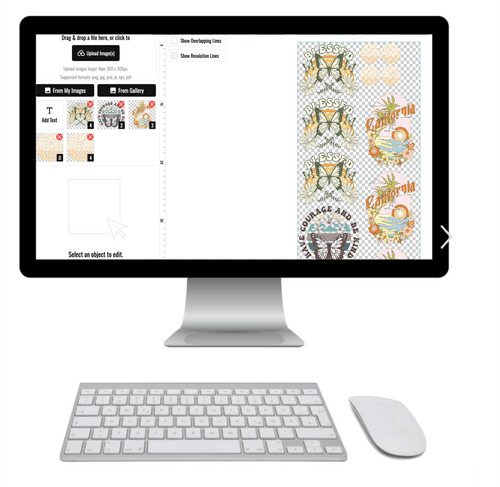
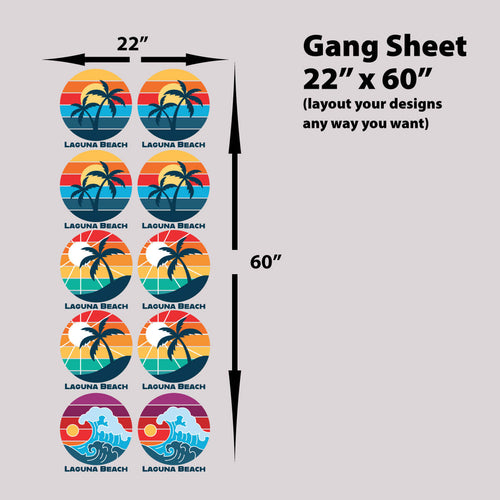
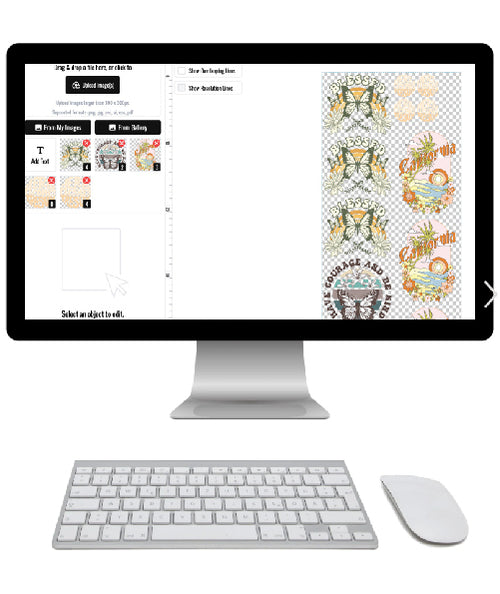
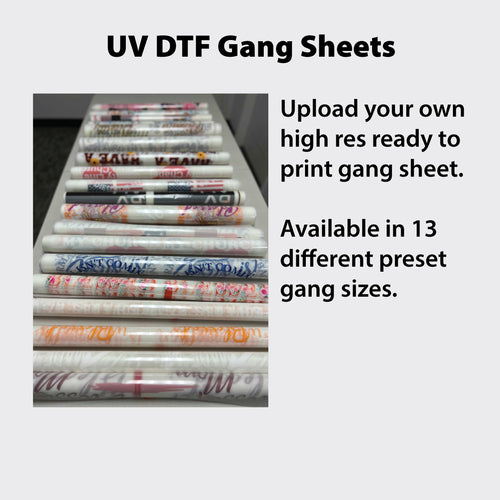
- Use gang sheet builders for mixed orders: They help reduce waste and make small-run production easier to organize.
- Give customers short care instructions: Simple instructions get followed more often than long aftercare notes.
I would add one shop-floor rule. Test every new combination of transfer, garment, and press setting before selling it at scale. A quick wear and wash test costs less than remaking a full order.
What works and what usually backfires
The prints that last tend to come from disciplined shops. Clean files. Stable transfer quality. Correct pressure. Garments that match the use case. Storage that does not expose transfers to moisture or heat. Care instructions that customers can remember.
The failures are predictable too. Over-ordering transfers and stacking them in a humid room. Using bargain supplies with inconsistent powder coverage. Pressing too fast during a busy shift. Applying the same settings to every fabric and hoping for the same result.
One factual example mentioned earlier is Lion DTF Transfers. The bigger point is not the brand name. It is the process behind long-lasting results. Claims like 100-plus wash performance only hold up when the transfer is made well, stored well, pressed correctly, and worn on a garment that suits the job.
If you want custom apparel that keeps its reputation after the sale, build for repeatability first. Durability follows process.
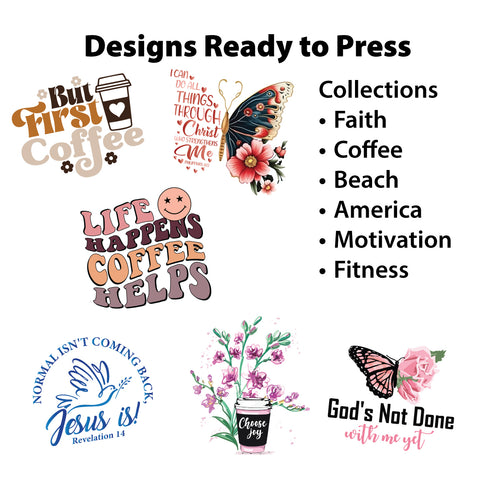
If you need transfers that fit a repeatable production workflow, Lion DTF Transfers is one option to review for gang sheets, ready-to-press transfers, and an Auto-build gang sheet builder that can help simplify ordering while keeping inventory flexible.