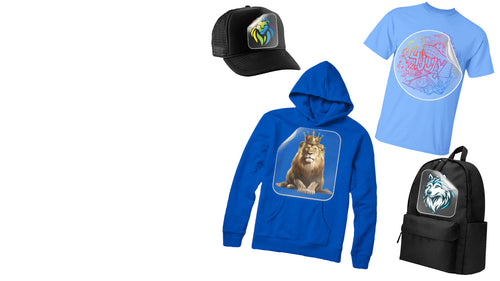
Athletic apparel moves, stretches, and gets washed constantly. That is exactly why the method of decoration matters as much as the garment itself. DTF transfers perform well on performance fabrics because the adhesive layer bonds to the fibers without cracking or peeling under repeated stress. The transfer film is flexible enough to move with the garment rather than against it, making it a reliable option for fitted shorts, compression leggings, jerseys, and tank tops.
Prints from Lion DTF are tested to last 100+ washes, so your end customers get a decoration that holds up throughout the product's life. The result is sharp, vibrant graphics that look professional long after the first wear.
Understanding DTF on Moisture-Wicking Fabric
One of the most common questions from print shops is how DTF performs on polyester and blended performance fabrics. DTF on moisture-wicking fabric works well because the transfer does not rely on fiber absorption the way some other methods do. The adhesive creates a surface bond that works across polyester, nylon, spandex blends, and other synthetic materials commonly used in athletic wear.
That said, application technique matters. Press temperature, pressure, and dwell time all affect adhesion quality on these fabrics. Lion DTF transfers are designed to press cleanly at standard settings, and the team is available seven days a week to answer any application questions at 833-350-5466 or via email at info@liondtf.com.
What Makes DTF the Right Choice for Athletic Wear Custom Printing
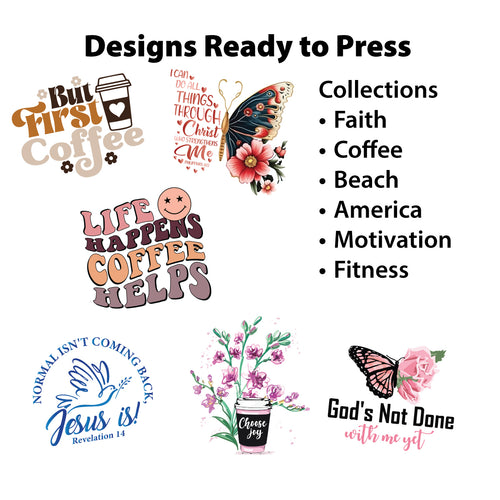
There are several decoration methods available to print shops handling athletic apparel, but DTF printing for athletic wear offers a combination of advantages that are hard to match. Full-color designs print in a single pass with no screens, no color limits, and no minimum order requirements. That flexibility makes DTF practical for small runs, custom team orders, and large wholesale batches alike.
DTF also handles fine detail and gradients well, which matters for athletic branding that relies on bold logos, player names, numbers, and sponsor graphics. Lion DTF uses industrial-grade color-matching technology to deliver accurate, consistent results across every order, so your brand colors stay on-spec, run after run.
If you are new to the method and want background on how the process works, the Lion DTF blog covers what is a DTF transfer in detail.
How DTF Performs on Dri-Fit and Similar Fabrics
Dri-FIT and other performance-engineered synthetics have a tighter weave and a smoother surface than standard cotton, raising questions for decorators. DTF on Dri-Fit shirts is a proven approach when the right heat press settings are applied. The key is to use consistent pressure across the entire transfer area and follow the recommended peel timing.
Lion DTF hot peel transfers are designed for straightforward application. Press, peel in seconds, and the transfer is set. There is no lengthy cool-down required and no complicated process to work through. Full pressing instructions are available at liondtf.com/pages/pressing-shirt-care-instructions.
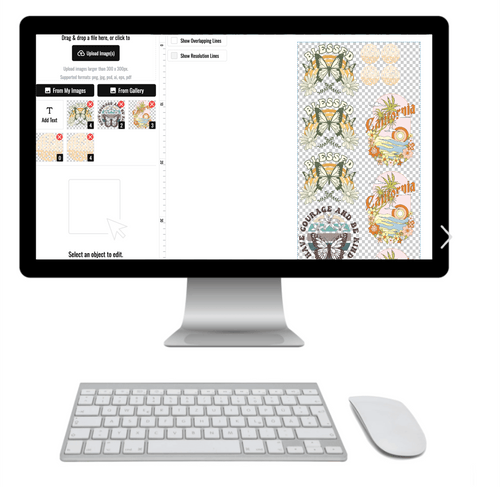
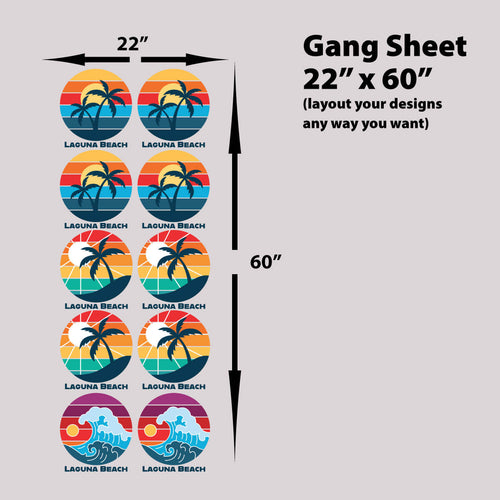
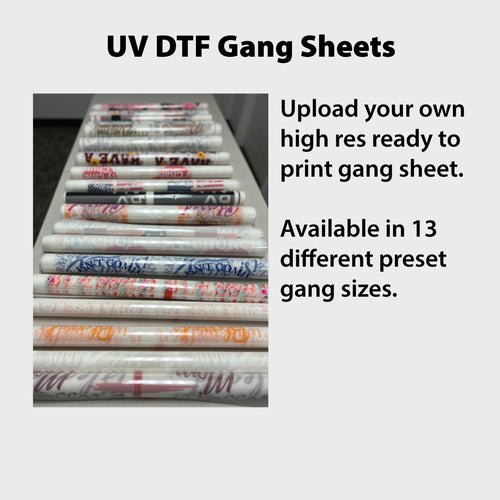
For shops handling high-volume athletic orders, gang sheets are a practical way to maximize material and reduce per-unit cost. Layouts can include multiple sizes and designs on a single sheet, keeping production efficient and consistent.
Pricing and Ordering for Athletic Apparel Runs
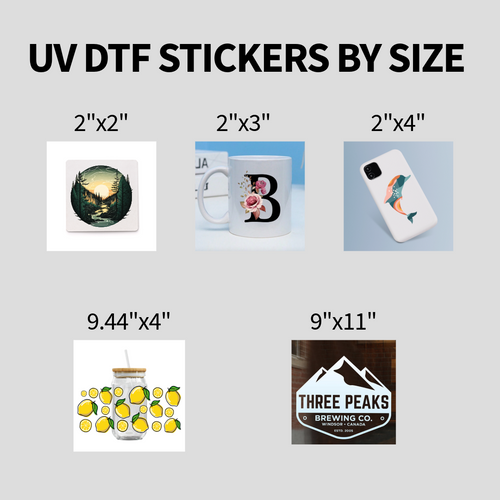
Wholesale pricing starts at $0.017 per square inch, making DTF competitive for performance-wear production at any scale. Orders can be placed by size or by gang sheet, and same-day or next-day printing is available for time-sensitive athletic orders.
Production runs ship within 1–2 business days from Lion DTF’s U.S.-based facility. That turnaround is designed to keep print shops moving without holding up fulfillment for teams, gyms, or athletic brands that are waiting on their orders.
Material and Sustainability Considerations
Print professionals and their clients increasingly ask about the materials used in production. If you are sourcing for a client with sustainability requirements, the Lion DTF blog addresses are DTF transfers sustainable and walks through what the process involves.
For a full breakdown of inputs used in production, the blog also covers what are DTF transfers made of, which is a useful reference when talking through material choices with clients.
Fabric Compatibility Beyond the Basics
Athletic wear encompasses a wide range of fabrics, and DTF is compatible with most of them. For a full breakdown of what works and which fabrics can be used with DTF transfers, see a thorough resource covering both natural and synthetic fibers. Most performance fabrics used in gym wear, including polyester blends, spandex, and nylon, fall within the compatible range.