


So, what exactly is a DTF transfer?
Think of it as the secret weapon behind many of the most vibrant, detailed graphics you see on apparel today. A DTF transfer is a professional-grade, full-color design printed onto a special film, ready for you to press onto almost any fabric imaginable. It’s not a sticker; it’s a soft, flexible print that becomes part of the garment itself.
The Power of Direct-to-Film
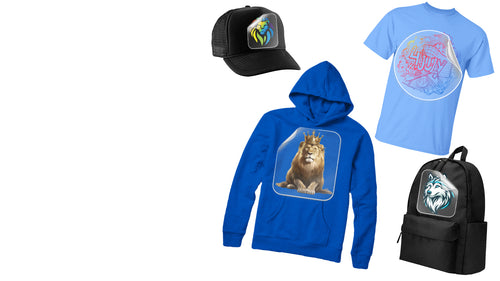
DTF stands for Direct-to-Film, and the name perfectly describes the process. We print your design directly onto a clear carrier film, which you then transfer to a t-shirt, hoodie, or tote bag using a heat press. It’s the go-to method for everyone from small Etsy shops to major clothing lines because it solves so many common printing headaches.
Unlike other methods, DTF isn't picky about what you press it on. This versatility is a game-changer.
- Fabric Compatibility: It works beautifully on 100% cotton, polyester, and tricky poly-cotton blends. It even adheres perfectly to tougher materials like canvas and denim.
- No Color Limitations: Because every design is printed with a brilliant white ink base, your graphics will pop with full vibrancy on both light and dark-colored garments—something other methods can't always guarantee.
How DTF Simplifies Your Workflow
Imagine getting your custom designs delivered ready-to-press. That’s the beauty of DTF. It completely removes the messy, time-consuming steps of traditional apparel decoration. There are no screens to prepare, no vinyl to meticulously weed, and no fabric pre-treatments to worry about. You just get a sheet with your designs on it, ready for the heat press.
This makes producing top-tier custom apparel accessible to anyone. The technology is capable of capturing everything from simple, bold logos to photorealistic images with incredible detail and a limitless color palette.
Now, let's talk about efficiency. We've created a quick reference table to break down the key features and what they mean for your projects.
DTF Transfers at a Glance
This table breaks down the core features of DTF transfers and explains what they mean for your projects.
| Feature | What It Is | Benefit for You |
|---|---|---|
| Full-Color Printing | Uses CMYK + White ink to create millions of colors. | Reproduce complex logos, gradients, and photos with no color limits. |
| White Ink Underbase | A base layer of white ink is printed under every color. | Your designs look vibrant and opaque on any color fabric, light or dark. |
| No Pre-Treatment | The adhesive is part of the transfer, not applied to the garment. | Save time and money by skipping the chemical pre-treatment step. |
| Broad Fabric Range | Adheres to cotton, polyester, blends, canvas, and more. | One transfer type works for almost your entire product line. |
| Soft, Flexible Feel | The ink layer is thin and stretches with the fabric. | Creates a comfortable, premium-feeling garment that doesn't feel stiff. |
In short, DTF gives you a straightforward path to professional results, whether you're making one shirt or a thousand.
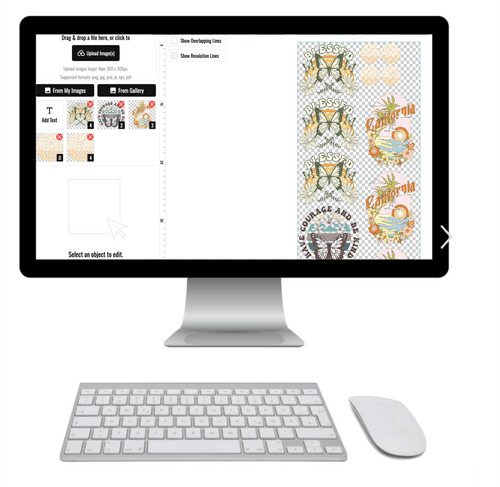
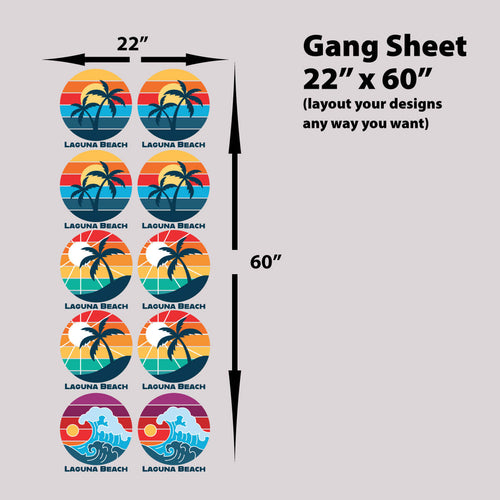
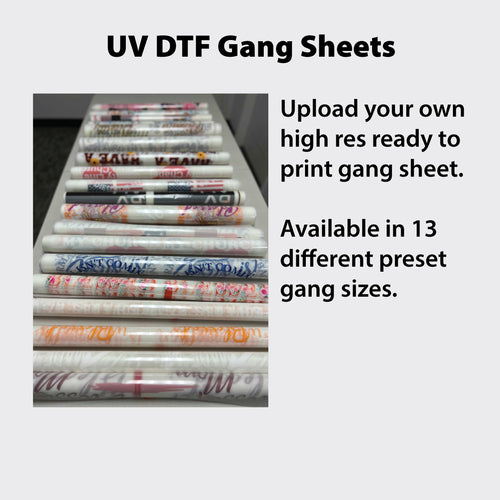
One of the biggest advantages is the ability to print multiple designs on a single sheet, known as a gang sheet. This drastically cuts the cost per print and is an incredibly efficient way to order. Our Auto-build gang sheet builder makes this dead simple, helping you maximize value and minimize waste.
This powerful mix of quality, versatility, and ease of use is exactly why DTF has become such a dominant force in the custom apparel world. For anyone wondering what a dtf transfer is, the answer is simple: it’s your key to creating durable, eye-catching apparel without the huge investment or steep learning curve.
How a DTF Print Is Made From File to Fabric
So, how does a digital file on your computer become a vibrant, lasting design on a t-shirt? The journey from file to fabric is a clever process that combines digital accuracy with a hands-on final touch. Understanding how it all comes together really demystifies what a DTF transfer is and shows off the smart technology behind it.
The entire workflow is built for consistency and quality, making sure the design you press looks just as sharp as the one you created on screen. Let's walk through the four key stages.
Stage 1: Preparing the Digital Design File
It all starts with your artwork. For a DTF transfer to print cleanly, the source file needs to be high quality. The industry standard is a 300 DPI (dots per inch) PNG file with a transparent background.
Think of DPI as the sharpness of a photo—a higher number means more detail and a crisper final print. A transparent background is non-negotiable; it tells the printer exactly where to lay down ink and where to stop, so you don't get a clunky white or colored box around your graphic. While other file types like EPS, PDF, or AI can be used, a high-resolution PNG is the most straightforward and reliable choice for most people.
This infographic gives you a quick visual of the core journey from a digital idea to a physical, ready-to-wear product.

As you can see, the process is broken down into distinct steps, and each one is essential for getting that professional finish on the final garment.
Stage 2: Printing onto the Transfer Film
Once the file is good to go, it’s sent to a specialized DTF printer. This isn't your everyday office printer. It’s a sophisticated machine that uses special textile inks to print on a clear PET (polyethylene terephthalate) film in a unique, two-part process.
First, the printer lays down the color layer (CMYK), printing your design in reverse on the film. Immediately after, it prints a perfectly aligned layer of brilliant white ink directly over the colors.
This white ink layer is the secret sauce to DTF's versatility. It creates a solid, opaque base that guarantees your design’s colors stay bright and true, even when you press it onto dark black or other bold-colored fabrics.
Stage 3: Applying the Adhesive Powder
While the ink is still wet on the film, the transfer moves to its next critical step: the powder bath. The printed film gets coated in a fine, granular thermoplastic polyurethane (TPU) adhesive powder.
This powder is designed to stick only to the wet ink, leaving the blank areas of the film completely clean. It works just like sprinkling glitter on wet glue—it only latches on where the design has been printed.
After the powder is applied, the film runs through a curing oven or under a heat source. This melts the powder into a smooth, even adhesive backing that covers the entire design. Once it cools, you have a stable, flexible, and ready-to-press transfer. If you'd like a more detailed breakdown of this technology, check out our guide on what is DTF printing.
Stage 4: Pressing the Transfer onto Fabric
This is the final step, where the transfer officially becomes part of the garment. Using a quality heat press, the DTF transfer is positioned ink-side down onto the fabric.
The right combination of temperature (usually around 240-280°F), firm pressure, and a set amount of time melts that adhesive layer again, causing it to bond permanently into the fabric's fibers. After letting it cool completely, the clear film is peeled away, leaving just the soft, vibrant ink on the shirt. This is how you achieve a print that not only looks professional but is tough enough to handle wash after wash.
DTF vs. Other Printing Methods
If you're in the custom apparel game, you've probably noticed a major shift happening. More and more businesses, from small Etsy shops to large-scale print houses, are moving away from old-school decoration methods. The reason? Direct-to-Film transfers. They just work better, solving a lot of the classic headaches that came with traditional printing.
This isn't just a fleeting trend; it's a practical response to years of frustration. DTF technology first showed up in the early 2000s, directly targeting the weak spots of screen printing and vinyl. Back then, getting a small batch of 50 shirts made with screen printing could mean facing setup fees of $50-$100. DTF completely changed the rules by letting you print vibrant, full-color designs onto film, ready to be pressed on almost any fabric. Suddenly, small, detailed jobs were not only possible but profitable. You can find more on the history of DTF printing on DecoNetwork.com.
DTF vs Screen Printing
For a long time, screen printing was the go-to for big apparel orders, and for good reason. But its model completely falls apart for small runs or designs with a lot of colors. Every single color in a screen print needs its own custom screen and setup, which makes small batches incredibly expensive and slow to produce.
This is exactly where DTF comes in. There are zero setup costs per design, no matter how many colors you use. A photorealistic print with a hundred different shades costs the same to set up as a simple one-color logo.
- Small Batches: DTF is a game-changer for limited-edition drops, small team orders, or event merch where you only need a few pieces.
- Complex Designs: It handles gradients, fine details, and unlimited colors effortlessly without adding extra cost or complexity.
- Cost Efficiency: For any run that isn't massive, DTF is far more budget-friendly. You can even place different designs on a single sheet to lower your costs even more. Our Auto-build gang sheet builder makes this super simple, helping you get the most out of every print.
DTF vs Direct-to-Garment (DTG)
Direct-to-Garment (DTG) printing can produce some beautiful, soft prints, but it comes with some serious drawbacks that DTF just doesn't have. A DTG machine works like a paper printer for t-shirts, spraying ink right onto the fabric. This works great for 100% cotton, but it really struggles with anything else.
DTG prints often look faded or don't stick well on polyester and blended fabrics. And if you want to print on a dark garment, you have to apply a messy and expensive pre-treatment liquid first so the white ink has something to sit on. With DTF, you skip all that.
Because the design is first printed on a film with its own adhesive, DTF transfers apply perfectly to cotton, polyester, nylon, and blends without any pre-treatment. This opens up a world of possibilities for decorating performance wear, sportswear, and other synthetic fabrics that are off-limits for DTG.
DTF vs Heat Transfer Vinyl (HTV)
Heat Transfer Vinyl (HTV) is a favorite for crafters and one-off hobby projects, but it's not a great solution for professional apparel. Every color in an HTV design has to be cut from a separate sheet of vinyl. Then comes the "weeding"—the painful, manual process of picking out all the tiny excess pieces. For a complex design, it can turn into a total nightmare.
Worse yet, HTV usually feels thick and stiff on the shirt, almost like a plastic sticker. It sits on top of the fabric and is notorious for cracking and peeling over time. Some vinyl can start to fail after just 20 washes.
DTF provides a much better experience. The transfers have a soft, flexible feel that stretches with the fabric, leading to a more comfortable and premium-feeling product. Best of all, quality DTF transfers are built to last, tested to withstand 100+ wash cycles without cracking, fading, or peeling. That durability means the final product doesn't just look better—it lasts longer.
To help you visualize the differences, let's put these methods side-by-side.
DTF vs Other Popular Printing Methods
See how DTF stacks up against screen printing, DTG, and vinyl to help you choose the best option for your needs.
| Feature | DTF Transfers | Screen Printing | DTG Printing | Heat Transfer Vinyl (HTV) |
|---|---|---|---|---|
| Best For | All quantities, complex multi-color designs | High-volume, simple (1-3 color) designs | One-offs, 100% light-colored cotton | Simple logos, names, and numbers |
| Feel | Soft, flexible, and stretchy | Varies; can be thick with many colors | Very soft, ink soaks into fabric | Often thick and stiff; feels like a sticker |
| Durability | Excellent (100+ washes) | Excellent (can outlast the garment) | Good (can fade over time) | Fair (prone to cracking and peeling) |
| Fabric Type | Cotton, polyester, blends, canvas, nylon | Primarily cotton and blends | Best on 100% cotton; struggles on poly | Cotton, polyester, and blends |
| Color/Detail | Unlimited colors, photorealistic detail | Limited colors, expensive for complexity | Unlimited colors, but less vibrant on darks | Limited to solid colors; layering is complex |
As you can see, each method has its place, but DTF offers a unique combination of versatility, quality, and durability that makes it a top contender for a huge range of projects.
Maximizing Value With DTF Gang Sheets
 When it comes to ordering custom prints, one of the biggest challenges is keeping your costs low without sacrificing quality, especially when you need a bunch of different designs. The secret weapon used by smart apparel creators and print shops is the DTF gang sheet. It’s a simple but powerful concept and the ultimate hack for getting the most value out of every single order.
So, what is a gang sheet? Think of it this way: you’re paying for a large sheet of transfer film. Instead of printing just one large design in the middle, a gang sheet lets you "gang up" multiple designs—big, small, or a mix of both—onto that one sheet. You pay for the sheet, not for each individual graphic, which drops your cost per print dramatically.
This method is a total game-changer for anyone producing a variety of graphics. Maybe you’re a clothing brand with multiple logos, an Etsy seller with a whole collection of designs, or a print shop juggling orders for different clients. Instead of placing dozens of separate orders, you can combine everything into one cost-effective run.
The Smart Way to Build Your Sheet
Manually arranging dozens of different files to fit perfectly into a specific area can be a frustrating puzzle. You end up spending way too much time resizing, rotating, and nudging each design to avoid wasting precious film space. This is exactly where technology comes in to make the process effortless.
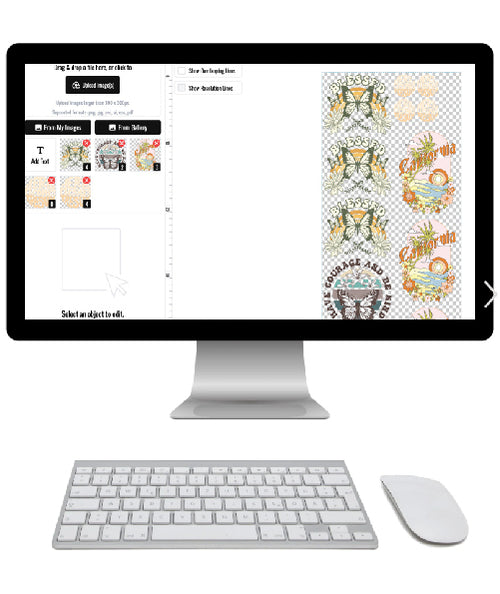
To get rid of this headache, we developed our Auto-build gang sheet builder. This online tool is designed to do all the hard work for you. You just upload all your design files, and the builder automatically arranges them onto the sheet, optimizing the layout to fit as many graphics as possible.
A well-organized gang sheet is pure efficiency. By minimizing wasted film, you are directly reducing the cost of each transfer. This is how smart businesses scale production while keeping their profit margins healthy.
Our builder gives you full control without the manual hassle. You can still adjust the quantity of each design, resize specific graphics, and see a real-time preview of your sheet before you commit. It turns what was once a complex task into a simple click-and-drag process.
Who Benefits Most From Gang Sheets?
While anyone can use them, certain businesses find gang sheets to be an essential part of their workflow. They are particularly valuable for anyone looking to maximize their output and keep expenses down.
Here are a few examples of who gets the most out of this method:
- E-commerce and Etsy Sellers: Easily print a mix of your most popular designs, new releases, and custom requests all at once. This keeps your inventory lean and your production agile.
- Clothing Brands: Produce your main logo, alternate logos, sleeve graphics, and neck tag labels on a single sheet. This ensures brand consistency across your entire apparel line.
- Print Shops: Combine small orders from multiple clients onto one sheet, increasing your shop's overall efficiency and profitability.
- Event Organizers: Print logos for staff shirts, volunteer hoodies, and promotional tote bags in one go, simplifying your merchandise production.
Basically, if your printing needs involve more than one design, a gang sheet is your most economical path forward. To dive deeper into optimizing your layouts, you can find more tips in our article on DTF gang sheets. Ordering this way changes your cost structure from paying per design to paying per square inch, and our Auto-build gang sheet builder makes sure you get the absolute most value for your money.
Creative Ideas for Your DTF Projects
 Once you get a feel for what a DTF transfer is, you’ll realize it’s a ticket to a world of creative projects that go far beyond a basic t-shirt. The fact that it works on so many different fabrics with such sharp detail makes it the perfect tool for getting ambitious ideas off the ground.
Let's look at a few applications that can help you build your brand, outfit an event, or launch your own product line. The versatility of DTF lets you think like a full-scale merchandise company, creating a consistent look across a bunch of different items—something that used to be a huge headache.
Branding for Businesses and Events
DTF is a game-changer for building a solid brand identity. For a local coffee shop, that might mean printing not just staff aprons and tees, but also branded tote bags for customers and custom hats. The detail is so crisp that your logo will look sharp and professional on every single piece.
It's also perfect for event merch. Think vibrant tote bags for a music festival, hoodies for a charity fun run, or custom bandanas for a corporate retreat. The rich colors and durable finish mean your memorabilia will look just as good long after the event is over.
Launching a Niche Apparel Line
The low setup cost and incredible detail of DTF make it a perfect fit for entrepreneurs looking to start their own clothing line. You can test out new designs without having to sink a ton of cash upfront.
- Denim Jackets: Add complex, full-color back pieces or small, clean graphics to denim for a high-end, custom feel.
- Hoodies and Sweatshirts: Print bold designs on the front, back, or even down the sleeves for that complete streetwear look.
- Canvas Shoes: Customize a pair of sneakers with unique patterns or logos, turning a generic shoe into a piece of wearable art.
- Hats and Beanies: Add detailed logos to the front panels of caps or the cuffs of beanies—an area that’s often a real pain for other print methods.
This creative freedom is driving explosive growth in the market. Projections show that the global direct-to-film printing market, which reached USD 2.72 billion in 2026, is fueled by small businesses and print shops tapping into this very potential. Discover more about the rapid adoption of this technology and how screen printers are making the switch on GrandViewResearch.com.
Combining Designs for Maximum Value
The real power move here is using gang sheets to bring all these ideas to life without breaking the bank. You can pack a single sheet with a variety of designs for all these different projects at once. For example, one sheet could hold your main hoodie graphic, several hat logos, and even a few small designs for shoes.
Our intuitive Auto-build gang sheet builder was designed for exactly this. It makes arranging multiple graphics a breeze, so you can produce a diverse product range easily and cost-effectively. This approach lets you experiment with different items and find what really clicks with your audience, all without committing to a massive single-design order.
How to Order and Apply Your DTF Transfers
Getting your designs from a file to a finished shirt is a pretty simple process once you know the ropes. Let’s walk through the right way to order and apply your transfers to get a perfect, professional-grade result every time.
It all starts with your art file. For a clean, crisp print, your design needs to be saved as a 300 DPI (dots per inch) PNG file with a transparent background. This is non-negotiable if you want to avoid a blurry graphic or an unwanted colored box showing up on the final garment.
Ordering for Maximum Value and Ease
If you have more than one design, ordering them one by one is a waste of time and money. The smartest, most cost-effective way to order is with a gang sheet, which lets you fit multiple designs onto a single film.
To make this dead simple, our Auto-build gang sheet builder does the heavy lifting for you. Just upload your files, and the tool automatically arranges them to use every inch of space, driving down your cost per print. Once the layout is set, just pick your sheet size and you're good to go.
A Step-By-Step Guide to Applying Your Transfers
Applying your Lion DTF transfer is easy, but you need a quality heat press. Follow these steps for a durable finish that looks and feels professional.
- Pre-Press the Garment: Place your shirt on the heat press and press it for 5-10 seconds. This step is crucial—it removes any moisture and wrinkles, giving you a perfectly flat surface for the transfer to stick to.
- Position and Press: Place the DTF transfer on the garment with the ink side down (the clear film should be facing up). Press at 240-280°F for 10 seconds with medium to firm pressure.
- Wait for the Cold Peel: This is where people mess up. Once the time is up, take the garment off the press and let it cool down completely. If you peel it while it’s still warm, you risk lifting the design.
- Peel and Finish: After it's cool to the touch, peel the clear film off in one smooth motion. For an even softer feel and extra durability, we recommend a finishing press. Cover the design with parchment paper and press it again for 5-10 seconds.
DTF technology has come a long way fast. Just a few years ago, it was an experimental method, but now it's an essential tool for any serious print professional. Ink quality has seen massive improvements, boosting vibrancy by up to 50% and pushing durability past 100 wash cycles. You can learn more about the evolution of DTF printing technology at DTFOffice.com.
Simple Troubleshooting for Common Issues
Even with the best process, things can occasionally go wrong. Here’s how to fix the most common issue.
Problem: The transfer is lifting or peeling after I apply it. Solution: This almost always means one of two things: you peeled the film while it was still warm, or your press didn't have enough pressure. Make sure the transfer is completely cool before peeling, and check that your heat press is providing firm, even pressure across the entire design.
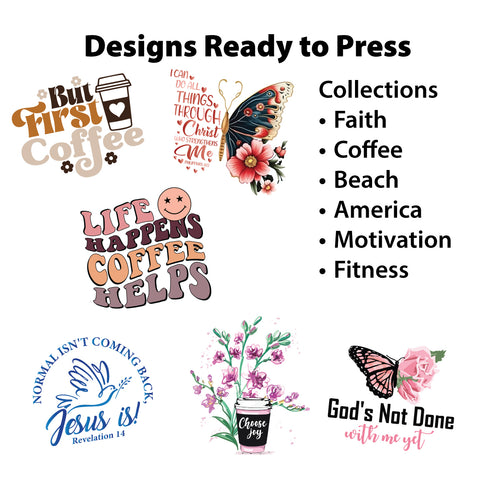
If your colors look faded, it could be a sign your temperature is too low. A small adjustment is usually all it takes to fix it. With these tips, you're ready to start producing top-tier custom apparel. To get a better look at what's possible, check out our collection of ready-to-press transfers for some inspiration.
Answering Your Top Questions About DTF Transfers
If you're getting into custom apparel, you've probably got questions. We get it. Here are straight-to-the-point answers to the most common things people ask about DTF, based on our experience helping thousands of creators get professional results.
How Durable Are DTF Transfers?
Honestly, they’re built to last. When you press them right, our high-quality transfers can easily outlive the shirt they’re on. We’ve put them through the wringer—lab tests show they can handle over 100 wash cycles without cracking, fading, or peeling.
To get that kind of life out of your prints, just wash the garment inside out in cold water and tumble dry on low. This is what sets DTF apart from options like heat transfer vinyl, which tends to give up much, much sooner.
Can I Just Use a Regular Iron to Apply Them?
We know it's tempting, but we strongly advise against it. A home iron just can't deliver the consistent heat and firm, even pressure needed for the transfer's adhesive to properly fuse with the fabric.
Using an iron almost always leads to a weak bond, which means your design will start peeling after a wash or two. A quality heat press is what guarantees a professional, permanent application that feels soft and is made to last.
We really can't overstate this: a heat press isn't just a recommendation; it's essential for professional results. That combination of precise temperature and uniform pressure is the only way to lock the transfer into the garment for maximum durability.
What Is a Gang Sheet, and Should I Use One?
Think of a gang sheet as the ultimate way to get more bang for your buck. It’s a large sheet of our transfer film where you can arrange—or "gang up"—multiple designs to be printed together. It is by far the most cost-effective way to order if you have more than one design.
It’s the perfect setup for clothing brands, Etsy shops, and printers who need a mix of logos, sleeve art, and main graphics for different products. To make this dead simple, our Auto-build gang sheet builder lets you upload your art, and it automatically organizes everything to maximize your print area and save you money.
What File Type Gives Me the Best Print Quality?
For the absolute sharpest and most vibrant print, nothing beats a high-resolution PNG file with a transparent background. We always recommend creating your art at 300 DPI (dots per inch).
This resolution ensures every line is crisp, and the transparent background means you won’t get an ugly colored box printing behind your design. Vector files like AI, PDF, or EPS are also fantastic choices because they maintain perfect quality no matter how big or small you make them.
Ready to create stunning, durable custom apparel without the headache? The team at Lion DTF Transfers makes it simple with our industry-leading hot-peel transfers, fast turnaround times, and powerful online tools.