


So, you've been hearing about DTF printing everywhere, but what exactly is it? Think of it like a high-tech, permanent sticker for fabric. This method lets you print vibrant, full-color designs onto a special film, which you then heat-press onto practically any material—cotton, polyester, blends, you name it.
What Is DTF Printing Explained Simply
DTF stands for Direct-to-Film, and it's quickly become a go-to for small businesses, Etsy shops, and apparel creators. It neatly sidesteps the limitations of older techniques, offering incredible versatility without a massive, complicated setup.
In a way, it’s the best of both worlds. You get the unlimited color and detail of Direct-to-Garment (DTG) printing combined with the fabric flexibility of traditional screen printing. The process starts by printing your digital design onto a specialized PET film. A base layer of white ink is printed first, which is why DTF designs pop with incredible vibrancy, even on black or dark-colored shirts.
The Magic of the Adhesive Powder
After the ink is laid down, a fine adhesive powder is sprinkled over the wet design. This powder is the secret sauce that makes DTF so durable and stretchy. The film is then cured with heat, which melts the powder and ink into a single, solid transfer that’s ready for pressing.
The real game-changer is this adhesive layer. It acts as the "glue" that bonds the design to the fabric fibers, resulting in a transfer that can withstand dozens of washes without cracking, peeling, or fading. This durability is why so many brands are leaning on DTF for their merchandise.
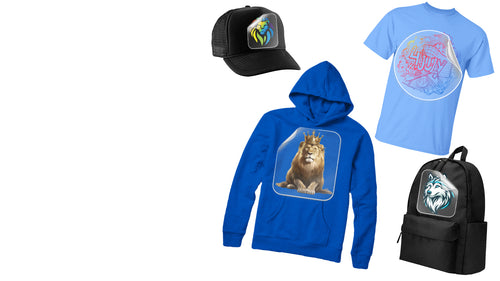
When you're ready to make your product, you just place the transfer on your T-shirt, hat, or tote bag and press it with a heat press. The heat and pressure activate the adhesive, bonding the design to the fabric for good. After a quick peel of the film, you’re left with a crisp, colorful print that has a soft, flexible feel.
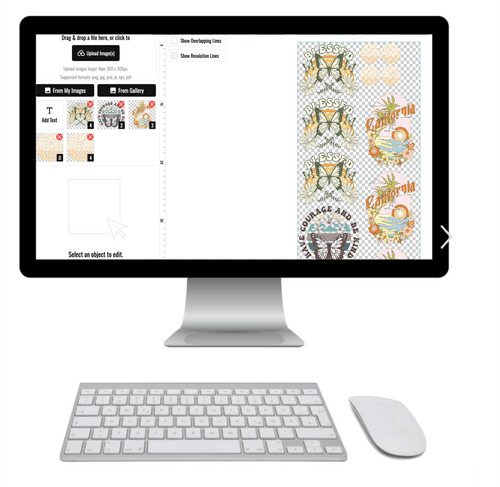
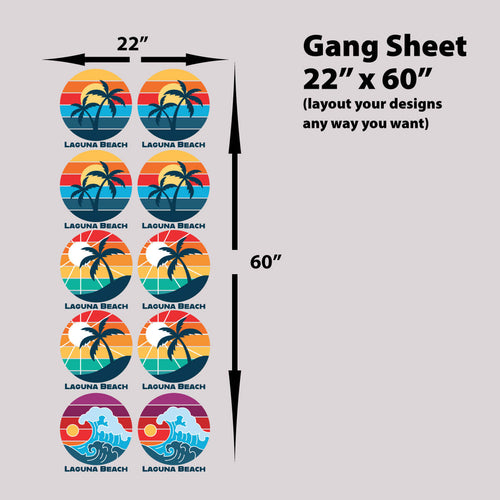
This method is also extremely cost-effective, particularly if you’re printing lots of different designs. You can arrange multiple logos or graphics onto one large sheet, known as a gang sheet. Using a tool like our Auto-build gang sheet builder makes this super efficient, letting you pack in as many designs as possible for maximum ease of use and to drive down your cost per print.
To give you a clearer picture, here's a quick rundown of what makes DTF printing stand out.
DTF Printing at a Glance
The table below summarizes the core characteristics of DTF printing, making it easy to see why it's become such a popular choice for custom apparel.
| Characteristic | Description |
|---|---|
| Versatility | Works on cotton, polyester, blends, leather, and more, in any color. |
| Print Quality | Delivers photo-realistic, full-color designs with sharp details and gradients. |
| Durability | Highly resistant to cracking, peeling, and fading. Lasts 50+ washes. |
| Feel | Soft, smooth, and flexible to the touch, moving with the fabric. |
| Setup Cost | Requires a heat press, but no need for screens, weeding, or pretreatment. |
| Ideal For | Small to large runs, multiple designs, and on-demand printing. |
As you can see, DTF combines professional-grade results with a straightforward process, making it an accessible and powerful tool for anyone in the custom apparel game.
How The DTF Printing Process Actually Works
So, how do you get a design from a digital file onto a finished t-shirt? With DTF printing, the path is surprisingly direct. It's a few key steps, but each one is designed to create a high-quality, durable print that’s ready for anything.
Let's walk through how a professional-grade transfer is made and applied, from start to finish.
The Printing And Curing Stages
Everything starts with your design file. Once your artwork is ready, it’s loaded into specialized software that preps it for the DTF printer. This is where the real work begins.
First, the design is printed onto a special PET film. This isn’t your average office transparency; this film is made to release the ink perfectly when heat is applied later. The printer lays down the color inks (CMYK) and then a critical base layer of white ink on top. That white base is the secret to why DTF prints look so bold and bright, even on black or dark-colored fabrics.
Right after printing, while the ink is still wet, the film gets a coating of a fine adhesive powder. This powder is designed to stick only to the inked parts of the design. A good way to think about it is like sprinkling glitter on wet glue—it only sticks where you want it to.
From there, the powdered film goes into a curing oven. The heat melts the adhesive powder and bonds it directly to the ink, creating a single, solid transfer sheet. This step is what makes the design durable and flexible, ensuring it won't crack or peel after just a few washes. Once cured, the transfer is stable and ready to press.

Applying The Transfer To Your Garment
This is the final, and most satisfying, step. Once you have your ready-to-press transfers, applying them is simple. All you need is a standard heat press.
The goal here is to activate the heat-sensitive adhesive you applied earlier. With the right combination of temperature, time, and pressure, the design permanently fuses into the fabric's fibers, becoming part of the garment itself.
Here’s the simple breakdown:
- Position the Transfer: Lay your garment flat on the heat press and place the DTF transfer where you want the design to go.
- Press with Heat: Close the press for the recommended time, which is usually around 10 seconds at 240-280°F.
- Peel the Film: After pressing, you peel away the clear film, leaving behind nothing but your vibrant, perfectly applied design on the fabric.
The process is incredibly efficient, making it a great fit for small businesses and shops. You can get an even deeper look at the process in our complete guide on how to make DTF transfers, which covers more advanced tips and tricks.
The Rapid Rise of DTF Technology
DTF printing wasn’t an overnight invention; it grew from a real need to fix the headaches creators and print shops faced every day. For a long time, custom apparel was ruled by screen printing. It’s a great method for huge orders of simple designs, but it becomes slow and expensive for small batches or anything with multiple colors.
This left a big opening for something more flexible. Early heat transfers tried to fill that spot, but they often felt stiff and plasticky, and the designs would crack or peel after a few washes. As e-commerce and the demand for on-demand merch exploded, everyone knew there had to be a better way.
The Breakthroughs That Changed Everything
The real game-changer came from improvements in ink and adhesive powders. When more durable, stretchable inks and better adhesive powders were developed, it was a turning point. These new materials drastically improved how well prints held up in the wash and gave them a much softer feel that blended right into the fabric.
Suddenly, the biggest problems with the old methods were solved. You could print a single, photo-quality t-shirt for one customer, or 50 complex logos for a local team, without the crazy setup costs and time of screen printing.
DTF technology delivered a practical solution. It took the fabric versatility of screen printing and combined it with the full-color detail of more advanced digital methods. This mix of high demand and new technology created the perfect environment for DTF to go from a niche idea to a go-to for print shops everywhere.
From Niche Idea to Industry Standard
The shift to DTF happened fast. Short for Direct-to-Film, the technique first popped up in the early 2000s as an option for decorators who were tired of the limits of other methods. By the early 2020s, its popularity blew up as small and mid-size shops saw what it could do, and by 2022, major brands were releasing dedicated machines.
Today, stats show DTF has grabbed 25% of the textile printing market share in North America—a massive jump from under 5% in 2018. A big reason for this growth is its ability to print on dark fabrics and synthetics, which used to be a major challenge. You can read more about its history over on Deconetwork.com.
For small businesses, this means incredible efficiency. You can now get promotional gear ready in hours instead of weeks. Even better, you can group multiple designs onto one film to get the most value. Using our Auto-build gang sheet builder makes this super easy, helping you manage print jobs in a cost-effective way that is simple to use.
DTF vs. Screen Printing vs. DTG: A Practical Comparison

Choosing the right printing method for your apparel project can feel overwhelming. With options like DTF, screen printing, and DTG, it’s easy to get bogged down in technical jargon. Let's cut through the noise and look at this from a real-world perspective to help you make the best choice for your business.
Think about it this way: if you’re creating a handful of complex, full-color designs for your Etsy shop, your needs are completely different from someone ordering 500 one-color shirts for a 5k run. Each technique has its own sweet spot, and knowing where they shine is key to getting great results without blowing your budget.
To help you decide, let's break down the three main players in the custom apparel world.
Comparison of Printing Methods: DTF vs. Screen Printing vs. DTG
This table gives you a quick, at-a-glance look at how these three technologies stack up against each other across the features that matter most to creators and businesses.
| Feature | DTF Printing | Screen Printing | DTG (Direct-to-Garment) |
|---|---|---|---|
| Best For | Small-to-medium batches, full-color designs, fabric versatility | Large bulk orders (100+), simple designs with few colors | One-offs, highly detailed prints on 100% cotton |
| Fabric Compatibility | Excellent (Cotton, polyester, blends, leather, nylon) | Good (Best on cotton/blends, requires different inks for others) | Limited (Primarily 100% cotton or high-cotton blends) |
| Feel on Garment | Soft, flexible, sits on top of the fabric | Thicker, classic raised feel, can be heavy with many colors | Ultra-soft, breathable, no feel as ink dyes the fabric |
| Color Capability | Unlimited colors, gradients, and photographic detail | Limited by the number of screens; each color adds cost | Unlimited colors and photorealistic detail |
| Durability | Very high; wash-tested for 50+ cycles, resists cracking | Extremely high; often outlasts the garment itself | Moderate; can fade with repeated washing |
| Cost-Effectiveness | Great for small runs; no per-color setup fees | Best for high volume; setup costs are high but per-item cost is low | Good for single items, but expensive for medium-to-large runs |
Each method has clear strengths. DTF offers unmatched flexibility, screen printing is the king of bulk orders, and DTG delivers the softest feel on cotton. Now, let's dive deeper into what makes each one tick.
DTF Printing: The Versatile All-Rounder
Direct-to-Film (DTF) is the adaptable workhorse that picks up where other methods leave off. Its biggest advantage is the ability to print on almost any fabric you can think of—cotton, polyester, blends, and even tricky dark-colored garments—without needing special pre-treatments.
This makes DTF a game-changer for small businesses and creators who need maximum flexibility. You can produce vibrant, photo-quality designs with unlimited colors and razor-sharp details. It's also incredibly efficient for small-to-medium batches because there are no setup costs for each color, unlike screen printing.
DTF essentially combines the full-color, high-detail power of DTG with the fabric versatility of screen printing. This makes it the perfect go-to for projects that demand complex graphics on a variety of materials, like team names on polyester jerseys or full-color logos on cotton-poly hoodies.
The industry has taken notice. The global DTF market is projected to skyrocket from $1.5 billion in 2023 to nearly $4 billion by 2030. A huge driver of this growth is its efficiency, as it can cut prep labor costs by up to 40% compared to other methods. This cost-effectiveness is further enhanced with tools like our Auto-build gang sheet builder, which makes creating economical print runs simple.
Screen Printing: The Bulk Order Champion
Screen printing is the OG of the t-shirt world, and for good reason. When it comes to large-volume orders with simple graphics, it’s still the undisputed champion. The process involves pushing ink through a mesh screen onto the fabric, and you need a separate screen for every single color in your design.
This method creates incredibly durable and vibrant prints that have a classic, slightly raised feel on the shirt. While the initial setup is both time-consuming and expensive, the price per shirt drops significantly as your order size grows. This makes it the most cost-effective option for bulk production runs, usually for 100 items or more. Its main limitation? It struggles with photographic details, gradients, and designs with a lot of colors.
DTG: The Soft-Feel Specialist
Direct-to-Garment (DTG) printing is exactly what it sounds like—it works like a standard inkjet printer, but for clothes. The machine sprays water-based inks directly into the fibers of the garment, which results in a print that is incredibly soft and has virtually no feel to it. DTG is fantastic for one-off prints and super-detailed, full-color designs on 100% cotton fabrics.
The main drawbacks are its fabric limitations—it really only works well on cotton or high-cotton blends and performs poorly on dark polyester. DTG prints are also generally less durable than DTF or screen prints, and they can show wear and fading after repeated washes.
If you want to dig deeper into the nuances, check out our complete guide on different T-shirt printing methods. For most creators, ordering ready-to-press transfers is the most practical and economical route. By grouping multiple designs on a single sheet, you can maximize your film space and get the most bang for your buck on any project.
How to Maximize Value with DTF Gang Sheets

For any small business or creator, getting the most out of every dollar spent on printing is non-negotiable. One of the single best ways to make DTF printing incredibly cost-effective is by using gang sheets. This approach is a real game-changer for anyone needing to produce multiple designs without breaking the bank.
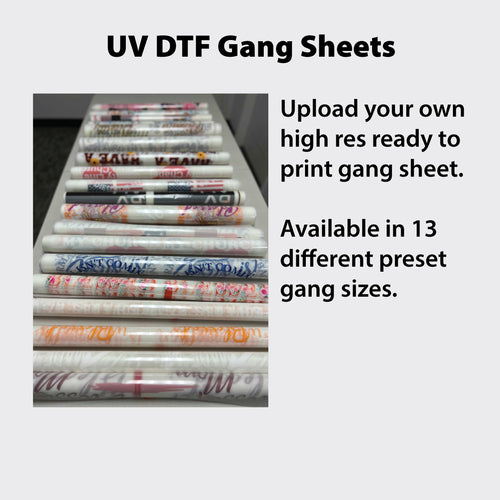
So, what is a gang sheet? Think of it as one large, continuous roll of DTF film where you can group—or "gang"—a bunch of different designs together. Instead of printing every logo, tag, or graphic on its own tiny sheet, you pack them all onto one, maximizing every last square inch of film. This simple move is what drives your cost per print way down.
Unlocking Professional-Level Efficiency
This method is an absolute lifesaver for clothing brands, sports teams, and Etsy sellers. A brand, for example, could place its main chest design, a smaller sleeve logo, and a custom neck tag all on the same gang sheet. Just like that, a single press-ready sheet holds all the pieces for one complete garment.
This strategy delivers a few key wins:
- Reduced Material Waste: By filling up the entire film, you stop paying for blank space and get way more prints for your money.
- Lower Cost Per Design: Ordering one big sheet is always cheaper than ordering dozens of small, individual transfers.
- Streamlined Production: All the designs for a project show up on a single sheet, ready for you to cut and press. It saves a ton of time and hassle.
By grouping designs this way, you turn what would have been several small, expensive orders into one highly economical print job. It’s the secret weapon professional print shops have used for years to stay competitive, and now it’s easily accessible to everyone.
Making Gang Sheets Effortless
In the past, building a perfectly packed gang sheet took some serious patience and a bit of design software know-how. You had to manually arrange each image, making sure nothing overlapped while leaving just enough room to cut them apart later. It was tedious, to say the least.
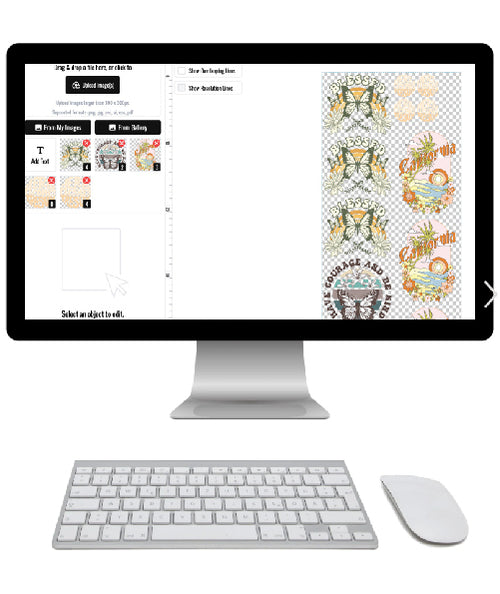
To solve this exact problem, we developed our Auto-build gang sheet builder. This smart tool makes the whole process effortless. You just upload your designs, and it automatically arranges them for maximum efficiency.
Our builder is designed to help you get professional-level savings and ease of use in just a few clicks. You can get back to creating great designs, knowing our system is handling the technical layout to give you the best possible value in a cost-effective way. For a deeper dive into getting the most from this feature, you can read our detailed guide on DTF gang sheets.
Real-World Examples Who Uses DTF Printing
The true test of any printing method isn’t in the specs, but in how people use it to solve real problems. So, who actually gets the most out of DTF printing? Let's look at a few common scenarios where it's the perfect fit.
Imagine an Etsy seller getting ready to launch a new collection. They’ve got three incredible, full-color designs but only want to print a small run of each to start. With screen printing, the setup costs for that many colors across small batches would be a dealbreaker. DTF lets them produce all three vibrant designs affordably, even in tiny quantities.
Solving Problems for Businesses and Teams
Now, think about a small business that needs durable, professional-looking uniforms for its crew. The problem? Some employees wear cotton tees, while others wear polyester polos. DTF printing is the ideal choice here because it adheres beautifully to both fabrics, guaranteeing a consistent, sharp logo across the entire team.
Or take a school coach who needs to outfit the basketball team. They need player names and numbers printed on both cotton practice shirts and slick polyester jerseys. DTF’s versatility is a game-changer, allowing them to apply crisp, lasting prints on totally different materials without a hitch.
These examples all point to one thing: DTF shines where flexibility is key. It handles complex, colorful artwork on nearly any fabric, solving real challenges for creators and businesses who need professional results without the old-school limitations.
The numbers back this up. For orders under 500 units, WTIN reports that DTF's cost-per-print can be 50% lower than screen printing, making it a go-to for promotional companies. Its durability is just as impressive—transfers can withstand tens of washes with minimal fading.
For US-based providers like Lion DTF Transfers, this means we can offer industry-leading 24-hour printing on gang sheets or UV stickers, a service supported by thousands of 5-star reviews.
Our Auto-build gang sheet builder pushes this cost-effectiveness even further. By grouping multiple designs onto one sheet automatically, it turns what could be a complex job into a simple, budget-friendly order.
Answering Your Top Questions About DTF Printing
Once you get the basics of DTF down, the practical questions start popping up. Getting clear answers to these is what separates a good project from a great one. We hear the same questions all the time, so we've put together some straightforward advice to help you get started with confidence.
How Durable Are DTF Transfers?
This is probably the number one question we get. The short answer: they're tough. Really tough. When a DTF transfer is applied correctly with a heat press, the adhesive doesn't just sit on top of the shirt; it melts and bonds directly with the fabric fibers. This creates a print that holds up incredibly well against cracking, peeling, and fading.
Properly cared for DTF prints can easily withstand 50-100+ wash cycles, often outlasting the garment itself. For best results, wash inside out in cold water and tumble dry on low or hang dry.
Can I Use a Home Iron for DTF Transfers?
While you technically can, we absolutely do not recommend it if you want professional, sellable results. A home iron is a recipe for frustration. It creates hot spots and uneven pressure, which is the fastest way to get a transfer that peels after the first wash.
A quality heat press is essential. It delivers the consistent, even pressure and precise temperature needed to cure the adhesive properly and bond the design permanently to the fabric.
What Artwork File Do I Need?
Your final print will only ever be as good as your starting file. For the sharpest, most vibrant results, your artwork needs to be set up correctly. Always start with a high-resolution file, aiming for 300 DPI (dots per inch) with a transparent background.
The best file formats to send us are:
- PNG: This is perfect for almost any design, especially with transparent backgrounds.
- PSD: Adobe Photoshop files work great.
- EPS or AI: Vector files from Adobe Illustrator are also ideal.
And if you have a bunch of different designs ready to go, you don't have to upload them one by one. Our Auto-build gang sheet builder is designed for ease of use. You can upload multiple files, and it will automatically arrange them to maximize the sheet space, saving you both time and money for a highly cost-effective run.
Ready to bring your designs to life with vibrant, durable prints? Lion DTF Transfers makes it easy with our premium hot-peel transfers and intuitive online tools. Start building your custom gang sheet today!