


Your shirts are ordered, the artwork is nearly ready, and the event date isn't moving. Now you need transfers that arrive in time, press cleanly, and survive customers' laundry. The cheapest sheet won't save the job if it arrives late or peels after washing.
Choose DTF printing services by the complete job: artwork preparation, transfer production, delivery, application, and quality checks. Buy a sample before committing to a production run, and get a clear deadline before paying for rush service.
Transfer Options and Who Each One Suits
Choose a service based on the work you want to handle: artwork setup, transfer ordering, layout, or garment pressing. For a small shop, the right comparison is the complete order cost and the steps left for your team.
| Service | Best For | Price or Note | Your Input |
|---|---|---|---|
| DTF Print Only | Shops and makers who press at home | From $0.017 per square inch | Upload or create a design |
| Print and Press | Customers without a heat press | Bring your garment; Lion DTF Transfers prints and presses the design | Upload or create a design with the online tool |
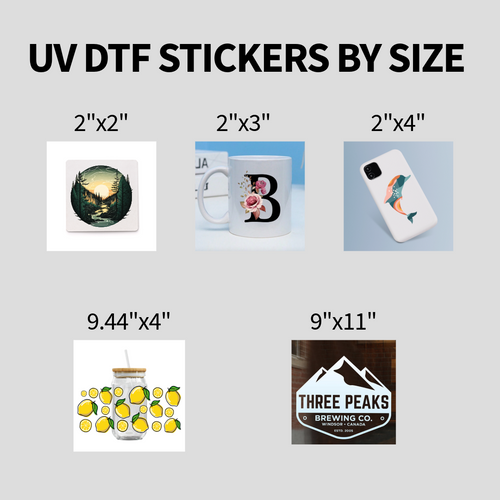
| DTF by Size | One design in a chosen size | From $0.017 per square inch | Choose the size and upload artwork |
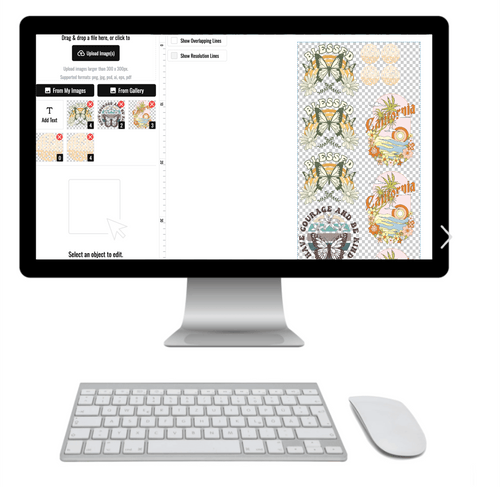
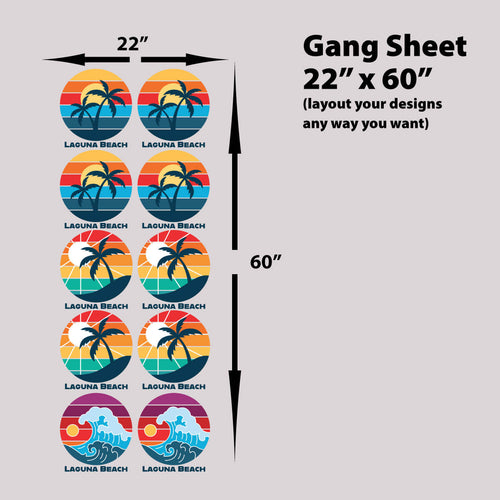
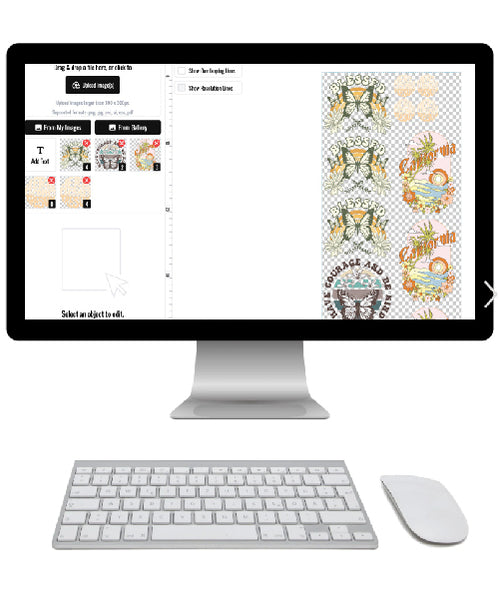
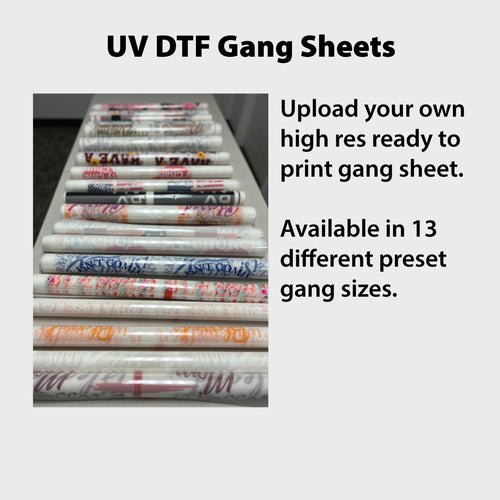
| Gang sheet | Several designs on one sheet | From $0.017 per square inch | Arrange designs with the online tool |
| We Build a Gang Sheet for You | Buyers who want the layout done for them | $25.00 | Provide artwork and sizes |
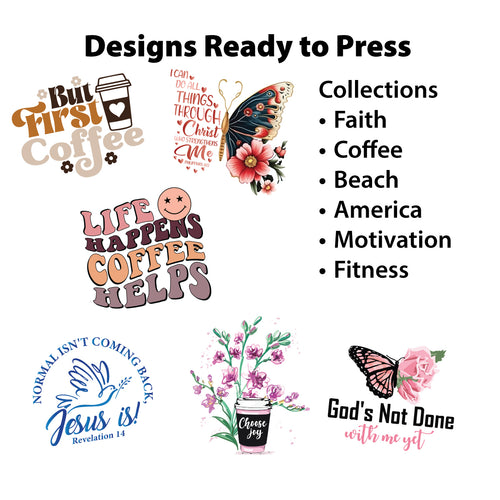
| Ready-to-press designs | Themed or seasonal orders | Choose a design | Select a ready-to-press transfer |
| Apparel pressing | Garments that need professional pressing | Bring prepared garments | Provide the garments for pressing |
DTF Print Only suits buyers who already have a heat press and want control over application. Create or upload your design, select single-size prints or gang sheets, and receive professionally printed transfers shipped directly to you.
Choose Print and Press if you want Lion DTF Transfers to apply the design to your garment. Use DTF by Size for a single design at a chosen dimension. For mixed artwork, a gang sheet groups multiple designs; the $25.00 layout service is for buyers who want Lion DTF Transfers to build that sheet.
Ready-to-press designs suit orders that do not need custom artwork. Apparel pressing handles application, so bring garments prepared for the service.
Before ordering, decide which tasks your team will handle: preparing artwork, arranging a gang sheet, pressing garments, and checking the finished result. Compare the listed transfer price with any layout or pressing service you need, then confirm delivery timing for your order.
How DTF Transfers Are Made
A DTF transfer works like a decal: the design sits on a carrier film until heat bonds it to the garment. Adhesive does the sticking, so the quality of that adhesive layer matters as much as the printed image.
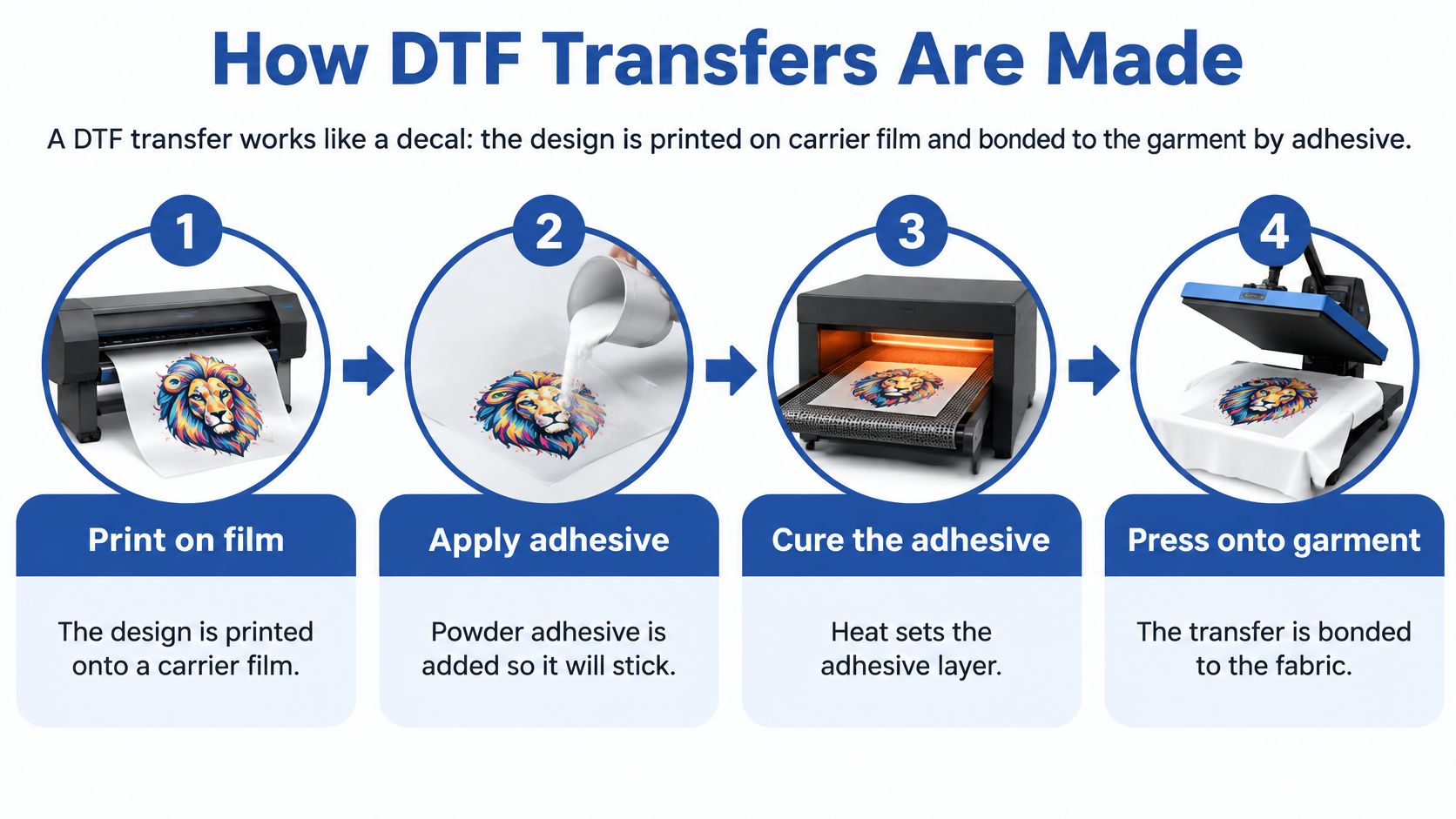
From wet ink to a usable transfer
- Print on film. A printer with white-ink capability deposits water-based pigment ink onto PET film. The white layer supports full-color artwork on the garment.
- Apply adhesive powder. Hot-melt polyurethane powder coats the design while the ink is wet. Even coverage helps the finished graphic bond consistently.
- Cure the adhesive. Heat melts and fuses the powder with the ink. Incomplete curing leaves weak anchoring and can cause wash-related peeling.
- Press onto fabric. Heat and pressure bond the transfer to the garment. With our hot-peel film, the carrier is removed while still warm.
Gelato's DTF process guide describes a commonly cited curing range of approximately 110 to 120°C for 2 to 3 minutes, followed by pressing at roughly 150 to 165°C for 10 to 20 seconds under medium-to-firm pressure. These are reference ranges, not universal instructions for every transfer.
What the process means for your order
Unlike cut vinyl, DTF requires no weeding and reproduces fine details and thin lines. Unlike screen printing, it doesn't require a separate screen setup for the artwork, making mixed-design orders practical.
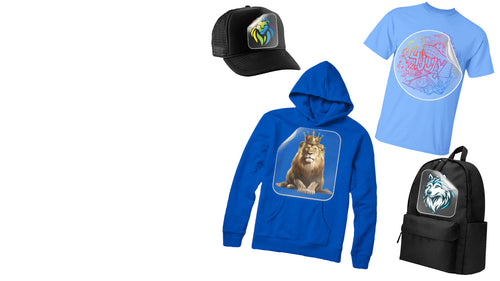
Cotton, polyester, and blends are suitable options, but the actual garment still needs testing. Heat sensitivity, fabric finishes, and stretch can affect the result.
Production check: Ask which film, ink, adhesive powder, and press settings the supplier uses. Printer resolution alone won't tell you whether the graphic will stay attached.
How to Order and Press Your Transfers
Start with the finished garment in mind, not the size of the image on your screen. This workflow connects artwork preparation to application.
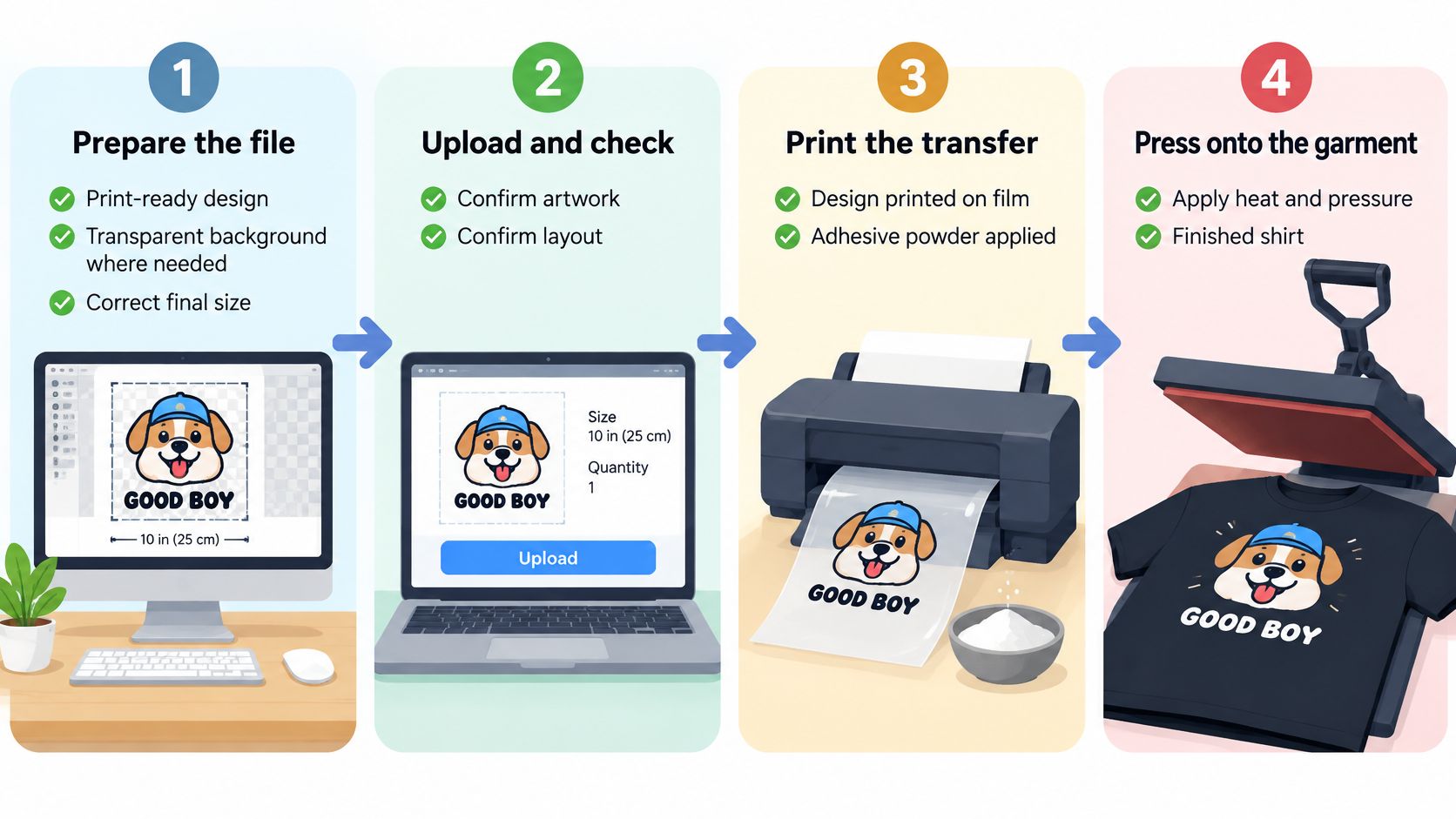
Prepare and approve the order
- Prepare a print-ready file. Use the correct final dimensions and a transparent background where needed. Measure the intended placement on the garment rather than judging scale from a monitor.
- Choose the service. Select a single-size transfer for a straightforward design order or a gang sheet for mixed artwork. Keep garment placement and required quantities beside your files.
- Arrange the sheet. Use our Auto-build gang sheet builder and preserve safe cutting space between graphics. Don't enlarge low-resolution artwork to fill empty film.
- Review before paying. Check that every design appears, lettering reads clearly, and dimensions suit the intended garment. An attractive preview isn't enough if the sleeve logo is chest-sized.
- Complete approvals promptly. Place the order and respond quickly to artwork questions. Confirm whether production starts at payment or after file approval.
Apply a test before the full run
Set the press using the instructions supplied with your transfer. Our DTF heat press settings guide helps you check application requirements instead of treating a general temperature range as a fixed setting.
- Pre-press the garment for 5 seconds. This drives out moisture and prepares a flat application area.
- Position, cover, and press. Cover the transfer with Teflon or parchment paper, then press with medium pressure for 10 seconds, using the specified temperature. Keep seams and bulky areas from disrupting contact.
- Peel while warm. Remove our hot-peel film right after pressing, following the film instructions. Pressing and peeling take seconds, but accurate positioning deserves attention.
Watch the application demonstration before starting unfamiliar work.
Test on a spare garment of the same fabric. Check hand feel, edge sharpness, and adhesion before pressing the remaining pieces.
Gang Sheets That Cut Your Cost per Design
A gang sheet puts several graphics on one film area. When pricing follows sheet area, reducing unused space can lower the cost per design, provided the tighter arrangement reduces the billable area.
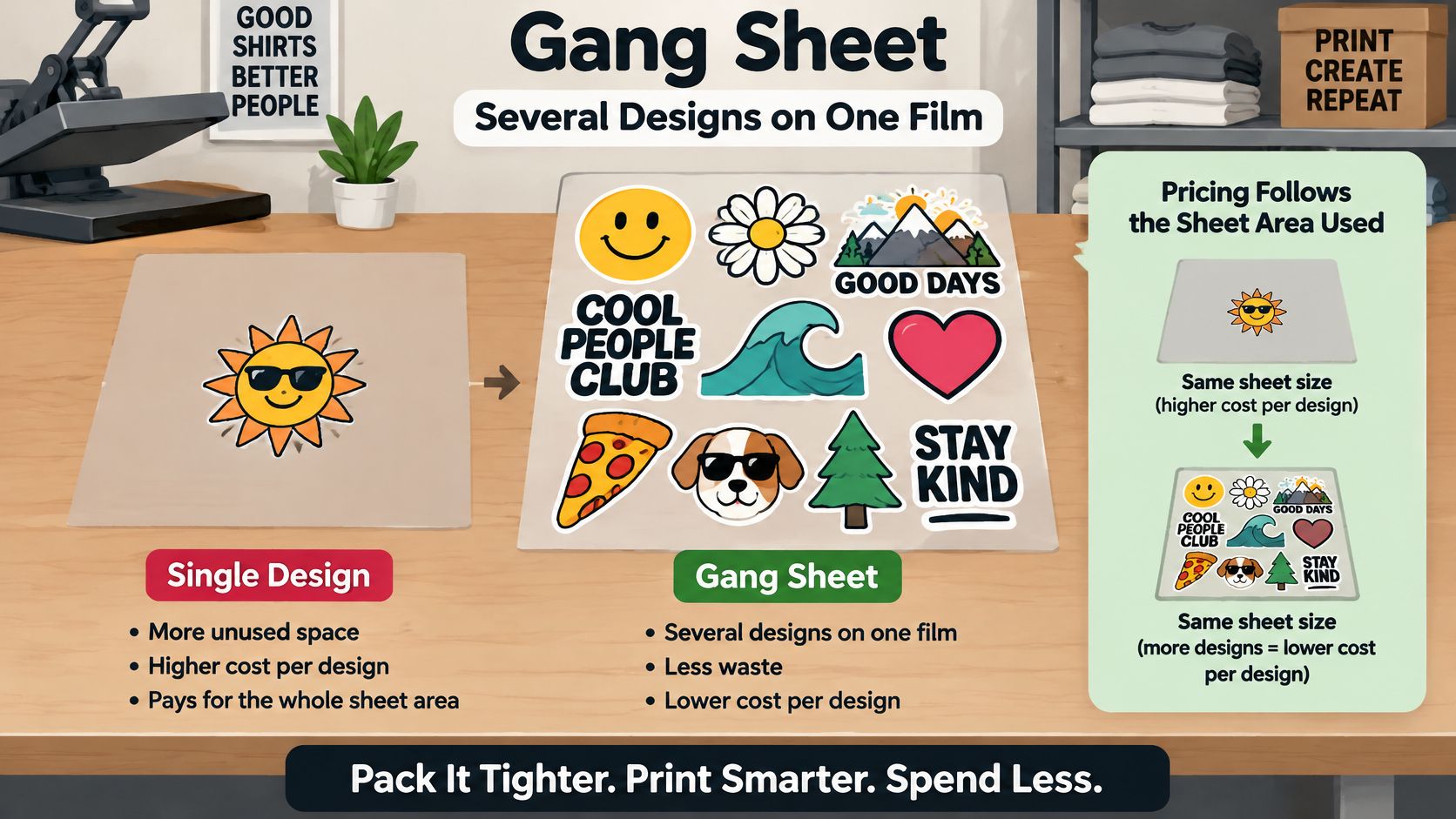
Our Auto-build gang sheet builder places uploaded designs into available space, reducing manual sizing and repositioning work. It's an easier, more cost-effective way to combine logos in one print run than preparing separate sheets unnecessarily.
Say a sports team needs a dozen logos in different sizes. Combining them on a sheet lets you review the whole job together rather than manage twelve separate orders. Our DTF gang sheet guide explains how to approach mixed-design layouts.
Save film without creating cutting problems
The provider's pricing rules, minimum dimensions, and spacing requirements still apply. Artwork needs suitable resolution and transparent backgrounds where required, and some space must remain around cuts.
Before paying, check:
- Completeness: Every graphic and required repeat is present.
- Separation: Designs don't overlap, and scissors can reach the cut lines.
- Readability: Small text and fine elements remain clear.
- Dimensions: Each graphic fits its intended garment placement.
A tightly packed sheet isn't a bargain if you can't cut the transfers apart safely.
If you don't have time to arrange files, We Build a Gang Sheet for You is listed at $25.00. Send your artwork and requested sizes for the team to arrange.
Layout efficiency also doesn't replace your responsibilities when selling decorated apparel. The FTC's clothing and textiles guidance is the relevant compliance reference, not a technical specification for gang-sheet production.
Turnaround Times and Delivery You Can Count On
Print time isn't delivery time. A 2025 industry survey reported in Graphics Pro found that quick turnaround was the top customer priority for 66% of respondents, while 92% of transfer providers reported one-to-three-day turnaround and only 65% said they always met promised delivery timelines.
We often provide 24-hour printing, but that doesn't mean a shipped order arrives within that window.
Turnaround options and what delays them
| Option | Typical Timing | What Can Delay It |
|---|---|---|
| 24-hour printing | Often completed within 24 hours | Artwork approval and file corrections |
| Standard shipping | Orders ship in 1–2 business days | Carrier transit time |
| Same-day pickup | Listed as an option | Order cutoff time must be confirmed before ordering |
| Next-day air | Listed as an option | Orders placed after cutoff, weather, or carrier delays |
Count backward from the date you need finished garments
Start with your event or launch date, then reserve time for pressing and inspection. Work backward through transit, dispatch, production, and artwork approval. Shipping starts after production, not when you upload the file.
Address artwork approval and corrections first, then the order cutoff, busy-period capacity, and carrier transit. Don't treat a rush-production upgrade as a solution to an unresolved file problem.
Deadline rule: Add at least one buffer day for proofs and transit, and allow more room when a missed date would make the order unusable.
Same-day pickup can remove shipping exposure; next-day air can shorten transit. Use them for a fixed deadline only after confirming production readiness and service availability.
Before committing, get direct answers to these questions:
- Clock start: Does turnaround begin at payment, file acceptance, or proof approval?
- File correction: Does a revised file restart the production window?
- Contingency: What can happen if the carrier misses delivery?
A dependable plan needs those answers, not just a fast-printing headline.
Quality Evidence to Ask for Before You Order
“Permanent” and “won't fade” are claims, not test results. A tested result describes what happened under defined conditions; a guarantee states what the seller promises and what remedy applies.
ISO 105-C12:2024 specifies methods for determining textile color resistance under industrial laundering. Ask for the method used, laundering conditions, cycle count, and visual or measured pass criteria. This is a colorfastness framework, not automatic proof of every aspect of transfer adhesion.
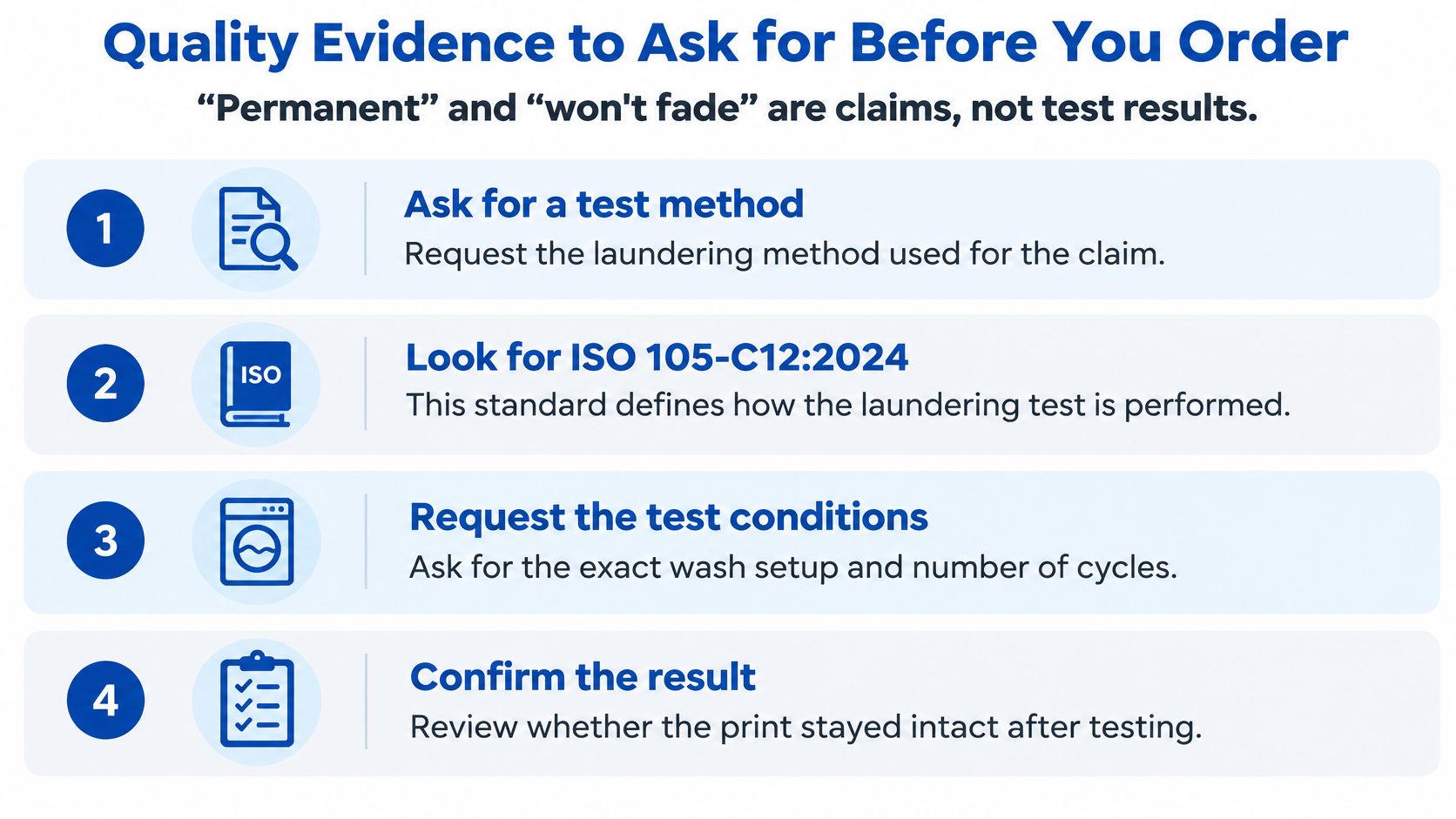
Check the result on your fabric
Request results for cotton, polyester, or the blend you'll sell. Confirm whether the result is tested or guaranteed, and don't assume a successful test on one garment proves performance on another.
Our inks and films are selected for color vibrancy, fine detail, and wash durability. Our premium hot-peel transfers last 100+ washes, but buyers should still request applicable test conditions rather than use a wash count as a complete specification. Our guide to DTF transfer longevity provides further care context.
For color-sensitive work, use our Color Matching Guide, confirm file requirements, and evaluate a printed sample on the intended garment. Wash your sample according to its care instructions several times, comparing edges, color, and cracking against an unwashed reference.
Your buying checklist should include:
- A named method: You know how the claim was evaluated.
- Relevant fabric evidence: Results apply to your garment type.
- Your own washed sample: The finished product meets your acceptance standard.
Labels and Care Instructions for Resold Apparel
For apparel sold in the United States, the FTC's textile labeling guide requires most textile products to disclose fiber content, country of origin, and the responsible business's identity; fibers generally appear in descending order, with each fiber representing at least 5% of product weight identified by percentage.
A DTF transfer doesn't replace that label. Keep the original information or properly account for it when preparing garments for resale, including when adding your own branding.
Build care directions from evidence
Under the FTC Care Labeling Rule, covered garments need care instructions at sale describing regular care, including washing or dry-cleaning directions and, for washing, hand or machine washing and permitted water temperature. If packaging or folding hides the label, care information must also appear on the outside packaging or a hangtag.
Write directions that work for both the blank garment and the decoration. Don't invent a wash temperature because it sounds protective, and don't assume a separate care card replaces required labeling.
- Keep the blank labels: Preserve sourcing and required product information.
- Record the composition: Retain each listed fiber and percentage.
- Document care support: Base finished-garment directions on reliable testing and transfer guidance.
This is general guidance, not legal advice. Resolve uncertain relabeling decisions before putting finished products on sale.
Choose a Service and Place a Test Order
Choose the service that removes the work you can't reliably perform. Don't buy extra convenience you don't need, but don't make a customer order your first pressing experiment.
- You own a heat press and have one design: Choose DTF Print Only, using the size-based option for a defined placement.
- You don't own a press: Choose Print and Press and bring the intended garment.
- You have several designs: Use our Auto-build gang sheet builder, then approve the layout before paying.
- You don't have layout time: Choose We Build a Gang Sheet for You at $25.00 and supply artwork with requested dimensions.
Make the first order a controlled test
We offer Free Samples so you can assess color and hand feel before purchasing a larger run. A general sample helps you evaluate the product, but your own artwork on your chosen garment is the more useful production test.
- Request samples and compare the finish with the apparel you plan to sell.
- Order a test transfer and apply it to the actual garment type.
- Wash and inspect it, recording the care conditions and checking the finished graphic.
- Release the bulk order only after approval, leaving deadline room for delivery, pressing, and inspection.
Our specialists and design experts are available seven days a week by call, text, or email. Call or text 833-350-5466, or email orders@liondtf.com, with your artwork, garment details, quantities, and required date so we can help resolve questions before ordering.
Lion DTF Transfers offers custom transfers, size-based ordering, gang sheets, and professional pressing options for makers and small shops. Visit Lion DTF Transfers to request samples or prepare a test order, then confirm your artwork, application requirements, and delivery plan before committing to the full run.