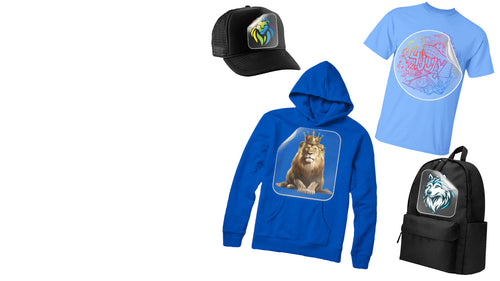
Hats present unique decoration challenges. The structured panels, curved brims, and varied fabric types used across cap styles require a decoration method that is both precise and adaptable. DTF transfers for hats address those challenges directly.
Unlike embroidery, which adds thickness and limits color options, DTF transfers lay flat against the fabric and support unlimited colors, gradients, and fine details in a single transfer. Unlike screen printing, there are no screens to set up and no color-matching minimums to hit. The transfer adheres cleanly to the fabric surface and flexes with the material, which matters for a product that gets worn and washed regularly.
Lion DTF transfers are tested to last 100+ washes, so the branding holds up throughout the cap's full lifespan. That durability is a selling point your end customers will notice.
Fabric Compatibility for Cap Orders
Caps come in a wide range of materials, from cotton twill and canvas to polyester mesh, wool blends, and performance synthetics. DTF transfers perform well across all of them. The adhesive layer bonds to the fabric surface regardless of fiber type, which means you can run structured snapbacks, unstructured dad hats, trucker caps, and performance sport caps through the same workflow.
For a full breakdown of compatible materials, the Lion DTF blog covers what fabrics can be used with DTF transfers across both natural and synthetic fibers. Most materials used in cap construction fall within the compatible range.
Planning Your Bulk Hat Transfers Order
Bulk hat transfers are most efficient when layouts and sizing are planned before production begins. Here is what to consider going into an order.
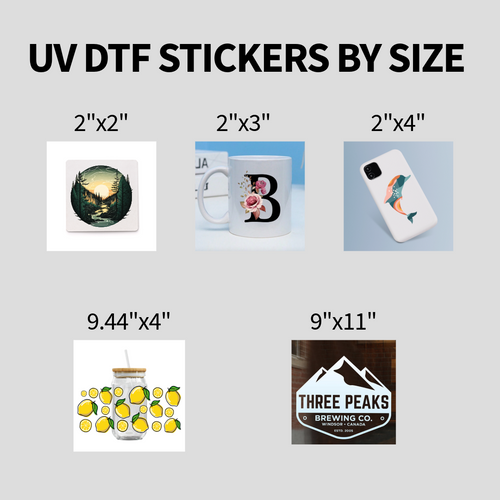
Size matters most on caps. Front panels on structured caps typically accommodate transfers 2" to 4" wide, depending on the cap style and customer preference. Side panels and back panels run smaller. Knowing the exact panel dimensions before laying out your transfers will keep waste to a minimum and placement consistent across the run.
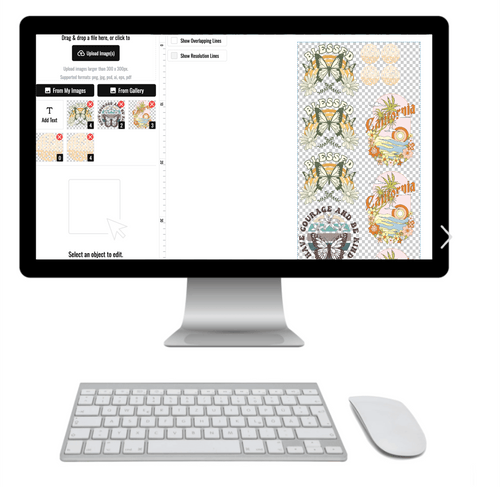
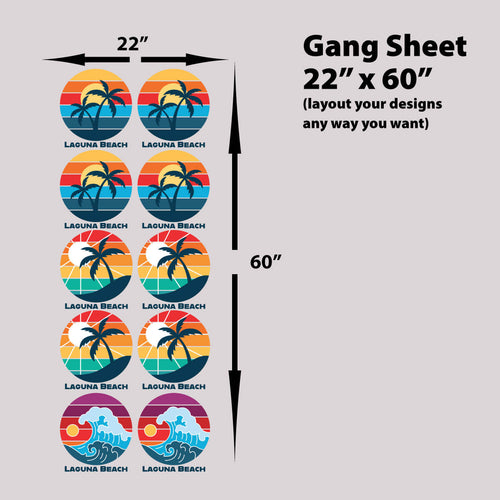
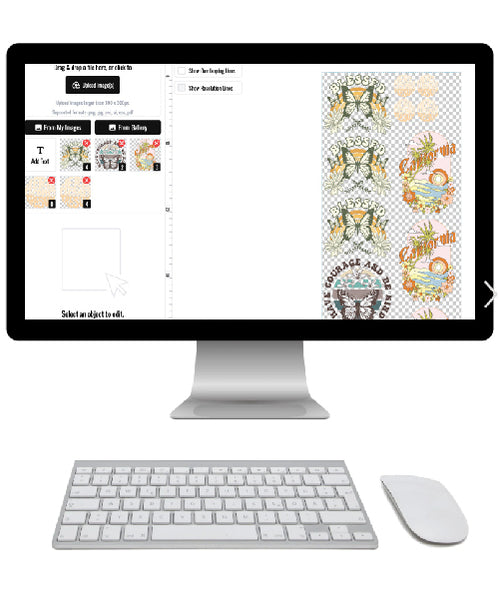
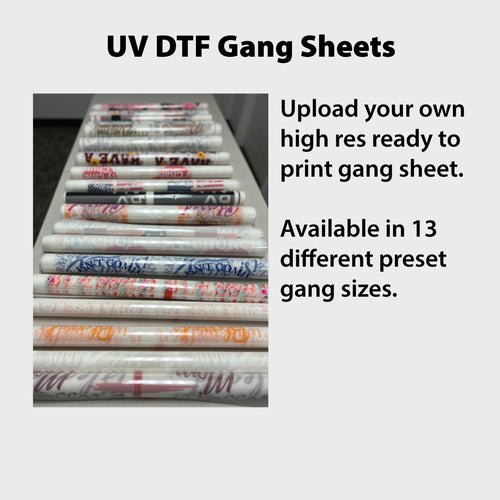
Gang sheets are the most cost-effective way to handle bulk hat orders. By arranging multiple transfer sizes and designs on a single sheet, you reduce material cost and keep per-unit pricing down. Lion DTF's gang sheet builder gives you full control over layout, so you can pack a sheet with front, side, and back panel transfers for a complete cap in a single order.
Wholesale pricing starts at $0.017 per square inch, and there is no minimum order requirement. That flexibility makes DTF practical for small custom runs and large production orders alike.
Application: DTF on Caps
DTF on caps requires a few adjustments compared to flat garment pressing. Most print shops use a cap heat press or a rounded platen attachment to maintain consistent pressure across the curved surface. Flat platens can work for unstructured caps, but structured caps benefit from a form that matches the panel shape.
Lion DTF transfers are hot-peel, which means you can press and peel in seconds. There is no lengthy cool-down and no complicated removal process. Full pressing instructions are available at liondtf.com/pages/pressing-shirt-care-instructions and cover temperature, pressure, and dwell time for best results.
If you have questions about applying transfers to a specific cap style or material, the Lion DTF team is available seven days a week at 833-350-5466 or info@liondtf.com.
Getting the Most Out of a DTF Hat Logo
A well-executed DTF hat logo transfers cleanly onto the cap panel and holds its detail over time. To get the best output, artwork should be supplied at high resolution, with clean edges and color values that match your brand standards.
Lion DTF uses industrial-grade color-matching technology to deliver accurate reproduction in every print run. That means your logo colors stay consistent whether you are running 10 caps or 1,000. For logos with fine lines, small text, or tight gradients, DTF is one of the few decoration methods that reliably handles these details at the cap-panel scale.
If your artwork needs preparation before it is press-ready, the Lion DTF blog covers what is a DTF transfer and walks through how the production process works from file to finished transfer.
Custom Cap Heat Transfers for Branded Merchandise Programs
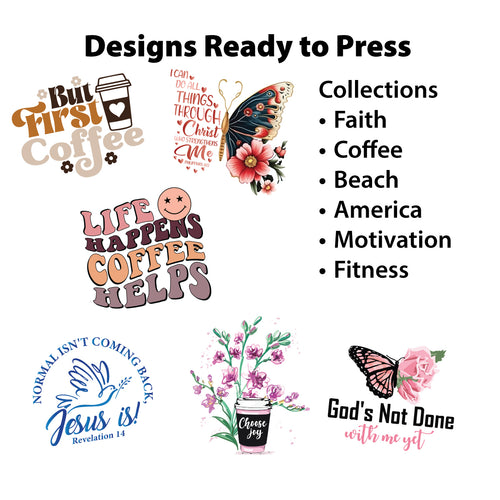
Custom cap heat transfers are a strong fit for branded merchandise programs, team gear, event giveaways, and retail drops. DTF supports short runs without setup fees, allowing brands to test colorways or cap styles before committing to large quantities.
For shops managing ongoing programs, same-day and next-day printing keeps fulfillment timelines tight. Orders ship from Lion DTF's U.S.-based facility within 1-2 business days, so restocking and rush orders stay manageable without disrupting the broader production schedule.
Volume buyers can take advantage of wholesale pricing across gang sheet and by-size ordering formats. The more efficiently you lay out your transfers, the lower your per-unit cost.
Material and Process Transparency
Clients sourcing branded merchandise increasingly ask about the production process and materials involved. The Lion DTF blog addresses are DTF transfers sustainable for shops that need to answer those questions.
For a detailed look at what goes into each transfer, the blog also covers what are DTF transfers made of, which is a useful reference when clients ask about materials before placing a large cap order.