


Key Takeaways:
- Coverage Drives Comfort: A bigger print covers more fabric, so size and placement shape how the shirt wears.
- Layout Is Your Control: Negative space, line work and broken-up solids give a large design room to move with the fabric.
- Test Before You Scale: Press, wear and wash one sample on the production garment before a bulk run.
A customer pulls a shirt with a full-chest graphic out of the box, puts it on and wears it through a warm afternoon. The only question that matters is whether that print still feels like a shirt. That question sits behind every search for DTF breathability.
At Lion DTF Transfers, we print hot peel transfers for screen printers, custom apparel brands and print-on-demand shops. Our prints are wash-tested and built for bulk and wholesale runs, with same-day or next-day printing available.
In this piece, we will cover what affects DTF breathability, how to plan big artwork, and how to test before a bulk order.
What Affects DTF Breathability on a Finished Shirt
A DTF print is a thin, flexible layer pressed onto fabric. If you are new to the process, our guide on what is a DTF transfer explains how the film, ink, powder and press fit together. There is no single answer for every shirt. How breathable a DTF shirt feels depends on how much of the garment the print covers, how dense the artwork is, and which fabric you chose.
A small logo leaves nearly the whole shirt open, and a full-chest graphic does not. That makes DTF breathability something you plan: you set the coverage and layout, pick the garment, then confirm the result on a sample.
Planning a large design? Call, text or chat with our DTF specialists at 833-350-5466 before you order, seven days a week.
DTF Large Designs and Where Comfort Gets Tested
Full-front and full-back placements cover the most fabric, so DTF large designs are where comfort questions show up first. If you want the full breakdown, what are DTF transfers made of covers the film, ink and adhesive layers that explain why. The film carries the design to the shirt and is peeled away, leaving the ink and adhesive on the fabric. A wider print puts more of those layers on more of the shirt, and the wearer feels the total.
DTF Print Hand Feel on Big Placements
Judging DTF print hand feel starts with the print itself. Our transfer guide explains that DTF transfers are made of film, ink, adhesive powder and release film, and the ink and adhesive stay on the fabric. A large, dense, solid placement can feel heavier than a small logo. Coverage, artwork density and the underbase drive that difference. DTF printing uses white ink alongside the colors, so a dense design carries more layers than line work. Open shapes and line work leave bare fabric between the ink areas, which gives the shirt more room to flex.

Breathable DTF Designs: Layout Choices That Help
Breathable DTF designs start in the artwork file. Leave negative space inside the graphic so the shirt shows through. Favor line work and open shapes over dense fills. Scale the artwork to the garment, since a graphic sized for an adult large will overwhelm a small. For very large art, choose a placement that suits the product, or split one big graphic into separate elements that sit apart on the shirt, such as a headline and a smaller illustration with bare fabric between them.
Handling DTF Solid Print Areas
Solid areas cover the most fabric and tend to show the most stiffness, so give each one a reason to exist. Keep solid shapes to what the design needs. Break big blocks up with texture, outlines, gradients or halftone-style fills. Then check them at actual size on a real garment, because a solid block that looks fine on a screen reads very differently across a chest.

Fabric and Product Choices for Bulk Shirts
Fabric changes how a large print wears. Cotton absorbs ink readily and gives the print a smooth canvas. Polyester is durable, and our fabric guide notes that, in general, polyester garments keep their breathability and comfort. Cotton-polyester blends pair the softness of cotton with the durability of polyester. You can compare each material in our guide to what fabrics can be used with DTF transfers.
For a large print, a cotton-polyester blend is a sensible first candidate, since it pairs cotton's softness with polyester's durability, and cotton and polyester are worth testing against it. If you are choosing between polyester and blends, press a sample on each fabric before you commit to a run. The guide's statement describes the fabric alone, so compare your candidate garments on a test shirt at the final print size.
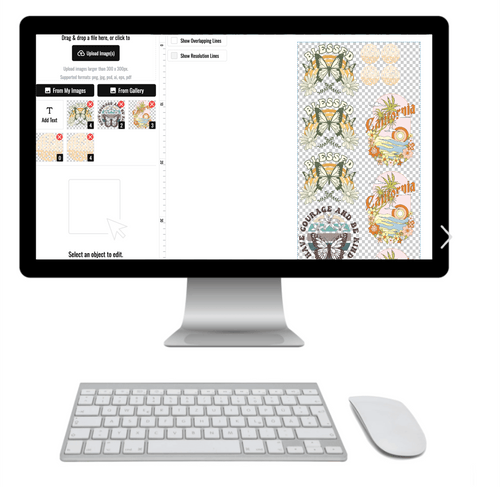
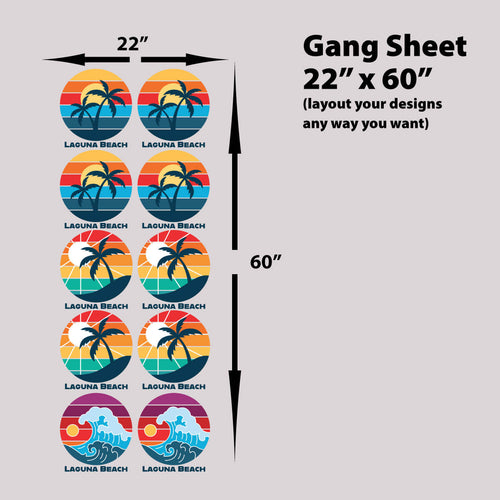
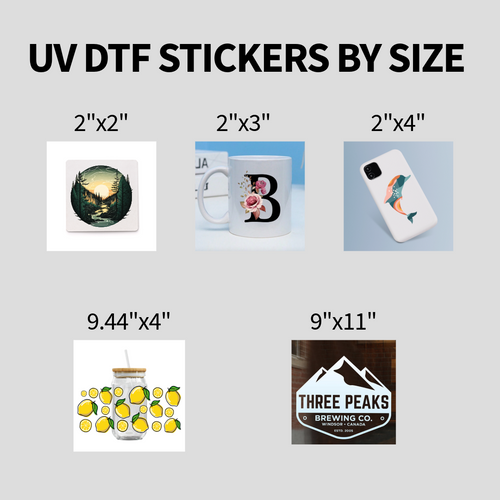
Premium Hot Peel DTF Transfers by Size lets you set the print size for your artwork, with listed sizes up to 10.32in x 11.1in. You upload the artwork, set the print size, add the quantity and check out, and the transfer arrives on hot peel film, ready to press and peel. It ships as a sheet, not cut. Check your design dimensions against the listed variants, then order at the exact print size you tested. For custom layouts, use the Premium Hot Peel DTF Gang Sheet Builder.
Test One Shirt Before You Run the Bulk Order
Press one sample on the production garment, wear it for a full day, then wash it the way customers will. Check hand feel, stiffness and the look of the print afterward, and note any spot where a solid area feels heavier than the rest. If it does, adjust the artwork and press a second sample before you commit.
Our premium hot peel transfers are wash-tested and produce prints that last 100+ washes. A wash on your own garment shows how that specific fabric and artwork hold up.
Testing first also saves material, since one sample costs less than reprinting a bulk run. Buyers often ask are DTF transfers sustainable, and our guide explains how DTF cuts waste.

Final Thoughts
Before you order, check your artwork against the listed print sizes, press one sample at that size, then wear and wash it. If it feels right on the production garment, place the bulk order.
Frequently Asked Questions About DTF Breathability
Is DTF breathable?
It depends on how much fabric the print covers, how dense the artwork is and which garment you choose. We make no airflow claim for our ink or film, so press a sample on your production garment and judge it by wearing it.
Does a large DTF print feel stiff or heavy?
It can, mostly with dense, solid artwork over a large area. Compare a solid-heavy design with a line-work version on test shirts before you decide.
What type of material is DTF?
A DTF transfer is a full-color design printed on a special film, coated with adhesive powder and pressed onto the garment with heat. The film peels away, and the ink and adhesive stay bonded to the fabric.
How many washes does a DTF print last?
Our premium hot peel transfers are wash-tested and produce prints that last 100+ washes. Care and garment still vary, so wash your test shirt the way customers will before approving the bulk run.
Which fabrics work best for large DTF prints?
Cotton absorbs ink readily, polyester is durable and, in general, keeps its breathability and comfort, and cotton-polyester blends pair softness with durability. Compare them on a test shirt at the final print size.
How can I make a DTF design more breathable?
Leave negative space, favor line work over dense fills and scale the artwork to the garment. Break large solids into textured areas. Splitting one big graphic into separate elements also leaves more bare fabric between them.

