Most fabrics used in custom apparel respond to heat press application in predictable ways. Nylon is the exception. It has lower heat tolerance than cotton, polyester, and blended fabrics, so the same press settings that work cleanly on a T-shirt can damage a nylon shell, distort the weave, or cause the transfer adhesive to bond inconsistently.
The challenge is compounded by the fact that nylon jackets vary significantly in construction. Shell weight, backing materials, coatings, and lining fabrics all affect how the outer face reacts to pressure and temperature. For a full picture of how DTF performs across different fabric types, the Lion DTF blog covers what fabrics can be used with DTF transfers across both natural and synthetic materials.
DTF on Nylon Jackets: What the Process Involves
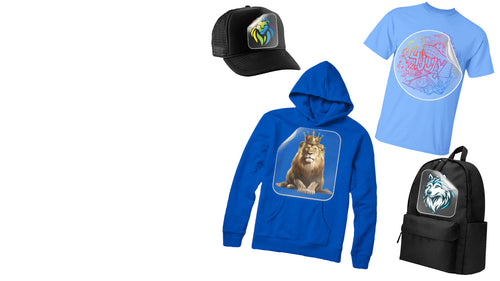
DTF on nylon jackets works by pressing a printed film transfer directly onto the fabric surface using a heat press. The adhesive layer bonds to the nylon face without penetrating the fiber the way dye does, which means the transfer sits on top of the fabric rather than into it. That bond can be strong and durable when the conditions are right, but it requires greater precision with nylon than with most other substrates.
The variables that matter most are temperature, pressure, and dwell time. Nylon requires lower press temperatures than cotton or polyester, typically in the 275 to 300 degree Fahrenheit range, though the exact setting depends on the jacket construction. Dwell time should be on the shorter end to avoid heat buildup that can scorch or distort the fabric. Lion DTF transfers are hot peel, so once the press lifts, the film comes off in seconds. Full pressing instructions are available at liondtf.com/pages/pressing-shirt-care-instructions as a baseline to work from before dialing in settings for your specific jacket.
DTF on Coated Nylon: The Variable That Changes Everything
Surface coatings are the most significant variable in nylon jacket decoration. Many nylon shells come with a DWR (durable water repellent) finish, a PU coating, or a laminated backing. DTF on coated nylon behaves differently than DTF on uncoated nylon because the coating creates a barrier between the adhesive and the fabric surface.
A DWR-coated jacket may accept a DTF transfer cleanly with the correct press settings, or it may resist adhesion entirely, causing the transfer to lift after washing. There is no universal rule because coating types and weights vary by manufacturer and by jacket style within the same product line.
This is exactly why testing before a bulk order is non-negotiable on coated nylon. Press a sample transfer on the specific jacket you plan to use, wash it according to care instructions, and evaluate the bond before committing to production. Lion DTF's team is available seven days a week at 833-350-5466 or info@liondtf.com to help troubleshoot settings before the run goes in.
What to Test Before Placing a Bulk Jacket Order
A structured test run before a bulk nylon order protects your investment and gives you confidence that the final production will be consistent. The test does not need to be large. A small batch of three to five jackets pressed at different settings is enough to identify the right combination of temperature, pressure, and dwell time for the specific shell.
After pressing, let the samples rest for at least 24 hours, then run them through a wash cycle using the jacket's care label instructions. Check the transfer edges, center of the print, and any areas over seams. If the bond holds across all samples after washing, the settings are reliable for the full run.
If you are new to DTF and want a fuller understanding of how the production process works before testing, the Lion DTF blog covers what is a DTF transfer from artwork to finished transfer.
Bulk Jacket Logo Transfers: Planning the Production Run
Once testing confirms that your press settings are dialed in, bulk jacket logo transfers follow the same production workflow as any other DTF order. Artwork should be submitted at 300 DPI with a transparent background, in RGB color mode. For logo-heavy jacket orders where the design needs to run consistently across multiple sizes, vector files in AI or EPS format give the most reliable output.
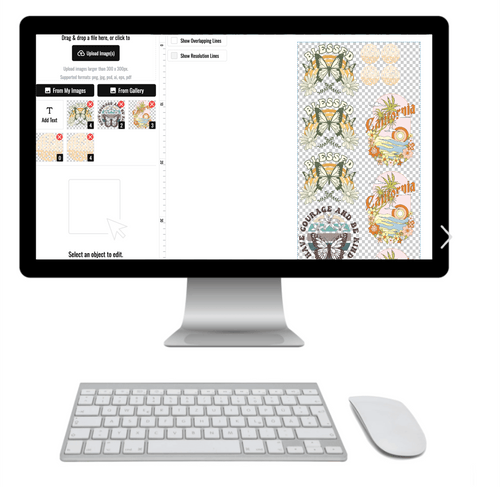
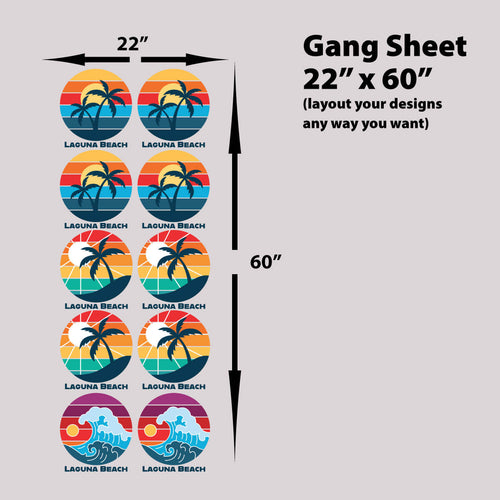
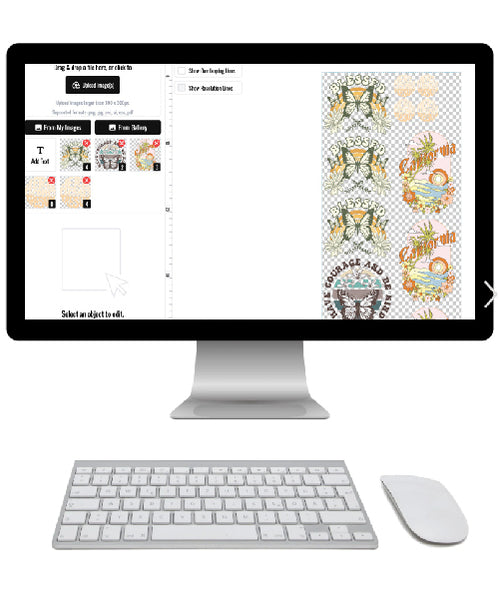
Gang sheets are the most cost-effective format for large jacket runs. Laying out multiple logo transfers on a single sheet reduces material cost and keeps per-unit pricing down. Lion DTF's gang sheet builder gives you full control over the layout before the order goes in, and wholesale pricing starts at $0.017 per square inch with no minimum order requirement.
Same-day and next-day printing are available for shops working against tight fulfillment windows. Standard orders ship within 1-2 business days from Lion DTF's U.S.-based facility.
Nylon Heat Transfers and Long-Term Durability
Nylon heat transfers that are properly applied and tested hold up well over time. Lion DTF transfers are tested to last 100+ washes, and that durability carries over to nylon when the bond is established correctly during the initial press. The key factor is consistent adhesion across the full transfer area, which is why press settings and testing matter so much on this fabric type.
For end customers washing jackets regularly, that durability is a direct reflection of the shop's work, and getting the test run right before bulk production is what makes consistent results possible at volume.
Materials and Sustainability in DTF Jacket Production
Outerwear clients, particularly those sourcing branded jackets for corporate programs or athletic teams, increasingly ask about production materials. The Lion DTF blog covers are DTF transfers sustainable for shops that need to speak to that topic with their clients.
For a detailed breakdown of what goes into each transfer, what are DTF transfers made of is a useful reference when material transparency is part of the conversation ahead of a large jacket order.