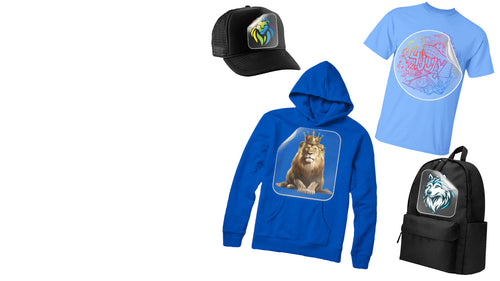
Bags present a different set of challenges than apparel. The fabric tends to be heavier, the surface is flat rather than fitted, and the decoration often needs to stay sharp across a wide print area. DTF transfers handle all of that well.
Unlike screen printing, DTF has no setup fees, no color limits, and no minimum order requirements. A single design can run on one bag or one thousand without changing the per-unit process. Full-color artwork, fine lines, gradients, and detailed logo work all transfer cleanly onto the bag surface, and the adhesive layer bonds to the fabric without cracking, peeling, or fading through repeated use.
Lion DTF transfers are tested to last 100+ washes, which matters for a product like a tote bag that sees regular handling and machine washing. The finished print holds its color and detail throughout the bag's life.
DTF on Canvas Bags: Fabric Compatibility and What to Expect
Canvas is one of the most common materials used in tote bag production, and DTF on canvas bags performs reliably. The woven surface accepts the adhesive layer cleanly, and the transfer bonds well to both natural cotton canvas and cotton-poly-blended canvas. The result is a flat, smooth print that sits flush with the bag's surface rather than sitting on top of it, as some heat-applied methods do.
Jute, non-woven polypropylene, and other bag materials also fall within the range of DTF-compatible fabrics. For a full breakdown of what works across natural and synthetic fibers, the Lion DTF blog covers what fabrics can be used with DTF transfers in detail.
One thing to confirm before production is the bag's surface coating. Some promotional bags come with a water-resistant finish or a laminated interior that can affect adhesion. If you are sourcing bags with any surface treatment, it is worth reaching out to Lion DTF's team before placing the order. They are available seven days a week at 833-350-5466 or info@liondtf.com.
Planning Your Bulk Tote Bag Transfers Order
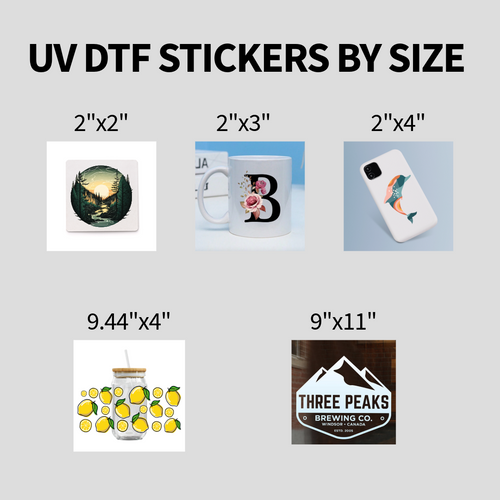
Plan your artwork size and layout before production. Most tote bags have a usable front print area of 10–14 inches wide and tall, though dimensions vary by style. Confirm the printable area to avoid resizing issues.
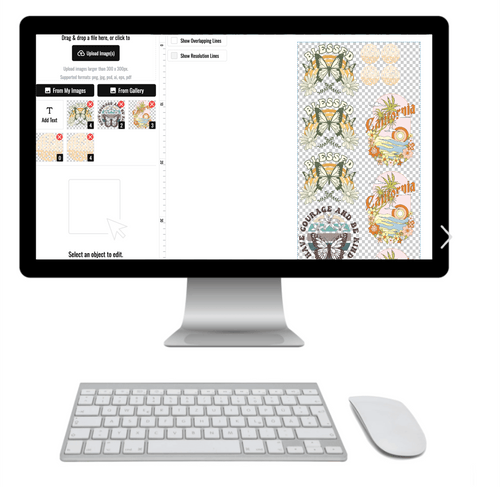
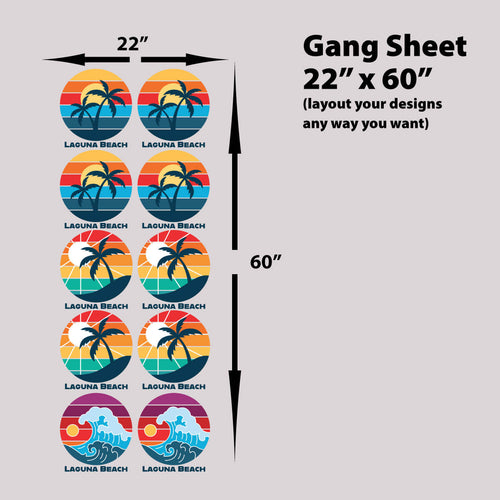
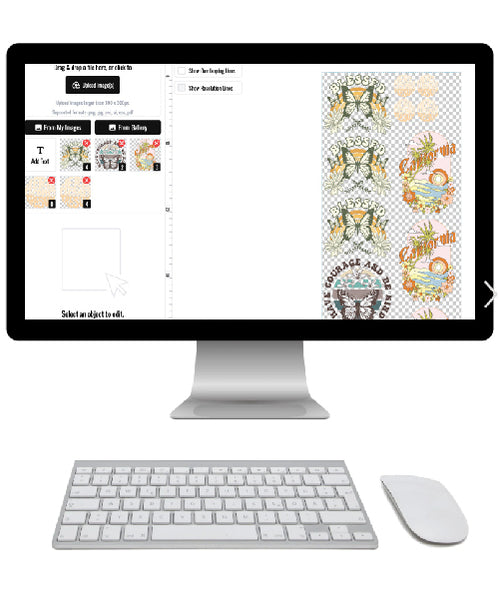
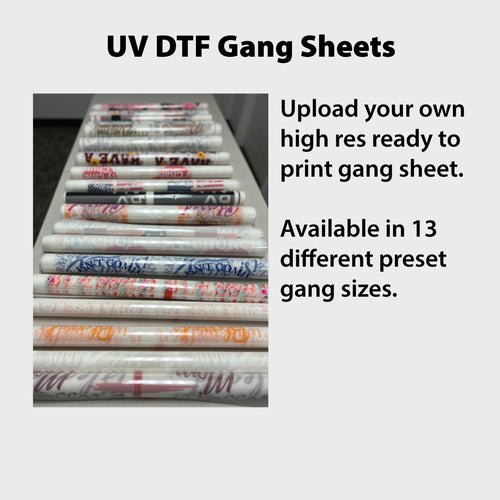
Gang sheets are a cost-effective option for bulk orders, allowing you to combine multiple designs or sizes on a single sheet. Lion DTF's gang sheet builder makes it easy to arrange your transfers before ordering.
Wholesale pricing starts at $0.017 per square inch, with no minimums. Same-day and next-day printing are available, and standard orders ship from Lion DTF's U.S. facility within 1–2 business days.
Applying Tote Bag Logo Transfers: What Print Shops Need to Know
Tote bag logo transfers press the same way as garment transfers, with a few practical considerations for the bag format. Most bags need to be pressed flat, which means inserting a heat-resistant platen or a firm board inside the bag to create a stable pressing surface. This keeps the fabric taut and prevents the press from picking up the back panel or any seams.
Lion DTF transfers are hot peel, so once the press lifts, the film peels away in seconds. There is no waiting for the transfer to cool and no complicated removal process. Full pressing instructions covering temperature, pressure, and dwell time are available at liondtf.com/pages/pressing-shirt-care-instructions.
For shops new to the DTF process, the Lion DTF blog covers what is a DTF transfer as a full walkthrough from artwork submission to finished transfer.
Custom Bag Heat Transfers for Promotional and Retail Programs
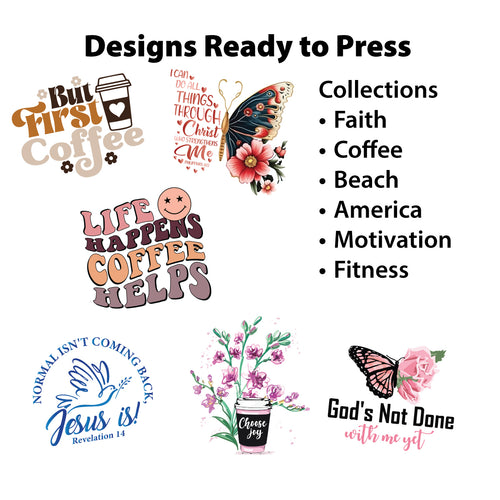
Custom bag heat transfers are a natural fit for branded merchandise programs, event giveaways, retail packaging, and corporate promotional orders. DTF supports short runs without setup costs, allowing brands to test a design or colorway in a small batch before committing to a full production run.
For ongoing programs, same-day and next-day printing keeps restocking timelines tight. Because there are no plates, screens, or color minimums involved, adding a new design or color variant to an existing program is as simple as submitting a new file. That flexibility is one of the main reasons print shops and promotional product businesses rely on DTF for bag programs spanning multiple seasons or product lines.
Artwork Preparation for Bag Transfer Orders
Clean artwork ensures quality transfers. Submit files at 300 DPI at the intended print size, with a transparent background. PNG works well for most designs, while AI, EPS, and SVG vector files are ideal for logos and text that need to scale without losing quality.
DTF printing outputs in RGB, so submit RGB files to avoid color shifts. For precise brand colors, include Pantone references or color specifications. Lion DTF also offers vectorization and design services to help prepare artwork before production.
Sustainability and Materials in DTF Bag Production
Promotional bags are frequently sourced with sustainability in mind, and clients sourcing branded bag programs are asking more questions about the decoration process. The Lion DTF blog covers are DTF transfers sustainable for shops that need to speak to that topic directly.
For a detailed breakdown of what goes into each transfer, what are DTF transfers made of is a useful reference when material transparency is part of the client conversation ahead of a large bag order.