Dark garments require printing methods that can maintain color visibility and design clarity without losing detail. DTF Transfers Dark applications help solve those challenges by creating vibrant prints across different fabric types while keeping the process efficient and adaptable:
How DTF Printing Works
Direct-to-film printing transfers a design from a specialized film onto fabric using adhesive powder and heat. The artwork is printed onto transfer film, cured, and then heat-pressed onto the garment to create a durable finished design.
Why Dark Fabrics Need a Different Approach
Dark materials can make colors appear dull or reduce design visibility. DTF printing builds layers that help graphics remain bold and detailed, even on deeper fabric shades.
Fabric Compatibility Matters
DTF transfers work across cotton, polyester, fabric blends, and other garment materials when proper application settings are used. Learn more about material options in What Fabrics Can Be Used with DTF Transfers and explore fabric performance differences in Polyester vs Cotton, Which One Is Better for DTF Transfers.
Why DTF Continues Growing
Businesses, apparel decorators, and creators continue adopting DTF because it supports detailed graphics while simplifying production. Pre-made transfer solutions can also reduce preparation time for apparel customization projects.
Why DTF on Black Shirts Produces Strong Visual Results
Black garments create a bold foundation for custom apparel, but they can also expose weaknesses in printing methods that struggle with color visibility. DTF on black shirts continues gaining attention because it supports detailed artwork and vibrant prints while maintaining consistency across dark materials:
Improved Color Visibility
Dark fabrics can absorb or mute lighter colors, making designs appear less defined. DTF printing helps graphics stand out by producing solid, visible prints that retain sharp details on black fabric.
Better Design Flexibility
Black apparel often features logos, artwork, text designs, and full color graphics. DTF transfers support intricate elements and gradients, allowing more creative freedom without limiting design complexity.
Consistent Results Across Production Runs
Consistency matters for businesses, brands, and apparel creators producing multiple garments. DTF printing creates repeatable results across larger orders while helping maintain design quality from one shirt to the next.
Faster Apparel Customization
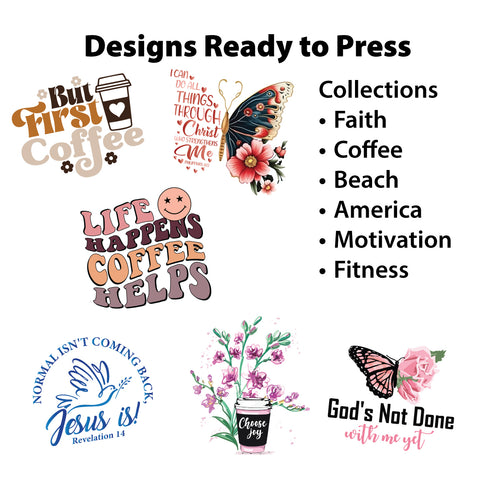
Pre-printed transfer options can simplify production for creators handling custom apparel projects. Businesses looking to streamline garment decoration workflows can explore DTF Transfers Ready to Press for a faster application approach.
Understanding White Ink DTF Transfers for Dark Apparel
Dark garments need strong color support to keep designs clear and visible after printing. White ink DTF transfers help create a solid foundation beneath artwork, allowing colors to appear brighter and more defined on deeper fabric shades.
White ink also improves print clarity for detailed graphics, small text, and color transitions. Instead of fading into darker materials, designs maintain stronger contrast and better visual impact.
This added layer supports more consistent results across cotton, polyester, and blended fabrics. Combined with proper application techniques, white ink helps custom apparel maintain its appearance through regular wear and washing.
DTF Dark Garment Printing: Fabric Selection and Application Tips
The fabric you choose and the way transfers are applied can influence print quality on dark apparel. DTF dark garment printing performs best when material compatibility and application settings work together to support strong, long-lasting results:
- Choose Fabrics That Support DTF Printing: Cotton, polyester, and blended materials can all work well with DTF transfers. Selecting the right garment type helps improve print appearance, durability, and overall finish.
- Apply Proper Heat Press Settings: Temperature, pressure, and pressing time all contribute to transfer performance. Following recommended application settings helps designs bond properly to darker fabrics and reduces printing issues.
- Prepare Garments Before Application: A clean garment surface helps transfers apply more evenly. Removing moisture, lint, or wrinkles before pressing can improve adhesion and create a smoother finished result.
Getting Better Results with DTF Transfers for Dark Fabrics
Creating strong results on dark garments starts with using quality materials and proper application methods. Small adjustments during the printing process can improve durability, color visibility, and overall design appearance:
Use High Quality Transfers
Transfer quality affects print sharpness and long-term performance. Professionally produced transfers can help create cleaner graphics and more consistent results across apparel projects.
Follow the Recommended Press Instructions
Heat settings, pressure, and peel timing can influence how well a design bonds to fabric. Following transfer instructions carefully helps improve print longevity and appearance.
Store Transfers Properly
Transfers should be kept in a clean, dry environment before application. Proper storage helps preserve transfer quality and supports more reliable printing results on dark fabrics.