


Key Takeaways:
- Meaning Clarified: DTF stands for Direct to Film, a versatile method for printing designs onto garments via heat-applied transfers.
- Workflow Advantage: Unlike DTG, DTF printing doesn’t need pretreatment and works on multiple fabric types with vivid, long-lasting results.
- Industry Use: DTF is widely used across custom apparel, accessories, and promotional goods ideal for both small shops and production-scale businesses.
DTF is a term that’s been gaining attention in the printing world, and for good reason. Whether you're running a print shop, customizing apparel for events, or just getting started with heat transfers, you’ve probably heard it mentioned—but what does DTF actually stand for? More importantly, how does it fit into the bigger picture of garment decoration? This method has quickly become a favorite for creators who want crisp, colorful designs that hold up on all kinds of fabric—without the usual printing limitations.
At Lion DTF Transfers, DTF printing isn’t just what we do—it’s what we’ve perfected. We specialize in high-quality, reliable DTF transfers for creators across the country, whether you’re ordering custom prints or grabbing ready-to-press designs. Our products are trusted by small shops and large-scale operations alike, and we back them with the speed, consistency, and color accuracy you can count on. From next-day turnaround to detailed support, we’re here to help you get the results your work deserves.
In this piece, we’ll be discussing what DTF stands for, how the process works, its benefits, how it compares to other printing methods, and where to get dependable DTF transfers.
What Does DTF Stand For?
DTF stands for Direct to Film, a printing method that has become a go-to solution for creating high-quality, full-color transfers for garments and other materials. While the abbreviation may raise eyebrows in non-printing circles, in the world of apparel customization, DTF has a very specific and valuable meaning.
Direct to Film printing involves printing your design onto a special film, applying a powder adhesive, and then heat pressing the transfer onto your chosen surface. This process allows for detailed, vibrant prints that hold up well on various fabrics, cotton, polyester, blends, and more without the need for pretreatment or weeding.
DTF technology has grown rapidly in popularity due to its versatility, ease of use, and sharp print results. Whether you're running a printing business or customizing apparel at home, understanding what DTF stands for is your first step into a world of flexible printing possibilities.

DTF Meaning In Printing
In the world of custom garment decoration, DTF has a very specific role that continues to grow in relevance. Understanding what DTF means in printing gives better insight into how it works and why so many creators are switching to it:
What Is Direct To Film Printing?
Direct to Film printing is a process where a design is printed onto a clear PET film using water-based DTF inks. A layer of adhesive powder is then applied, which allows the design to be heat-pressed onto a garment or surface.
What Makes DTF Printing Different?
Unlike screen printing or DTG, DTF doesn’t require pretreatment or weeding. It works on cotton, polyester, blends, and even non-textile materials, making it one of the most adaptable options available.
Why It’s Popular In The Printing Community
DTF is gaining momentum because of its efficiency, low learning curve, and professional-quality results. Whether used for small batches or scaling up production, the ability to print transfers ahead of time and press on demand makes it ideal for both businesses and individual creators.
How DTF Printing Works
DTF printing may sound technical, but once broken down, the process is surprisingly straightforward. Here’s a clear look at each step involved in creating a Direct to Film transfer:
1. Print The Design On PET Film
Using a DTF printer, your design is printed in reverse onto a special PET film. The printer uses water-based pigment inks, typically in CMYK plus white, to produce a vibrant and detailed image.
2. Apply The Adhesive Powder
Once the design is printed, a layer of hot-melt adhesive powder is applied while the ink is still wet. This powder is what allows the transfer to bond with the fabric during pressing.
3. Cure The Transfer
The adhesive powder is then melted using a curing oven or heat press (hovering, not pressing down), setting the transfer and preparing it for application. At this stage, the transfer is dry, durable, and ready to use.
4. Heat Press Onto Fabric
The cured film is positioned on the garment, and a heat press is used to apply heat and pressure—usually around 300°F for 10–15 seconds. After pressing, the film is peeled away, leaving a soft, vibrant design on the fabric.
5. Optional Finishing Press
Many users opt for a second press with parchment paper or a finishing sheet. This helps smooth out the texture and gives the print a more professional, matte finish.

Benefits Of DTF Printing
DTF printing offers a range of advantages that make it appealing to beginners, small businesses, and large-scale operations alike. From flexibility to print quality, here are the key benefits that set Direct to Film apart:
Works On A Wide Range Of Fabrics
DTF printing works on cotton, polyester, tri-blends, rayon, spandex, and even some synthetic materials. Unlike methods that require fabric-specific treatments, DTF eliminates that restriction, giving creators more freedom in what they produce.
No Pretreatment Or Weeding Required
One of the standout benefits of DTF is the streamlined process. There’s no need to pretreat garments or weed out excess material like in vinyl transfers. That translates to faster production with fewer steps.
Sharp, Full-Color Results
DTF printers produce vibrant, high-resolution designs with excellent color depth. Whether it's a simple graphic or a photo-realistic image, the results are crisp and long-lasting.
Durable And Stretch-Resistant Prints
Transfers made using the DTF method hold up well over time. They resist cracking, peeling, and fading even after multiple washes while maintaining flexibility on the garment.
Print Now, Press Later
DTF transfers can be made in advance, stored, and applied when needed. This makes it easy to build an inventory of popular designs or prepare for high-volume orders without time pressure.
DTF vs DTG: What's The Difference?
While both DTF (Direct to Film) and DTG (Direct to Garment) are popular printing methods for apparel, they function quite differently. Here’s a closer look at how they compare and where each method stands out:
Printing Method
DTG involves printing directly onto the fabric using water-based inks. It requires pretreatment and works best on cotton garments. DTF, on the other hand, prints the design on a film that is later transferred to the fabric—no pretreatment needed.
Fabric Compatibility
DTF is far more flexible when it comes to material types. It works on cotton, polyester, blends, and even dark or light fabrics without issue. DTG tends to struggle with synthetic fabrics and typically performs best on 100% cotton.
Durability
While both methods produce good-quality prints, DTF transfers often offer superior durability. They resist cracking and fading over time, especially after repeated washing, making them more reliable for activewear and frequently worn garments.
Speed And Workflow
DTG printing is often slower due to pretreatment and drying time. DTF allows for batch production—designs can be printed, cured, and pressed later, which streamlines workflow for many businesses.
Startup And Maintenance
DTG printers can be expensive and require ongoing maintenance. DTF setups are typically more affordable and lower maintenance, making them more accessible to smaller operations or startups.
Common Misconceptions About DTF Printing
Because “DTF” can mean different things in different contexts, people often come across the term and misunderstand what it's referring to, especially outside the printing space. In the world of garment decoration, though, Direct to Film has a clear, professional definition with specific tools, materials, and processes involved.
One common misconception is that DTF is just like heat transfer vinyl (HTV), when in fact, it’s a completely different technique. While HTV requires cutting, weeding, and layering, DTF prints are full-color and don’t require manual trimming. Another misunderstanding is that DTF is only for small projects or hobbyists. In reality, many growing apparel businesses rely on DTF for its scalability, color range, and compatibility with different fabrics.
By clearing up these misconceptions, users can better understand where DTF fits in and why it continues to grow in popularity.

Where To Get High-Quality DTF Transfers
Finding a trusted source for DTF transfers can make all the difference in the final result of your printed products. At Lion DTF Transfers, we focus on quality, consistency, and speed to support creators at every level.
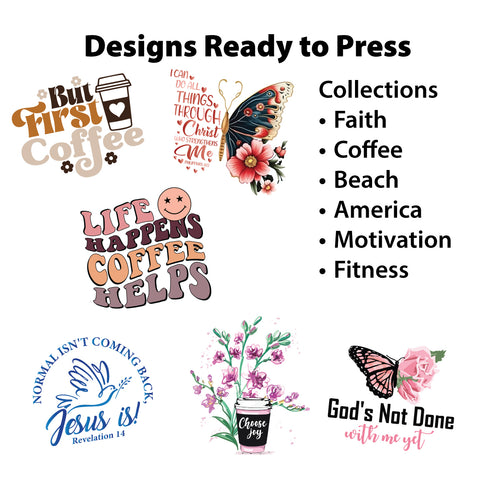
If you're looking to create your own designs, our Custom DTF Transfers allow you to upload artwork and receive ready-to-press prints with sharp details and vibrant color. For faster solutions, browse our DTF Transfers Ready to Press and get designs that are ready to apply the moment they arrive.
Need a quick turnaround? We offer Next-Day DTF services so you can stay ahead of deadlines without compromising on quality. For a broader overview, our blog post on how to make DTF transfers walks through the entire process in more detail.
Whether you're after UV DTF for hard surfaces or a variety of DTF prints, our shop has the resources to help you produce standout results every time.
Final Thoughts
DTF printing has quickly earned its place as one of the most practical and flexible methods in the custom apparel world. From its compatibility with different fabrics to the ability to produce vivid, long-lasting prints without pretreatment, it’s no surprise that more creators and businesses are turning to this method.
Whether you're just learning what DTF stands for or ready to dive into production, understanding the process and its advantages gives you a clear path to high-quality results. With the right tools and a trusted partner like Lion DTF Transfers, you’ll be well-equipped to bring your designs to life.
Frequently Asked Questions About What Does DTF Stand For
Is DTF only used in apparel printing?
No, while it's popular in apparel, DTF can also be applied to tote bags, pillowcases, flags, and some hard surfaces using UV DTF technology.
What kind of printer is used for DTF?
DTF requires a modified inkjet printer capable of printing with textile inks, typically outfitted with white ink support and a roll feeder for film.
Can I use a regular heat press for DTF transfers?
Yes, most standard clamshell or swing-away heat presses work for DTF, as long as they can maintain consistent pressure and temperature.
Is DTF suitable for beginners?
Yes, DTF printing has a low learning curve. Pre-printed transfers are especially beginner-friendly since they remove the need for equipment investment.
How is DTF printing environmentally different from other methods?
DTF printing uses less water than screen printing and produces minimal waste since there’s no weeding or excess ink runoff involved.
Does DTF printing require special software?
Yes, RIP (Raster Image Processor) software is typically needed to manage color layering and white ink underbase for accurate DTF output.
Can DTF transfers be stored for later use?
Absolutely. Cured DTF transfers can be stored in a cool, dry place and remain usable for months without degrading in quality.
Is the texture of DTF prints heavy on the fabric?
DTF prints are thin and flexible, usually softer than vinyl but slightly more noticeable than DTG, especially with full-coverage designs.
What file formats work best for DTF printing?
PNG files with a transparent background are ideal, especially for pre-made transfers. High-resolution images ensure clean print quality.
Can you use DTF on colored or dark garments?
Yes, DTF printing includes a white ink base layer, making it perfect for both dark and light-colored garments without any loss in color vibrancy.

