
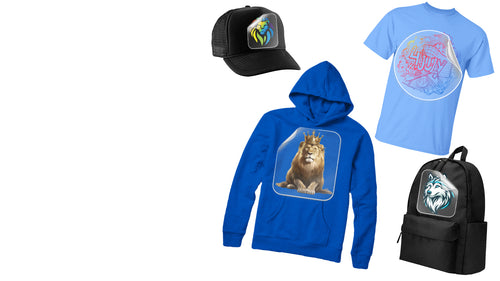



At its core, a T-shirt iron-on transfer is a pretty simple concept: a design printed on special paper, ready to be applied to fabric with a little heat and pressure. It’s a fast, affordable way to turn a blank shirt into something with personality, whether you're using a home iron or a professional heat press.
The world of transfers covers everything from those vintage-style decals you remember to modern, ultra-durable Direct-to-Film (DTF) prints that feel like part of the fabric itself.
The Evolution of Custom T-Shirts

The journey of the iron-on transfer is a cool story, moving from a 1960s counter-culture symbol to a key part of today's custom apparel scene. The real driving force has always been the same: the desire to make something unique, on your own terms. That simple idea is what pushed transfers from basic decals to the advanced printing tech we have now.
From Rebellion to Retail
The whole thing really kicked off in the 1960s, when iron-on transfers gave a voice to a generation ready to make some noise. In fact, at the 1966 California State Fair, officials were scrambling to shut down booths selling plastic decals with cheeky slogans. They were worried the rebellious messages, easily applied with a household iron, would cause a stir.
Pioneered by brands like RoAcH Studios, these transfers were a hit. They delivered on-demand customization that perfectly matched the era's counterculture vibe. Mental Floss actually has a great piece that dives into this disruptive history.
By the 1970s and 1980s, heat transfers went mainstream. They were all over band tees and athletic apparel, offering a speed and color variety that traditional screen printing just couldn't touch. This really paved the way for the next major leap in custom apparel.
The Modern Leap to DTF
Those old-school transfers were notorious for cracking and feeling stiff, but they laid the foundation for the far superior options we have today. Modern Direct-to-Film (DTF) technology is a massive step forward, bridging the gap between DIY fun and professional-grade quality.
Here’s where the real progress happened:
- Feel and Flexibility: Forget those old, plastic-like decals. Modern DTF prints are incredibly soft, lightweight, and stretch right along with the fabric without breaking.
- Exceptional Durability: Today’s transfers are built to last. Our transfers at Lion DTF, for example, are tested for over 100 washes and still hold their color and integrity.
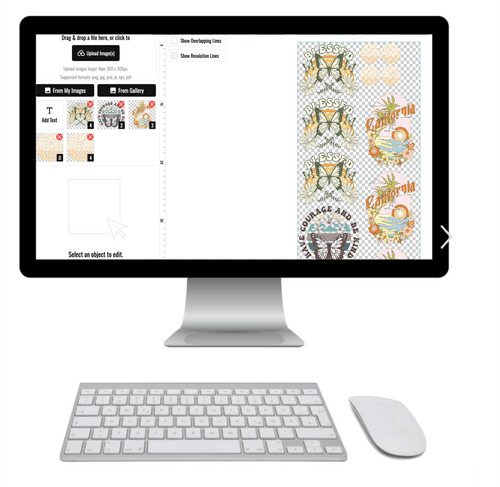
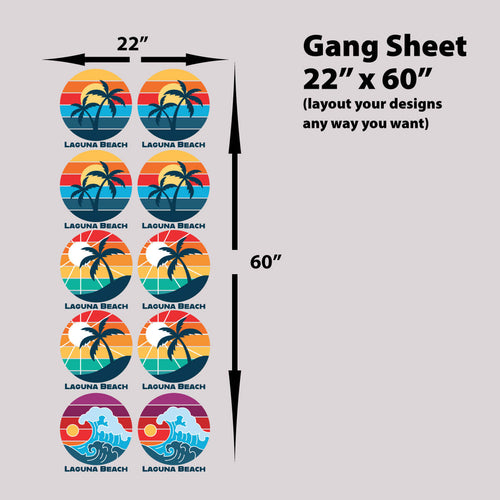
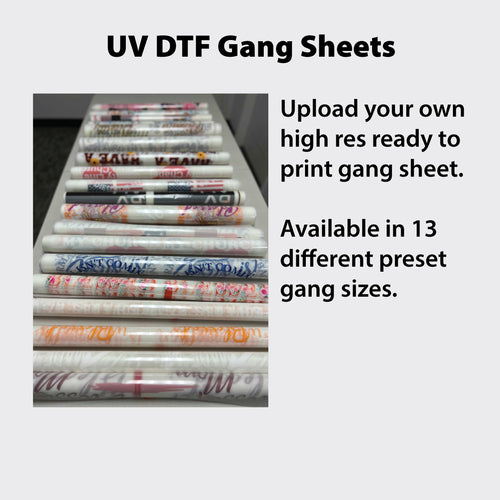
- Cost-Effectiveness at Scale: Tech like our Auto-build gang sheet builder has been a game-changer. It lets you easily pack multiple designs onto a single sheet, which drops the cost per print and makes small-batch production incredibly affordable and easy to manage.
This evolution means that everyone, from a hobbyist making a one-off tee to a growing apparel brand, can get professional results. The classic spirit of DIY customization is alive and well, just with much better, more reliable technology. You can learn more about the different types of transfers available in our guide on transfers for shirts.
Getting your custom tee looking perfect all comes down to two things: the transfers you choose and how you prep your design file. Get these right, and you’ll have a shirt that looks professional, feels amazing, and holds up wash after wash. It’s the difference between a design that cracks and peels after a week and one that becomes a go-to favorite.
Deciding on the right type of t shirt iron on transfers can feel like a big choice, but when you break it down, the best option becomes clear. While methods like Heat Transfer Vinyl (HTV) and screen printing have their moments, Direct-to-Film (DTF) transfers consistently come out on top for all-around performance.
Picking the Perfect Print Method
DTF transfers shine exactly where other methods struggle. Unlike HTV, which forces you to cut and painstakingly weed individual layers of vinyl, DTF arrives as a single, ready-to-press sheet. This is a game-changer for complex graphics, gradients, or designs with a ton of colors—the kind of project that would be a complete nightmare with vinyl.
Screen printing is a workhorse for huge runs of simple designs, but the setup is costly, time-consuming, and messy for every single color. DTF, on the other hand, is built for modern creators and small businesses. You get incredible, high-quality results without the massive overhead, whether you're making one shirt or a hundred. And with tools like an Auto-build gang sheet builder, it’s easier and more cost-effective than ever to order multiple designs at once.
Before you lock in your choice, it helps to see how these methods stack up side-by-side.
Transfer Method Comparison
| Feature | DTF Transfers | Heat Transfer Vinyl (HTV) | Screen Printing |
|---|---|---|---|
| Color Range | Unlimited colors, gradients, and photos | Limited to solid colors; requires layering | Limited colors; one screen per color |
| Feel on Garment | Soft, lightweight, and stretchable | Can feel thick or like a "sticker" | Can be soft but ink sits on the fabric |
| Detail & Complexity | Excellent for fine lines and intricate art | Difficult; requires tedious weeding | Good, but fine details can be lost |
| Fabric Versatility | Works on cotton, polyester, blends, and more | Best on cotton/poly; specialty vinyl needed for others | Primarily for cotton; requires different inks for other fabrics |
| Setup Cost | No setup cost per design | Low, but cost of vinyl adds up | High setup cost (screens, emulsion) |
| Best For | Small to large runs, full-color designs | Simple, one or two-color graphics | Very large bulk orders (100+) of simple designs |
As you can see, for versatility and professional quality without the hassle, DTF is hard to beat.
The real magic of DTF transfers lies in their superior feel, incredible durability, and ability to work on almost any fabric. They bond seamlessly with cotton, polyester, and blends, creating a soft, stretchy finish that won’t crack or peel. We've tested our Lion DTF transfers to last over 100 washes, so you know they're built to last.
Setting Up Your Artwork for Success
Once you've settled on DTF, prepping your artwork is the most important step you'll take. To get that sharp, vibrant print you’re picturing, your design file needs to meet a few simple standards. The absolute gold standard is a 300 DPI PNG file with a transparent background.
Here’s why this specific format is non-negotiable:
- 300 DPI (Dots Per Inch): This is all about resolution. A 300 DPI file is packed with enough data to give you a crisp, clear image. Anything lower, and you risk your print looking blurry and pixelated.
- PNG File: This file type is key because it supports transparency. This is what tells the printer to ignore the empty space around your design, so you don't get that ugly white box printed on your shirt. JPEGs just can't do this.
- Transparent Background: A transparent background ensures that only your design gets printed. The shirt’s color shows through all the negative space, making your graphic look like it's part of the fabric, not a clunky sticker stuck on top.
Maximize Your Value with Our Gang Sheet Builder
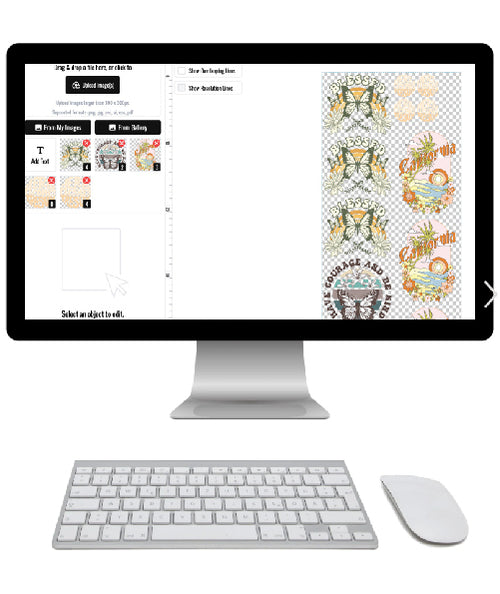
Prepping individual files is one thing, but if you have a bunch of different designs, ordering them one by one gets old fast. This is where you can save a serious amount of time and money. Our Auto-build gang sheet builder is the secret weapon for smart creators.
Instead of uploading each design separately, you just drop all your finished PNG files into the builder. It automatically arranges them onto a single large transfer sheet, fitting as many graphics as possible into the space. This trick dramatically lowers your cost per design and is perfect for anyone looking to scale up their production. It's the smartest way to get more high-quality t shirt iron on transfers for your money, with incredible ease of use.
How to Use a Heat Press for Flawless Results
For a truly professional finish on your custom apparel, a heat press is a game-changer. It’s what separates a good-looking shirt from a great one by delivering the perfectly consistent heat and even pressure that t shirt iron on transfers, especially DTF, need to bond permanently. While a home iron can work in a pinch, a heat press takes the guesswork out of the equation and gives you retail-ready results every time.
Before you even get to the press, the work starts with your artwork. Getting your files set up correctly is the first step toward a great final product.

This part of the process is all about efficiency. Using a tool like our Auto-build gang sheet builder really streamlines the workflow, letting you fit multiple designs onto a single sheet. It's a cost-effective way to make professional printing accessible, even if you're just doing a small batch.
The Professional Pressing Workflow
The secret to a flawless application isn't just one thing; it's a series of small but critical actions you need to get right. The first move, and one that’s easy to overlook, is the pre-press.
Just place your garment on the press and apply heat for about 3-5 seconds. This quick press gets rid of two things that can ruin a transfer: hidden moisture and wrinkles. Both are enemies of a strong, long-lasting bond.
Once your shirt is pre-pressed and smooth, you're ready to position your DTF transfer. Place the design where you want it, cover it with a sheet of parchment paper, and get ready to press.
Here are the specific settings we use every day and recommend for our DTF transfers:
- Temperature: Set your heat press to 240-280°F.
- Time: Press for a solid 7-10 seconds.
- Pressure: Use firm and even pressure across the entire design.
These settings are the sweet spot for creating a perfect bond without scorching the fabric or damaging the transfer. This is where a heat press really shines—it delivers that consistency every single time.
Perfecting the Hot Peel and Final Press
After that first 15-second press, it's time for the "hot peel." This is exactly what it sounds like: you peel the clear film carrier off the design while it's still hot.
Start at a corner and pull the film away in one smooth, confident motion. When you get it right, the film releases cleanly, leaving your vibrant design perfectly fused to the shirt.
But you're not done yet. The final, non-negotiable step is the post-press.
The post-press is what locks the design into the fabric's fibers, enhances durability, and gives the print a beautiful matte finish. Without this step, your transfer may not achieve its maximum wash resistance.
Lay the parchment paper back over the exposed design and press it again for another 5-7 seconds. This simple action melts the ink just enough to let it fuse deeper into the textile. This is how you create t shirt iron on transfers that look and feel like they were printed directly onto the garment, ready to withstand dozens of washes.
If you want to dive deeper, check out our complete guide on how to use a heat press machine for even more pro tips.
Applying Transfers With a Home Iron

While a heat press delivers professional-grade consistency, you can absolutely get great results with a standard household iron. The trick is knowing how to work around its limitations.
Let's be honest: an iron has hot spots and relies entirely on you for pressure. This can make applying modern t shirt iron on transfers feel a little tricky, but it’s far from impossible. With the right technique, you can turn a potential DIY headache into a perfectly pressed shirt.
The biggest mistake I see people make is using a standard ironing board. Its soft, padded surface just absorbs all the pressure you need for a solid, lasting bond.
Setting Up for Success
A good application starts with your setup. Before you even plug in the iron, you need to create a stable, firm pressing station that mimics a heat press.
- Find a Hard Surface: A sturdy wooden table, a kitchen countertop, or even a clean floor will do the job. Just make sure it can handle the heat.
- Protect Your Surface: Lay down a Teflon sheet or a clean, folded pillowcase. This protects the table and gives you a smooth area for your shirt.
- Prep Your Iron: Turn your iron to its highest setting, usually "Cotton" or "Linen." Most importantly, make sure the steam function is OFF. Steam introduces moisture, and moisture is the enemy of a durable transfer.
This simple setup provides the firm base you need to apply direct, even pressure. For a deeper dive, check out our detailed article on how to iron on a transfer.
The Systematic Pressing Method
Randomly sliding the iron around just won't cut it. You need a systematic approach to make sure every part of the design gets enough heat and pressure to bond correctly.
First, pre-press the area of the shirt where your design will go for about 5 seconds. This smooths out wrinkles and gets rid of any hidden moisture in the fabric. Now, place your transfer on the shirt and cover it with the included parchment paper.
Instead of sliding the iron, press down firmly with your body weight. Hold each section for 10-15 seconds before lifting the iron completely and moving to an overlapping section. Work your way methodically across the entire design, giving extra attention to the edges.
One of the most critical parts of using an iron is applying significant, even body weight. You need to press down much harder than you would for regular ironing to ensure the adhesive properly melts and bonds with the fabric fibers.
After pressing, let the design cool for a few seconds before you attempt the peel. If you see any part of the transfer lifting up with the film, stop. Just lay it back down and press that specific spot again for another 10 seconds with firm pressure.
With a bit of patience, your iron-on project can look just as good as a professionally pressed shirt.
Troubleshooting Common Transfer Problems
Even with years of experience, a tricky transfer can ruin a perfect print run. When a **t shirt iron on transfer** just won’t cooperate, it’s frustrating. This guide will walk you through the most common issues and how to fix them, so you can turn a potential reject into a sellable product.
Most transfer failures come down to three things: time, temperature, or pressure. Getting this trio dialed in is the key to a permanent, professional finish. If you see the edges of your design peeling up right after pressing, it's a classic sign that one of these was off.
The number one culprit for peeling edges is almost always a lack of sufficient, even pressure. It’s especially common when using a home iron due to its hot and cold spots, but it can also happen with a heat press if the pressure isn't firm enough.
Don't scrap the shirt just yet. If your design isn't sticking, the fix is usually pretty straightforward.
Fixing Adhesion Issues
If your transfer starts lifting while you’re doing a hot peel, stop what you're doing. Immediately lay the carrier film back down, cover it with parchment paper, and press the entire design again.
This time, focus on increasing pressure or bumping the temperature up slightly, by about 5-10 degrees. For home iron users, this means putting more body weight into it. If you're on a heat press, adjust your pressure setting to be firmer. A second press for another 10 seconds, focusing on the problem areas, almost always solves it.
Another issue is when a transfer looks perfect right off the press but starts cracking after just one or two washes. This is a dead giveaway that the ink didn't cure completely.
- What's Happening: The ink never fully bonded with the fabric fibers. This is usually caused by the temperature being too low, the pressing time being too short, or skipping the final post-press.
- The Solution: Always perform a final press for 5-7 seconds after you’ve peeled the carrier film. This final step is what truly locks the design into the garment, giving it that soft, matte finish and the durability to last wash after wash.
- Best Practices: Always wait at least 24 hours before the first wash. When you do wash it, turn the shirt inside out and use cold water to give the design the best chance at a long life.
Why Do My Colors Look Dull?
Have you ever pressed a design and found the colors looked faded or muted right away? This usually points to too much heat or pressure.
When you press for too long or at a temperature that’s too high for the fabric, you can literally "cook" the ink, stripping it of its vibrancy. Always stick to the recommended settings for your transfers—for our DTF transfers, we recommend 240-280°F for 10 seconds. If you’re working with a heat-sensitive material like polyester, you need to lower the temp and add a few seconds to the press time to compensate. With these small adjustments, you'll be able to salvage most projects and dial in your technique for flawless results.
Your Iron On Transfer Questions Answered
When you're getting into custom apparel, a few questions always pop up. Getting the right answers from the start can be the difference between a project you're proud of and a pile of wasted shirts. Let's tackle the real-world questions we hear most often about t shirt iron on transfers so you can press with confidence.
These aren't just hypotheticals—they're the hurdles that trip up new and experienced creators alike. We'll cover everything from which fabrics to use, how to keep your prints looking sharp, and what all this "peel" talk really means.
What Fabrics Work Best for DTF Transfers?
One of the biggest strengths of modern Direct-to-Film (DTF) transfers is their incredible versatility. Unlike older print methods that were notoriously picky, DTF works beautifully across a huge range of materials.
You can confidently apply our transfers to just about anything, including:
- Cotton: The go-to classic. It provides a perfect surface for rich, vibrant prints.
- Polyester: Ideal for performance and athletic gear. The transfer stretches right along with the fabric without cracking.
- Cotton/Poly Blends: You get the best of both worlds—the softness of cotton and the durability of polyester.
- Tri-Blends: These popular lightweight fabrics are fully compatible and feel great.
- Canvas and Denim: Even tough, rugged materials like tote bags and jackets are no problem for DTF.
This flexibility means you’re not locked into a limited selection of garments. Whether you’re printing team jerseys, branded tote bags, or custom hoodies, you can count on DTF for consistent, professional results.
How Should I Wash My Custom Shirts?
To keep your custom designs looking brand new, proper care is non-negotiable. A few simple steps will protect the print and ensure it stays vibrant and fully intact, wash after wash.
The single most important rule is to wait at least 24 hours after pressing before the first wash. This gives the adhesive the time it needs to fully cure and lock into the fabric fibers for good.
For maximum durability, stick to these instructions:
- Turn the garment inside out. This is the easiest way to protect the design from rubbing against other clothes in the wash.
- Wash with cold water on a gentle cycle. Hot water is the enemy of the adhesive and can break it down over time.
- Tumble dry on a low heat setting. Even better, just hang it to dry. High heat from a dryer can do as much damage as a hot wash.
Follow these steps, and your t shirt iron on transfers can easily handle 100+ washes without cracking or peeling.
Hot Peel vs. Cold Peel: What Is the Difference?
You’ll hear "hot peel" and "cold peel" thrown around a lot. This simply tells you when to remove the clear carrier film after you’ve pressed the design. All of our transfers are hot peel, which we chose specifically to make your workflow faster and more efficient.
With a hot peel transfer, you remove the film immediately after opening the press while the design is still hot. It’s a quick, seamless process.
Cold peel transfers, on the other hand, force you to wait until the shirt and the design have completely cooled down before you can peel the film away. While both methods produce good results, the hot peel process lets you get through a stack of shirts much, much faster—a massive advantage for anyone running a business.
The ability to create custom apparel has come a long way. The mid-20th century saw the technological leap that first brought iron-on transfers into homes, with key developments in the 1950s and 1960s paving the way for the DIY customization we know today. These early innovations laid the groundwork for the advanced tech we now use, like our Auto-build gang sheet builder, which makes custom printing incredibly efficient and cost-effective. You can get a deeper dive into the history of iron-on transfers on Wikipedia.
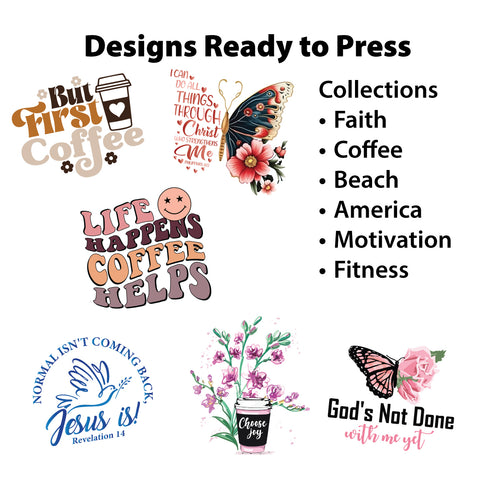
Ready to bring your designs to life with unmatched vibrancy and durability? At Lion DTF Transfers, we make professional-quality printing easy and accessible. Build your custom gang sheet or shop our ready-to-press designs today! Explore your options at https://liondtf.com.