



Transfers for shirts are essentially pre-printed graphics that you apply to a garment using a heat press. Think of them as professional-grade, permanent graphics for fabric, letting you create custom apparel quickly and easily without the messy setup of traditional screen printing.
What Are Shirt Transfers and Why Do They Matter
At its core, a shirt transfer acts as the bridge between your digital art file and a finished, wearable piece of clothing. It gives anyone—from a small Etsy shop owner to a large-scale print operation—the power to press intricate, full-color designs onto t-shirts, hoodies, and more with just a heat press. This simple but powerful method is what drives much of the modern custom apparel industry.
The process itself is refreshingly direct. A design gets printed onto a specialized carrier film, which you then place on the garment and press. The heat from your press activates an adhesive, permanently bonding the ink into the fabric’s fibers. This creates a vibrant, durable graphic that both looks and feels like a high-end product. Unlike direct-to-garment (DTG) printing where the machine prints right on the shirt, transfers are made separately, giving you far more flexibility and control.
The Power of Versatility and Profit
The main reason transfers for shirts have exploded in popularity comes down to one word: versatility. Different jobs call for different tools, and there’s a transfer type for nearly any need, which lets your business serve a much wider range of customers. The main players you'll see in the field are:
- Direct-to-Film (DTF) Transfers: The all-around workhorse. Known for its brilliant colors, soft hand-feel, and unmatched ability to work on almost any fabric, from 100% cotton to polyester and tricky blends.
- Heat Transfer Vinyl (HTV): Best suited for simple, single-color graphics. Think names and numbers on the back of team jerseys.
- Screen-Printed Transfers: A solid choice for large orders with just a few colors. It gives you the classic look of screen printing with the convenience of a transfer.
- Sublimation Transfers: The go-to for incredibly vibrant, all-over prints, but it's limited to 100% white or light-colored polyester garments.
A quick side-by-side comparison can help clarify where each method shines.
Quick Comparison of Popular Shirt Transfer Methods
This table breaks down the four main transfer types to give you a quick snapshot of how they stack up against each other.
| Transfer Type | Best For | Feel on Shirt | Durability |
|---|---|---|---|
| DTF Transfers | Full-color graphics, photos, and detailed designs on any fabric or color. | Soft, flexible, and lightweight. | Excellent; often outlasts the garment. |
| HTV Vinyl | Simple text, numbers, and single-color logos. | Thicker, can feel like a layer on the shirt. | Good, but can crack or peel over time. |
| Screen-Print Transfers | Large runs (100+) of designs with 1-4 solid colors. | Similar to traditional screen printing; slightly raised. | Very good, comparable to DTF. |
| Sublimation | All-over, photo-quality prints on white/light 100% polyester. | Zero feel; ink becomes part of the fabric. | Permanent; will not crack, peel, or fade. |
As you can see, each transfer has its place, but DTF offers the broadest application, making it a favorite for businesses that need to be ready for anything.
The global custom t-shirt printing market is projected to surge from $5.1 billion in 2026 to $12.4 billion by 2036. This explosive growth is driven by demand from schools, sports teams, and e-commerce brands that need high-quality, customized apparel on demand—a perfect scenario for DTF transfers. You can explore more data about this market growth on Future Market Insights.
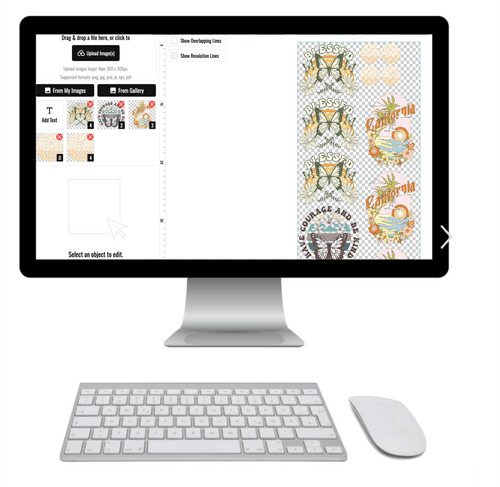
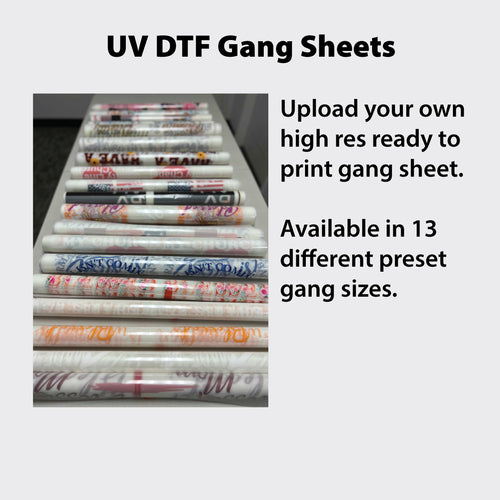
This market boom is exactly why efficiency matters. For any print shop looking to boost its profit margins, ordering transfers on large "gang sheets" is an absolute game-changer. By arranging multiple designs onto a single large sheet, you only pay for the total area, not for each individual design. This is where tools like our Auto-build gang sheet builder become so valuable, as its ease of use automatically arranges your files to pack in as much as possible, saving you money on every run. If you want to get into the nitty-gritty, you can learn more about what DTF transfers are in our detailed guide.
Comparing The Four Main Types of Shirt Transfers
Alright, now that we've got the basics down, let's get into the details. Choosing the right transfers for shirts comes down to matching the method to the job you’re trying to do. Each of the four main transfer types has its own personality, and knowing when to use which is what separates a decent print from a great one.
Think of it like having a specialized set of tools. You wouldn't use a sledgehammer for a finishing nail. In the same way, DTF, HTV, screen-printed transfers, and sublimation are all designed for specific tasks. Let's dig into what makes each one tick so you can grab the right tool for every project.
This visual guide gives you a quick look at how the most popular methods get a design from a file onto a finished shirt.

While every path gets you a finished shirt, you can see that DTF is the most direct and versatile route, handling jobs that would otherwise require a mix of other specialized methods.
H3: DTF Transfers: The Ultimate All-Rounder
Direct-to-Film (DTF) has quickly become the workhorse of the modern apparel world. The process is straightforward: your design is printed onto a special film and then coated with an adhesive powder. When you press it with heat, that design bonds directly to the fabric for a print that’s both incredibly detailed and built to last.
Analogy: Think of DTF as a "digital screen print." It delivers the vibrant colors and durability of screen printing but with the unlimited color count and fine detail of a high-end digital printer. Best of all, it works on almost anything.
That versatility is its real superpower. DTF transfers stick beautifully to just about any fabric you can throw at them, including:
- 100% Cotton and Ringspun Cotton
- Polyester and Poly-Blends
- Tri-Blends and 50/50 Blends
- Nylon and Spandex/Lycra
- Even tough materials like canvas and denim
Because it’s so adaptable, DTF is the go-to for shops that need one transfer type to cover all their bases, from one-off custom shirts to large, full-color runs. It’s a game-changer for designs with gradients, small text, or photos that other methods just can't handle well.
H3: HTV Vinyl: For Simple and Bold Graphics
Heat Transfer Vinyl (HTV) is a classic, especially for crafters and businesses doing simple personalization. Here, your design is cut from a sheet of colored vinyl with a plotter, and then you "weed" away all the excess material by hand before pressing.
Analogy: HTV is basically like a "high-quality vinyl sticker" made for fabric. It’s perfect for bold, simple graphics like a name and number on a sports jersey.
HTV shines with single-color designs. You can layer multiple colors, but it gets slow and the print gets thicker and heavier with each layer. Weeding out complex designs can also turn into a real time-sink. Its best use is for straightforward, high-impact graphics where less is more. For a deeper dive, check out our guide on the different types of t-shirt printing.
H3: Screen-Printed Transfers: Classic and Cost-Effective at Scale
Screen-printed transfers act as a bridge between direct screen printing and heat-applied methods. The process is almost the same as traditional screen printing, but the ink is pushed through a mesh screen onto release paper instead of directly onto the shirt.
Analogy: This method is like having "pre-made screen prints on demand." You get that classic screen-printed look and feel, but with the flexibility to press the design onto a shirt whenever you're ready.
The main draw here is cost, but only on large orders with just a few colors. If you need 100+ shirts with a simple one or two-color logo, screen-printed transfers become really economical. For full-color images or small jobs, though, the complex setup for each color makes them impractical.
H3: Sublimation Transfers: For Unbeatable Vibrancy on Polyester
Sublimation is a totally different animal. In this process, special ink turns into a gas under heat and pressure, permanently dyeing the actual fibers of the fabric. This gives you a print with absolutely no feel to it—the ink is literally in the shirt.
Analogy: Think of sublimation as a "fabric tattoo." The design isn't sitting on top of the material; it’s infused directly into it. The result is an incredibly vibrant and permanent print that will never crack, peel, or fade.
But there’s a major catch. Sublimation only works on 100% white or very light-colored polyester garments. The ink is transparent, so it needs a white canvas to show its true colors, and the chemical reaction can only bond with polymer (polyester) fibers. This makes it the champion for all-over prints on athletic apparel but a non-starter for cotton or dark-colored shirts.
For most businesses looking to maximize their versatility and profit, DTF offers the clearest path forward. By packing multiple jobs onto a single order using a tool like our Auto-build gang sheet builder, you can drop your per-print cost significantly. That blend of ease, quality, and cost-effectiveness makes DTF transfers the smartest solution for scaling your apparel business.
Understanding Cost and Durability

When you're running an apparel business, two things matter more than anything else: how much it costs to make a shirt and how long that shirt will last. Nail that balance, and you’ve got a recipe for profit and a great reputation. The smartest shops figure out how to drive down production costs without ever cheaping out on the quality their customers have come to expect.
For a lot of businesses, transfers for shirts—especially Direct-to-Film (DTF)—are the answer. DTF gives you a path to pro-level quality at a price that makes sense. But to really make it work for your bottom line, you need to understand how the numbers break down.
Decoding the Cost Per Print
The real cost of any transfer isn't the price on the invoice; it's the cost you pay for each individual image. Different transfer types have totally different pricing models. Screen-printed transfers, for instance, come with steep setup fees for every color, making them a tough sell for small jobs but more affordable in huge volumes.
DTF, on the other hand, is much simpler: you pay for the space you use. This is exactly where the gang sheet becomes your best friend for boosting profits.
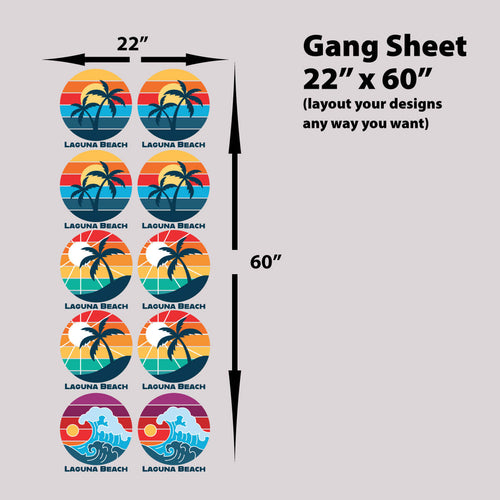
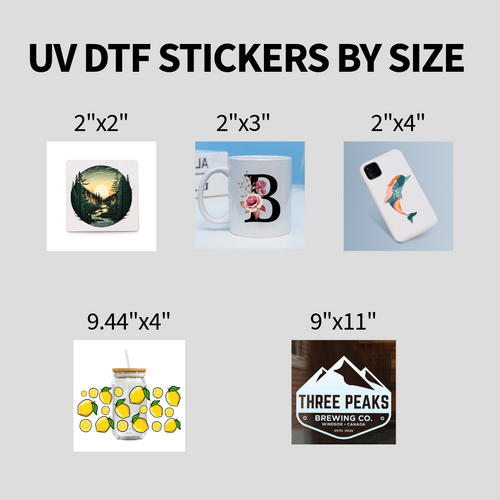
A gang sheet is just a large sheet of transfer film that you can fill with as many different designs as you can fit. So instead of ordering one 11"x11" design, you can order a 22"x60" sheet and pack it with your main logos, left-chest graphics, sleeve hits, and even neck tags—all printed at once.
By ganging up your designs, you only pay for the total film area, not for each individual image. This simple shift can take your cost-per-print from a few dollars down to pennies, completely changing the math on every shirt you sell.
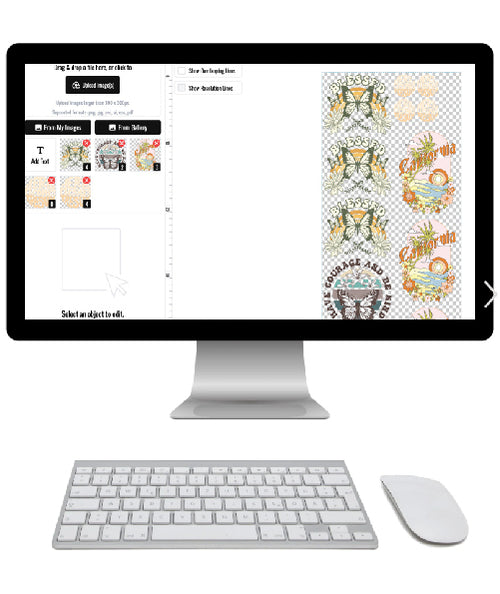
Arranging all those files to fit perfectly can feel like a game of Tetris, and it's easy to waste time and space doing it by hand. That’s why our Auto-build gang sheet builder is such a game-changer. Its ease of use automatically packs your designs together to use every possible inch of film, guaranteeing you get the lowest possible cost per print with zero wasted space.
The Durability Gold Standard
A low cost doesn't mean much if the print flakes off after a couple of washes. A professional transfer has to hold up to real life, and the industry benchmark for quality is the wash test. Top-tier transfers are expected to survive 100+ wash and dry cycles without cracking, peeling, or fading.
High-quality DTF transfers, like the ones we produce at Lion DTF, are engineered to meet and beat that standard. The water-based ink is incredibly flexible and bonds deep into the fabric's fibers, letting it stretch and move with the shirt. This gives the design a soft feel while making it tough enough to last.
That kind of durability isn't just about keeping customers happy; it’s about protecting your brand. A shirt that looks fantastic for years is a walking advertisement for your quality, and it’s what brings people back.
With the demand for custom apparel exploding, getting this right is more important than ever. The global T-shirt market is set to grow from $185.2 billion in 2024 to $221.5 billion by 2032, and most of that growth is coming from personalized and branded shirts. This creates a massive opportunity for shops that can produce great-looking custom gear efficiently. You can dig deeper into this market trend and what it means for the custom apparel industry via Impressions Magazine.
Extending Print Life With Proper Care
You can help your customers get the absolute most out of their shirts just by sharing a few simple care instructions. Teaching them how to wash their garments correctly not only makes the print last longer but also proves you stand behind your product long after it leaves your shop.
Here are a few key tips to pass along:
- Wash Inside Out: This is the single best way to protect a print from rubbing against other clothes in the wash.
- Use Cold Water: Cold water is much gentler on the fabric and the transfer ink, which helps keep the colors bright.
- Tumble Dry on Low: High heat is the number one enemy of any print. A low or delicate dry cycle is always the safest bet.
- Avoid Fabric Softeners: The chemicals in most fabric softeners can slowly break down the transfer's adhesive over time.
- Don't Iron the Design: Never run a hot iron directly over the print. It will melt the ink and ruin the shirt.
By pairing a cost-effective method like DTF gang sheets with a durable, high-quality final product, you set your business up for immediate profit and a reputation that lasts.
How to Order and Press Transfers for Professional Results
Getting from a digital design to a finished, professional-quality garment is where the details really matter. A great transfer can only do its job if the prep work is solid, and that starts long before you even turn on the heat press.
It all begins with your artwork. Without a clean, high-resolution file, even the best transfers for shirts will come out looking blurry or unprofessional. Let's walk through how to get your files print-ready.
Preparing Your Artwork for Printing
First up is resolution. Your design file needs to be at least 300 DPI (dots per inch). Think of it like this: a low-DPI image is like an out-of-focus photo. When it's printed, the edges will look pixelated and soft. At 300 DPI, every line stays sharp and crisp.
Next, you absolutely must have a transparent background. If you upload a JPG or a file with a white background still attached, that white box is going to get printed right onto the shirt. Saving your file as a PNG with transparency ensures only your design makes it onto the fabric.
Finally, stick to standard file formats like PNG, AI, or PSD. It’s always a good idea to check your transfer provider's specific guidelines, but these are usually a safe bet.
Maximizing Value with Gang Sheets
Once your art files are good to go, it's time to order your transfers in the smartest, most cost-effective way possible. This is where gang sheets become your best friend for boosting profits. Instead of ordering one design at a time, a gang sheet lets you fill up a large sheet of film with multiple graphics.
A gang sheet is your secret weapon for lowering costs. By filling a single sheet with various logos, neck tags, and full-size designs, you pay only for the total film area. This strategy dramatically reduces your cost-per-image and maximizes your profit margin on every order.
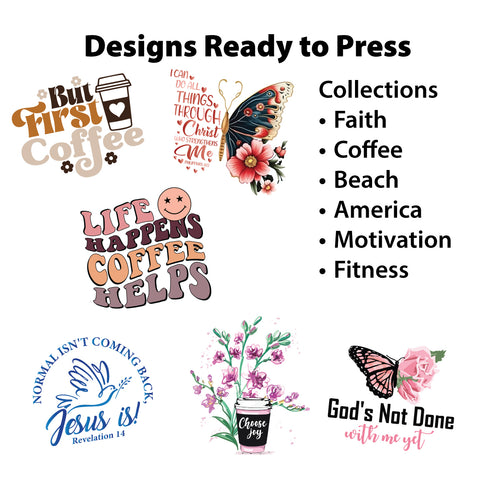
Arranging dozens of files by hand to squeeze every bit of value out of a sheet is a huge time-sink. Our Auto-build gang sheet builder solves this problem completely. Just upload all your designs, and the tool automatically nests them together to use every available inch of space. It's the easiest and most cost-effective way to ensure you're getting maximum value from every sheet you order. You can learn more about how simple it is to get started with our DTF ready-to-press transfers guide.
The Step-by-Step Guide to a Perfect Press
With your transfers in hand, it's time to press. A professional heat press is a must-have here—it delivers the consistent temperature and even pressure you need for a bond that lasts. Here’s how to nail the application every single time.
-
Pre-press the Garment: Lay your shirt on the heat press and give it a quick press for 5-7 seconds. This removes moisture and any wrinkles, giving you a perfectly flat surface for the transfer.
-
Position Your Transfer: Carefully place the transfer on the shirt. For a standard chest print, a good rule of thumb is to position the top of the design about three inches down from the collar. A T-square ruler helps you get perfect alignment every time.
-
Press the Transfer: Cover the transfer with a Teflon sheet and press it based on the specific instructions for your transfer type. For our hot-peel DTF transfers, we recommend 240-280°F for 7-10 seconds using medium to firm pressure.
-
Peel the Film: As soon as the time is up, open the press and peel the film away in one smooth, confident motion. With hot-peel transfers, you have to do this while it’s still hot. No hesitation!
-
Perform a Final Press: This is the pro tip that makes a big difference. Cover the graphic with your Teflon sheet and press it one more time for just 5-10 seconds. This locks the design into the fabric, improving durability and giving it an incredibly soft, matte finish.
Following these steps will give you a vibrant, durable print that feels great and is built to last. This consistent process gives you the confidence to produce professional-grade apparel for any customer.
Choosing the Right Transfer Partner for Your Business
 Picking the right supplier for your transfers for shirts is just as important as choosing the right transfer technology. A great partner isn't just a vendor; they're the reason you can deliver consistent quality that builds your brand's reputation. A bad one? They can sink your reputation with missed deadlines, washed-out colors, and angry customers.
When you’re looking for a supplier, you need a checklist of non-negotiables. This isn’t about finding the cheapest option. It's about finding a reliable ally who can keep up as your business grows and ensure every shirt you send out the door is perfect.
The Print Quality and Color Accuracy Test
The first thing you have to check is print quality. Period. Ask for samples. Any reputable provider will be more than happy to send you their work so you can see it, feel it, and test it for yourself.
Once you have the samples, get up close. Are the colors popping and true to life? Are the fine lines and small text crisp? The print should be clean, with no banding, weird textures, or other defects. A top-tier provider uses serious color management to make sure the design on your screen matches the film you get—that's how you maintain brand consistency.
A partner's commitment to quality needs proof. Look for suppliers who are transparent about their durability tests, like surviving 100+ wash cycles. This shows they have confidence in their materials and process, giving you peace of mind that your products are built to last.
Speed and Reliability of Turnaround Times
In the custom apparel game, speed is everything. Your customers want their orders fast, which means your transfer supplier has to move just as quickly. You should be looking for a partner who guarantees a fast turnaround, with orders shipping in 1-2 business days.
But speed without reliability is useless. Does the supplier actually hit their deadlines consistently? Dig into customer reviews and see what people say about shipping times. Things like same-day pickup or next-day air options are green flags that a supplier gets the urgency small businesses and print shops face every day.
The custom T-shirt market is growing incredibly fast, with an expected 11.08% CAGR to hit $20.05 billion by 2035. To grab a piece of that action, especially in booming regions like Asia Pacific and Europe, you need a partner who can deliver quickly and reliably, every time. You can explore the full research on Precedence Research to see just how big the opportunity is.
Ease of Ordering and Support Systems
Your supplier's ordering process should make your life easier, not more complicated. A clunky, confusing website just slows you down and opens the door for mistakes. A great partner gives you tools that make your workflow smoother and help you maximize every dollar.
An easy-to-use online portal is a must. Does the supplier offer tools that actually help you build your orders efficiently? For example, our Auto-build gang sheet builder was designed specifically to save you money. It automatically arranges your designs to pack as many as possible onto one sheet, making it incredibly easy and cost-effective.
Beyond the website, think about the people behind it. Can you actually get a human on the phone or through chat when you have a question? A partner who offers helpful services like vectorization or a "We Build a Gang Sheet for You" service shows they’re invested in your success. Using this checklist to screen potential partners will help you find a supplier who won't just sell you transfers, but will help you scale your business and deliver amazing products every single time.
Frequently Asked Questions About Shirt Transfers
When you're working with transfers for shirts, questions are bound to come up. Getting solid answers to the most common issues is the fastest way to get confident and make sure every press comes out perfectly. Here are a few of the questions we get asked all the time.
What Is The Best Type of Transfer for Stretchy Fabrics
For anything with stretch, like polyester/spandex blends, DTF (Direct-to-Film) transfers are hands-down the best option. Other transfers can feel rigid and crack when the fabric is pulled, but a quality DTF transfer is made with flexible ink that bonds with the fibers.
It stretches right along with the garment, so the design stays intact without any damage. That’s why DTF is the go-to for athletic apparel, yoga wear, or any other clothing where movement is key.
Can I Use a Home Iron to Apply DTF Transfers
While you could try it for a one-off personal project, using a home iron for any kind of business is a bad idea. We strongly recommend against it. A professional heat press is a must-have because it gives you two things an iron just can't: consistent temperature and even pressure.
An iron has hot and cool spots, and you can't apply pressure evenly across the whole design. This leads to transfers that lift at the edges or fail completely after just a few washes. If you're serious about making apparel that lasts, investing in a real heat press is non-negotiable.
How Do I Ensure My Colors Print Accurately
Getting your colors right is a team effort between your design file and your print partner. First off, always design and save your art in a CMYK color profile. This is the standard for commercial printing and is essential for accurate color reproduction.
Next, your file has to be a high-resolution graphic—300 DPI is the magic number—with a transparent background. This keeps your prints sharp and ensures you don't end up with an unwanted background box on the shirt.
Finally, work with a printer who uses an advanced color management system. This is what guarantees the colors you see on your screen match the final printed transfer as closely as possible, which is critical for keeping your brand consistent.
What Is a Gang Sheet and Why Is It So Cost-Effective
A gang sheet is your best friend when it comes to profitability. It’s a large sheet of transfer film where you can print multiple different designs all at once. Instead of paying for each design separately, you only pay for the total area of the sheet.
You can "gang" together a bunch of different logos, sleeve hits, and full-back designs onto one sheet, which slashes your cost per image. This is the kind of efficiency that makes professional printing both affordable and profitable for shops of any size.
Our Auto-build gang sheet builder, for example, takes this a step further by automatically organizing your files to fill every possible inch of the sheet. It's an incredibly powerful and easy-to-use tool for getting the absolute most value out of every order.
Can DTF Transfers Be Used on More Than Just Shirts
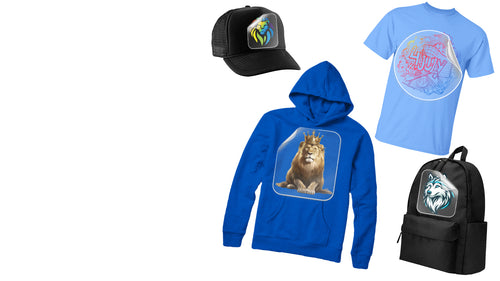
Absolutely. While they’re amazing transfers for shirts, the real power of DTF is its versatility. You can print on a huge range of products and materials, opening up all kinds of new ways to make money and expand what you offer your customers.
Here are just a few ideas of what you can customize:
- Hats and Beanies: Easily press designs onto caps, beanies, and other headwear.
- Bags and Totes: Add custom branding to canvas, jute, or even some nylon bags.
- Koozies and Can Coolers: Print logos on foam and neoprene drink holders.
- Shoes and Accessories: Put unique graphics on canvas sneakers or other small accessories.
The ability to press on so many different items is a massive advantage of DTF. It lets you grow your product line without having to invest in a bunch of different printing technologies.
Ready to create stunning custom apparel with ease and confidence? At Lion DTF, we provide premium DTF transfers that deliver vibrant colors, a soft feel, and unbeatable durability. Use our powerful Auto-build gang sheet builder to maximize your value and get professional results on every order.