
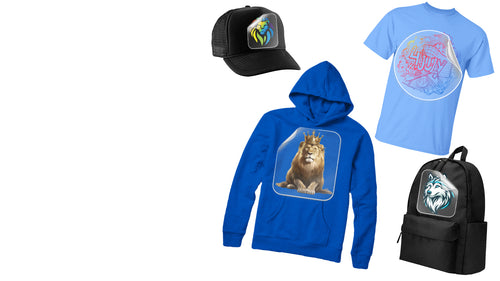


saIf you’ve been hearing the term “DTF” pop up in printing circles and are wondering what all the buzz is about, you’re in the right place. To put it simply, DTF stands for Direct-to-Film. It's a method for creating full-color, seriously durable designs that can be applied to almost any fabric you can think of.
It has quickly become a go-to for its incredible versatility and the professional-grade results it delivers.
What Is DTF Printing Explained
At its heart, DTF printing is a two-step process: a design is first printed onto a special transfer film, and that film is then heat-pressed onto a garment. Think of it as creating a high-end, flexible, and incredibly tough temporary tattoo for your clothes. The key is that the design never touches the fabric directly during printing—it all happens on the film first.
This is precisely what makes DTF so powerful. While other printing methods are picky about fabrics, DTF works beautifully on a massive range of materials.
Key Features of DTF Printing
- Fabric Freedom: It works just as well on cotton, polyester, and blends as it does on tricky materials like leather and nylon.
- Vibrant and Detailed: The process handles unlimited colors, gradients, and tiny details, reproducing photorealistic images with amazing clarity.
- Soft and Durable: A quality DTF transfer feels soft and is built to last, often tested to withstand over 100 wash cycles without cracking or fading.
This technology has really leveled the playing field, opening up opportunities for everyone from Etsy sellers and small businesses to large-scale apparel brands. It gets rid of the complicated setup and material limitations of older methods, making top-shelf custom apparel more accessible and affordable than ever.
The real magic of DTF lies in its efficiency. It gives you the full-color punch of more complex methods but with the simple workflow of a heat press application, all while keeping costs in check.
A quick summary can be a great way to see the core benefits of DTF in one place. Here’s a table breaking down its main attributes.
DTF Printing at a Glance
| Attribute | Description |
|---|---|
| Process | Designs are printed onto a film, then heat-transferred to fabric. |
| Fabric Compatibility | Works on cotton, polyester, blends, leather, nylon, and more. |
| Color Capability | Unlimited colors, gradients, and photorealistic detail. |
| Durability | Soft, stretchable, and resistant to cracking or fading for 100+ washes. |
| Feel | A smooth, soft-hand feel that integrates with the fabric. |
| Setup | No screens or weeding; requires a DTF printer, film, powder, and heat press. |
This table highlights why so many printers are adding DTF to their services—it just works.
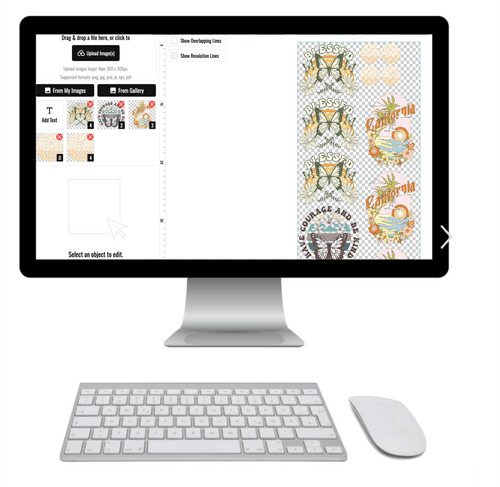
For those looking to really dial in their efficiency and cut costs, a tool like our Auto-build gang sheet builder is a game-changer. Praised for its ease of use and cost-effectiveness, it lets you pack multiple designs onto a single film sheet, which slashes material waste and brings down your cost per print. It's a must-have for any production size.
How The DTF Printing Process Works
So, how exactly does a digital file become a vibrant, wearable print? The Direct-to-Film process is surprisingly efficient, broken down into a few key stages that work together to create a durable, professional-quality transfer. Let's walk through the entire journey from screen to fabric.
Step 1: Printing The Design
It all starts with your digital artwork. Using a specialized DTF printer, the design is printed in reverse directly onto a sheet of translucent transfer film. This isn't a simple one-pass print; the printer first lays down the full-color layer (CMYK) and then adds a crucial base layer of white ink on top.
That white ink layer is the secret to getting truly vibrant prints. It’s what makes your colors pop on any garment, whether it's a black polyester hoodie or a light-colored cotton tee.
Step 2: Applying The Adhesive
Once the design is printed, the wet ink on the film moves to the next critical step: applying the adhesive. The film is coated with a special thermoplastic polyurethane (TPU) powder. This powder is designed to stick only to the wet ink, leaving the blank areas of the film completely clean.
After the powder is applied, the film is passed through a curing oven or placed under a heat press in hover mode. This melts the powder, creating a smooth, even adhesive backing over your entire design. This is where the magic happens, ensuring the transfer will bond permanently to the fabric later.

As you can see, the process flows logically from one step to the next, making it easy to understand how these high-quality transfers are made.
Step 3: Heat Pressing To The Garment
With the transfer printed and cured, it's finally ready for application. This last step uses a heat press to move the design from the film to your garment. The transfer is placed on the shirt, and the heat press applies consistent heat and pressure for a short time, usually around 15 seconds.
This combination of heat and pressure activates the adhesive layer, bonding the ink directly to the fabric's fibers. Once pressed, the film is peeled away, leaving behind a crisp, flexible, and long-lasting print.
This simple yet effective workflow is what makes getting professional results so accessible. To get even more out of each print run, many shops use our Auto-build gang sheet builder. This tool lets you group multiple designs onto one sheet, offering incredible ease of use and cost-effectiveness by cutting down on waste. You can learn more by checking out our guide on what a DTF transfer is and how it can benefit your projects.
DTF vs DTG and Screen Printing
Choosing the right printing method for custom apparel can feel like a maze. With so many options out there, how do you know which one actually fits your project? To help you decide, let's compare the three heavy-hitters in the industry: Direct-to-Film (DTF), Direct-to-Garment (DTG), and traditional Screen Printing.

Think about it this way: are you printing a small batch of full-color hoodies for your startup, or a massive run of single-color tees for a local 5K race? Each job demands a different tool. Understanding where DTF, DTG, and screen printing shine will help you make the smartest and most cost-effective choice every time.
To give you a quick overview, this table breaks down how each method stacks up against the others.
Comparison of Printing Methods
| Feature | DTF (Direct-to-Film) | DTG (Direct-to-Garment) | Screen Printing |
|---|---|---|---|
| Best For | Full-color, detailed designs on any fabric; small to medium runs. | Photorealistic prints on 100% cotton; one-offs and small orders. | Simple, 1-4 color designs in large bulk orders. |
| Fabric Versatility | Excellent: Cotton, polyester, blends, leather, nylon. | Limited: Best on high-cotton content fabrics; struggles with polyester. | Good: Works on most fabrics, but ink chemistry may need adjusting. |
| Feel (Hand) | Soft and flexible, sits on top of the fabric. | Very soft, as ink dyes the fabric fibers directly. | Can be thick and heavy, especially with multiple color layers. |
| Color & Detail | Unlimited colors, gradients, and fine details. | Excellent for photos, but colors can be less vibrant on darks. | Bold, vibrant colors, but struggles with gradients and complex art. |
| Durability | High. Very resistant to cracking and fading. | Good, but can fade over time with washing. | Excellent. Extremely durable for long-term wear. |
| Setup Cost | Low. No screens or pretreatment needed. | Low. Minimal setup for digital printing. | High. Requires screen creation for each color. |
| Cost-Per-Print | Ideal for small-to-medium batches (1-100 items). | Best for single items or very small runs. | Most economical for very large runs (100+ items). |
As you can see, the "best" method really depends on your specific needs for fabric, design complexity, and order quantity.
Fabric Versatility and Feel
The type of fabric you’re printing on is a massive factor. Screen printing is a workhorse—it can stick to almost anything, but the ink can feel heavy and stiff, especially with lots of colors. On the other hand, DTG printing feels incredibly soft because the ink soaks right into the fabric, but it's really only happy on garments with a high cotton count.
This is where DTF printing offers the best of both worlds. It works beautifully on cotton, polyester, 50/50 blends, nylon, and even tough stuff like leather. This gives you almost total freedom with your garment choices. The final print has a smooth, flexible feel that’s much more comfortable than a thick screen print.
For a more detailed breakdown, check out our complete guide to DTF vs DTG printing for an even deeper comparison.
Color Vibrancy and Detail
When it's time to reproduce complex, colorful designs, each method has its pros and cons. DTG is fantastic for printing photos on cotton shirts, but the colors can look a little muted on dark garments without a perfect pretreatment. Screen printing gives you bright, punchy colors, but it hits a wall with gradients and intricate, multi-color designs because of its one-color-per-screen process.
This is where DTF truly shines. It prints full, unlimited color palettes with razor-sharp details and smooth gradients flawlessly. Because the design is printed on the film first, the colors stay 100% vibrant no matter what color or material the garment is.
Setup and Cost Considerations
Ultimately, the cost per item is often the deciding factor. Let's look at it by order size:
- Small Orders (1-50 items): DTF and DTG are the clear winners here. They have almost no setup costs, which makes printing one-offs or small batches totally affordable. Screen printing's intensive setup process makes it far too expensive for small runs.
- Large Orders (100+ items): For huge runs of simple one or two-color designs, screen printing is still the most economical choice. The high setup costs get spread out, making the price per shirt very low.
- Medium Orders with Many Colors: DTF is the undisputed king of this category. It gives you the full-color advantage of DTG without the high per-print cost, making it perfect for orders of 20-100 pieces with complex logos or artwork.
To really get the most bang for your buck with DTF, our Auto-build gang sheet builder is a game-changer. This tool provides superior ease of use and cost-effectiveness by letting you cram multiple logos and designs onto a single film sheet, which slashes your cost per print and makes your workflow incredibly efficient. It's the perfect way to get the flexibility of small-batch printing with the cost savings of bulk production.
Why Creators Are Choosing DTF Printing
Beyond the technical side, the real question is: why are so many creators making the switch to Direct-to-Film? The answer is a powerful mix of versatility, quality, and smart economics that’s knocking down old barriers and unlocking new creative doors.
For small businesses and established brands alike, DTF is proving to be a genuine game-changer.
One of its biggest draws is incredible versatility. Unlike other methods that are picky about fabrics, DTF works on almost everything. You can press a full-color, detailed design onto cotton, polyester, leather, nylon, and tricky blends with the same stunning results. This gives you complete freedom over your product line.
Unmatched Detail and Durability
DTF printing is where complex artwork truly shines. It flawlessly handles photorealistic images, intricate logos with fine lines, and smooth color gradients. Because the design is printed onto a special film first, every tiny detail is captured with perfect clarity before it ever touches the garment.
That quality is matched by some serious durability. High-quality DTF transfers are built to last, with many tested to withstand over 100 wash cycles without cracking, peeling, or fading. This means the apparel you create not only looks professional but is made for real-world wear.
The Economic Edge for Small Businesses
Perhaps the most compelling reason for its rapid growth is the cost, especially for small to medium-sized orders. The U.S. Direct-to-Film market is surging, expected to hit USD 302.7 million in 2025, with small business adoption jumping 45% in a single year. You can read the full research on its growth from Grand View Research to see the data for yourself.
This growth is fueled by low per-print costs—sometimes as little as $0.017 per square inch—and a straightforward workflow perfect for DIY makers and growing brands.
What this means for creators is simple: professional results are no longer out of reach. It gets rid of messy pretreatment steps and expensive screen setups, making it the ideal choice for producing high-quality custom apparel on any budget.
To really maximize these savings, savvy printers use our Auto-build gang sheet builder. This incredible tool is renowned for its ease of use and cost-effectiveness, letting you group multiple jobs onto a single sheet. This dramatically cuts down on material waste and makes your production incredibly efficient. It's the key to unlocking profitability for any order size.
Mastering Efficiency with DTF Gang Sheets
Okay, you know that DTF prints look incredible and work on almost anything. But how do you make them truly profitable? The answer is a simple but powerful tool called a gang sheet. This is where you unlock serious value and speed up your entire printing process.
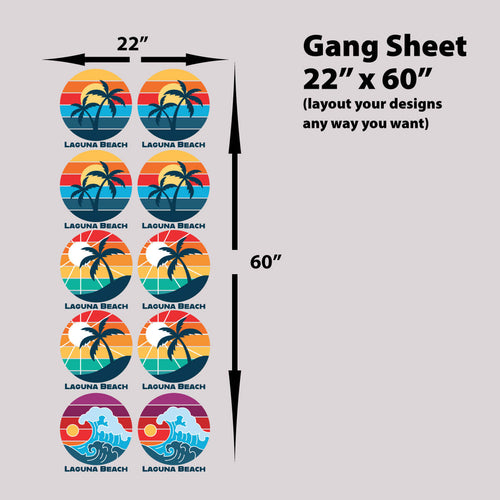
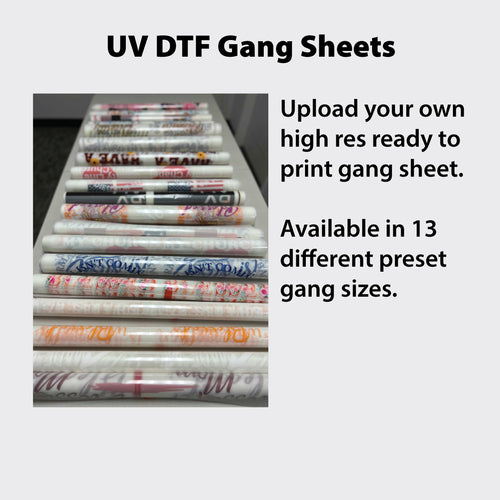
Think of it like a game of Tetris, but with your designs. A gang sheet is one large sheet of transfer film where you group—or "gang up"—multiple designs. The goal is to fit as many logos, graphics, and images as possible onto a single sheet, leaving almost no wasted space.

This method is perfect for combining different customer orders, printing various logo sizes for one brand, or just getting a collection of your favorite designs printed all at once. Instead of printing each design on its own small film, you print them all together.
Why Gang Sheets Are a Game-Changer
Using gang sheets has a direct impact on your bottom line and production speed. By filling up the film, you drive down the cost of every individual print. You're paying for the sheet anyway, so making the most of that space means you get more for your money.
This approach also simplifies your workflow. Instead of juggling dozens of small, individual films, you’re managing one organized sheet. That efficiency adds up fast.
- Drastic Cost Reduction: Maximizing your film usage lowers the per-print cost, making every job more profitable.
- Minimal Material Waste: Using every square inch is both smart for your budget and better for the environment.
- Streamlined Production: Printing and pressing multiple designs at once saves a huge amount of time and labor.
The whole point of a gang sheet is efficiency. When you treat the film like valuable real estate and fill it strategically, you turn what would have been wasted material into pure profit.
For anyone new to this, arranging all those designs to fit perfectly might sound like a headache. Luckily, our Auto-build gang sheet builder has made this process incredibly easy for anyone to master, highlighting both ease of use and cost-effectiveness.
Effortless Optimization with an Auto-Build Gang Sheet Builder
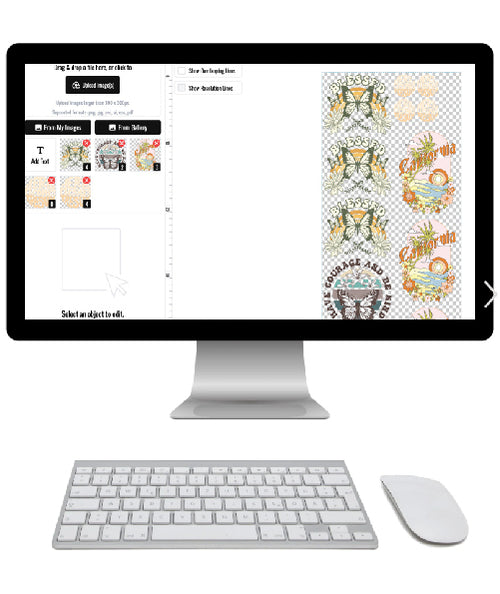
This is where user-friendly software makes all the difference. Our Auto-build gang sheet builder is designed to take all the guesswork out of creating a gang sheet. It lets you upload all your different designs and then automatically arranges them for the tightest possible fit.
These builders are built for ease of use and cost effectiveness, letting you simply drag and drop your files. The system then intelligently rotates and nests the images to use every available inch of the film, ensuring you get maximum value from your order. You can learn more about getting the most from your prints in our guide on how to use DTF gang sheets.
This technology is the ideal solution for any creator looking to combine different logos, sizes, and customer orders onto one affordable sheet. It's simply the smartest way to order DTF transfers.
How to Care for Your DTF Apparel
You’ve printed and pressed your design—now what? Making sure your DTF apparel lasts comes down to proper care. Following a few simple washing and drying rules will keep your prints looking sharp and vibrant for years to come.
The good news is that high-quality DTF transfers are incredibly durable, but like any custom garment, their lifespan depends on how they’re treated. High heat and harsh detergents are the main culprits that can degrade a print over time, but a solid care routine protects your work.
Best Practices for Washing and Drying
For the best results, treat your DTF apparel with the same care you would any of your favorite printed clothing. Here’s a simple routine that works every time:
- Turn It Inside Out: Always turn the garment inside out before it goes into the wash. This simple step creates a protective layer for the print, reducing friction from other clothes and the machine itself.
- Wash in Cold Water: Stick to a cold water cycle. Hot water can soften the adhesive over time and cause the print’s colors to lose their punch.
- Use a Mild Detergent: Avoid bleach and fabric softeners. Harsh chemicals can break down the ink and compromise the adhesive bond that holds the transfer to the fabric.
- Tumble Dry on Low or Hang Dry: If you must use a dryer, always choose the lowest heat setting. For maximum longevity, the best method is to hang the garment to air dry. This completely avoids heat stress on the print.
By following these instructions, you're not just washing a shirt; you're preserving the quality and detail of your artwork. This simple care routine reinforces the durability of the transfer and protects the value of the final product.
Proper care is the final, critical step in the DTF process. It ensures the quality you built in—from the cost-effectiveness of our Auto-build gang sheet builder to the final press—is maintained long after the sale.
Frequently Asked Questions About DTF Printing
Got a few questions before you dive into DTF? We hear these a lot. Here are some quick, straightforward answers from our team.
Is DTF Better Than Vinyl (HTV)?
For complex, full-color designs, absolutely. DTF delivers photorealistic prints with a much softer feel than layered heat-transfer vinyl (HTV). It also holds up better in the wash.
HTV is still a great choice for simple, single-color jobs like names or numbers on a jersey. But for anything with intricate details or multiple colors, DTF gives you a professional result without the bulky feel or the tedious weeding process of vinyl.
Can I Use a Home Iron for DTF Transfers?
We strongly advise against it. A quality heat press is non-negotiable for a professional finish. It’s the only way to get the consistent temperature and even pressure needed for the adhesive to bond properly with the fabric.
A home iron creates hot spots and uneven pressure, which is a recipe for a print that cracks, peels, or fades after just one or two washes. It’s a shortcut that will only cost you more in the long run.
What File Type Is Best for DTF Printing?
The gold standard is a high-resolution PNG file—at least 300 DPI—with a transparent background. This format is crucial for a few reasons.
First, it preserves all the sharp details of your artwork. Second, the transparent background ensures you don't get a big, unwanted color box printed around your design. It's the simplest way to get a clean, professional print that looks exactly like it did on your screen.
The right file ensures what you see on screen is what you get on the shirt. A clean, high-resolution file is the foundation of a great print.
How Do I Get Started Ordering DTF Transfers?
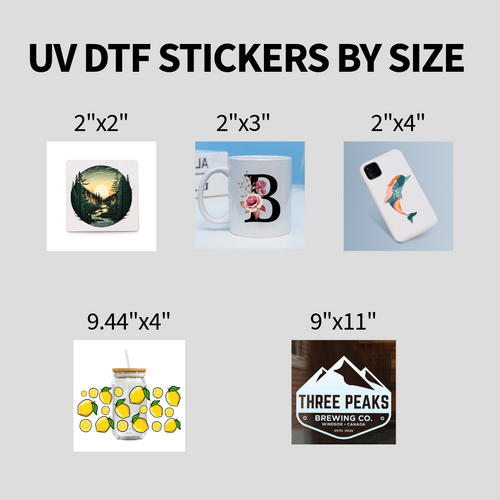
It's pretty simple. You can upload your finished, print-ready files or order transfers by size. For the best value and ease of use, we recommend using our Auto-build gang sheet builder.
This tool automatically arranges your artwork to fit as many designs as possible onto a single sheet. By maximizing the film space, it dramatically lowers your cost per print, making it the most cost-effective solution. It’s the smartest way to make your budget go further, especially when you have multiple designs.
Ready to bring your designs to life with professional-quality prints? Explore our premium transfer options at Lion DTF Transfers and see how easy it is to get started. Build your custom gang sheet today!