
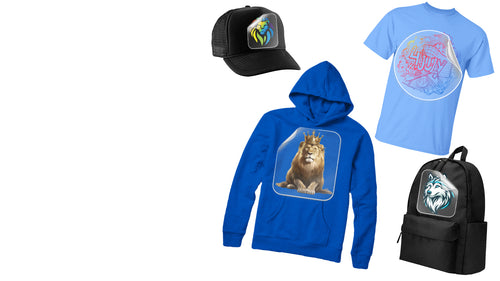


If you’re looking for the best iron on transfers for t shirt printing, you've probably noticed the options have changed a lot from the old DIY kits. Today, modern Direct-to-Film (DTF) transfers give you professional-grade quality, incredible durability, and eye-popping colors that leave older methods like heat transfer vinyl (HTV) and traditional iron-on paper in the dust.
Your Quick Guide To Modern T Shirt Transfers

The term "iron on transfers" can mean a lot of different things, and it’s important to know they aren't all created equal. For a long time, your choices were basically stiff, crack-prone paper from a craft store or simple, single-color vinyl cutouts. While those still have a place, a newer technology—Direct-to-Film (DTF)—has completely changed the game for most apparel creators and businesses.
DTF really brings together the best of both worlds. You get the full-color, photorealistic detail you'd expect from high-end printing, but with the simple application of a heat press.
This means you can create super intricate designs with unlimited colors and smooth gradients. The final print feels soft, stretches right along with the fabric, and holds up for over 100 washes without a hint of fading or peeling.
A Quick Comparison Of Transfer Methods
A simple way to think about the differences is to compare them to things you already know:
- Iron-On Paper is basically a sticker for your shirt. It’s a quick fix for a one-off event, but it feels heavy, looks plasticky, and almost always cracks after just a few trips through the laundry.
- Heat Transfer Vinyl (HTV) is more like a precision-cut decal. It's fantastic for clean text and solid-color logos, but it gets complicated, time-consuming, and expensive as soon as you start adding more colors.
- Direct-to-Film (DTF) is like getting a professional screen print that you can apply yourself with a heat press. The ink is embedded into a tough, flexible layer that bonds perfectly with cotton, polyester, and blends of any color.
DTF technology gives small businesses and hobbyists a powerful tool. It gets rid of the per-color fees and messy setup of screen printing, all while delivering a much higher quality and more durable product than you can get with vinyl or transfer paper.
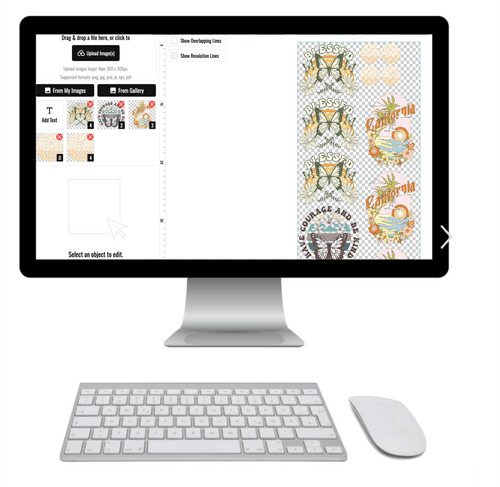
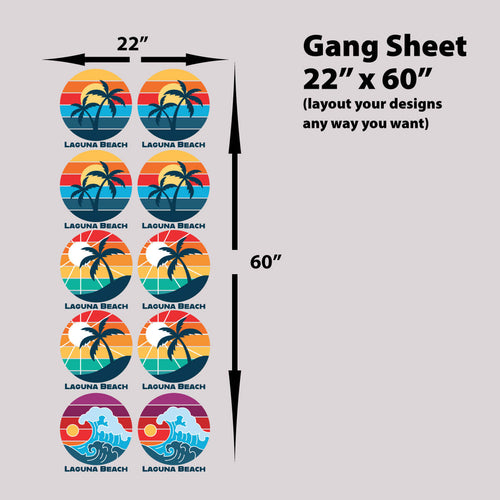
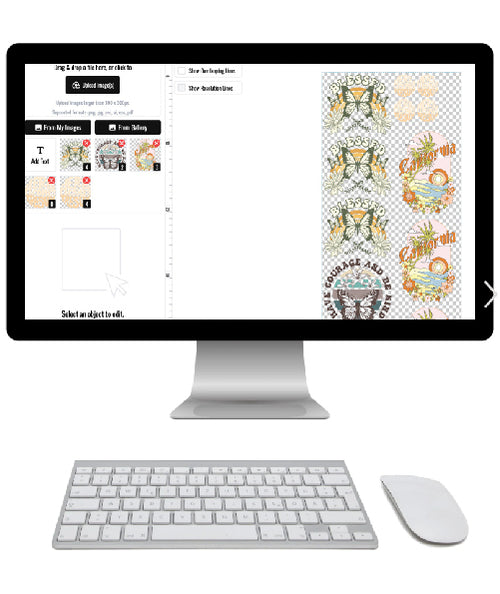
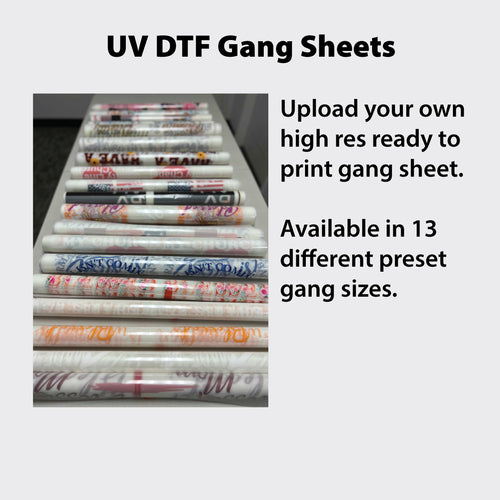
For anyone looking to be as efficient and cost-effective as possible, the secret is getting more prints out of a single sheet. This is exactly where a gang sheet comes in. By arranging multiple designs onto one large transfer sheet, you slash the cost per print. Our Auto-build gang sheet builder even does the hard work for you, automatically organizing your art to make sure you get the most out of every single order.
T Shirt Transfer Method Quick Comparison
To help you see why so many modern creators have made the switch to DTF, here’s a quick rundown of how the most common methods stack up against each other.
| Feature | DTF Transfers | Heat Transfer Vinyl (HTV) | Iron-On Paper |
|---|---|---|---|
| Color Detail | Unlimited, photorealistic | Limited, solid colors | Good, but can be muted |
| Durability | Excellent (100+ washes) | Good, but can peel | Low, prone to cracking |
| Fabric Feel | Soft and flexible | Thicker, can feel stiff | Heavy and plastic-like |
| Cost | Low, especially with gang sheets | Moderate, increases with colors | Low for single use |
| Versatility | Works on all fabrics/colors | Limited by fabric type | Best on light cotton |
As you can see, when it comes to balancing quality, durability, and cost, DTF transfers are in a class of their own. They offer the versatility and professional finish that both small and large-scale apparel projects demand.
The Evolution of Custom T-Shirt Graphics
Before you could order custom apparel with just a few clicks, the T-shirt was already a powerful form of self-expression. The drive to personalize clothing started long before the internet, fueled by a desire to wear what you believed in, supported, or simply thought was cool. It all began with a basic garment and a hot iron.
The real boom in personalizing clothes came with the rise of iron-on transfers for t-shirt making. In the 1960s and 1970s, these simple plastic decals became a cultural phenomenon, especially among younger generations eager to stand out. This DIY movement made custom graphics accessible to everyone.
Suddenly, you didn't need expensive screen printing equipment to create a unique shirt. All it took was a transfer, a plain tee, and a household iron to make your statement.
The DIY Boom and Its Limitations
This era was defined by companies like RoAcH Studios, which tapped into the huge demand for on-demand graphics. They started by serving niche interests like car enthusiasts, but soon, iron-on transfers were everywhere. The trend grew so fast that by September 1966, officials at the California State Fair were actively trying to shut down booths selling the decals. You can find more details on this DIY craze in this in-depth look at iron-on transfer history.
This boom proved that people wanted an easy, affordable way to create their own clothing, laying the groundwork for the modern apparel industry. However, these early methods had significant drawbacks that anyone who wore one will remember.
The original iron-on transfer was a promise of self-expression, but it often came with a short shelf life. The heavy, plastic feel, combined with a tendency to crack and fade after only a few washes, left creators and consumers wanting something more durable and professional.
While these transfers were great for a one-time event, they lacked the professional quality needed for a lasting brand. The designs sat stiffly on top of the fabric, feeling like a thick sticker that would inevitably peel at the edges. The dream was vibrant, lasting graphics, but the technology wasn't there yet.
The Modern Answer to a Decades-Old Dream
That persistent demand for quality, durability, and ease of use is what drove the development of modern transfer technologies. The spirit of the original iron-on movement is still alive, but the execution has been perfected.
This is where today’s Direct-to-Film (DTF) transfers enter the picture. They deliver on the original promise of the iron-on craze but solve all of the old limitations. Here’s what has changed:
- Professional Quality: DTF transfers use a flexible film that bonds the ink with the fabric, creating a soft, stretchable finish that feels like it's part of the shirt, not sitting on top of it.
- Incredible Durability: Unlike their predecessors, modern DTF graphics are tested to withstand 100+ washes without cracking, peeling, or fading.
- Cost-Effectiveness at Scale: The development of the gang sheet makes ordering extremely efficient. Tools like our Auto-build gang sheet builder let you place many designs on one sheet, drastically cutting the cost per print and making professional quality affordable for everyone.
The evolution from a cracking decal to a soft, permanent graphic represents the perfection of an idea that started decades ago. Modern DTF technology finally delivers the professional, long-lasting results that the pioneers of custom T-shirts could only have dreamed of.
Choosing Your Method: DTF vs. HTV vs. Iron-On Paper
Picking the right way to put a design on a shirt can feel like a tough choice, but it gets a lot simpler once you know the players. The three main methods you’ll run into are Direct-to-Film (DTF), Heat Transfer Vinyl (HTV), and your basic iron-on paper. Each one has its place, but they are definitely not created equal.
Let's use an analogy. Iron-on paper is like coloring with a crayon. It's easy enough for a quick, one-time project, but the result feels waxy and sits right on top of the fabric. It doesn't take much for it to crack or peel off.
HTV is more like using stencils with spray paint. You get crisp, bold shapes and letters, perfect for simple logos or text. But if you want to blend colors or print a detailed photo, you're going to run into a wall. It gets complicated—and expensive—fast.
DTF, on the other hand, is like a high-end digital printer putting ink right where it needs to go. It handles everything from a single-color logo to a photorealistic image with unlimited colors and gradients. The ink becomes one with the fabric, giving you a soft, professional finish that actually lasts.
Durability and Feel: A Head-to-Head Comparison
How a design feels and holds up after a few washes is just as important as how it looks on day one. This is where the real differences between these methods show up.
-
Iron-On Paper: This method leaves a thick, plastic-like layer on the shirt. It’s stiff, doesn’t stretch, and is almost guaranteed to crack and peel, sometimes after just one wash. It’s really only good for single-use items, like a gag gift or a shirt for a one-day event.
-
Heat Transfer Vinyl (HTV): HTV is a big step up in durability. Apply it correctly, and it’ll hold on for many washes. However, it can still feel like a separate layer on the garment. Thicker vinyls, especially on large designs, can feel pretty rigid.
-
Direct-to-Film (DTF): DTF gives you the best of both worlds. The design feels incredibly soft and light because the ink is bonded directly into the fabric with a flexible adhesive. It stretches with the shirt without cracking and is built to survive over 100 washes. For professional apparel that needs to last, DTF is the clear winner.
The custom apparel industry has come a long way. Back in the 1970s and 80s, heat transfers were fueling a massive trend, bringing colorful graphics to band merch and fan gear for blockbusters like Jaws and Star Wars. While screen printing’s plastisol inks drove sales, iron-ons gave people a cheap, easy way to create one-off, full-color designs on 100% cotton—something dye sublimation couldn't do without synthetic fabrics. This boom helped create the $4.5 billion US custom T-shirt market we see today.
This timeline shows just how far the technology has come, moving from simple graphics laid on top of a shirt to highly detailed digital prints integrated right into the fabric.

The key takeaway is the evolution from placing a design on top of a shirt to a technology that fuses it into the fabric for a far superior result.
Comparing Vibrancy and Overall Cost
Besides feel and durability, color vibrancy and cost are make-or-break factors for any creator, whether you're a hobbyist or a growing business.
Iron-on paper for light fabrics can look decent, but the paper for dark fabrics usually has a white background that dulls the design and leaves an obvious border. HTV is fantastic for bold, solid colors, but every new color adds another layer, which means more work and more cost. This makes multi-color or photorealistic designs completely impractical with vinyl.
DTF technology gets rid of the trade-off between color complexity and cost. It prints unlimited colors, gradients, and tiny details in a single pass, all for one flat price.
This is where the financial advantage really kicks in, especially when you learn how to maximize your print area. Using a gang sheet, you can fit dozens of different designs onto a single film. Our Auto-build gang sheet builder automates this by perfectly arranging your uploaded artwork to get the most designs possible on one sheet. This drives the cost per print way down, letting small businesses compete on price without ever sacrificing quality. For a deeper look into this method, check out our guide on transfer iron on sheets.
Ultimately, your choice depends on your goals. For a quick, throwaway project, iron-on paper might be fine. For simple, one-color text or logos, HTV is a solid option. But for anyone who needs professional durability, unlimited color, a soft feel, and cost-effective production, DTF is the only choice that ticks all the boxes.
Why Modern Businesses Run on DTF Transfers
In the apparel business, every choice you make hits your wallet and your brand's reputation. It’s no surprise that small businesses, Etsy sellers, and local print shops are ditching older methods like HTV and screen printing. They're making the switch to Direct-to-Film (DTF) transfers to fuel their growth, work smarter, and deliver pro-level quality.
The business case for DTF boils down to one massive advantage: versatility. Other methods box you in with limitations, but DTF works on just about any fabric you can imagine. Whether a job calls for 100% cotton, polyester, tri-blends, or even denim, these transfers go on smooth without special inks or complicated steps.
That freedom also applies to color. You can press vivid, full-color designs onto black, white, and any color in between with total opacity. For a business, that means you can say "yes" to more customers, instead of stocking a dozen vinyl types or turning down a job because the fabric won't cooperate.
The Power Of Unrestricted Detail
One of the biggest headaches in apparel printing is getting complex logos or photos to look right. With something like HTV, anything more than simple text means tedious layering, which drives up your labor time and material costs. The more colors you add, the thicker, heavier, and more expensive the design gets.
DTF cuts right through that problem. It prints incredibly fine details, intricate patterns, and smooth gradients all in a single, lightweight transfer. This is a total game-changer for businesses creating:
- Photorealistic Graphics: Put stunning, high-resolution photos on shirts without losing a bit of detail or color pop.
- Complex Logos: Nail corporate logos with tiny text and fine lines that would be an absolute nightmare to weed with vinyl.
- Artistic Designs: Sell apparel with painterly effects, watercolor gradients, and unlimited colors to make your products impossible to ignore.
Because the entire design is printed as one solid piece, you get perfect, repeatable results every time with just one press. That kind of reliability is everything when you need to fill orders fast and build a name for top-notch work.
For small businesses, DTF is a powerful equalizer. It provides access to full-color, professional-grade printing without the high setup costs, minimum order quantities, or messy cleanup associated with screen printing.
This allows a one-person shop to create apparel with the same visual punch as a massive operation. It's the perfect solution for anyone wanting to start a t-shirt business from home with a small upfront investment.
Maximizing Profit Margins With Gang Sheets
Beyond the quality, the real reason so many businesses run on DTF is how cost-effective it is, especially when you use gang sheets. A gang sheet is simply a large sheet of film where you arrange—or "gang up"—multiple designs to be printed together. You pay for the sheet, not for each individual transfer.
This is the secret weapon for slashing your cost per print. By packing as many designs as you can onto a single sheet, you squeeze value out of every square inch of film.
This is where our Auto-build gang sheet builder becomes a must-have tool for any serious apparel business. Just upload all your designs—main graphics, small logos, sleeve hits, neck tags—and the builder automatically nests them to use the space with maximum efficiency. This smart process turns what would have been dozens of tiny, separate orders into one low-cost print job.
For businesses selling iron on transfers for t shirt products, this is how you scale your profits and stay ahead in a competitive market.
How To Order and Apply Your DTF Transfers

Getting your digital designs off the screen and onto a finished product is where the magic happens. With modern iron on transfers for t shirt making, you don't need the complex setup of old-school methods to get professional results.
Once your artwork is ready, the next step is ordering your transfers. The real key to a profitable business is efficiency—getting the most designs for the lowest cost. That’s where smart ordering comes in.
Instead of paying for each graphic one by one, you can combine multiple designs onto a single gang sheet. This simple move is the fastest way to lower your cost per print.
Ordering For Maximum Value and Simplicity
The secret to keeping costs down is using every available inch of the transfer film. That’s exactly what our Auto-build gang sheet builder was made for. This tool is a complete game-changer for anyone wanting to scale up production and protect their profit margins.
The process couldn't be simpler:
- Upload Your Artwork: Just drag and drop all your files—front logos, sleeve hits, neck tags, you name it.
- Let the Builder Do the Work: The tool automatically analyzes each image, nesting them together like puzzle pieces to eliminate wasted space.
- Approve Your Sheet: You get a preview of the fully optimized gang sheet. Once it looks good, your order is ready to print.
Using our Auto-build gang sheet builder is the smartest way to order. It automatically arranges your artwork to ensure you get the absolute lowest cost per design, saving you both time and money. For any business that needs to create high-quality apparel affordably, this kind of efficiency is non-negotiable.
Once your custom DTF transfers arrive, you’re just a few steps from a finished shirt. For more in-depth tips, check out our guide on how to use iron-on transfers effectively. The application itself is a skill you'll master quickly.
Step-by-Step Application Guide for Perfect Results
While you can use a home iron in a pinch, we always recommend a heat press for professional-grade results. A heat press delivers the consistent temperature and even pressure needed to get a perfect bond. It’s what ensures your transfer achieves the 100+ wash durability our DTF transfers are known for.
Follow these steps for a flawless press every time:
1. Prepare Your Heat Press and Garment
- Set the Temperature: Preheat your press to 240-280°F. Different fabrics may need slight adjustments.
- Set the Pressure: Use medium to firm pressure. This ensures the heat is applied evenly across the entire design.
- Pre-press Your Shirt: Place the shirt on the press and press it for 5-7 seconds. This simple step removes moisture and wrinkles, creating a perfectly flat surface for your transfer.
2. Position and Press Your Design
- Place the Transfer: Carefully position the DTF transfer on the shirt, graphic side up. A T-shirt alignment tool can help you nail the placement.
- Press the Transfer: Cover the transfer with a Teflon sheet or parchment paper. Press firmly for 10-15 seconds.
3. The Hot Peel and Final Press
- Peel the Film: Here’s the best part. As soon as the press opens, peel the clear film away from the design. Our transfers are designed for a hot peel, so don’t wait for it to cool down.
- Final Press: Place the parchment paper back over the design and give it one last press for 3-5 seconds. This final step locks the ink into the fabric, making the print softer and even more durable.
By following this simple click-to-press process, you can confidently turn your ideas into high-quality custom apparel that looks, feels, and lasts like it came from a major brand.
Caring For Your Custom Shirts To Ensure Longevity
You've pressed the perfect design. The colors are sharp, the feel is soft, and your customer is thrilled. But your job isn't done until you give them the knowledge to make that shirt last.
Proper aftercare is the final step in delivering a professional-grade product. It’s what keeps a DTF transfer looking and feeling like new, wash after wash. The good news is, it’s simple.
Think of it this way: you’re starting with a transfer that’s already been tested for 100+ washes. These guidelines are just the finishing touch to protect that built-in durability and ensure your work stays impressive for years, not just weeks.
Simple Washing Guidelines
The laundry machine can be a battlefield for decorated apparel. The goal here is to minimize friction, heat, and harsh chemicals.
-
Turn It Inside Out: This is the golden rule. Turning the garment inside out before washing protects the transfer from rubbing against zippers, buttons, or other abrasive fabrics. This single step prevents pilling and keeps the design’s surface smooth.
-
Wash in Cold Water: Heat is the enemy of the transfer’s adhesive. Hot water can soften the bond, leading to peeling or cracking over time. Always stick with a cold wash on a gentle cycle to maintain the integrity of the adhesive and the vibrancy of the ink.
-
Use a Mild Detergent: Harsh detergents, bleach, and fabric softeners are off-limits. Bleach will destroy the colors, while fabric softeners contain chemicals that can degrade the adhesive and compromise the transfer’s flexibility.
Drying and Ironing Best Practices
Just as with washing, the main goal during drying is to avoid high heat.
While you can tumble dry on a low heat setting, hang drying is always the best choice for maximum longevity. Air drying completely removes the risk of heat damage, which can shrink the garment or alter the transfer’s soft-hand feel.
If you absolutely must iron the shirt, never let a hot iron touch the design directly. It will melt and ruin the print instantly. Always turn the garment inside out first, and use a low heat setting on the reverse side of the fabric.
Following these simple instructions reinforces the quality of your brand. It shows your customers that you care about the finished product, building the trust that brings them back for their next project.
Frequently Asked Questions About T Shirt Transfers
When you're getting into custom apparel, a few questions always pop up. With so many different iron on transfers for t shirt customization methods out there, it's easy to get confused. We get it.
Let's clear the air and tackle some of the most common questions we hear. Getting these answers right from the start will save you time, money, and a lot of headaches down the road.
What Is a Gang Sheet and Why Is It So Cost Effective?
A gang sheet is a game-changer for anyone printing multiple designs. Think of it as one large transfer sheet where you can "gang" together all your different graphics—logos, neck tags, sleeve art, you name it.
Instead of paying for each transfer one by one, you only pay for the total sheet. This drops your cost per design dramatically. Our Auto-build gang sheet builder takes this a step further, automatically arranging your art to cram as much as possible onto the film, squeezing every last drop of value out of your order.
Can I Use a Regular Home Iron for DTF Transfers?
We get this question all the time, and the answer is a hard no. While it seems like it might work in a pinch, we strongly recommend a proper heat press for professional, long-lasting results. A heat press is the only way to get the consistent, even pressure and stable temperature that DTF needs to bond correctly.
A home iron has hot spots and an uneven plate, which means you're applying inconsistent heat and pressure. This is a recipe for disaster—it leads to peeling, cracking, and transfers that fall apart in the wash. To get the 100+ wash durability our transfers are famous for, a heat press isn't just a suggestion; it's essential. You can dig deeper into this topic in our guide on whether DTF transfers can be ironed on.
Is DTF Better Than Screen Printing?
It's not about which one is "better" overall, but which one is better for your specific job. They are built for different things. DTF is the undisputed champ for small-to-medium runs, super detailed photographic prints, and designs with a ton of colors. Why? No minimum orders and zero setup fees per color.
Screen printing, on the other hand, really only makes sense for huge jobs with simple, low-color designs. We're talking hundreds or even thousands of the exact same shirt. For most modern print shops and brands that need flexibility, vibrant detail, and the ability to print on demand, DTF is the smarter, more economical choice.
Ready to create apparel with stunning quality and unmatched durability? Lion DTF Transfers makes it simple. Build a gang sheet or upload your design today