


The most popular advice on screen printing vs DTF tells you to pick a winner, usually screen printing for durability and DTF for small orders. That advice fails because it skips the four facts that decide a real job. You need your order size, your fabric, the failure mode you care about, and the test conditions behind any claim someone quotes you.
Skip those, and you'll buy the wrong process with confidence. A print that survives washing can still fail under abrasion on a work uniform. A quote that looks cheap per transfer can lose money once press time and spoilage are counted. Define the job first, then let the process follow.
Screen Printing vs DTF at a Glance
Screen printing and DTF do not have a universal cost or durability winner. The better fit depends on how many pieces share a design, how many colors it uses, and what fabric and performance test matter for the job. For repeated designs in larger runs, screen setup can be spread across more garments. For short runs or designs that change from piece to piece, DTF avoids color-specific screens.
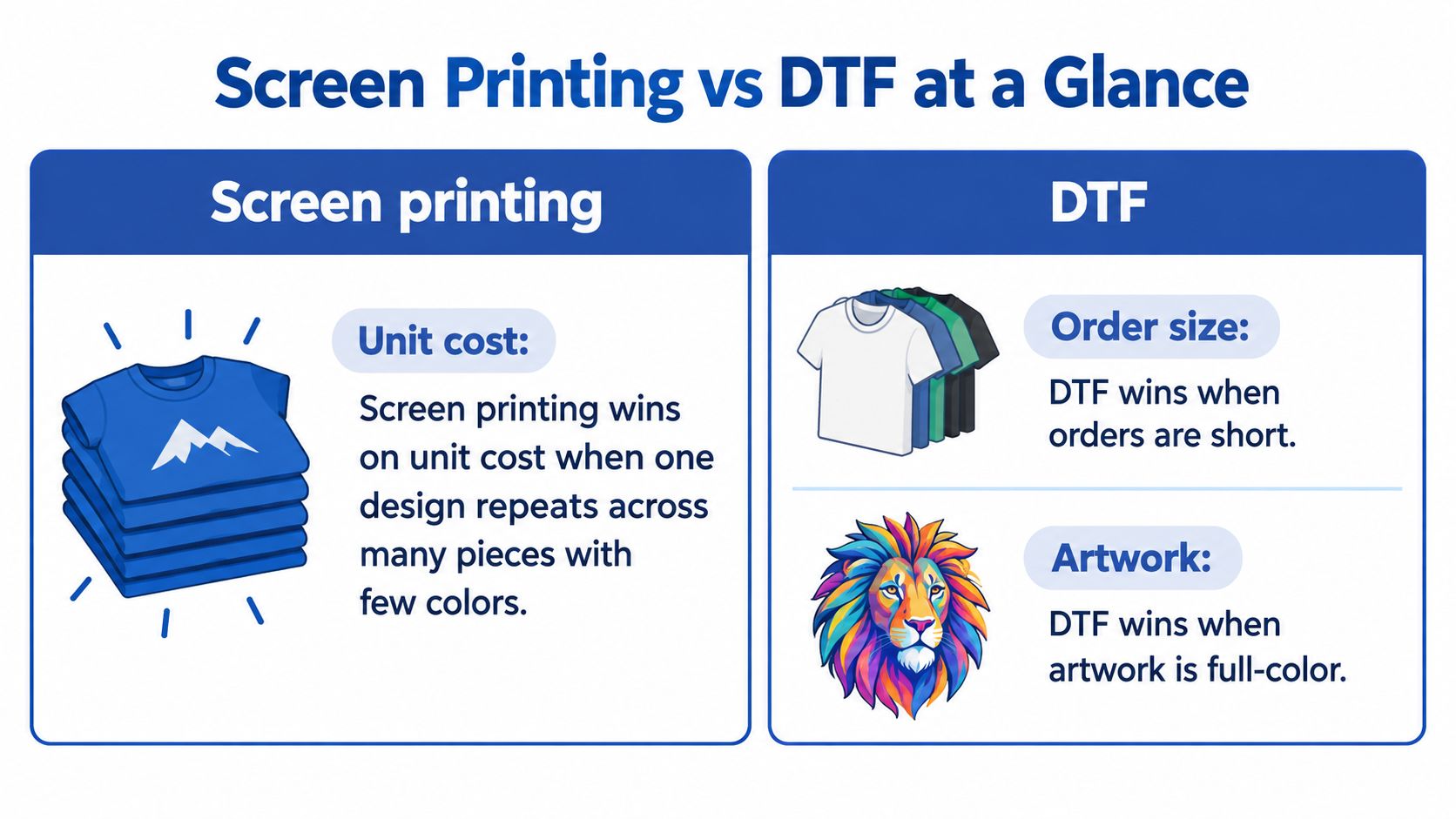
| Criterion | Screen printing | DTF transfers |
|---|---|---|
| Best fit | Larger repeat runs of one design | Short runs, one-offs and changing designs |
| Setup per design | Separate screen per color; preparation takes time | No color screens; artwork is printed to film |
| Cost as quantity rises | Setup cost is spread across more pieces | Costs decline more gradually as quantity rises |
| Practical minimum run | More suitable when the run justifies screen preparation | A single piece is workable |
| Turnaround on small orders | Screen preparation and registration add time | Can be faster, depending on provider and press schedule |
| Main limit | Each added color requires another screen | Film, powder and press time can add up at high volumes |
Setup helps explain the cost difference, but the time estimate is only a rough vendor comparison, not a universal production standard. A comparison of fixed setup against digital changeover puts screen preparation at about 30 to 60 minutes per design. Actual time varies with the artwork and shop workflow. DTF skips color screens, sending the artwork to film instead.
Market figures add context, not a verdict on order economics. A 2025 World Textile Information Network market review estimates more than 7.2 billion DTF prints in 2024, nearly 30% above the prior year. Separately, the review cites a $5.8 billion valuation for the broader digital textile printing market in 2024 and a projected 12.7% compound annual growth rate from 2025 through 2030. These figures measure DTF print volume and digital textile market value, respectively. They do not show which process costs less for a particular order. The review also says digital printing accounts for less than 10% of global printed-textile volume, while rotary screen printing remains the leading process.
Reading rule: Start with the design and order size, then compare the costs for that job. For durability, specify the fabric and test conditions separately.
Name the order size and color count first. Then assess the fabric and the kind of wear or failure the print must withstand.
How Each Process Builds a Print and What Changes in the Workflow
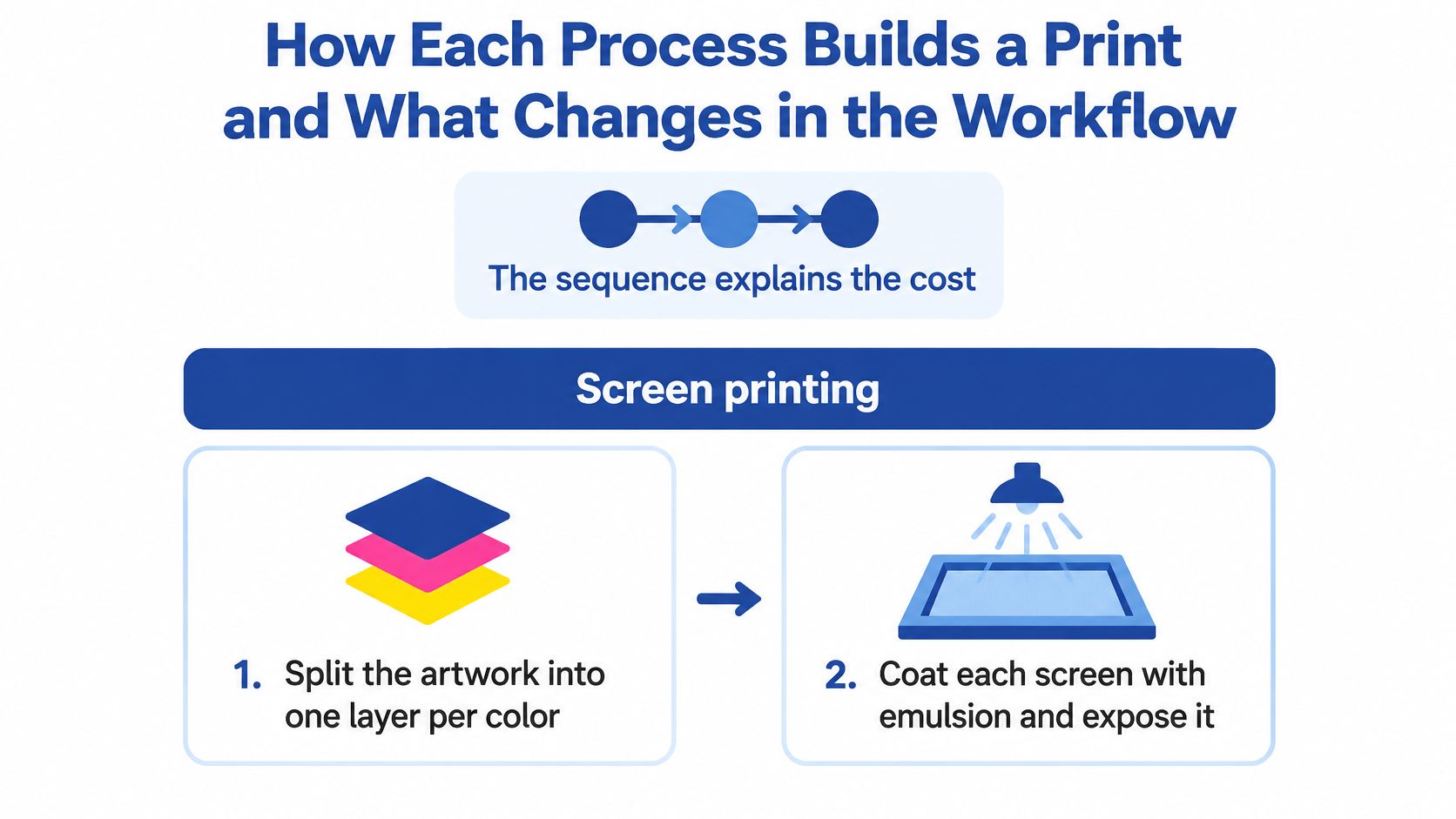
Start with the sequence, because the sequence explains the cost. Each step is labor, equipment, or a chance to scrap a shirt.
Screen Printing in Order
- Split the artwork into one layer per color.
- Coat each screen with emulsion and expose it.
- Wash out the image to open the stencil.
- Register the screens on the press so colors align.
- Mix inks to match the approved color.
- Print each garment, one color layer at a time.
- Cure the ink fully so it holds in the wash.
That front-loaded work is why scale helps. A FESPA and Infotrends industry guide put 2014 global textile printing at about 31 billion square meters, with rotary screen at roughly 65% and flat-screen at 25%, against digital at about 600 million square meters, or 2%. Screen printing's fixed preparation costs spread across many garments, which suits large, repeatable orders with limited color counts.
DTF in Order
- Prepare a print-ready file with a color profile.
- Print the design onto PET film with white and color inks.
- Apply adhesive powder while the ink is still wet.
- Cure the powder into an adhesive layer.
- Heat press the transfer onto the garment, then peel the film.
If you want the transfer mechanics in more depth, this walkthrough of how DTF transfers work covers the film, powder, and press stages step by step. Notice what's missing. There's no color separation into physical screens, so a new design doesn't restart the tooling.
Tooling tells the same story. Screen shops invest in coating and exposure units, washout equipment, dryers, and wastewater handling. DTF shops invest in a film printer, a powder shaker, a curing oven, and a heat press, with far less wet chemistry.
Screen printing front-loads labor into preparation. DTF moves it into file preparation and pressing, which is why changeover feels fast but per-piece handling never disappears.
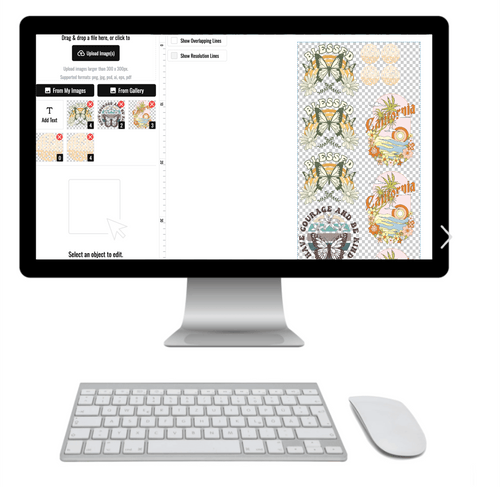
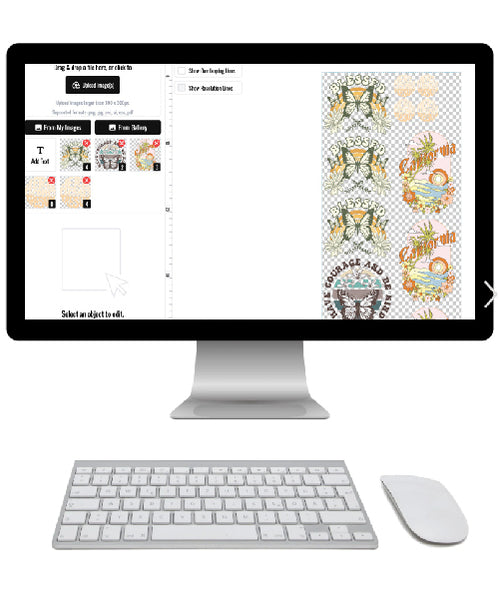
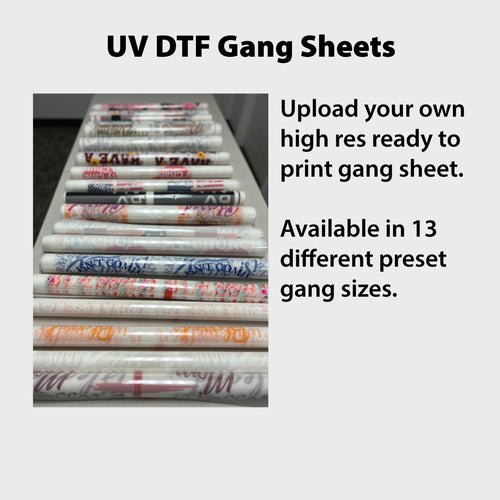
When several DTF designs share one sheet, the Auto-build gang sheet builder from Lion DTF Transfers arranges them automatically. That cuts manual layout time and film waste before anything is printed.
Cost, Setup and Per-Unit Economics by Order Size
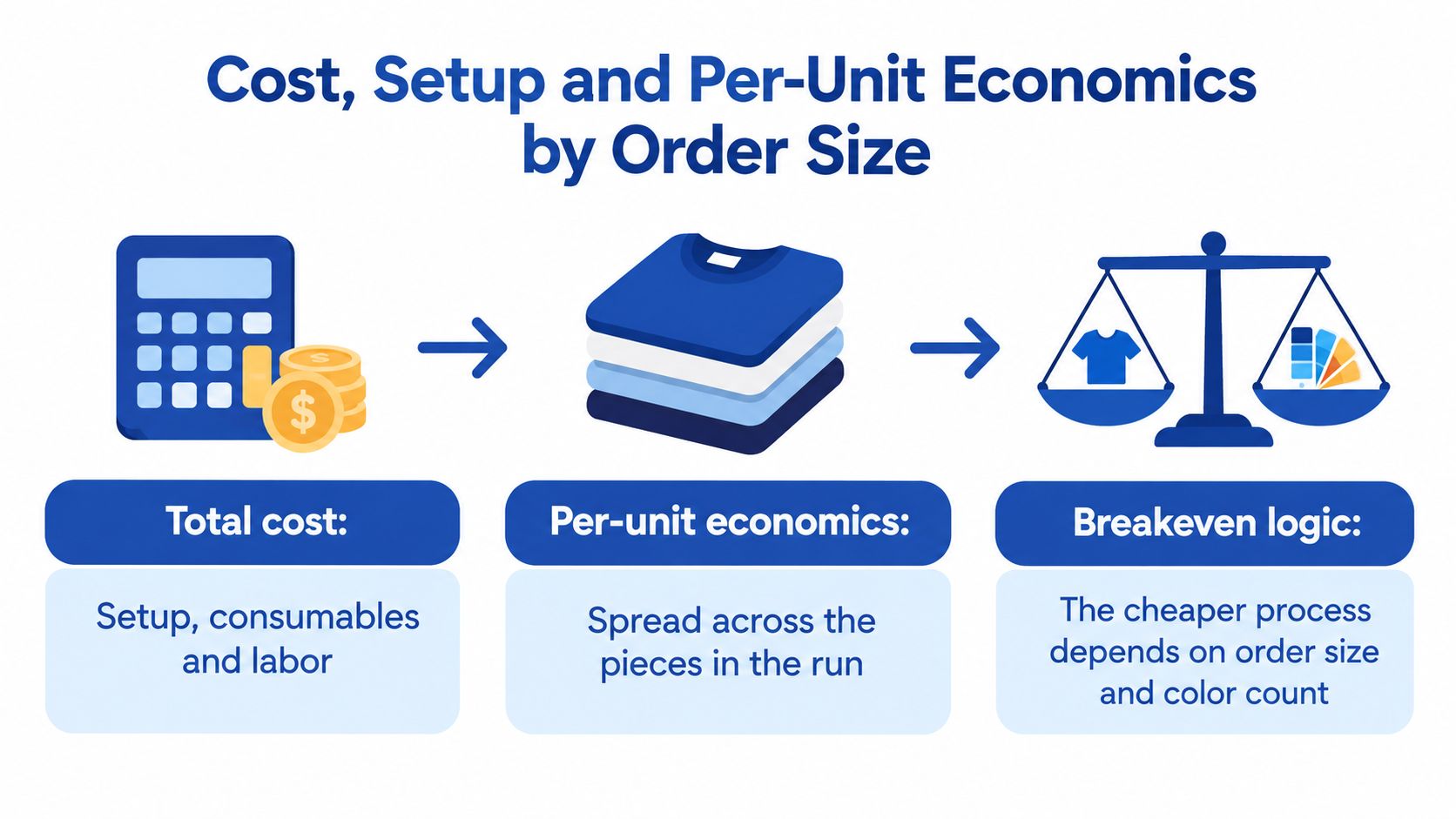
Total cost equals setup, consumables, and labor spread across the pieces in the run. If you compare list prices without that spread, you're not comparing costs. You're comparing marketing numbers.
What Drives Each Bill
Screen costs come from screens per color, emulsion, ink mixing, press time, and spoilage. Every misprint during registration is a paid shirt in the bin. The fixed preparation happens whether you print ten shirts or a thousand, so small runs carry it badly.
DTF costs come from film, adhesive powder, ink, curing time, and press time per transfer, usually priced by printed area. As one reference point, Lion DTF Transfers lists transfers from $0.017 per square inch, so a 4 by 4 inch transfer costs roughly $0.27 before the garment, pressing, and handling. That last phrase matters. The transfer isn't the finished shirt.
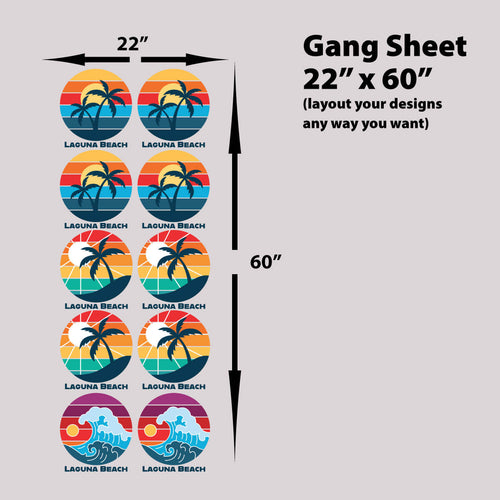
Setup is the decisive variable on the screen side. That setup time repeats for every color, which is why a three color design raises the threshold for screens fast. A design change restarts the same work, while DTF's changeover cost stays comparatively stable per artwork. For layout options that squeeze more designs onto one sheet, the gang sheet format explained here shows how sheet planning changes the per-piece math.
Order Bands That Usually Hold
- 1 to 10 pieces, full-color design. DTF, because setup cost stays flat and no screens are needed.
- 10 to 50 pieces, 1 to 2 colors. DTF in most cases, because screen setup spreads over too few shirts.
- 50 to 100 pieces, 2 to 3 colors. A close call decided by color count and spoilage, so compare written quotes.
- 100 or more pieces, 1 to 4 spot colors, one design. Screen printing, because setup spreads thin across the run.
- Reorders of the same design. Screen printing if screens are stored, DTF if they're not, based on storage cost and reprint timing.
Read those bands as economics, not loyalty. Under 50 full-color pieces, DTF is the usual answer. At 100 or more pieces in one to four spot colors, screen printing usually wins. The middle band needs two written quotes, not a rule of thumb from a forum.
Model it before you commit. List screens per color, setup minutes, spoilage rate, press time, and order quantity in a spreadsheet. Then compare cost per shirt at three quantities, your expected order, half of it, and double. You'll see your own breakeven instead of borrowing someone else's.
Color Quality and Fabric Compatibility Side by Side
Color claims need a test condition and a garment. A published textile-color study washed garments five times in hot water at no more than 70°C with original Tide detergent and measured color change using Delta E. Lower values indicate a closer color match. For its orange samples, screen printing measured Delta E 0.65 on cotton and 1.58 on polyester.
Those measurements cover one color and two fabrics under one wash protocol. They do not establish a general rule for how cotton and polyester behave, and the study provides no DTF color measurements. Treat both processes' color and fabric performance as unverified until a sample is printed or pressed on the exact garment.
| Garment or design | Screen printing | DTF transfers | Test or note |
|---|---|---|---|
| 100% cotton | Delta E 0.65 on the study's orange sample | No cited color or fabric test; validate on the exact garment | Lower Delta E means a closer match |
| 100% polyester | Delta E 1.58 on the study's orange sample | No cited color or fabric test; validate on the exact garment | Test the actual fabric before quoting |
| Cotton-polyester blends | No test in cited study; validate with a press | No cited adhesion or color test; validate on the exact garment | Test the exact blend ratio |
| Dark garments | Opacity depends on the underbase and garment; validate on the actual shirt | Opacity depends on the white layer and garment; validate on the actual shirt | Inspect the print on the intended shirt |
| Fine detail and gradients | No comparative test cited here | No comparative test cited here; validate on the exact garment | Compare samples at actual print size |
On cotton, screen printing can use matched spot-color inks for logos and lettering. Its opaque color and flatter, tactile finish may suit basic designs, but the study's orange sample does not establish a color match for another ink, garment, or print shop. Request a sample if a specific brand color must be met.
There is no measured DTF result in the cited study to compare with those screen-print Delta E values. Claims about color accuracy, detail, or compatibility therefore need a proof on the intended fabric, using the intended print or press settings. A transfer that works on one garment is not evidence that it will perform the same way on a different blend.
For dark garments, check opacity on the actual shirt rather than relying on a white proof. Screen printing uses an underbase, while DTF uses a white layer; the table does not establish which will look better on a particular garment.
Ask for a sample on the exact garment and inspect it in daylight. A swatch on a different fabric cannot confirm the result.
Record the garment blend and acceptable color tolerance before comparing samples. Without those conditions, color claims for either process are difficult to assess fairly.
Durability and Washability Under Real Test Conditions
Durability has no universal winner. The result depends on the failure mode, fabric, and test method. A wash test does not measure abrasion, and controlled curing or pressing does not reproduce every customer's home-care routine. Buyers should define the wear conditions they need to withstand before comparing processes.
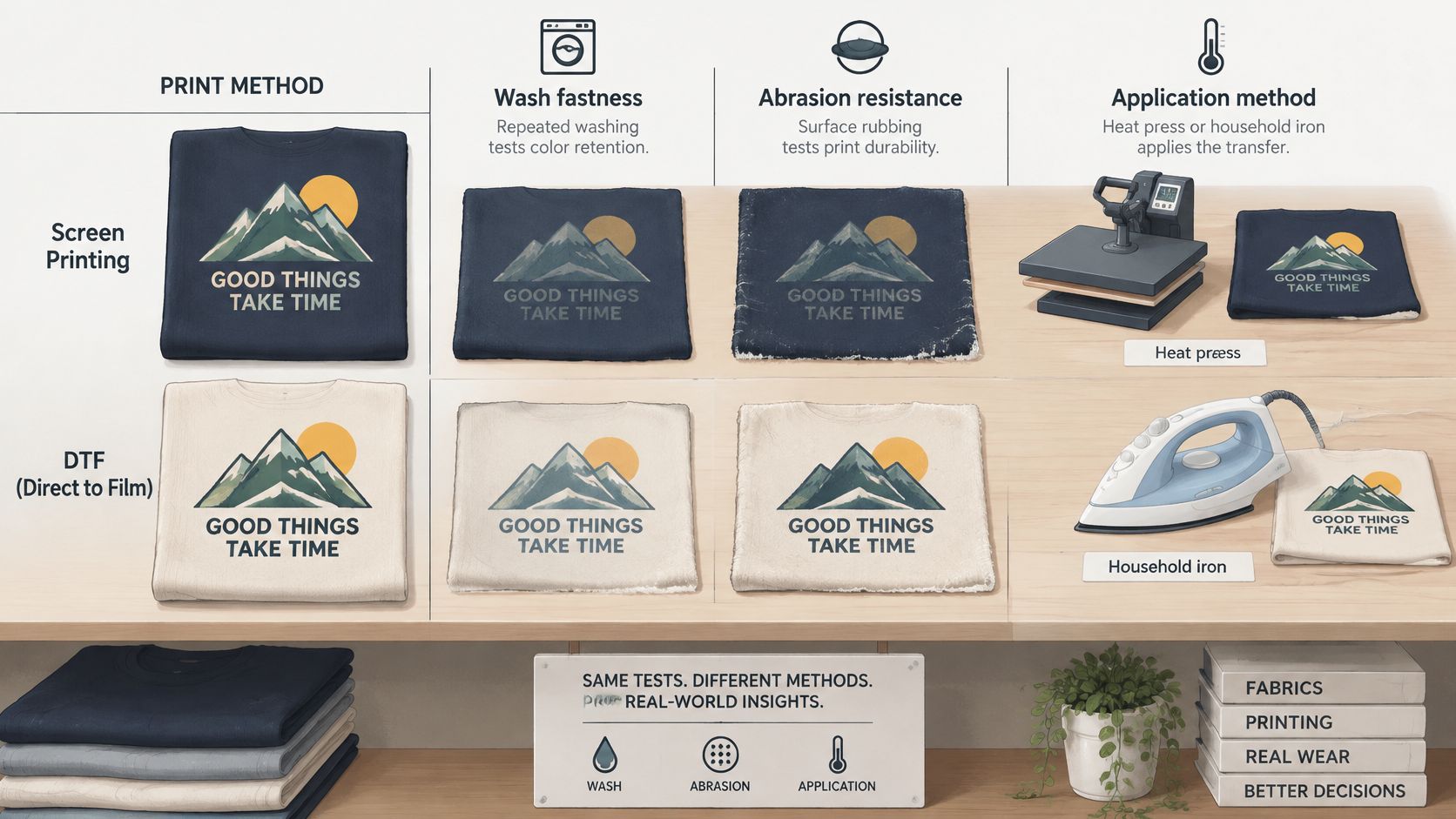
A textile study comparing wash and abrasion behavior reported better abrasion performance for screen printing, while both methods showed strong washing resistance in the study's visual comparisons. Those findings describe the study's samples and test conditions, not a guaranteed service life for every garment. The results do not establish that one method lasts longer on all fabrics or under all laundering routines.
Curing Decides More Than the Process Name
SGIA's guidance on textile washfastness and curing says the entire ink film must reach the ink's required curing temperature for proper washability. Early failure can point to insufficient heat and incomplete curing. A process label alone cannot tell a buyer whether a print was produced correctly.
For DTF, incorrect heat, pressure, or dwell time during pressing can also affect the result. This guide to DTF transfer durability discusses factors that influence how long transfers last. Treat any lifespan claim as conditional on the transfer construction, garment, and application settings, then test the actual combination.
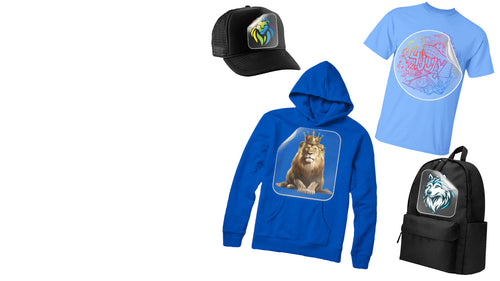
The video below shows application and wear results side by side. It helps illustrate why application conditions belong in any comparison.
| Failure mode or test | Screen printing | DTF transfers |
|---|---|---|
| Wash resistance in cited study | Strong washing resistance in the study's visual comparison; no universal cycle count established here | Strong washing resistance in the study's visual comparison; no universal cycle count established here |
| Abrasion resistance in cited study | Performed better in the cited study | Lower abrasion result than screen printing in that study |
| Discoloration or mechanical damage | Depends on garment and test conditions; validate on the actual garment | Depends on garment and test conditions; validate on the actual garment |
| Cracking or flaking onset | No general onset range established; test the actual print and garment | No general onset range established; test the actual transfer and garment |
| Abrasion-free service life | No general duration established by the cited comparison; test the actual print | No equivalent duration established by the cited comparison; test the actual transfer |
| Potential cause of early failure | Inadequate curing can impair washability | Incorrect heat, pressure, or dwell time during pressing can affect the result |
The study-based findings in the table are limited to the cited study's samples and test conditions. It does not establish a universal wash-cycle count, failure onset, or abrasion-free lifespan. Those rows require testing on the actual garment, print or transfer, and care routine.
For uniforms, sportswear, workwear, and children's apparel, abrasion and stretch may matter more than ordinary laundering. A merchandise tee washed gently at home faces different demands. Specify the fiber, print or transfer, curing or pressing settings, wash temperature, detergent, and drying method. Then name the failure you need to avoid, such as fading, cracking, peeling, or abrasion, and ask for a sample tested under those conditions.
Environmental and Maintenance Factors Buyers Overlook
Environmental comparisons depend on what the study measures. The SGIA technical presentation on digital and screen textile printing/t230098.pdf?sfvrsn=b238c179_1) reports 7 Ecopoints for consumables for one rotary screen and 0.3 Ecopoints for equivalent digital ink, a reduction of about 95.7%. Ecopoints are a lifecycle assessment metric used to aggregate environmental impacts; these figures compare specified printing inputs, not a complete DTF transfer workflow.
The presentation also reports that digital textile ink typically uses 10% of the ink volume required for screen printing, and digital textile printing uses about 3.5% of screen printing's energy. It cites conventional cotton textile printing at up to 60 liters of water per meter, but does not provide a stated digital baseline here for checking the claimed percentage difference.
Those figures concern digital textile printing generally, not DTF specifically. They do not establish the total impact of DTF film, adhesive powder, curing, garment pressing, or wasted transfers. The comparison is therefore incomplete for a buyer choosing between screen printing and DTF.
Maintenance Is Where Costs Hide
For screen printing, account for screen storage, emulsion reclaiming, washout water, chemical handling, and keeping frames and mesh usable between reorders. DTF adds different upkeep: printhead cleaning, white-ink circulation, powder handling, and managing film offcuts and misprints.
DTF film waste depends on layout and reprint rates, while powder handling requires controls appropriate to the shop's process. The source does not quantify these factors, so ask providers how they track waste, manage powder, and handle failed transfers. Compare those costs with screen storage and washout requirements for your order pattern.
Frequently Asked Questions
Is DTF Always Cheaper for Small Orders
Usually below about 50 full-color pieces, because no screens are needed. Compare cost per shirt at your real quantity, including press time, using the order bands in the cost section above.
Does DTF Last Longer Than Screen Printing
Neither wins outright. The answer depends on the failure mode, fabric, and test method, so use the test specification in the durability section instead of a headline wash count.
Can Screen Printing Reproduce Gradients and Photographic Detail
Only within limits set by mesh and color count. Check a proof at actual print size before committing, as the color and fabric table shows.
Can One Team Order Use Both Processes
Yes. Screen the shared logo and press individual names and numbers as transfers, with color matched across both methods on the actual garment.
Do I Need a Sample Before a Large Order
Yes. One wash-tested sample on the exact garment is the cheapest risk check you'll ever buy.
Can I Order a Single DTF Piece
Yes, the practical minimum is one piece. The per-piece cost is higher than at volume, though still predictable.
Choose Screen Printing or DTF for Your Next Order
Durability and cost have no single winner. The right process depends on order size, fabric, the failure mode you need to avoid, and the test conditions. Use the table to narrow the options, then check the relevant condition before ordering.
| Use case | Likely fit | Why | Check before ordering |
|---|---|---|---|
| Small runs under 25 pieces | DTF | No screen setup, per-piece cost stays steady | Confirm transfer size and press time |
| Full-color merch or photo art | DTF | Full-color output without color separation | Test color on the actual fabric |
| Repeat merch restock, one or two colors | Screen printing | Screens are already made, lowering per-unit cost at volume | Check screen storage and reprint timing |
| Team uniforms, 100+ pieces, logo on front | Screen printing | The artwork is stable and uses few colors across a large run | Test abrasion and washing on the uniform fabric |
| Team uniforms with names and numbers | Mixed, screen for logos, DTF for names | Each process handles the part it suits economically | Match color across both methods |
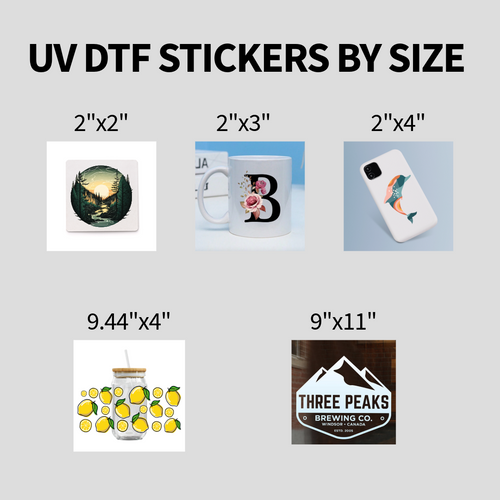
| Stickers and small decals | Neither by default, compare UV or sticker-specific options | Film and adhesive needs differ from garment printing | Check scratch and outdoor durability |
| Fine detail, QR codes or small text | DTF | A cited label test found complete scanability through five wash cycles | Test the exact fiber and wash cycle |
The QR-code result is specific to its test conditions. In a peer-reviewed study of printed QR-code labels, DTF retained complete scanability after five wash cycles with color-fastness ratings of Grade 4 to 5. Screen-printed labels on polyester failed after three washes, while cotton labels failed after roughly two to three.
That evidence supports DTF for fine detail under the tested conditions, not a universal durability ranking. The study tested QR-code labels over five cycles; properly selected screen inks, correctly cured, can perform substantially better on ordinary apparel.
Your Next Five Steps
- Count pieces, designs, and colors across your next three orders, not just the current one.
- Match the table row to your fabric and durability requirement.
- Request a sample on the exact garment and wash it under your expected conditions.
- Compare cost per shirt at your actual quantity, not just the listed price.
- For DTF, arrange multiple designs with the Auto-build gang sheet builder to reduce layout time and waste.
Stickers need a separate comparison. Assess vinyl cut stickers, printed label stock, and UV-cured options by outdoor exposure, scratch resistance, and adhesive type. Garment printing processes are not designed for film and adhesive.
Lion DTF Transfers accepts orders by size, print-ready file upload, or a gang sheet built for you. A small test run lets you check the result before committing to screen setup.
If your next order is short, full-color, or spread across mixed fabrics, order a small DTF test run, press it on your exact garment, and wash it before you commit to screens. Lion DTF Transfers offers transfers by size, print-ready file upload, and gang sheets, including the Auto-build gang sheet builder for fast, cost-effective layouts, so you can validate color and durability on real pieces first.