



You're staring at a deadline, a stack of blank tees, and a text thread full of shirt sizes. The art is ready, or close enough, and the question isn't what DTF is, it's which San Antonio vendor can get transfers in your hands fast enough to save the event.
DTF San Antonio is really a logistics decision disguised as a print search. The transfer itself matters, but for local buyers the bigger variables are pickup timing, file prep, gang sheet efficiency, and whether the vendor will tell you what settings work before you waste garments.
Why San Antonio Buyers Are Searching for DTF Right Now
A booster club is trying to outfit a weekend tournament. A small merch shop just got a rush order for a band run, or a church group needs matching shirts before Sunday. In all three cases, screen printing often takes too long for the quantity, and embroidery is the wrong fit for the artwork.
DTF fills that gap because it handles short runs, full color, and mixed garment types without screen setup. In practice, that means a buyer can move from artwork to transfer faster than a traditional print workflow, especially when the order is small or the design changes often.
The core local question is not product, it's execution
National guides usually stop at “custom transfers.” That misses the part San Antonio buyers care about most. You need to know whether a shop can prep the file, print the sheet, and get it to your side of town without turning a rush order into a missed deadline.
San Antonio's own economic planning also points to real access and corridor issues, especially around underserved populations and areas such as Southside and Military Drive. That matters because a transfer that prints quickly is still useless if pickup logistics are clumsy or the buyer has to cross town at the wrong time.
Fast DTF is not just printer speed. It's the whole chain, file readiness, production timing, and whether somebody can hand you the order when you need it.
If you're comparing dtf san antonio options, think like a buyer, not a browser. Ask who can produce clean transfers, who can help with file prep, and who can make local handoff painless.
What DTF Transfers Actually Are and How They Work
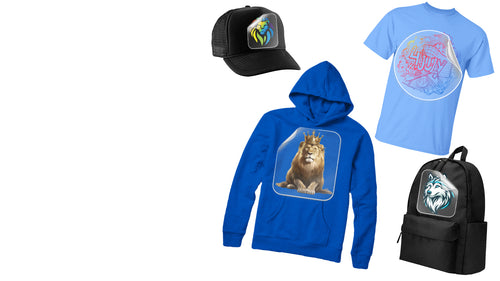
A DTF transfer starts as printed artwork on film, then gets bonded to fabric with heat and pressure. In the shop, that means we print the image first, build the transfer layer on PET film, and press it onto the garment after the adhesive is ready.

The four steps that matter
A standard DTF workflow starts with printing onto PET film, then applying adhesive powder, then curing the powder so it bonds to the image layer, and finally heat pressing that transfer onto fabric. DTF San Antonio's printing guide describes that same sequence, including the press step and the peel after the garment has been handled correctly, which is the part most first-time buyers need to understand before they place an order. DTF San Antonio's printing guide
That process is why DTF handles fine text, gradients, and detailed artwork well. The image is already on film before it reaches the shirt, so there is no mesh count to fight and no separate screen for every color. In day-to-day production, that gives a shop more room to keep detail intact on small logos, layered art, and jobs that would be awkward to break into multiple screens.
Where DTF fits against vinyl and screen printing
HTV works for simple names and numbers, but it gets less attractive when the art has layers, tiny lettering, or full-color detail. Screen printing still makes sense for large repeat runs, but it is inefficient for one-off designs or artwork that keeps changing from order to order.
A practical shop example is Lion DTF's hot-peel workflow, where the transfer is pressed and peeled while still hot for faster finishing. That setup fits event orders and short runs because the operator is not waiting around for a long post-process, and the garment can move through the press line more quickly.
Practical rule: if the art is detailed, the quantity is small, and the deadline is tight, DTF usually fits the job better than trying to force vinyl or screens to do everything.
DTF Pricing in San Antonio and How Gang Sheets Change the Math
San Antonio buyers usually compare DTF quotes by the total price and still end up confused, because the actual unit of pricing is often the sheet size or the square-inch coverage. A quote for one small logo can look higher than expected because the printer is charging for the film space around it, not just the artwork itself. Lion DTF's published pricing benchmarks are a useful reference point for competitive transfer pricing, and they show how low per-square-inch pricing can go. Lion DTF's published pricing benchmarks

Why one logo costs more than it should
A single logo printed by itself still takes up the full printable area around it. That empty film is part of the bill, and it is the main reason small standalone orders feel expensive.
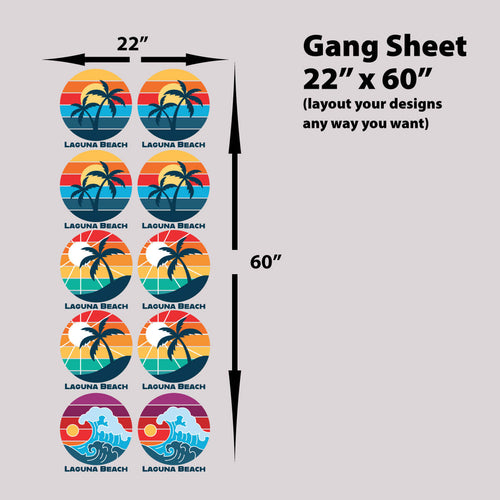
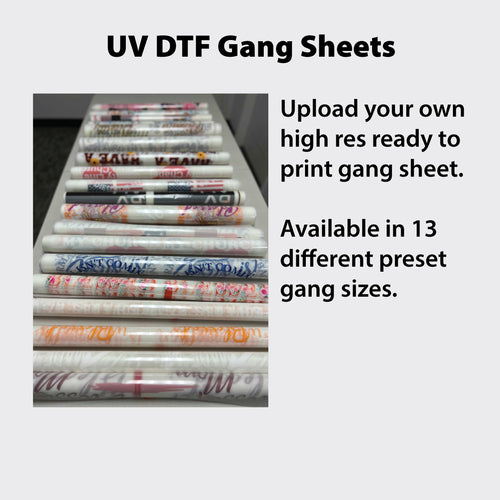
Gang sheets change the math by packing multiple designs onto one sheet. A 4x4 logo printed alone uses the film inefficiently, while the same logo placed beside three other designs spreads that film cost across more than one placement or more than one order. The savings come from better layout, not from a lower-grade transfer.
For shops that need to keep turnaround moving, that layout choice matters as much as the art itself. A clean gang sheet means less waste, fewer reprints, and a lower cost per design without changing the finished look on the garment.
What a real quote should include
A useful San Antonio quote should spell out whether the price covers the printed sheet, color proofing, rush handling, and pickup or shipping. If a vendor leaves those items vague, first-time buyers usually find the missing charges later.
The quote should also tell you whether the shop is pricing a single design, a packed gang sheet, or a sheet that the shop has already arranged for you. That distinction changes the math fast, especially on repeat merch orders where the same artwork gets used across multiple garments.
Buyer's check: if the quote is vague, ask whether the price is for one design, a packed gang sheet, or a sheet with artwork already arranged by the shop.
San Antonio buyers comparing dtf san antonio options should also ask how the shop handles file setup, because a cheap quote can turn expensive if the artwork needs cleanup. For press settings, it helps to follow a vendor's published guidance, such as Lion DTF's heat press settings guide, so the transfer is matched to the film and garment before the order goes out. A good layout cuts waste fast, and that is where the margin lives for shops, schools, and anyone ordering recurring merch.
File Prep, Artwork Settings, and Press Variables That Decide Success
Most bad DTF jobs start with flawed preparation. The transfer may come back clean from the printer, but if the artwork is soft, the color mode is wrong, or the press settings are sloppy, the garment still fails on the table.

Start with the file before you ever press
For artwork intended for production, 300 DPI or higher is recommended so edges stay sharp and fine detail doesn't soften on the film. DTF file guidance also emphasizes using CMYK for print accuracy and a PNG with transparent background when you don't want a white box around the design. DTF file requirements and guidelines
Tiny text is where a lot of non-designers get burned. If the lettering is rasterized, too small, or saved from a low-quality screenshot, the final transfer may still print, but it won't look like the proof.
Use press settings that match the film and fabric
A common process window is 240 to 280°F for 10 seconds, then a re-press, with a 24-48 hour wash delay before testing. That window helps the adhesive bond properly before the garment gets washed. DTF pressing instructions
The basic mechanics also matter. DTF San Antonio's own guide says the transfer is pressed at 240 to 280°F for 10 seconds, then instantly hot peeled, which tells you the vendor understands the actual press stage and not just the sales side. Common failure modes and quick fixes
- Powder scatter, usually means the film was handled too aggressively or the powder wasn't evenly cured. Slow down the handling and confirm the adhesive layer is even.
- Hot-peel versus cold-peel confusion, which leads to torn edges or dull adhesion. Match the peel method to the transfer type before you press a full run.
- Scorching on poly blends, which usually means the temperature is too aggressive for the garment. Reduce heat and test a sample first.
- Weak bonding on damp fabric, which happens when moisture stays in the garment. Pre-press the shirt and keep humidity out of the workflow.
I'd trust a vendor more if they'll explain those variables up front and press a sample before taking a bigger order. A shop that hides settings usually hides process problems too.
For a deeper setup reference, the press-settings article at Lion DTF's heat press guide is the kind of practical material buyers should expect from a serious vendor.
Turnaround, Same-Day Pickup, and San Antonio Logistics
A transfer can leave the press fast and still miss the event if the handoff is sloppy. San Antonio buyers need to think in terms of production time plus pickup time, not just “same-day” as a label.
DTF San Antonio's local guide says the shop offers same-day turnaround if an order is submitted by 3:00 p.m., and it also notes 24/7 secure box pickup for after-hours access. MySA's local guide That setup helps when a team manager cannot stop by during the workday or when a last-minute event order lands after normal business hours. A buyer who needs a local option can also use custom DTF transfers near me as a way to compare what nearby shops say they can deliver, not just what they print.
Pickup is part of the deadline
San Antonio is spread out enough that traffic can turn a quick handoff into a long errand. If the buyer is coming from the Southside, Military Drive, or anywhere that puts them across major corridors, “local pickup” is not automatically faster than regional shipping. The question is whether the pickup window fits the route and whether the shop can hold the order without confusion.
A regional ship option can still make sense for buyers who do not need the transfer immediately and want the convenience of a cleaner order cutoff. For event-driven work, a local handoff is usually the smarter move if the vendor has a firm cutoff and a reliable pickup process. I have seen rushed orders go bad because the print was ready, but nobody confirmed who was collecting it or when.
Match the order tier to the deadline
- Same-day pickup works when the artwork is ready and the shop has a published cutoff.
- Standard turnaround works for recurring merch, school runs, or no-rush orders.
- Shipping makes sense when the buyer needs convenience more than speed.
The fastest print shop in town still loses if the buyer misses the pickup window.
For anyone comparing dtf san antonio vendors, the test is whether the shop can explain the handoff as clearly as the print itself. That matters most when an order is urgent and the customer does not have time for back-and-forth.
How to Evaluate a Local DTF Vendor Before You Order
A local DTF vendor should be easy to verify before you pay. If you can't find a real address, a real contact method, or any sign of process discipline, that's a warning, not a mystery.
Five checks that predict a better outcome
- Verifiable address. A physical shop is easier to trust than a vague online listing.
- Sample Test. Purchase a test transfer if you care about adhesion and color behavior.
- Print quality proof. Look for sharp edges, gradients, and small text, not just big logos.
- Turnaround clarity. Good vendors publish their timing instead of making you guess.
- Reviews and support. A strong review trail and responsive communication usually beat polished marketing copy.
What to ask before you place the order
If the vendor talks about wash durability, ask how they test it. If they mention color matching, ask how they handle brand colors on dark garments. If they won't give you press instructions, that's a sign the sale matters more to them than the finished result.
Watch for this: vague “premium quality” claims with no file guide, no press settings, and no sample path usually mean the buyer is doing the risk management.
A serious San Antonio shop can also show you how it handles non-standard art, not just bold graphics with no detail. That's where you separate a real production partner from a storefront that only looks busy.
Ordering DTF in San Antonio With an Auto-Build Gang Sheet Builder
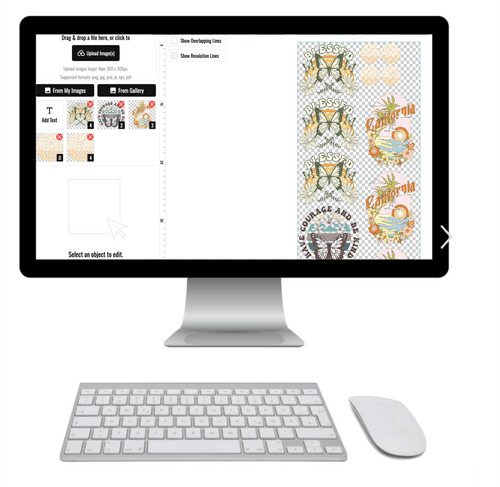
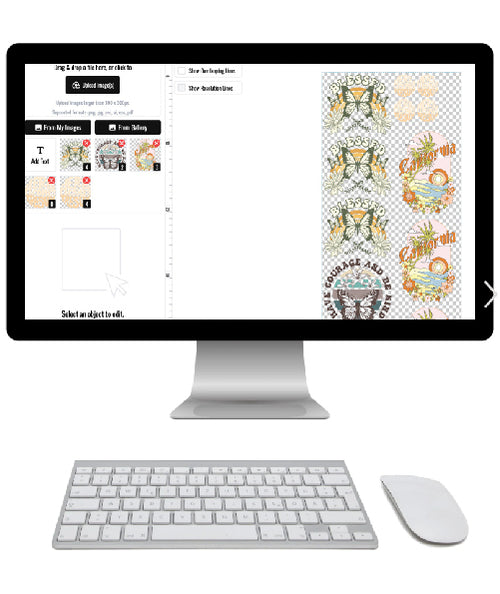
The cleanest ordering flow starts with the sheet, not with a message thread. A good auto-build gang sheet builder lets you upload artwork, pack it onto a printable sheet, and see the layout before you pay, which cuts wasted film and reduces the chance of manual nesting errors. That's the kind of tool that makes DTF easier for people who don't want to live inside Photoshop.
A simple ordering path that works
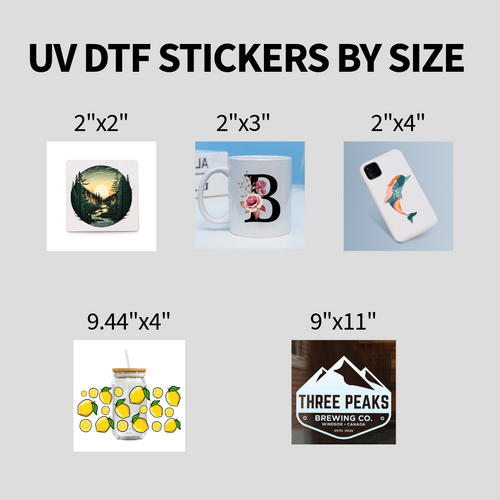
Pick the sheet size, upload your PNGs, let the builder place the designs, review the preview, then add the order to cart and choose pickup or shipping. If you're ordering from a vendor like Lion DTF, that workflow is available alongside services such as vectorization and a “We Build a Gang Sheet for You” option for non-designers. DTF gang sheet builder
Film waste is money. The tighter the nesting, the better the cost efficiency, especially when you're spreading several logos, sleeve marks, or left-chest placements across one sheet.
What good tools save you from
Hand-building a sheet in Photoshop works until a logo gets misaligned, a margin gets clipped, or a file lands in the wrong size class. The auto-build route reduces those errors and keeps the buyer focused on the actual job, which is getting usable transfers ready on time.
A shop that also supports blanks, supplies, and press help is easier to work with because the order doesn't stop at checkout. For many buyers, that support is the difference between a smooth first run and a wasted afternoon.
Choosing the Right DTF Path for Your Use Case
A small business ordering repeat merch should care most about sheet efficiency and easy reorders. An event organizer should care about same-day handoff and a clear cutoff. A hobby crafter with a rough sketch should care about design help and file cleanup more than anything else.
For small business merch, a gang sheet builder keeps recurring runs organized and cost-effective. For event and sports gear, same-day pickup matters more than almost anything else. For DIY and hobby work, vectorization or design assistance prevents bad prints before they start.
If the vendor can't match the service to the use case, keep shopping.
A useful way to think about dtf san antonio is simple. Get the vendor right, get the file right, get the timing right, and use the right sheet strategy. When those four pieces line up, DTF stops feeling complicated and starts feeling like the fastest practical way to get full-color apparel done.
Lion DTF Transfers offers custom DTF transfers, gang sheets, and file support that fit the kind of San Antonio orders covered here, from rushed event runs to repeat merch production. If you want a cleaner ordering path with sheet building, pickup-friendly timing, and practical help on file prep, visit Lion DTF Transfers and compare the workflow against your next job.