



You've got a stack of mixed-fabric orders, a heat press that's already warm, and a customer who wants the logo on black poly-blend hoodies by Friday. That's where DTF printing earns its keep. It's the process that lets a shop move fast without locking itself into one fabric, one color count, or one decoration style.
Understanding Direct to Film Technology
A lot of print shops reach a point where DTG feels too fussy, screen printing feels too slow for short runs, and vinyl starts looking like a dead end for detailed art. DTF sits in the middle with a practical answer: print the artwork onto a PET film, apply hot-melt adhesive powder, and transfer the image with heat. The result is a decorated garment that works across a wide range of fabrics and design types, without forcing the shop to rebuild its workflow for every order, as outlined in this overview of how DTF transfers work.
What the process really does
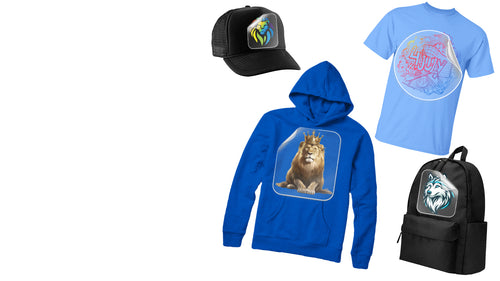
The core value of DTF printing is compatibility. The design doesn't go straight into the garment like DTG, and it doesn't need a separate screen for each color like screen printing. Instead, the print lives on a film first, then gets bonded to the fabric during pressing.
That matters in day-to-day production because the shop can run one transfer and press it later, or batch multiple designs for different customers on one sheet. It also helps explain why DTF has moved beyond a niche. The global direct-to-film printing market was estimated at USD 2.72 billion in 2024 and is projected to reach USD 3.92 billion by 2030, which implies about 44% growth over six years at a 6.0% CAGR from 2025 to 2030 Grand View Research.
Why shops keep adopting it
That growth lines up with what print operators care about most, versatility and speed. DTF is attractive because it supports customized, on-demand production and handles mixed apparel orders more gracefully than more specialized methods. In other words, it solves a real production problem, not just a marketing one.
Practical rule: if your order book includes cotton tees, polyester jerseys, and random one-off merch, DTF gives you one transfer workflow instead of three different decoration systems.
The market data backs up the commercial reality too. In the United States, the DTF market generated USD 302.7 million in 2025 and is expected to reach USD 389.8 million by 2030, with a 5.2% CAGR from 2026 to 2030. North America generated USD 480.4 million in 2025, which shows the category has already moved into mainstream commercial use in major print markets Grand View Research.
The Step by Step Production Workflow
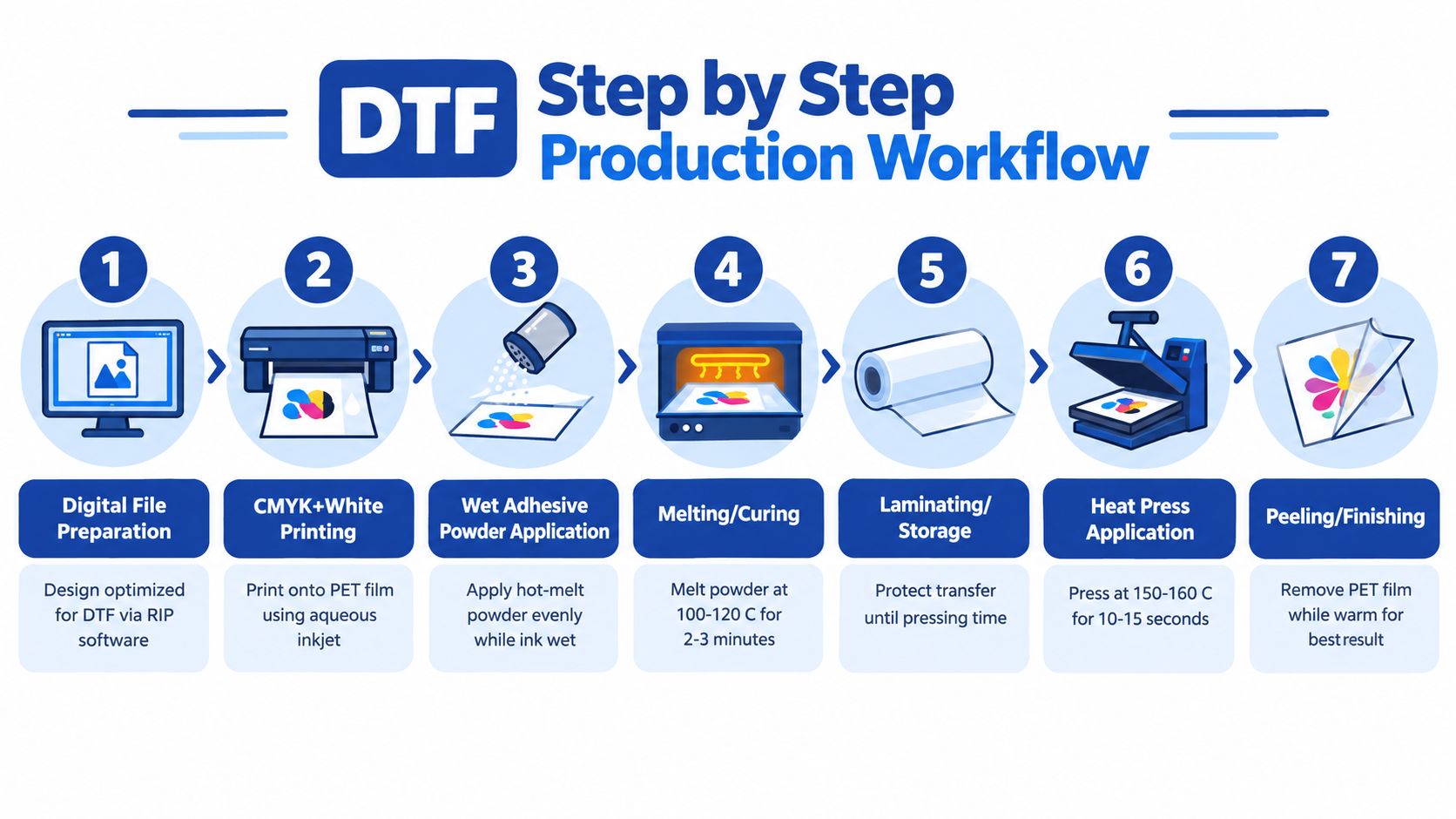
A clean DTF job starts before the press ever closes. The film, ink, powder, temperature, and pressure all have to work together. If one of those variables drifts, you don't get a durable transfer, you get a callback.
The physical sequence
First comes file prep in RIP software, where the artwork is prepared for white ink and color layers. Then the printer lays the design onto PET film using water-based pigment inks. After that, TPU hot-melt powder is applied while the ink is still wet so the adhesive can sit evenly across the print.
The curing stage is where a lot of shops win or lose jobs. Independent technical guidance notes that under-curing weakens the adhesive bond and causes peeling, while over-curing can make the printed layer brittle. Practical production guidance commonly places curing around 120–135°C to fully melt the powder, followed by heat pressing at 240–280°F for 7–10 seconds with firm, even pressure.
Why temperature control matters more than people think
That thermal window is not a suggestion. It's the difference between a transfer that fuses into the fibers and one that sits on top of the garment like a sticker. A lot of “bad DTF” complaints are really press problems, not print problems.
The workflow is usually completed with a peel and a finishing press. One neutral industry source notes that DTF can be hot peeled while still warm, while some films are cool peel, so the peel timing depends on the film and its instructions. That's why operators need to match the film, the press, and the cure settings instead of copying one universal recipe.
A useful way to think about the process is this:
- Print quality starts with the file, because bad artwork still looks bad on perfect equipment.
- Bond quality starts with the powder, because uneven coverage creates weak spots.
- Durability starts with the cure and press, because that's where the adhesive locks in.
The transfer doesn't fail at one dramatic moment. It usually fails because one small parameter drifted and nobody caught it.
The press stage is also where a shop's consistency shows up. Even pressure across the platen matters as much as heat. If the center of the transfer bonds but the edges don't, the print will look fine on day one and fail later.
A video walkthrough can help new operators see the sequence in motion.
Durability and Wash Testing Realities
A transfer that looks perfect on delivery day can still fail in production if curing, pressing, or garment handling is inconsistent. Buyers judge DTF printing after laundering, stretching, sweat, friction, and heat, so durability depends on process control as much as artwork or ink coverage.
What the standards measure
Wash-fastness testing for DTF commonly uses textile methods such as AATCC 61-2A and ISO 105-C06, which simulate repeated home or industrial laundering AIPrinter. Technical summaries associate one AATCC 61-2A cycle with about five home washes. Well-produced transfers can reach grey-scale ratings around 4 to 4.5 after 10 such cycles, equivalent to roughly 50 home washes.
That translation gives customers a practical reference, but it is not a promise for every garment. Fabric composition, pretreatment, adhesive coverage, curing temperature, dwell time, pressure, and moisture all affect the result. A press that applies uneven pressure can leave the center bonded while the edges remain vulnerable.
What usually fails first
Adhesive fatigue often appears before obvious pigment loss. A weak TPU bond may lift or crack while the color still looks acceptable, so operators should investigate powder coverage, cure consistency, pressure, and fabric moisture before blaming ink density.
Real-world performance is often reported around 40–60 washes on cotton and 55–65 on polyester before visible cracking, fading, or edge peeling. Heat, detergent, tumble drying, UV exposure, sweat, oils, and chlorine can shorten that range Print-Technology. These variables also affect profit. Reprints, refunds, and replacement garments quickly erase the margin from a low-cost transfer.
Practical rule: if the edge lifts first, check cure, pressure, and fabric moisture before blaming the ink.
Customer guidance should match the garment's use. Workwear, sports uniforms, and high-friction placements need realistic expectations. Inside-out washing, cooler drying, and avoiding harsh chemical or heat exposure can extend service life. For production teams, recorded press settings and periodic wash tests are more reliable than visual inspection alone.
Comparing DTF with DTG and Screen Printing
A lot of confusion comes from comparing methods by surface appearance only. That misses the operational side, which is where the money is. The right decoration method depends on fabric mix, run size, and how much setup you can absorb before production starts.
Side by side differences
| Feature | DTF Printing | DTG Printing | Screen Printing |
|---|---|---|---|
| Fabric compatibility | Broad, works across many apparel types | Best on cotton-heavy garments | Broad, but setup varies by job |
| Pretreatment | Not required | Required on many garments | Not required in the same way |
| Color handling | Full-color artwork with white base | Full-color artwork with white base | Depends on the number of screens |
| Best use case | Mixed-fabric, short-run, on-demand work | Cotton-focused, soft-hand prints | High-volume runs of simpler artwork |
| Operational feel | Fast turnaround, flexible | More process-sensitive | Setup-heavy, efficient at scale |
DTF is usually the more forgiving choice when the order mix is messy. DTG can still win on cotton when the softest possible hand feel matters. Screen printing still makes sense when the same design is going out in large quantities and the setup cost can be spread across the run.
Where each method earns its money
DTG's hidden cost is not just ink, it's process discipline. Pretreatment has to be applied correctly, dried correctly, and matched to the garment. If that's off, the print looks patchy or washes poorly.
Screen printing has a different problem. It's excellent for repeat volume, but every new color or design variation adds setup overhead. That makes it expensive for short runs or complex multi-version orders.
DTF fills the gap between those two extremes. It gives a print shop a way to service one-offs, small batches, and mixed-fabric orders without changing methods every time the order board changes.
File Preparation and Gang Sheet Optimization
A profitable DTF order can lose margin before it reaches the press. Poorly prepared artwork wastes film, increases handling, and raises the material cost of every usable transfer. A controlled file workflow does the opposite, giving each sheet more sellable output and reducing avoidable rework.
How to prepare files for efficient output
Start with clean, print-ready artwork. Use transparent backgrounds where required, check the edges of the design, and set the layout to the final garment size. A file that is oversized, poorly aligned, or carrying unnecessary background information can create problems during layout and pressing.
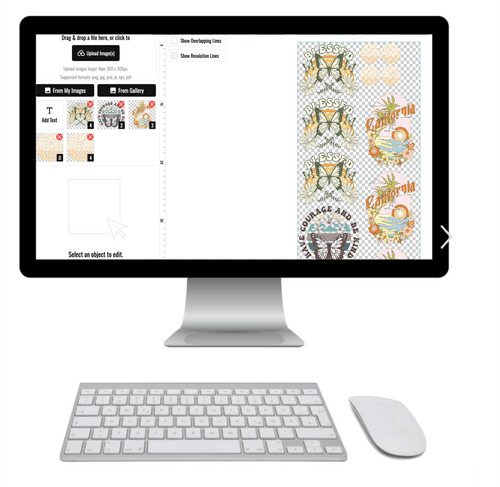
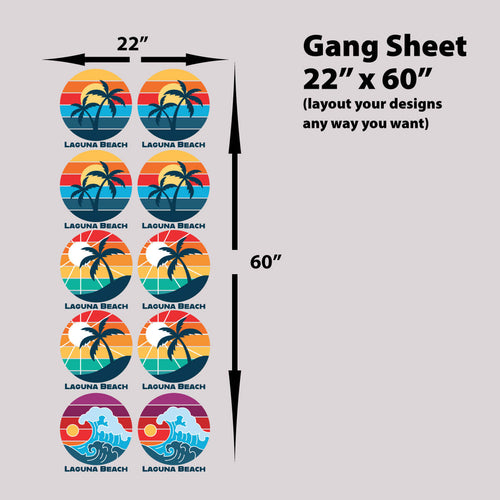
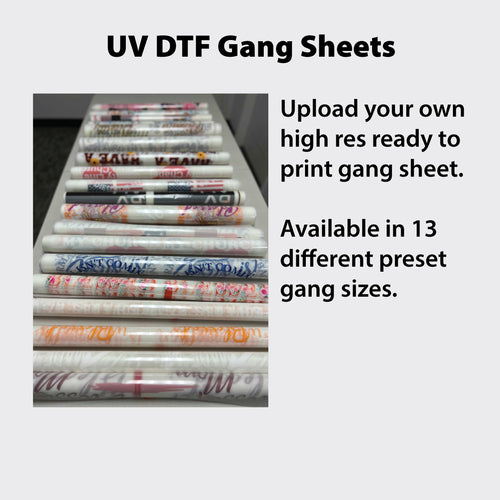
The next priority is sheet utilization. A gang sheet is one DTF film containing multiple logos or graphics, rather than separate transfers for each design. Gang sheet builders arrange the artwork to use available print area efficiently, and one builder supports exporting the finished layout at 300 DPI for upload or printing.
The layout also affects production control. Designs packed too tightly can be difficult to cut, weed, or position accurately. Excessive spacing wastes film. Leave enough separation for handling, then check that each design remains easy to identify after printing.
Why automated layout affects profit
Manual nesting consumes production time. Dragging, resizing, and aligning files repeatedly creates opportunities for inconsistent spacing and incorrect dimensions. Automated tools reduce those decisions and make material usage more predictable across repeat orders.
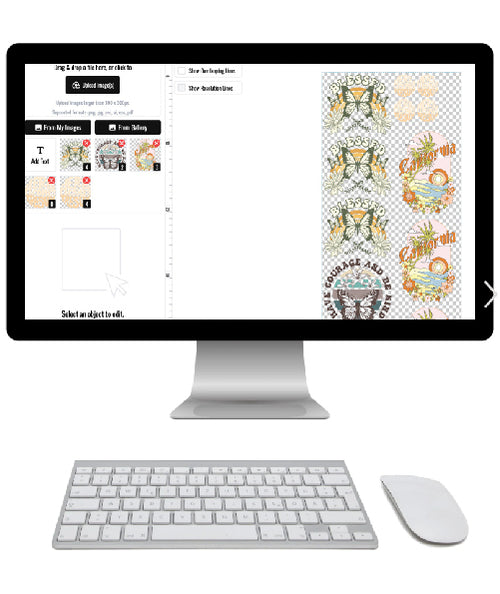
The Lion DTF Auto-build gang sheet builder automates the arrangement of multiple files on one sheet, reducing trial and error during setup. It does not replace file checks. Confirm artwork dimensions, orientation, and intended garment placement before sending the layout to production.
Use these habits to protect the margin:
- Keep repeated elements grouped, so names, sizes, and matching designs remain easy to track.
- Match sizing to the garment category, since oversized artwork can consume film without improving the finished product.
- Run the builder before quoting, because the completed layout shows the actual material requirement more clearly than an estimate based on individual designs.
- Review spacing before printing, especially when transfers will be cut or applied separately.
The cheapest print is the one that uses the sheet efficiently the first time.
Curing and pressing determine durability, but layout determines how much profitable output reaches that stage. A shop can control heat and pressure carefully and still lose money through wasted film, misplaced designs, or avoidable handling. Efficient gang sheet construction improves the usable yield from each run, often making a larger difference than a small transfer discount.
Pricing Structures and Buyer Guidance
A low transfer quote can still produce an expensive garment. Waste, turnaround delays, pressing mistakes, and rework all affect the cost that matters: the finished, press-ready product.
What to compare before ordering
Suppliers may charge by square inch, sheet, or transfer size. Each structure suits a different production pattern. A flat gang sheet rate can work well when artwork is packed efficiently, while size-based pricing may suit a simple one-off logo. Ask how the supplier's automated layout handles spacing and unused film, because material yield directly affects margin.
Compare these points before placing an order:
- Transfer format: confirm whether pricing is based on size, sheet, or completed layout.
- Color accuracy: ask how color matching is handled for brand-sensitive work.
- Peel style: verify whether the film is hot peel, cool peel, or varies by product line.
- Turnaround time: separate production time from shipping time.
- Order flexibility: confirm whether the supplier supports one-off jobs and repeat batches.
- Sample quality: press and wash-test a sample before committing to a larger order.
A sample also reveals whether the transfer responds consistently to your equipment. Check the recommended temperature, pressure, and dwell time, then record the settings that produce a clean bond on your garment. A supplier can deliver a technically sound transfer, but poor curing or uneven pressing can still turn it into a reject.
What good procurement looks like
A supplier that understands DTF should discuss file readiness, press settings, curing expectations, and garment compatibility, not just the sale. If the team cannot explain how its transfers behave under heat or across fabric types, you are buying a commodity rather than production support. For a deeper walkthrough of vetting criteria, see this guide on how to choose a reliable DTF transfer supplier in the US.
For shops that outsource rather than print in-house, Lion DTF Transfers is one option among several for custom DTF transfers, gang sheets, and hot-peel production. The workflow is direct: upload prepared artwork, set the correct size, review the layout, and order a press-ready transfer without building the entire print system internally.
Buyer rule: the lower quote is not the better deal if it creates more rejects, pressing errors, or reorders.
Evaluate the next order as well as the current one. Consistent repeat production makes costs easier to forecast, reduces process adjustments, and protects the margin on every garment.
Troubleshooting Common Production Issues
A bad result doesn't automatically mean the transfer was bad. In DTF, the press room can cause just as many failures as the printer. The first job is figuring out whether the fault sits in the film, the cure, the garment, or the press itself.
What edge peeling usually means
Edge peeling usually points to one of three problems, uneven pressure, insufficient curing, or trapped moisture in the garment. If the middle of the design bonds but the corners start lifting, the press probably isn't applying uniform force across the platen. If the whole print lifts early, the powder bond may not have fully formed.
Moisture is the sneaky one. A garment that wasn't pre-pressed long enough can release steam under heat, and that steam interferes with adhesion. The print may look set at first, then fail after the first wash.
Cracking and color shift are not the same problem
Cracking often points to a transfer that was over-cured or pressed too aggressively. Color shift can happen when heat, fabric type, or press timing changes the way the ink sits on the film. The fix isn't always “more heat,” even though that's the first instinct in a lot of shops.
A quick diagnostic approach helps:
- If the print peels at the edges, check pressure balance and fabric moisture.
- If the print feels brittle, reduce thermal stress and revisit cure time.
- If the color looks dull after pressing, confirm film compatibility and press timing.
The re-press step matters too. A short finishing press helps lock the adhesive deeper into the fibers and smooths the final hand feel. Shops that skip it often create prints that look acceptable at packing time but wear down faster in real use.
Don't assume the transfer failed just because the first press looked imperfect. A lot of DTF problems are press discipline problems.
That's why a reliable production checklist is worth more than guesswork. Once the shop treats heat, pressure, and dwell time as controlled variables, the reject rate usually drops and the finished garments look more consistent from batch to batch.
If you need press-ready transfers, gang sheets, or a simpler way to keep layouts efficient, visit Lion DTF Transfers and compare the options against your current workflow. Their transfers fit the same production realities covered here, and they can help you keep the press room moving without turning every order into a custom experiment.
Email orders@LionDTF.com or Text or Call: 833-350-5466