


samYou've got a Portland pop-up in two days, thirty blank shirts on the table, and artwork that still lives in an Instagram screenshot. Or perhaps you're outfitting a school group where the same design needs to work on cotton tees, polyester jerseys, and blended hoodies. The pressing deadline is only part of the problem. You also need to choose a decoration method, prepare usable artwork, order the right transfer layout, and apply everything without creating peeling or crooked prints.
DTF Portland jobs are often won or lost in those practical details. Direct-to-Film transfers solve many short-run and mixed-fabric problems, but they aren't automatically the right choice for every order. This guide breaks down the method against screen printing and DTG, then covers artwork, ordering, local fulfillment, pressing, and troubleshooting.
What DTF Transfers Are and Why Portland Buyers Use Them
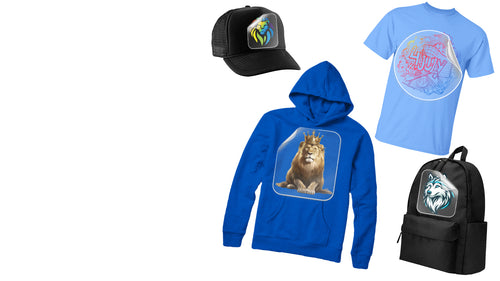
DTF, or Direct-to-Film, is a transfer process rather than a direct garment-printing method. A printer lays water-based ink onto PET film, applies adhesive powder, and cures the printed film. A heat press then bonds the finished transfer to the garment.
That process removes several steps that slow down traditional decoration. There are no screens to prepare, no design elements to weed by hand, and no garment pretreatment step, which makes DTF practical when a buyer needs a detailed design on a modest quantity of shirts. The transfer can also be applied to cotton, polyester, and many blended fabrics, provided the press settings match the material.

Why the local buyer profile fits DTF
Portland's business base includes a substantial population of small operators, makers, restaurants, events, schools, and apparel brands. A 2023 Portland Metro Chamber small-business report says 94% of establishments in Multnomah County are small businesses, and those businesses employ 35.1% of the county workforce. The report also records more than 25,500 small-business establishments in the county after growth between 2017 and 2022.
That environment creates a steady need for short runs, test merch, staff apparel, club shirts, and designs that change frequently. A local brand may want a small batch before committing to a larger inventory order. A school may need one artwork file across garments with different fiber compositions. DTF handles both situations without forcing the buyer into screen-printing setup or a cotton-only workflow.
Practical rule: Choose DTF when the artwork is detailed, the quantity is limited or variable, or the order includes more than one fabric type.
Portland is also a large regional market. The city recorded 653,049 residents in the 2020 census, while the broader metro area was estimated at 2,265,000 people in 2025, according to Portland population and metro-area estimates. That reach supports demand from both local pickup customers and buyers shipping throughout Oregon and southwest Washington.
DTF vs Screen Printing vs DTG for Portland Apparel Jobs
The right method depends on the order, not on whichever process has the loudest marketing. DTF generally performs well for short runs, photo detail, gradients, and mixed fabrics. Screen printing becomes more attractive when a large order uses a simple design with a limited number of spot colors. DTG suits one-off or very small cotton orders where a direct print is more convenient than producing transfers.
| Method | Best Run Size | Fabric Range | Setup Cost | Typical Turnaround |
|---|---|---|---|---|
| DTF | Short to medium runs | Cotton, polyester, and many blends | Low setup burden | Fast, depending on production queue and shipping |
| Screen printing | Larger runs with repeated designs | Strong on compatible cotton and blends | Higher setup burden | Efficient after setup, slower for urgent small batches |
| DTG | One-off and very small runs | Best suited to cotton garments | Minimal screen setup, but requires garment preparation | Convenient for individual pieces |
Where DTF earns its place
With DTF, the artwork is prepared digitally and printed onto film before pressing. That makes a full-color illustration or photographic design practical without adding screen preparation for every color. It also lets a buyer order transfers separately from blank garments, which can help a decorator manage inventory and press garments as orders arrive.
Screen printing still has a clear advantage for a large run of identical garments with a simple, bold design. Once screens are prepared, the production process can move quickly and the unit economics can improve. The trade-off is setup time, color separation, registration, and less flexibility when every garment or design needs variation.
DTG avoids transfer handling and can be a good fit for a single cotton shirt. It isn't the first choice for every polyester garment, and it generally requires more care around garment preparation and curing. For a deeper technical comparison, review this DTF versus DTG printing guide.
A 30-second Portland decision rule
- Choose DTF for short runs, mixed fabrics, event deadlines, gradients, or detailed artwork.
- Choose screen printing for a larger quantity of identical garments with a simple spot-color design.
- Choose DTG for an individual or very small cotton order where direct garment printing makes sense.
For most Portland apparel jobs below roughly 144 pieces, especially when the artwork includes color detail or photographic elements, DTF is usually the first process worth pricing. That isn't a universal rule. A screen printer may still beat it on a large, simple repeat order, while DTG may be convenient for one cotton sample.
How to Prepare Your Artwork for DTF Transfers
A clean file prevents more production problems than any pressing trick. Start with a PNG at 300 DPI, use an actual transparent background, keep the artwork in RGB color mode, and size the file in inches for the garment area where it will be applied.
The design should be large enough for the intended print zone but not so large that it crosses seams, pockets, or curved edges. Leave a practical safe zone around important text and fine details. The press needs room to make even contact, and artwork placed too close to a collar, seam, or edge can receive inconsistent pressure.

Files that cause avoidable trouble
An Instagram screenshot may look sharp on a phone but contain too few pixels for a clean garment print. A JPEG with a white background can produce a visible white rectangle around the design. CMYK artwork may also shift in appearance when converted through a DTF printing workflow, particularly in bright colors and gradients.
Vector logos are ideal when the artwork contains type, simple shapes, or clean brand marks. Hand-drawn artwork can work well too, but it may need cleanup, background removal, or vectorization before production. If the original logo is blurry, requesting vectorization is usually more useful than asking the printer to enlarge it.
A provider such as Lion DTF's custom heat-transfer design service can support buyers who need logo design, shirt design, vectorization, or help preparing a gang sheet. Its “We Build a Gang Sheet for You” service is designed for customers who don't want to handle the layout themselves.
Upload checklist
- Resolution: PNG prepared at 300 DPI.
- Background: Transparent, with no hidden white rectangle.
- Color: CMYK artwork, checked against the intended garment color.
- Dimensions: Sized in inches for the actual print zone.
- Edges: Important text and details kept away from seams and garment edges.
- Review: Open the file on a large screen before uploading and inspect small type, thin lines, and transparency.
Three Ways to Order DTF in Portland
Portland buyers usually order DTF in one of three ways. You can build a custom gang sheet, order a transfer by finished size, or choose a ready-to-press design from an existing collection.

Build a custom gang sheet
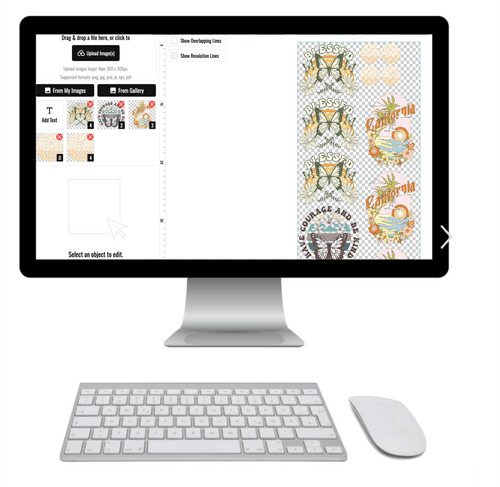
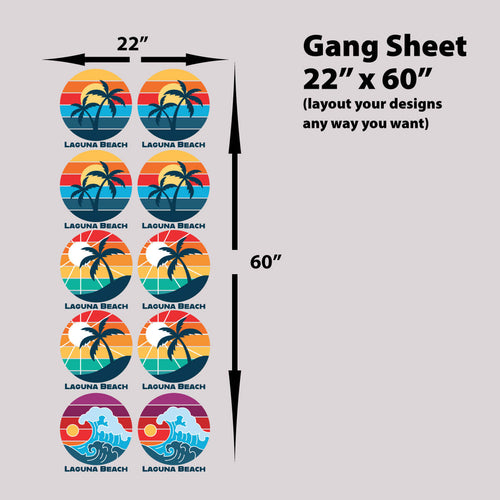
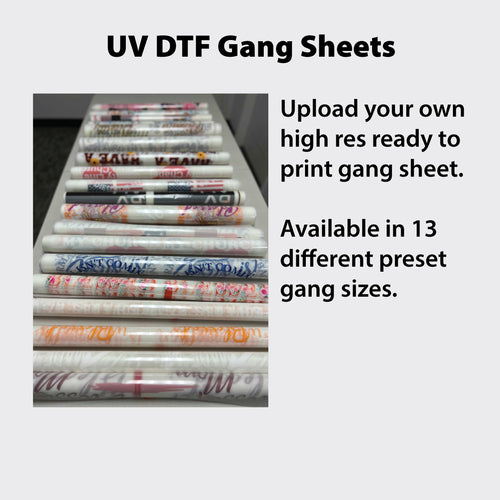
A gang sheet places multiple designs on one larger sheet of transfer film. This is usually the most cost-effective route when you need several logos, sizes, colorways, or repeated artwork for the same project. Instead of ordering every design as a separate piece, you use the available film area more efficiently.
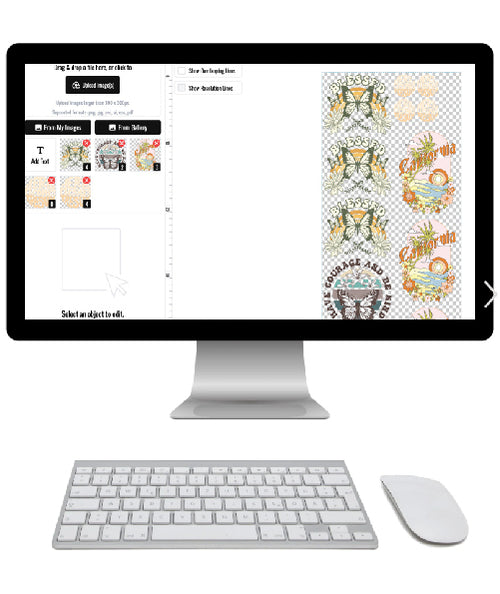
Manual gang-sheet layout can be tedious. You need to maintain spacing, check dimensions, rotate artwork carefully, and avoid wasting usable space. An Auto-build gang sheet builder removes much of that work by arranging uploaded designs automatically for layout efficiency. That reduces manual setup and wasted film, which can lower the effective cost per transfer.
For a Portland brand preparing a pop-up collection, the workflow is straightforward:
- Upload the artwork: Add the cleaned PNG files and confirm the intended quantities.
- Review the layout: Check that designs have enough spacing for cutting and handling.
- Confirm sizes: Make sure front, back, sleeve, and youth versions haven't been mixed up.
- Order the sheet: Keep the finished transfers organized until pressing.
The Auto-build gang sheet builder is especially useful for small operators who know what they want printed but don't want to learn production layout software.
Order by size
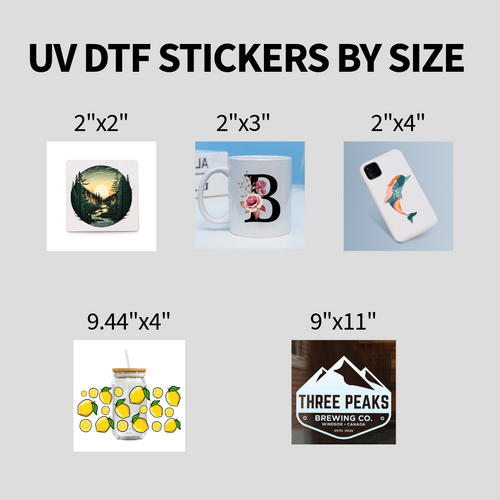
Ordering by size works well for a single design or a simple job with standard garment zones. Select the intended dimensions, upload the artwork, and order the number of transfers required. This path is easier to understand when you don't need multiple graphics on one sheet.
Pick a ready-to-press design
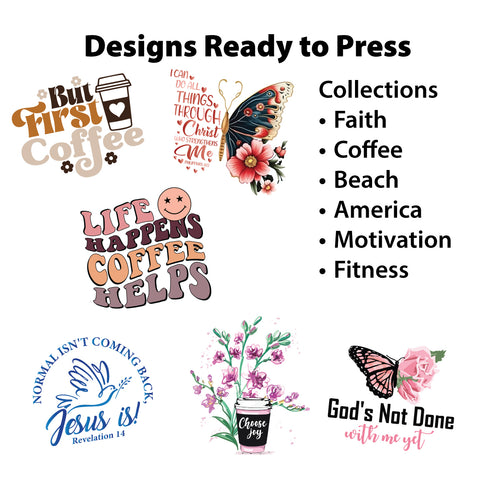
Ready-to-press collections suit buyers who want a finished theme without creating artwork from scratch. Designs may cover categories such as America, faith, coffee, and seasonal holidays. This option is convenient for makers, event organizers, or small sellers testing a product idea.
Gang sheets save material only when the artwork is correctly sized and arranged. A badly prepared sheet can waste more film than it saves.
Pickup, Shipping, and Turnaround in the Portland Area
A shirt order due for a weekend event needs a different plan from a run with flexible delivery. Choose fulfillment based on the deadline, production status, and whether someone can receive or collect the transfers. Same-day shipping can solve an urgent local job, provided the order is finished and the pickup window is confirmed. Production queues, file corrections, and missed pickup windows can still delay handoff.
For scheduled work, standard shipping is usually easier to manage. The stated workflow includes one to two business day shipping and a 24-hour printing option. Confirm the production schedule before counting transit time, particularly when artwork still needs review or approval.
Next-day air is the costly fallback when the deadline is less than 48 hours away and local pickup is unavailable. Faster transit cannot correct an incorrect file or a missed approval. Leave time for proofing, then inspect the package as soon as it arrives.
Portland logistics that affect the decision
Portland's regional freight and air connections support movement of transfers, blank garments, and production supplies. The Port of Portland's marine terminals overview says PDX handles more than 16.5 million passengers and 22,000 cargo tons and places the city about 100 miles from the Pacific Ocean and the mouth of the Columbia River. Those connections support shipping access, but they do not guarantee a delivery date for a particular package.
Use this planning rule:
- Same-day pickup: Choose it for an urgent same-week project when you can coordinate the pickup window.
- Standard shipping: Use it for a planned run with room for production and transit.
- Next-day air: Reserve it for a hard deadline under 48 hours away when pickup is unavailable.
Shipping cost varies with package weight and delivery zone. Consolidating transfers into a well-planned gang sheet can reduce handling and simplify fulfillment, but it does not replace accurate artwork or adequate production time. For Portland orders, confirm the handoff method before placing the order, then build a buffer around the event date rather than the carrier estimate alone.
Heat Press Settings and the Right Way to Apply DTF
A good transfer still needs a controlled press. Start with a clean, flat garment and pre-press it briefly to remove moisture and wrinkles. Portland's damp conditions make that preparation particularly useful, especially when garments have been stored in a cool room or near an open loading area.

A reliable pressing sequence
Use the transfer supplier's instructions first, then adjust for the garment. A practical starting range is 310 to 325°F for 10 to 15 seconds, with medium-firm pressure. Place the transfer with the printed side against the garment, cover it with parchment or a suitable Teflon sheet, and press evenly.
Peel the film while it's hot, using one smooth motion rather than lifting it slowly from several corners. A hot peel helps preserve the surface finish and reduces the chance of lifting small details. If an edge hasn't bonded, lay the film back down and press again rather than pulling harder.
After peeling, cover the print and give it a short second press. This can help consolidate the bond and improve the finished hand. Cotton, polyester blends, and tri-blends may need small adjustments, so test an unfamiliar fabric before pressing an entire order.
Pressing rule: Temperature, time, and pressure work as a set. Changing only one setting without observing the garment and transfer can create a false diagnosis.
A home clamshell press can produce professional results when its temperature is accurate and its platen applies even pressure. Commercial presses make repeated production easier because they hold settings more consistently, but the operator still needs to center the garment, avoid seams, and follow the transfer's peel instructions.
When applied with the correct heat, time, and pressure for the fabric, Lion DTF transfers are tested to last 100+ washes, as stated in the provider's DTF heat-press settings guide.
Wash the garment inside out, use a mild cycle, and avoid treating the decoration like a high-heat dryer experiment. Care instructions matter, but correct application comes first.
Common DTF Problems and How to Fix Them
Most DTF failures come from a mismatch between the transfer and the press process. The operator usually has a specific lever to pull, whether that's pressure, peel timing, temperature, or file preparation.
Peeling after the first wash
Peeling after one wash usually points to insufficient pressure, inadequate heat, or a cold peel when the transfer requires hot peeling. Check that the garment was flat, the platen made full contact, and the press reached its displayed temperature.
Fix: Repress the affected area using the recommended heat and medium-firm pressure, then peel at the correct temperature. For new garments or an unfamiliar press, test one piece before running the full batch.
Dull or muted colors
Dull colors can result from temperature that's too low, incomplete curing, or a film peel that's too slow. Dark garments can also make a design appear different from the screen preview, especially when the artwork uses subtle gradients.
Fix: Verify the press temperature with a reliable measurement method, use the supplier's recommended dwell time, and remove the film in one smooth hot-peel motion. Don't compensate by adding random heat without checking the rest of the process.
Film sticking to the garment
If the film sticks, the press may have applied too much heat or time, or the transfer may not be compatible with the chosen peel method. Excessive dwell can soften the adhesive and create a messy release.
Fix: Reduce time within the supplier's allowed range, confirm the correct peel instruction, and keep the garment level during release. Don't yank the film upward, because that can distort fine artwork.
A white box around the design
A white box almost always starts in the artwork. The original file likely contained a white background, even if the background looked invisible in the design app.
Fix: Open the PNG over a contrasting background and remove the white rectangle before uploading. A transparent checkerboard in one program doesn't guarantee clean transparency if the file was exported incorrectly.
Small details are missing
Fine lines and tiny lettering can disappear when the artwork is too small, low-resolution, or surrounded by poorly removed background pixels. Enlarging a blurry file won't restore information that wasn't captured in the original.
Fix: Return to the original artwork, clean the edges, increase the intended print size where appropriate, or request vectorization for a logo. Check the final artwork at actual print dimensions, not only zoomed in on a screen.
Portland buyer FAQ
What's the minimum order size?
DTF works for small orders and individual designs, but the practical minimum depends on the provider, transfer format, and whether you're ordering by size or using a gang sheet. Ask before uploading if your project is a single sample or a very small batch.
Can someone help with my artwork?
Yes. Artwork support can include shirt design, logo cleanup, vectorization, and building a gang sheet when you don't want to prepare the layout yourself. Send the original file whenever possible instead of a screenshot.
What file types work best?
A transparent PNG prepared at 300 DPI is the safest starting point for raster artwork. Vector files can be useful for logos and clean line work, but the provider should confirm which formats its upload system accepts.
How do I reach support if something goes wrong?
Contact the transfer provider before pressing the full order if the file, garment, or instructions are unclear. For direct help with ordering, artwork, or application, use the provider's phone, email, chat, or contact options listed on its website.
For most Portland buyers, the decision is straightforward. Choose DTF for short or changing runs, detailed color artwork, mixed fabrics, and pressing flexibility. Prepare a transparent, correctly sized file, use the Auto-build gang sheet builder when you have multiple designs, and treat temperature, time, pressure, and peel timing as equally important parts of the job.
If you need transfers for a Portland pop-up, school order, brand launch, or home pressing project, Lion DTF Transfers offers custom gang sheets, an Auto-build gang sheet builder, size-based transfers, ready-to-press designs, artwork support, and fast fulfillment options. Upload your artwork or request help building the layout, then choose the transfer format that matches your deadline and garment plan.