


A Miami apparel order rarely fails because the artwork is bad. It fails because the deadline, garment, pickup window, and production method don't line up. One minute you're preparing shirts for a Wynwood pop-up, a team reorder, or a tourism launch. The next, you're calling printers and discovering that “same day” may mean something very different after lunch.
That's the operational reality behind DTF Miami. Direct-to-Film transfers can solve urgent, mixed-fabric, small-batch orders, but only when the provider's process is as dependable as the print itself. This guide focuses on the questions that matter at the press: turnaround certainty, gang sheet economics, fabric compatibility, wash durability, and the file-to-finished-garment workflow.
Racing a Miami Deadline and Needing Transfers Fast
On Monday morning, a small Wynwood streetwear brand has three days before a III Points pop-up. The blanks are already cut, 80 shirts are stacked near the press, and the four-color front graphic is approved. The only unresolved decision is how to get the design onto the garments without burning the event budget or missing the load-in.
Screen printing looks attractive until the setup costs and screen preparation enter the conversation. Sublimation looks clean and soft, but the vendor won't touch the 50/50 hoodies the brand selected. DTF lands between those options. It can handle cotton, polyester, and blends, and a provider may offer same-day local pickup when the file arrives before its cutoff.
That last phrase matters. Public Miami listings show inconsistent fulfillment models. One provider advertises 24/7 pickup at two locations, another emphasizes same-day service, while another operates online-order only on weekends, according to DTF Miami Prints. Proximity doesn't guarantee speed, and “fastest” marketing doesn't tell you whether staff will be available when your event deadline gets tight.
Rush-order rule: Ask for the exact file cutoff, production queue, pickup address, and after-hours contact before paying.
For weekend festivals, tourism merchandise, nightlife launches, and team uniforms, a two-week production calendar isn't useful. A practical guide to custom DTF transfers near you should help you answer four questions: what DTF is, how it compares with other methods, which Miami providers operate reliably, and what happens from artwork upload through final pressing.
What DTF Printing Actually Is
DTF means Direct-to-Film printing. A printer lays water-based ink onto PET film, including a white underbase beneath the artwork. Hot-melt adhesive powder is applied to the wet ink, the film is cured, and the finished transfer is heat-pressed onto the garment.

Think of DTF as screen printing's thinner, digital cousin. Screen printing separates colors into physical screens and usually becomes more economical as identical quantities rise. DTF skips screen creation, so a buyer can order a single design or a mixed gang sheet without building a screen setup for every artwork.
The process in four practical stages
- Print the artwork. The printer reproduces the file onto PET film using CMYK ink and white ink. That white layer lets bright colors remain visible on dark shirts.
- Apply adhesive powder. The powder bonds to the wet ink. It becomes the attachment layer between the printed image and the garment.
- Cure the transfer. Heat melts the powder into a consistent adhesive film. Poor curing can create adhesion and durability problems.
- Press onto the blank. The transfer is positioned on the shirt, pressed under controlled heat and pressure, then peeled according to the film specification.
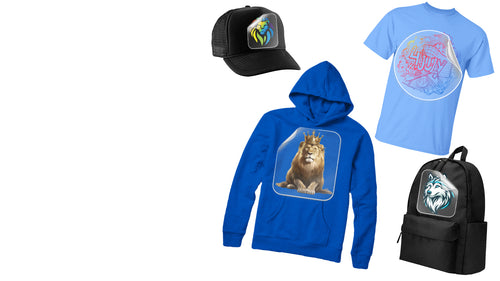
Miami orders often mix performance tees, cotton-rich blanks, polyester garments, and tri-blend hoodies. That mix is where DTF earns its place. Neutral industry listings describe DTF as compatible with cotton, polyester, blends, nylon, and even leather, while Miami apparel coverage also points to growing interest in hybrid workflows, as discussed by King DTG's Miami DTF guide.
Color is another reason local brands use it. Full CMYK plus a white underbase supports saturated artwork, gradients, photographic detail, and the vivid palettes common in beachwear, nightlife merch, and event graphics. Properly applied transfers can reach roughly 80+ wash cycles with minimal fading, and an academic comparison found DTF samples retained color better than screen-printed samples through 50 washing cycles, with DTF the most wash-resistant method tested without significant color loss, according to this published garment-printing comparison.
The finish has also improved. A well-produced transfer can stretch with the garment and feel softer than the heavy plastisol prints many buyers associate with older transfer methods. For a broader explanation of the process, see what DTF printing is.
How DTF Compares to Other Apparel Methods
A Miami order can start as a small event run, turn into team gear, or become tourism merch on a tight deadline. The right method depends on fabric, quantity, artwork, and pickup timing. DTF is usually the practical choice for one to 250 pieces, especially when the order mixes cotton, polyester, blends, and performance fabrics.
| Method | Best Order Size | Fabric Range | Setup Cost | Typical Turnaround | Color on Dark Garments |
|---|---|---|---|---|---|
| DTF | 1 to 250 pieces | Cotton, polyester, blends, performance fabrics, nylon, and more | No screen setup required | Fast, depending on queue and cutoff | Strong with white underbase |
| Screen printing | 100+ identical designs | Best on cotton, more limited on dark polyester | Screens and setup required | Longer setup, efficient for repeat runs | Strong, with setup and ink considerations |
| Sublimation | Small to larger runs on suitable blanks | Light-colored polyester | Low setup for suitable artwork | Fast when blanks are compatible | Not suitable for dark garments |
| DTG | Single pieces and detailed small runs | Primarily prepared cotton garments | Pretreatment required | Can be slower for rush work | Good on prepared dark garments |
Where screen printing still wins
Screen printing becomes more economical at roughly 100 or more identical designs on cotton-only blanks, because setup costs spread across the run. Choose it for a consistent team uniform or retail design that will remain unchanged. DTF makes more sense when the order includes several graphics, dark polyester, variable quantities, or a short pickup window.
Where sublimation falls short
Sublimation produces a soft finish and can work well on light-colored polyester. It does not solve a 50/50 hoodie order or a dark cotton-rich garment. That fabric restriction rules it out for many Miami blanks, even when the artwork is simple. Use it for suitable performance apparel, not as a general replacement for DTF.
Why DTG isn't always a rush solution
DTG handles fine detail and small orders, but the garment usually needs pretreatment, followed by ink curing. Those steps suit planned cotton apparel, yet they add production time when a pop-up, tournament, or event is approaching.
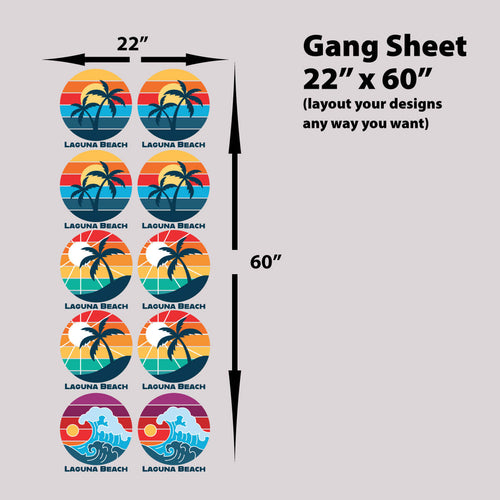
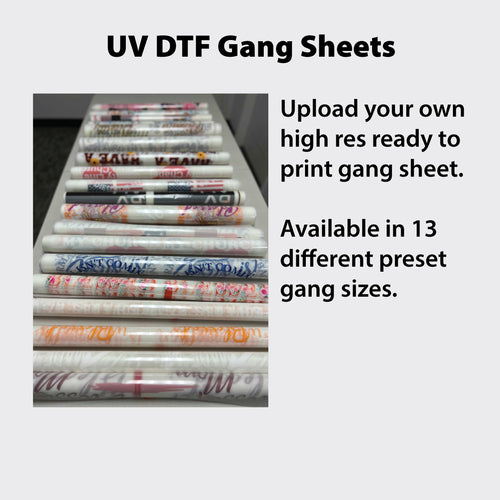
Gang sheets also affect the DTF decision. Combining several logos or designs on one sheet can improve material efficiency, especially for mixed event or team orders. Ask for the shop's actual sheet dimensions, minimum charge, artwork spacing rules, and pickup cutoff before comparing quotes.
For a quote sanity check, published DTF pricing commonly appears around $2 to $6 per linear foot of gang sheet, or $1.50 to $4 for a single 10 by 12 inch transfer, according to this DTF durability and pricing comparison. Treat those figures as a reference, not a guaranteed Miami price. Sheet size, artwork coverage, film quality, and fulfillment speed can change the final cost.
How to Evaluate a Miami DTF Provider
A polished website doesn't prove that a shop can handle your deadline. Test the provider's operational claims before you trust it with a paid run.
Start with the cutoff, not the promise
Ask, “What time must my final file arrive for same-day pickup?” Then ask whether that cutoff applies on weekends, whether approval time counts, and whether the promise refers to printing or actual pickup. A “24-hour turnaround” label may exclude weekend hours or begin only after artwork approval.
Public listings in Miami show why this matters. Service models range from advertised 24/7 pickup to same-day production and weekend online ordering only, so compare the exact window rather than assuming every shop works the same way.
Inspect the physical result
Request recent samples pressed onto the fabrics you use. A cotton sample doesn't tell you how the same transfer behaves on polyester, nylon, or a tri-blend.
Ask the shop for:
- Color samples: Compare a design on cotton and performance fabric, especially if your logo uses a critical brand hue.
- Stretch samples: Pull the garment across the graphic and look for cracking, lifting, or separation.
- Wash evidence: Request test results and care instructions. Don't accept a gallery image as proof of durability.
- Film and ink details: Confirm that the provider uses PET film and water-based DTF inks.
Make the workflow easy to repeat
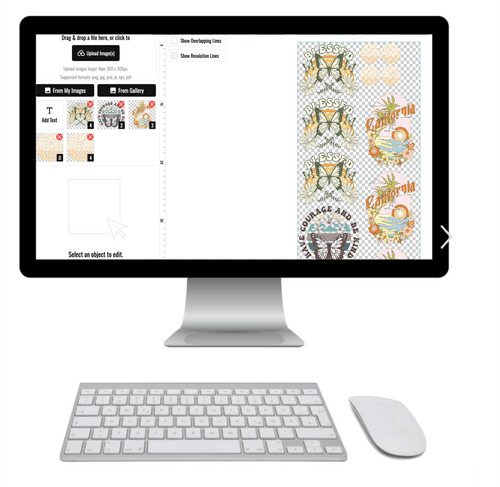
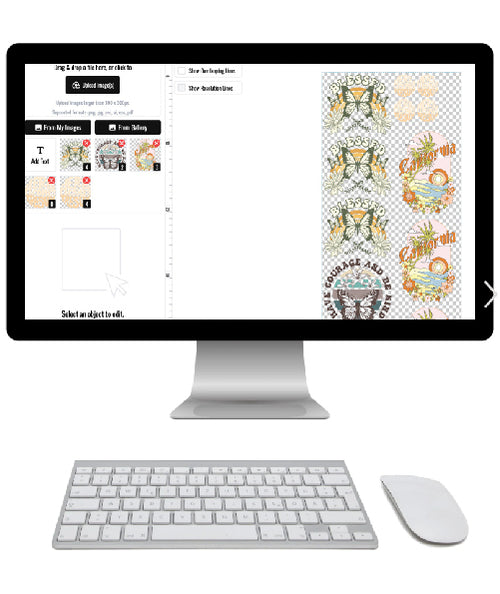
Look for an Auto-build gang sheet builder. The useful version lets you drag multiple designs onto a fixed sheet, arrange them efficiently, and reduce the manual Photoshop work that slows small orders. It also improves cost control by helping you use available film instead of buying several underfilled sheets.
Confirm support channels too. Phone, WhatsApp, email, and website chat are useful only if someone responds while your order is still recoverable. Use this guide to choosing a reliable DTF transfer supplier as a screening framework, then shortlist two or three local providers and test them with your own blanks.
Ordering Workflow From File to Finished Press
A clean order starts before you upload anything. If the file is wrong, same-day production only delivers the wrong result faster.
Prepare the artwork at its final size
Export a PNG at 300 DPI with a transparent background. Confirm the final width and height rather than relying on what the artwork looks like on your monitor. Flatten the file when appropriate, check that important details aren't hidden on separate layers, and convert or embed colors according to the provider's specifications.
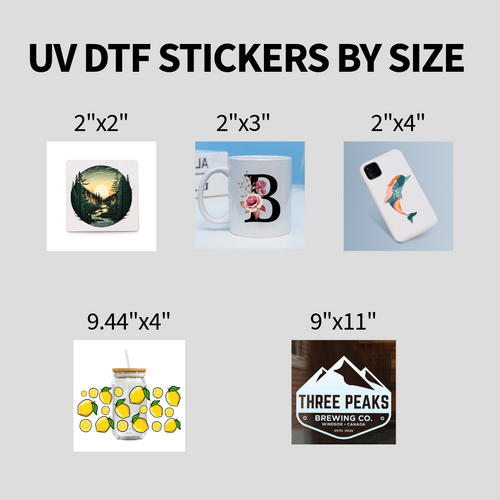
Build the gang sheet after sizing every design. An Auto-build gang sheet builder makes this easier by placing multiple graphics onto a template and maintaining spacing for cutting and white underbase coverage. Standard sheet formats may include 22 by 24 inches for larger orders and 12 by 24 inches for smaller runs.
Pricing is often calculated by square inch without a setup charge. At roughly $0.08 per square inch, a 22 by 24 inch sheet works out to about $42.24, while a 12 by 16 inch sheet works out to about $15.36, based on the stated calculation in the ordering workflow. Custom sizes are billed using the same square-inch approach.
File check: Open the PNG on a dark background before submitting it. Transparency errors and missing white underbase areas are easier to spot there.
Confirm color before the full run
Send a Pantone reference when a brand color matters. Ask for a small proof if the job includes a signature hue, photographic skin tones, or artwork that must match a previous reorder. Screen appearance isn't a reliable substitute for a pressed sample because the garment color and white underbase affect the final result.
Press with a controlled setup
Use the provider's recommended settings first. A common workflow is 270°F for 10 seconds at medium pressure, followed by a cold peel and a 5-second repress with a Teflon sheet. The correct peel method depends on the film, so don't treat hot peel and cold peel as interchangeable.
| Fabric Type | Temperature | Time | Pressure | Peel Method |
|---|---|---|---|---|
| Cotton | 280°F | 10 seconds | Medium | Hot or Cold peel |
| Polyester | Use provider specification | Use provider specification | Medium, adjusted to garment | Follow film instructions |
| Cotton-polyester blend | Use provider specification | Use provider specification | Medium | Follow film instructions |
| Tri-blend | Use provider specification | Use provider specification | Controlled medium | Test before production |
The table separates a repeatable starting point from a universal rule. The exact heat tolerance of polyester and blends varies, so test an inexpensive blank before pressing a full team order.
After pressing, wait 24 hours before the first wash. Turn the garment inside out, wash cold or at 30°C, avoid bleach and dry cleaning, and use low heat or air drying. These care practices are commonly associated with longer DTF service life, as outlined in this DTF transfer care guide.
Miami Use Cases and the Best Ordering Path for Each
A Miami event can fail on timing, while a streetwear launch can fail on excess inventory. Choose the ordering path around the job, not just the word “custom.” DTF fits all of these uses, but pickup timing, gang sheet layout, fabric, and quantity change the right workflow.
Streetwear and e-commerce drops
Small brands usually manage several designs, limited quantities, and a launch date tied to social media. Build a gang sheet before launch, combine graphics efficiently, and press garments as orders arrive. This avoids committing to a large run of one design and keeps blanks separate from transfer inventory.
Use the same path for test runs. A brand can check a graphic on cotton, polyester, or a blend before scaling production. DTF handles detailed, multicolor artwork and short runs, so it suits on-demand releases where screen-print setup would add unnecessary work. Confirm the provider's sheet dimensions, square-inch pricing, and minimum order before approving the file.
Teams, gyms, and programs
A Miami-Dade or Broward roster often repeats one design across polyester or tri-blend performance shirts. Ask for a physical sample before pressing the full order, especially when names, numbers, and logos must remain consistent. Custom sheet sizing helps control the artwork footprint, but the provider still needs the final garment count and size breakdown.
Roster changes are another reason to use transfers. If players join late or quantities remain uncertain, DTF lets you press additions without rebuilding a fixed screen setup. For a stable, high-volume order on one fabric, compare the total cost with screen printing instead of assuming DTF wins.
Tourism and live events
Art Week activations, club merchandise, festival booths, and cruise-related souvenirs often need mixed designs in small batches. Local pickup matters when a courier delay could leave an event booth without stock. Send final artwork early, ask whether same-day pickup is available for your sheet size, and get the pickup time in writing.
Resellers and print-on-demand shops
Resellers need repeatable production more than an impressive first sample. Use a no-minimum gang sheet workflow, retain the approved file, record the pressing settings, and ask how reorders are handled. Consistent placement and color matter when customers purchase the same design in separate batches.
The practical test is operational control: clear area pricing, an auto-build gang sheet tool, a stated pickup window, and written care instructions. Ask those questions before paying. A polished marketing page cannot confirm whether the shop can meet your deadline.
Common Questions and Next Steps for Ordering
How long should a DTF transfer last? Properly applied transfers are commonly reported to last 80 or more washes, with some sources reporting many transfers exceeding 80 to 100 washes. Independent coverage also reports that high-quality transfers can withstand 80 to 100 wash cycles under good care, while poor curing or budget materials can reduce performance to roughly 20 to 40 washes, according to this DTF durability testing guide. Treat those figures as dependent on pressing, curing, fabric, detergent, and drying.
How should I wash the shirt? Wait 24 hours before washing. Turn it inside out, use cold water or 30°C, skip bleach and dry cleaning, and dry with low heat or air. Avoid treating the printed area aggressively, especially during the first few washes.
Can I get a rush order in Miami? Often, but don't assume. Same-day or next-day shipping depends on when the file is submitted, whether artwork needs approval, the gang sheet queue, and the provider's staffing hours.
Which file mistakes cause delays? Unflattened layers, RGB artwork when the shop expects CMYK, missing bleed, incorrect dimensions, and backgrounds that aren't transparent can all create rework. Submit a final-size PNG, inspect it on a dark background, and ask the provider to confirm the file before production.
What trust signals should I check?
- Published windows: Look for specific cutoff and pickup times, not only “fast turnaround.”
- Physical samples: Ask for a sample pack or test transfer on your own cotton and polyester blanks.
- Relevant reviews: Read reviews that mention actual garments, adhesion, color, and reorders.
- Repeat-order support: Confirm that the shop can retrieve approved artwork and reproduce the same sizing.
- Direct communication: Test whether support answers a practical question before you place the rush order.
For a Miami event or merch drop, start with the artwork, garment type, quantity, and your deadline. Then submit the gang sheet only after the provider confirms the production window and pressing requirements.
Lion DTF Transfers offers custom DTF transfers by size, gang sheets, online artwork uploads, 24-hour printing, and shipping options for buyers who need a repeatable file-to-press workflow. Visit Lion DTF Transfers to start an Auto-build gang sheet or request a quote for your next Miami event, team order, or merch drop.
Email orders@LionDTF.com or Text or Call: 833-350-5466