



Your event is this weekend. The shirts aren't printed yet. Your customer wants pickup, not shipping, and the search for Custom DTF transfers near me suddenly feels urgent.
That's when most buyers make the same mistake. They choose the closest shop, trust a “same-day pickup” banner, upload artwork that isn't press-ready, and assume the order is already halfway done. Then the bottleneck shows up. File cleanup, gang sheet setup, print queue, curing, quality check, and pickup timing all matter more than distance.
DTF has become the practical choice because it handles full-color artwork, small runs, and mixed garment types without the setup headaches that come with older decoration methods. The broader market reflects that shift. The global DTF transfer film market was valued at $1.2 billion in 2024 and is projected to reach $2.85 billion by 2033, with a 10.1% CAGR during 2024 to 2033, according to Research Intelo's DTF transfer film market report. That growth follows what shops and apparel brands already see on the ground. Buyers want shorter runs, faster turns, and better-looking prints across more fabric types.
A local DTF supplier can absolutely help you move fast. But speed only matters if the transfer is ready when they say it will be, presses cleanly, and holds up after wear and washing. A reliable provider doesn't just own a printer. They manage artwork, layout, production flow, pickup communication, and quality control with discipline.
The Search for Reliable Local Custom DTF Transfers
Custom DTF transfers near me usually implies one of three things. They need merch for a launch, uniforms for a team, or a rush restock because a customer order came in late. In all three cases, “near me” sounds like the solution. Sometimes it is. Sometimes it just gets you closer to disappointment.
The hard truth is that a local address doesn't guarantee a production-ready order. A nearby shop can still run behind, misread your file, overpromise pickup, or hand you transfers that feel rough, press poorly, or peel early. Reliability starts with process, not geography.
Why DTF changed the buying process
DTF is attractive because it removes several pain points that used to slow custom apparel down. It prints complex color, works across common garment categories, and supports short runs without forcing a buyer into high setup costs. The global DTF printer market was valued at $1.8 billion in 2025 and is projected to reach $5.2 billion by 2034, with a 12.5% CAGR from 2026 to 2034, according to Dataintelo's DTF printer market analysis.
That same market summary notes that properly applied DTF prints can withstand 50 or more washes, and industry leaders have tested prints lasting 100+ washes across materials such as tri-blends, polyester, cotton, canvas, twill, and denim. That versatility is why DTF now shows up everywhere from one-off Etsy drops to sportswear and promo goods.
Practical rule: If a local shop talks only about turnaround and says almost nothing about artwork checks, film quality, powder cure, or press instructions, keep looking.
What separates a printer from a production partner
The useful question isn't “Who is closest?” It's “Who can deliver the right transfer by the time I need it?”
Look for signs that the shop understands the full job:
- Clear intake process so your files don't sit in limbo.
- Real guidance on gang sheets if you're ordering multiple logos, sizes, or placements.
- Material awareness so they don't casually approve a fabric that won't hold the transfer well.
- Pickup communication that gives a firm readiness window, not just a hopeful estimate.
That last point matters most when the deadline is tight. A professional shop protects your schedule before it protects the sale.
Locating Potential DTF Providers in Your Area
Start broad, then narrow fast. A generic map search gives you the obvious shops, but local DTF work often happens inside embroidery businesses, screen print shops, sign shops, and transfer-focused operations that don't rank well unless you search with intent.
Search like a buyer, not a browser
Google Maps is still useful, but the query matters. Search combinations tied to the job you need, such as:
- “DTF transfers pickup” plus your city
- “Gang sheets” plus your city
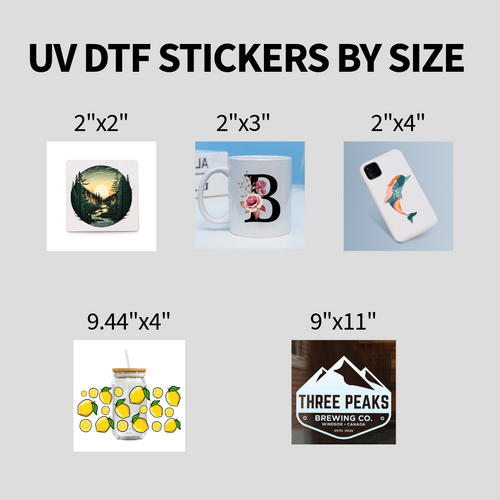
- “UV DTF stickers” plus your city
- “Apparel transfer printing” plus your city
- “Heat transfer film” plus your city
Those phrases uncover shops that may not headline “DTF” on the homepage but still produce it every day.
Then check local business groups on Facebook, Instagram, and community commerce groups. Search terms that usually surface active operators include custom apparel, gang sheet, DTF transfer, print shop, logo shirts, same-day print, and local pickup. Shops that post fresh work regularly tend to reveal more than their websites do. You'll see whether they print clean logos, handle detailed gradients, or mostly post low-resolution rush jobs.
Audit the website before you call
A good initial audit takes a few minutes. You're not looking for polished branding alone. You're looking for operational clarity.
Use this quick filter:
- Service depth. Does the site mention custom transfers, gang sheets, UV stickers, artwork help, or upload options?
- Contact options. Is there a phone number, text option, email, or chat?
- Current work. Does the gallery look recent and varied?
- Pickup language. Do they explain what same-day means?
- Artwork standards. Do they tell you what file types they accept?
A shop that hides file requirements usually pushes the cleanup problem back onto your deadline.
Build a short list with mixed options
Don't stop at one favorite. Build a short list with at least three kinds of suppliers:
| Provider type | Best use | Watch for |
|---|---|---|
| Local storefront print shop | Urgent pickup, in-person questions | Broad service menu but weak DTF specialization |
| Transfer-focused local supplier | Repeat orders, gang sheets, trade work | Limited walk-in support |
| Regional specialist with pickup or fast fulfillment | Better process and file handling | Needs firm pickup confirmation |
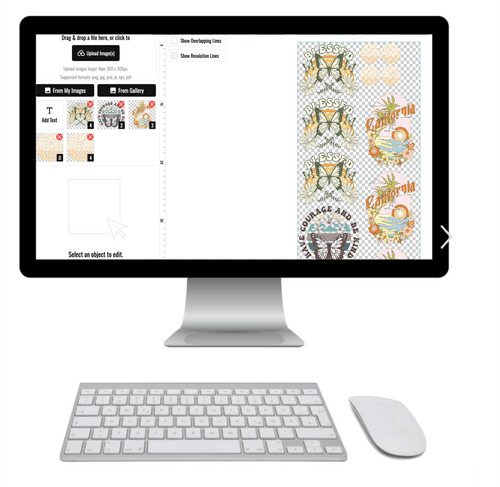
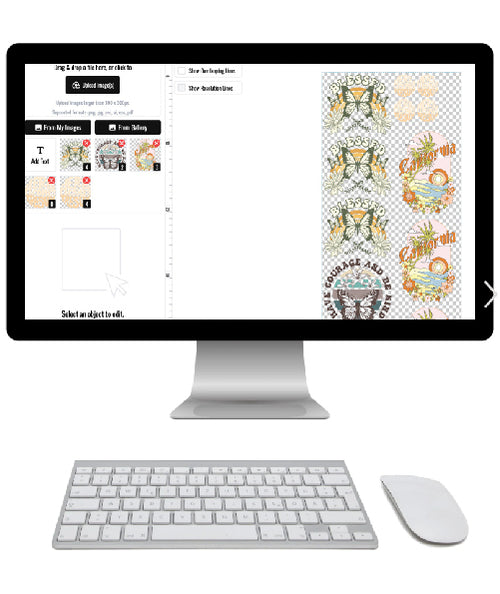
A lot of buyers skip the website tool itself, but that's where process often becomes visible. If a supplier offers an Auto-build gang sheet builder, that's a strong sign they've thought through workflow, file handling, and cost control before your order even reaches the printer.
How to Vet Your Local Printer for Quality and Durability
You call a local shop at 9:15, hear "same-day pickup," and assume the job is safe. By noon, the file is still under review, the whites are not dialed in, and pickup slips to tomorrow. Distance did not cause the delay. Process did.
That is the lens to use when vetting a local DTF printer. A nearby provider only helps if they can hold quality under deadline pressure.
Read reviews for operating patterns
Reviews matter when they describe repeat behavior. A five-star comment about "fast service" is less useful than a detailed note about color shifts, weak adhesion after washing, or an order that missed the stated pickup window.
Scan for patterns in four areas:
- Print consistency. Buyers mention clean edges, solid white underbase, accurate color, and repeatable results across multiple orders.
- Pickup reliability. Customers say whether the ready time matched the promise, especially on rush jobs.
- File handling. Staff flagged low-resolution art, transparency issues, or sizing problems before printing.
- Trade experience. Decorators, apparel brands, and repeat business customers usually notice production discipline faster than one-time buyers.
A local printer with mixed reviews on timing can still be a good fit for planned jobs. That same shop is a bad fit for event shirts, staff uniforms, or any order tied to a hard date.

Ask questions that reveal production discipline
A short call tells you a lot if the questions are specific. The goal is not to hear polished sales language. The goal is to find out whether the shop can explain its process without guessing.
Ask:
- What is your actual cutoff for same-day pickup? Ask for the latest file submission time, not a general promise.
- What stops a same-day order from printing the same day? Good shops will mention file cleanup, print queue load, maintenance, or curing backlog.
- How do you handle color matching? A serious answer includes test expectations, file limitations, or how they treat spot colors and brand hues.
- Do you review files before printing? This separates printers who catch problems from printers who print exactly what lands in the inbox.
- Can I order a test print or sample pack first? Shops confident in their output usually have a clear answer.
- What press instructions do you include? Good transfers still fail if peel timing, pressure, or repress steps are unclear.
Listen to how they answer, not just what they say. A reliable supplier gives direct limits. A weaker one hides behind broad promises like "we can usually make it work."
DTF transfers are designed for strong wash durability when they are applied with the correct heat press settings and used across common garment types such as cotton, polyester, and linen. That is a useful benchmark because it shifts the conversation away from "looks good today" and toward "holds up after sale." If you want a sharper screening framework, this guide on how to choose a reliable DTF transfer supplier in the US covers the questions that expose weak process control.
Test the sample like you plan to sell it
Never approve a supplier from website photos alone. Order a sample, press it onto the garment you use, and check it after handling and washing.
Use a simple shop-floor test:
- Inspect fine detail. Small text and thin lines should print cleanly.
- Check the adhesive feel. Too much powder often leaves a thick, plastic finish.
- Stretch the print area. The transfer should move with the fabric without edge lift.
- Wash it more than once. Early failure usually shows up fast on poor curing or weak powder application.
- Compare repeat pieces. If two copies of the same art look different, consistency is a problem.
I pay close attention to edge definition and white ink coverage first. Those two details expose a lot. A transfer can look bright on the carrier film and still fail after pressing if the shop is inconsistent on powdering or curing.
Judge the shop by how well it handles pressure
Quality and speed are tied together in DTF production. Shops miss pickup times for predictable reasons: overloaded print queues, weak file review, rushed curing, or poor communication at the front counter.
Ask one more direct question before placing a rush order: If I send clean artwork by your cutoff, what part of your process could still delay pickup?
Good operators answer that cleanly. They will tell you whether the risk is volume, equipment downtime, or approval lag. That honesty is worth more than a vague same-day promise.
A printer that can explain curing, adhesion, file triage, and realistic pickup windows is usually the safer local partner. Proximity helps. Process is what protects the order.
Preparing Print-Ready Artwork for Flawless Results
You find a local shop that advertises same-day pickup, send the file by 10 a.m., and expect film on the counter after lunch. Then the call comes. The art is low resolution, the background is not transparent, or the sizing is unclear. The delay did not come from distance. It came from file prep.

Good files versus problem files
A local printer can only move as fast as the artwork allows. Clean files go into production. Problem files get held for review, edited, or rejected, and that is usually what breaks the promised pickup window.
| File quality | What happens on press |
|---|---|
| Clean vector art | Sharp edges, scalable logos, cleaner small text |
| High-quality raster with transparent background | Good for photos and detailed art if prepared at final size |
| Low-resolution screenshot | Pixelation, fuzzy outlines, visible defects |
| Artwork with a solid background box | Unwanted printed shape around the design |
Professional DTF shops usually want 300 DPI artwork at final print size, with vector files such as .AI, .PDF, .EPS for logos and high-quality raster files such as .PNG or .JPG for photo-based art, according to DTF Print Me's artwork guidance. That matters for speed as much as quality. Shops that offer online ordering often screen uploads before they hit production, which helps catch bad files early instead of discovering them after your pickup slot is already in trouble.
What to send if you're not a designer
Send the original file, not the version that has been compressed through email, text, Canva export, or social media.
For logos, text, and simple brand marks, vector is the safer option because the printer can scale it without soft edges. For photo art, use a high-quality PNG or JPG sized for the final print. If the design needs to float on the shirt with no box around it, the background has to be transparent.
Buyers get tripped up here all the time. A logo can look clean on a phone screen and still print rough once it is expanded to chest size. This guide on the best file format for printing is useful if you need a quick check before uploading.
File prep details that protect your deadline
The fastest local orders usually come from customers who review their art before they send it. That sounds basic, but it is the difference between a print queue and an art correction queue.
Use this checklist before you upload:
- Open the file at the exact print size. A blurry 3-inch image will not sharpen at 11 inches wide.
- Check the edges. Fine outlines, script fonts, and small text expose weak files fast.
- Confirm the background is transparent. White boxes and leftover pixels around the art will print.
- Match the file to the design type. Vector for logos. High-quality PNG for cutout raster art.
- Label files clearly. Include size, garment location, or version name if you are sending multiple graphics.
I also recommend sending notes only when they remove ambiguity. “Front 11 inches wide” helps. “Make it look good” slows everything down because someone has to stop production and ask what that means.
Color is another place where pickup timelines slip. If brand color matters, say so before the job is printed. DTF can produce strong color, but color matching starts with the file and the instructions attached to it. Last-minute approval loops are one of the easiest ways to miss same-day service.
This short video is helpful if you want a quick visual refresher on preparing transfer art and understanding the process:
A shop can repair some artwork. It usually cannot repair it fast enough to keep an aggressive local pickup promise intact.
Optimizing Your Order with Gang Sheets to Save Money
Ordering transfers one at a time is how small jobs become expensive jobs. If you have left chest logos, sleeve prints, neck labels, youth sizes, adult sizes, and a back graphic, they should almost never be ordered as separate isolated pieces.
Why gang sheets change the math
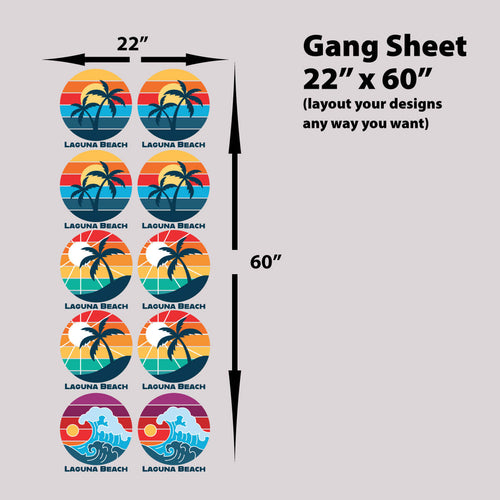
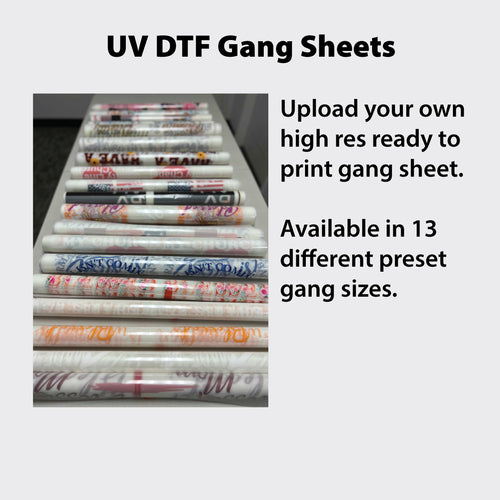
A gang sheet places multiple designs on a single sheet of film so you use more of the printable area and waste less material. That matters for shops, crafters, event organizers, and brand owners because waste drives cost.
PrintPlace reports that gang sheet optimization can reduce material costs by 30 to 40% compared to printing individual transfers. The same source explains that automated layout algorithms cluster multiple designs on one sheet to maximize film usage. That's exactly why an Auto-build gang sheet builder is worth using. It removes the manual layout burden and makes the savings more consistent.

Where buyers lose money
Manual layout sounds simple until you're juggling multiple logos and sizes. Common mistakes include oversized gaps between designs, inconsistent spacing, duplicated uploads, and sending a sheet with too much empty film.
The fix is straightforward:
- Combine related artwork from one job onto the same sheet.
- Mix sizes intentionally instead of building one sheet per placement.
- Use automated nesting when available rather than dragging files around by hand.
- Keep a reusable sheet strategy for repeat clients, schools, and staff apparel.
One option in this category is Lion DTF Transfers, which includes an Auto-build gang sheet builder and a “We Build a Gang Sheet for You” service for buyers who want layout support. If you want to understand how shops structure these orders, this overview of DTF gang sheets lays out the logic.
Better gang sheets don't just save film. They reduce quoting mistakes, reorder friction, and production delays caused by scattered files.
When gang sheets make the most sense
Gang sheets are strongest when you have variety inside one order. Think:
| Order type | Why gang sheets help |
|---|---|
| Brand launch | Multiple logo placements and size mixes |
| Team gear | Player names, numbers, and sponsor marks |
| Event merch | Front art, back art, staff shirts, tote graphics |
| Print shop overflow | Batch production with less setup waste |
The operational advantage is just as important as the cost advantage. A clean gang sheet lets the printer move from file approval into production faster, with fewer questions and fewer surprises.
Navigating Production Times and Local Pickup Realities
“Same-day pickup” sounds clear. It usually isn't.
Most delays happen because the buyer and the shop are talking about different clocks. The buyer thinks the timer starts when the order is placed. The shop may start counting only after artwork is approved, corrected, nested, and moved into the production queue.
The four clocks inside one rush order
A local DTF order usually moves through these stages:
- Order placement
- Artwork review or approval
- Printing, powdering, and curing
- Cooling, quality check, and pickup notification

That's why “24-hour printing” and “ready for pickup today” aren't the same promise.
Tidal Colors reports that a 2025 survey of 1,200 print shops found 68% of customers experienced delivery delays due to misunderstood pickup timelines, with the average missed deadline costing $147 in lost sales per order. The same source notes that “24-hour printing” often excludes design verification or vectorization, both of which must happen before production begins.
What to ask before you commit
When you call a local provider, skip “Can I get this today?” Ask better questions.
Use this script:
- When will my file be reviewed?
- If the artwork needs correction, who handles it and when?
- What time does today's production cutoff happen?
- When will I receive a pickup-ready confirmation?
- Is pickup based on print completion or final inspection?
Those questions force the shop to separate marketing language from actual workflow.
A realistic pickup window is more useful than a fast promise.
How to protect your own deadline
If the order is important, create a buffer on your side too.
- Upload earlier than you think you need to. File corrections eat more time than printing.
- Approve proofs quickly. A waiting approval can stall the whole queue.
- Use press-ready files and organized gang sheets. Clean input shortens production.
- Get the readiness message in writing. Text or email beats a vague verbal estimate.
The closest provider is only the fastest if their backend is organized. That's the part most buyers don't see until it's too late.
Frequently Asked Questions About DTF Application
A lot of application problems get blamed on the transfer when the actual issue is press setup. I see this often with rush local pickup orders. The print is ready, but the press operator is guessing on settings and burns time fixing avoidable mistakes.
What heat press settings should I start with
Start around 260 to 280°F for 10 seconds with medium to firm pressure. That range works for many standard DTF transfers, but it is still a starting point, not a rule.
Presses read differently. A shop with a worn platen, uneven pressure, or a temperature swing can miss the bond even when the screen says the right number. Check actual platen temperature, then test one print before you run production.
Should I peel hot or cold
Follow the film type your supplier specifies. Hot-peel film needs a different workflow than cold-peel film, and guessing here causes lifted edges fast.
If the film is cold peel, let it cool fully before removing the carrier. A short post-press, usually a few seconds with a cover sheet, can improve the hand feel and help the adhesive settle into the garment.
What fabrics usually work well
DTF performs well on cotton, polyester, and common blends. It also holds up well on many everyday workwear and retail items such as canvas, twill, and denim when the transfer is cured and applied correctly.
That does not mean every version of those fabrics behaves the same. A soft ringspun tee, a coated hoodie, and a heavy denim tote can all need slightly different pressure and dwell time.
What fabrics should I treat carefully or avoid
Use extra caution with mesh, silk-like fabrics, waterproof materials, and anything with a coating or finish. Those surfaces can resist adhesive or flex in ways that shorten the life of the print.
Test first if the garment is unusual, expensive, or hard to replace. One sample press tells you more than a supplier promise, especially if you picked up the transfer the same day and do not have much time to recover from a failure.
Why does a transfer feel rough or fail early
The usual causes are straightforward. Too much adhesive powder, weak curing, incorrect pressure, low heat, overpressing, or peeling at the wrong stage can all create a rough feel or early cracking.
Storage matters too. If transfers sit in heat, humidity, or direct sunlight before application, performance drops. Good local suppliers will tell you how they cured the job and how to store it after pickup, not just hand over the package and send you out the door.
If you need a supplier that supports local pickup decisions with practical file handling, gang sheet options, and clear ordering paths, Lion DTF Transfers is one option to consider. You can upload print-ready artwork, use the Auto-build gang sheet builder, or send files for layout help when speed matters and you don't want the order stalled by preventable setup issues.