


You've promised custom shirts for a Memphis event, but the clock is already moving. Maybe a church group needs team tees, a small brand wants sample hoodies, or a market vendor needs several designs before the weekend. The right DTF order depends on more than the transfer price. Deadline, garment specification, quantity, artwork preparation, pressing, and fulfillment all affect whether the finished apparel arrives ready to sell or creates a last-minute scramble.
Finding the Right DTF Path in Memphis
Start with three questions. When do the garments need to be ready? What fabric and colors are involved? How many finished pieces will you decorate? Those answers usually point toward the most practical DTF Memphis ordering route.
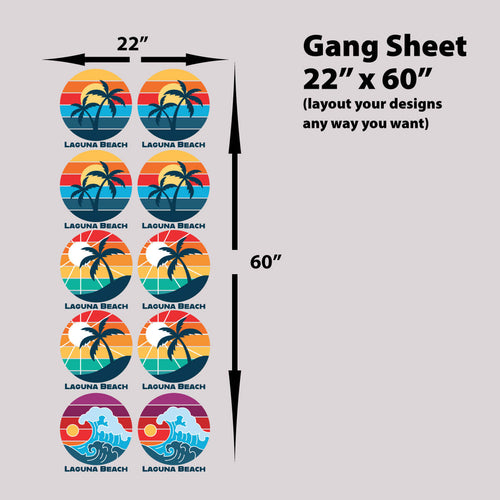
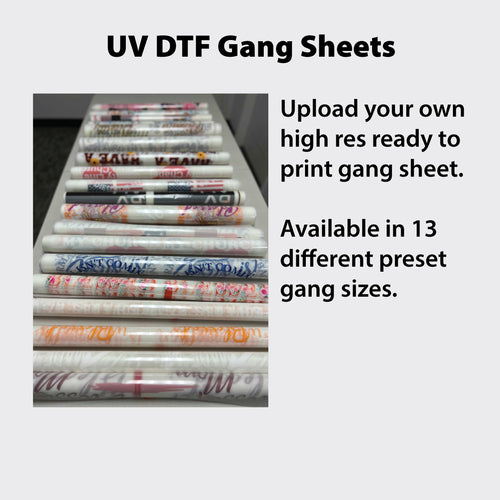
A local event organizer with a hard deadline may need Memphis pickup, if the provider confirms that production and pickup are available for that order. A rural customer outside the city may have more predictable results ordering transfers by mail and planning around the carrier's delivery window. A clothing brand testing several hoodie graphics may benefit from individual transfers, while a larger team or event order can reduce material waste by combining designs on a gang sheet.

Match the route to the order
A weekend market order prioritizes confirmed production timing and pickup instructions. A church group ordering dozens of shirts needs consistent sizing, a clear press specification, and a way to keep multiple graphics organized. A fashion sample order needs accurate color, clean detail, and the flexibility to test a design before committing to a larger run.
Memphis has an identifiable print production ecosystem. Local providers advertise DTF services, and regional print-production suppliers serving Memphis offer equipment and supplies associated with screen printing, embroidery, DTG, and dye sublimation. That gives local buyers more than one fulfillment path, but it also means they should compare the complete workflow rather than assume every provider handles orders the same way.
Practical rule: Treat urgency, fabric, and quantity as separate decisions. A low headline price won't compensate for a missed event, unsuitable garment settings, or disorganized artwork.
For a broader explanation of nearby ordering considerations, review this guide to custom DTF transfers near you. The best choice is the provider that fits the actual job, whether that means local pickup, shipped transfers, or a carefully planned bulk gang sheet.
How Direct-to-Film Printing Works
Direct-to-Film, or DTF, is a transfer system rather than a finished shirt. Think of it as four components working together: film carries the image, ink creates the artwork, adhesive bonds it, and heat plus pressure attach it to the garment.
The workflow begins with a digital file. RIP software prepares the artwork for printing, including CMYK color layers and white ink, then the printer places the design on coated PET film. The white layer matters because it supports color on dark garments and helps preserve the intended appearance of the artwork.
From artwork to ready-to-press transfer
After printing, hot-melt adhesive powder is applied to the wet ink. The powder is then cured so it can form the bonding layer during pressing. The finished transfer may be shipped flat or rolled, depending on the provider and order format.
At the customer's worktable, a heat press supplies the controlled temperature, time, and pressure needed to move the design from film to fabric. A common working target is roughly 280°F for 10 seconds, but the provider's current instructions should take priority because film, ink, adhesive, garment composition, and press calibration can vary.

The buyer receives a printed transfer, not a decorated garment. The shirt still needs to be positioned, pressed, peeled according to the film specification, and sometimes pressed again with a cover sheet. That distinction prevents a common ordering mistake. If you need finished apparel, confirm whether the provider supplies transfers only or also offers garment decoration.
For a more detailed overview of the system, see what DTF printing is.
Comparing DTF With Other Apparel Methods
DTF isn't automatically the right method for every Memphis apparel order. The useful comparison is practical: match the decoration process to the fabric, artwork, quantity, deadline, and available labor.
| Method | Fabric Compatibility | Detail & Color | Setup / Labor | Best Quantity | Typical Turnaround |
|---|---|---|---|---|---|
| DTF | Works across many cotton, polyester, blended, and tri-blend garments, subject to testing and settings | Strong color and fine digital detail, including complex artwork | Moderate production setup, then heat pressing | Samples, small batches, teams, and scalable gang-sheet orders | Often fast when artwork is approved and production capacity is available |
| DTG | Best suited to compatible cotton garments and requires garment-specific preparation | Detailed full-color results, with fabric and pretreatment affecting the outcome | Pretreatment and printer preparation add labor | Individual pieces and short runs | Can be efficient for suitable garments, but preparation affects timing |
| Screen printing | Performs well on selected textiles, with ink and garment choice affecting the result | Strong solid colors and excellent repeatability, though complex multicolor detail requires more setup | Screens, registration, ink setup, and cleanup create more front-loaded labor | Larger repeat orders | Setup can make small urgent orders less attractive |
| HTV | Broad garment use, depending on vinyl type and application settings | Clean lettering and shapes, with manual layering for multiple colors | Cutting, weeding, and pressing require hands-on labor | One-offs, names, numbers, and simple small orders | Fast for simple designs, slower as detail and quantity increase |
DTF's main advantage is flexibility. It can handle blends, polyester, and tri-blends without the same pretreatment workflow associated with DTG, while preserving detailed digital artwork. Screen printing can be efficient for repeated larger orders, but its setup becomes less convenient when a Memphis buyer needs many different names, graphics, or short-run variations.
HTV remains useful when a customer needs one name, number, or simple logo. It becomes labor-heavy when the order contains many pieces or intricate artwork because someone must cut, weed, align, and press each layer.
The right question isn't “Which method is cheapest?” Ask which method creates the fewest production problems for this garment and deadline.
Color expectations also need context. DTF can reproduce photographic and gradient artwork more directly than a simple vinyl process, but the final appearance still depends on the file, white-ink handling, fabric color, press settings, and viewing conditions. Before placing a branded order, compare samples on a similar garment rather than judging a transfer only on a screen.
For a focused method comparison, review DTF versus DTG printing.
Choosing a DTF Provider With Confidence
A DTF provider is part of your production chain. Judge the supplier the same way you'd judge a contractor handling an important customer order. The transfer can look excellent in a product photo and still create trouble if the provider gives vague timing, incomplete pressing information, or weak support after delivery.
Start with the turnaround clock
Ask when the quoted turnaround begins. Some suppliers count from checkout, while others start after artwork approval or after payment clears. Confirm the production cutoff, whether same-day Memphis pickup is available, and what happens if the file needs correction.
A local order isn't automatically faster. Pickup can save carrier time, but only when the provider confirms that the transfer will be ready and tells you where and when to collect it. For shipped orders, request the shipping method, delivery estimate, and tracking process before you pay.
Evaluate evidence, not promises
Color accuracy deserves a direct review. Ask to see recent work on a fabric and garment color similar to yours, especially when you're matching a business logo or a team color. A digital proof helps confirm layout, but a physical sample gives you better information about opacity, hand feel, edge quality, and how the ink looks on the intended textile.
Wash testing should go beyond a freshly pressed image. Professional testing can evaluate color shift, adhesion, cracking, and edge lift at scheduled wash intervals. Industry guidance recommends standardized testing such as ISO 6330 or AATCC 61, with evaluation at 5, 10, 20, 30, and 50 cycles in published DTF durability guidance. Those figures describe a testing framework, not a guarantee for every garment.
Price the complete order
Compare the total gang-sheet cost, including setup, film, shipping, and any replacement or reprint terms. A lower advertised rate may not remain lower after artwork preparation, delivery, or an extra order caused by a printing error.
Independent guidance describes gang-sheet software as a tool that automatically arranges multiple designs on one sheet to use material efficiently and reduce preparation costs. One gang-sheet software explanation claims that manual preparation can be reduced to under 60 seconds with its product. Treat that as a product-specific claim, not a universal timing promise.

Check reviews for patterns rather than isolated praise. Look for consistent delivery, clear communication, and examples of how the provider corrected a damaged, misprinted, or delayed order. Before ordering, clarify accepted file types, minimum quantities, transfer dimensions, garment requirements, pickup options, shipping coverage, and the process for reporting a problem.
A dependable supplier should state the press settings, identify difficult artwork conditions, and provide practical pickup or tracking instructions. Print quality and ordering quality belong in the same evaluation.
Ordering and Preparing Print-Ready Artwork
Artwork problems cause avoidable delays, especially when a deadline depends on a clean gang sheet. Use a repeatable file-to-checkout process instead of uploading a file and hoping the provider can repair it without changing the design.
Confirm the physical job first
Write down the garment color, fabric composition, transfer dimensions, placement, and quantity before exporting artwork. A design intended for a light cotton tee may need a different white-ink approach or visual check on a black polyester hoodie.
Prepare files using the provider's required color profile. Embed fonts, package or link placed images, preserve transparency where the design needs it, and keep an editable source file even if the production version has outlined text. Converting type to outlines can prevent font substitution, but it removes easy text editing from that final file.
Export at the provider's preferred physical size. For detailed images, 300 dpi is a common preparation target, but the actual file should still be checked at its intended print dimensions. A large canvas doesn't automatically create sharp artwork if the source image is low resolution.
Build the sheet with production in mind
Tiny lettering, narrow lines, soft transparency, and subtle effects may not reproduce as expected on film. Simplify details that disappear at the final size, and inspect the artwork at the scale it will appear on the garment.
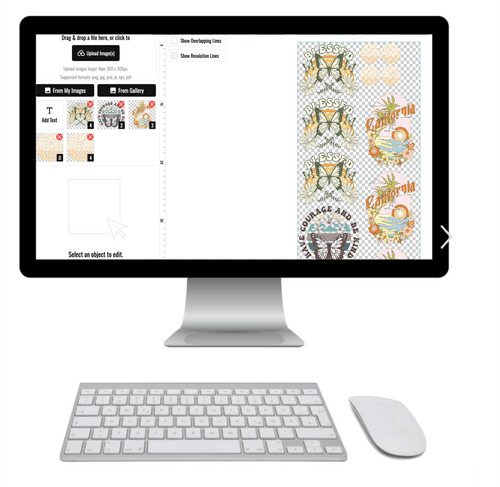
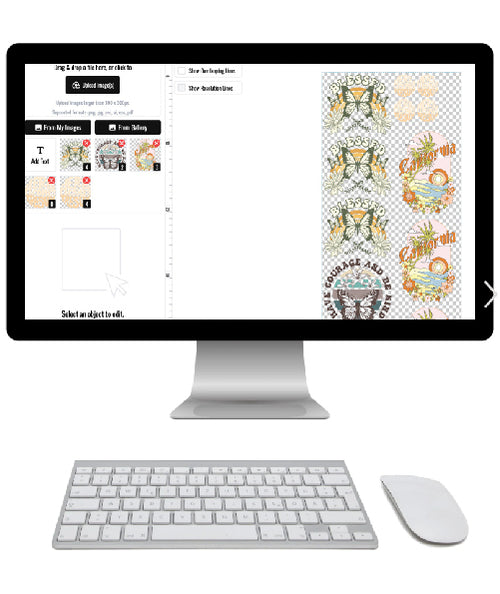
For multiple designs, arrange them with consistent orientation and enough clearance for cutting. Lion DTF's Auto-build gang sheet builder helps arrange artwork and calculate placement before checkout, making the sheet easier to review and helping control material use. It's particularly useful when a team order combines a large front graphic, a small chest logo, and several names or variations.

Perform a final preflight
Before payment, zoom into edges, small type, color separations, and transparent areas. Add the exact pressing instructions you'll follow, and note the fabric, deadline, pickup request, or shipping requirement in the order comments.
Then review the proof for spelling, dimensions, quantity, shipping address, and pickup selection. Archive the approved artwork and gang-sheet layout. That file becomes a useful reference when the same design returns for another team order, product drop, or event.
How Lion DTF Supports Memphis Orders
Lion DTF Transfers offers ready-to-press DTF transfers and gang sheets, so Memphis apparel businesses, creators, teams, and event organizers can order printed decoration without operating a complete print shop. Its Auto-build gang sheet builder lets customers arrange multiple designs before checkout, which can make a mixed design order easier to organize and more cost-effective than ordering every graphic separately.
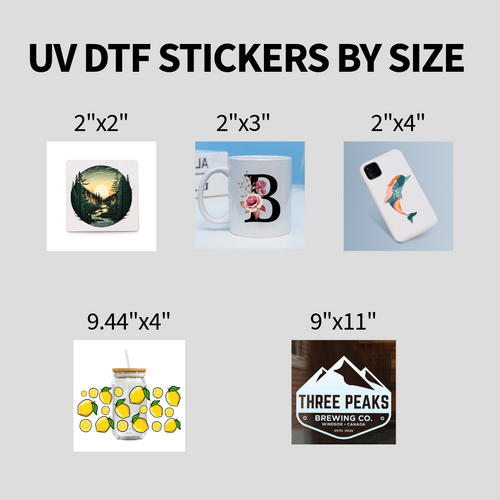
The ordering model fits several Memphis purchasing situations. A creator testing a hoodie can order a specific transfer size. A team coordinator can group related graphics on a gang sheet. A remote customer can request shipped transfers, while a local buyer can check current pickup availability and production timing before placing the order.
That last step matters. Don't assume a local address guarantees same-day readiness. Confirm the current pickup workflow, production cutoff, order status, and identification or collection requirements. If the transfer is being shipped, verify the selected method, delivery estimate, tracking details, and address before finalizing payment.
Product information and customer support should answer the operational questions that affect the finished garment. Confirm artwork requirements, transfer dimensions, pressing conditions, fabric limitations, and any order-specific restrictions. A clear answer before production is more useful than a correction after the garments have been pressed.
Use the same comparison system for Lion DTF Transfers and any other supplier. Review stated turnaround, visible color quality, documented wash performance, gang-sheet pricing, communication, and the correction policy. The meaningful value isn't just the transfer price. It's the combination of repeatable output, clear application guidance, practical fulfillment, and help when a production question appears.
Pressing and Caring for DTF Apparel
A good transfer still needs a controlled press. Start by pre-pressing the garment briefly to remove moisture and smooth the application area. Set the press within the provider's recommended range, commonly 240°F to 280°F, use a dwell time of 10 seconds, and apply medium-firm pressure.
Peel according to the film specification. A hot-peel transfer should be peeled while warm, while a cold-peel transfer needs to cool before removal. Don't guess, because peeling at the wrong stage can disturb edges or reduce adhesion.
For a second pass, place a parchment cover sheet over the design and press again according to the supplier's instructions. This can help secure the ink, restore a more consistent matte finish, and support wash durability. Test the actual garment when working with cotton tees, polyester blends, tri-blends, or 65/35 sweatshirts, since heat sensitivity and fabric texture can change the result.
Pressing rule: A calibrated press, even pressure, and correct peel timing matter more than simply increasing heat.
Care affects the transfer's useful life. Wash garments inside out in cold water, use mild detergent, avoid bleach and dry cleaning, and choose low-heat tumble drying or air drying flat. Don't iron directly over the print.
Neutral industry guidance commonly describes correctly applied and maintained DTF transfers as lasting 100 wash cycles with the stated care conditions. Results vary with garment, artwork, press, laundering, and handling, so use those figures as reference points rather than a promise for every order.
Memphis DTF Questions Answered
How should I plan shipping to a Tennessee ZIP code? Confirm the production cutoff first, then add the carrier's delivery estimate. Local courier service, USPS, and UPS Ground can produce different arrival dates, so ask for the actual service attached to your order rather than relying on a general shipping label.
Can I get same-day or next-day pickup in Memphis? Some providers may offer those options, but availability depends on production capacity, artwork approval, cutoff time, and the specific order. Get pickup confirmation before promising finished shirts to a customer or event organizer.
Do I need a large quantity to use DTF? No. Individual transfers suit samples and small jobs, while a gang sheet can organize several graphics and improve material use for larger or mixed-design orders. Use the Auto-build gang sheet builder when you need to arrange designs before checkout.
Which artwork files work best? Ask the printer for its accepted formats and color-profile requirements. Provide clean, high-resolution artwork with embedded or outlined fonts as requested, transparent backgrounds where appropriate, and final dimensions that match the garment placement.
How long will the transfer last? Proper pressing and care are decisive. Follow the application and laundering guidance above, and archive approved artwork and gang sheets so future team orders, product drops, and event merchandise can be reproduced consistently.
Lion DTF Transfers offers ready-to-press DTF transfers, custom sizes, gang sheets, and an Auto-build gang sheet builder for Memphis buyers managing samples, teams, or event apparel. Visit Lion DTF Transfers to prepare your artwork, compare the fulfillment option that fits your deadline, and place an order with the pressing information you need.