



You're staring at a deadline, the blank shirts are already paid for, and the heat press can't save a bad file. Maybe it's a Friday football run, a church fundraiser, a school spirit order, or a small merch drop that has to land on time in Indianapolis. The right transfer choice, the right artwork, and the right press settings decide whether that job becomes easy repeat business or a painful reprint.
What a DTF Indianapolis Buyer Actually Needs

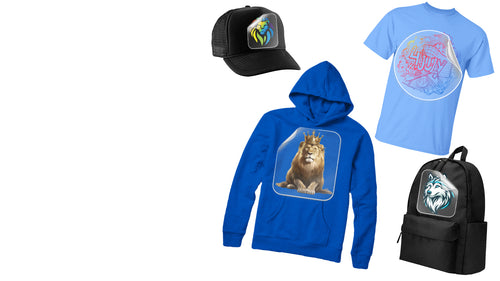
A real DTF Indianapolis buyer usually isn't shopping for decoration theory, they're trying to hit a date without blowing up margin. A school coordinator needs shirts before a game or fundraiser, a small shop needs a clean reorder path, and a maker needs something that presses right the first time instead of chewing through blank inventory. That's why DTF works so well here, it gives full-color decoration on cotton, polyester, and blends without screen setup or color-by-color separation.
The local reality matters. Indianapolis grew from a frontier capital into a civic and commercial center through steady institution-building, with county government established in 1821, state capital status on January 1, 1825, the first fire on January 17, 1825, the first volunteer fire company on June 20, 1826, and the Indianapolis Fire Department formally born on November 14, 1859 (History of Indianapolis). That long buildout is a useful mental model for how buyers here operate, they need systems that scale gradually, not one-off chaos.
Practical rule: If you're pressed for time, spend your effort on artwork quality, format choice, and fulfillment speed before you worry about anything else.
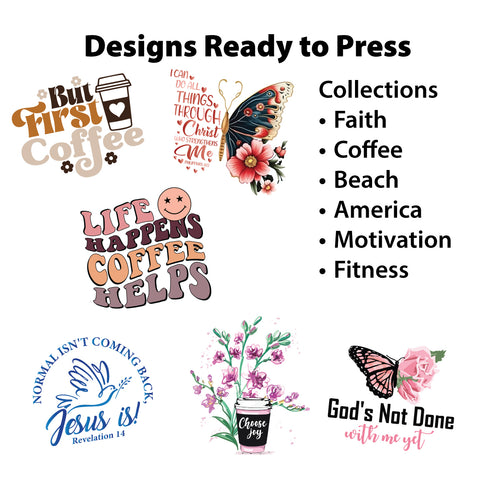
For buyers who want a plain-English primer on the method itself, this overview of what DTF transfer means in practice is a useful companion. The point isn't to overcomplicate the process, it's to choose a transfer that holds up on press, ships fast enough, and doesn't trap you in high minimums. If you're running a small operation, that combination is the difference between a profitable repeat customer and a drawer full of unsold stock.
Choosing the Right DTF Product Format

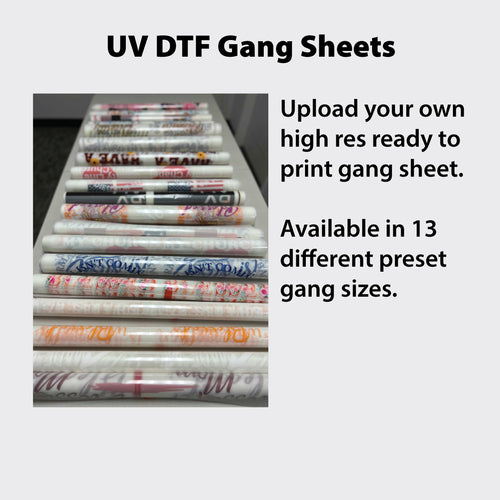
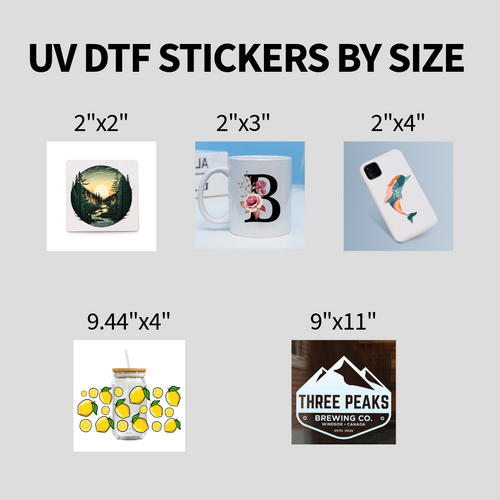
The first decision is format, because the wrong format creates waste before the press ever heats up. For Indianapolis schools, makers, and print shops, the three formats that matter most are gang sheets, by-size transfers, and UV DTF stickers. Each one fits a different buying pattern, and the right choice is usually obvious once you match it to quantity and design variety.
Gang sheets for mixed artwork
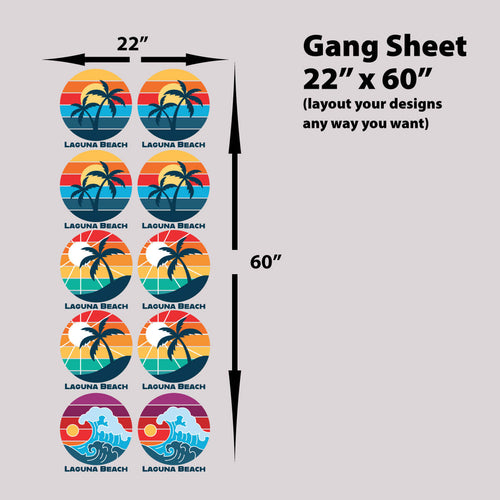
Use a gang sheet when you've got multiple logos, names, or placements that need to share one printed sheet. A print shop running 12 team uniforms doesn't want 12 separate setups if the designs can be nested together, and a church ordering shirts for four ministry teams can pack the order into one layout instead of paying for wasted space. The benefit is simple, you spread the print area across one sheet, which lowers the per-design burden and reduces canvas management.
By-size transfers for single designs
Choose by-size transfers when the artwork is basically one print, one logo, one placement, one intent. A coffee shop ordering 50 matching aprons with a single chest logo doesn't need a layout puzzle, they need exact dimensions and repeatability. A craft maker doing one birthday shirt for a family member wants the transfer sized to the garment, not forced into a larger sheet just because that's the default workflow.
UV DTF stickers for hard goods
UV DTF stickers are the right move when the revenue isn't on apparel at all. They open up tumblers, packaging, signage, and other hard surfaces, which matters for Indiana sellers who want to turn one artwork set into more than one product line. That's especially useful for small brands that need a low-friction add-on item next to shirts, because hard-good decoration can help round out a booth or online shop without adding a separate print process.
Decision rule: If you have many designs, pick gang sheets. If you have one design in a specific size, pick by-size transfers. If you're decorating rigid surfaces, use UV DTF stickers.
The cleanest way to choose is to ask two questions, how many unique designs are in the order, and what surface is being decorated. If the answer is “several designs on apparel,” go gang sheet. If the answer is “one logo in one size,” go by-size. If the answer is “tumblers, jars, packaging, or merch displays,” UV DTF is the better fit.
Preparing Print-Ready Art the Right Way
Most bad transfers fail in the file, not on the press. DTF works best when artwork is prepared as a print-ready raster file at the final garment size, with a transparent background and 300 dpi resolution. The RIP software then converts the art from RGB into a CMYK plus white workflow, and that white underbase is what gives opacity on dark garments. If the artwork is sloppy, no amount of heat or pressure will fix it.

Start with the file, not the mockup
Flattened JPGs with white boxes cause trouble because they leave a visible edge after printing. Designing at the wrong size and stretching the art later softens edges and changes the layout you thought you approved. Low-resolution social media logos cause the same problem, because they may look fine on a phone screen and still fall apart on film.
The cleanest pre-upload workflow is simple:
- Check the dimensions: build the design at the final size, not a thumbnail.
- Confirm transparency: the background should disappear where you do not want ink.
- Inspect the file type: use a proper raster file or vector source for cleanup.
- Review line quality: small text and thin outlines should still read cleanly at print size.
Watch the size ceiling
Under-resolved art becomes a bigger problem as the transfer grows. In practical shop work, the most common failure mode is soft edges, visible pixels, and messy color buildup when the final transfer gets too large for the source file to hold detail cleanly. That does not mean large prints are impossible, it means weak source art gets exposed faster on big placements.
If all you have is a low-res Facebook logo, ask for vectorization or logo cleanup as a paid service instead of gambling on a blurry print. That is cheaper than reprinting a whole batch after the proof looks muddy. If you are comparing print vendors and trying to sort out which shop can handle cleanup well, this guide to where to print DTF transfers near you is a useful starting point. Before you submit, do one last self-audit, transparency intact, resolution at final size, placement correct, and no accidental background box hiding behind the design.
Ordering Online, Shipping, and Local Pickup Options
A DTF Indianapolis order usually comes down to three paths, online order with shipping, online order with scheduled pickup, or rush production for a fixed deadline. The right choice depends on where the garments are going, how soon they need to land, and whether the artwork is ready to print the first time it is submitted. Clean files move fast. Weak files slow the whole job down because someone has to stop and fix them before the run can start.
The production side matters just as much. Commercial DTF systems run as controlled workflows with CMYK plus white ink, constant ink supply, automated cleaning, and stable shop conditions for reliable film transport and powder adhesion, as outlined by DTF.ie. That is why fast turnaround is not only a calendar problem. The shop still has to keep the process stable enough to stay on schedule, especially when small reorders and event jobs are stacked back to back.
Match the method to the deadline
A Friday night football order can usually wait for shipping if the buyer planned ahead and can handle transit time. A Saturday market booth is often better served by scheduled pickup if the production hub is close enough to make the trip worth it. A Monday morning fundraiser leaves very little room, so rush production is the only path that protects the event if the art is already clean and the order is submitted early enough.
Here is the planning frame I use with small operators:
- Standard shipping: fits planned reorders and recurring team jobs.
- Same Day Shipping: check for the time you must submit by and the additional charge.
- Rush service: fits fixed event dates when the art is already ready to print.
For Indianapolis buyers comparing nearby order paths, where to print DTF transfers near me is a useful reference for how people sort out location, speed, and convenience. Schools, booster clubs, and event organizers usually run into trouble when they wait until shirts are already assigned before placing the next order. Reorder cycles go smoother when the follow-up job is planned before the first batch is fully handed out.
Pressing and Aftercare for Durable Results
A transfer only holds up when the press work is consistent from start to finish. The sequence that holds up in the shop is prepress, place the transfer, main press, hot peel, then a finishing press. For the Indianapolis orders I see most often, the settings land in the 240–280°F range, with a 5-second prepress, a 10-second main press, medium-firm pressure, and an immediate peel followed by a 3–5 second finishing press. Lion DTF publishes that instant hot peel, is how our heat press operators keep transfers from lifting at the edge.
What the press should feel like
A 6 by 10 inch logo on a 16 by 20 platen gives you room to keep alignment straight and pressure even without running up against the platen edge. A full chest print is less forgiving, because any weak spot in pressure shows up faster across a wider area. After the final press, the transfer should sit down cleanly, with no glossy, wet look and no brittle feel that snaps when the shirt flexes.
Fabric changes the result more than a lot of new operators expect. Cotton usually takes heat cleanly, polyester often does better with a slightly lower temperature or a press pillow to avoid shine, and blends fall somewhere in between. The same artwork can look fine on one blank and overcooked on another if the operator runs the exact same setting without checking how the cloth reacts.
Press for adhesion first, appearance second, and you'll usually get both.
Aftercare carries the rest of the load. Wait 24 hours before the first wash, turn the garment inside out, wash in cold water, and stay away from high heat in the dryer for that first cycle. Those steps give the adhesive time to settle and keep the print from taking a hard hit before it has fully bonded in real use. Early failures usually come from a rushed press, poor temperature control, or a rough wash routine, not from the transfer itself.
For shops that want fewer surprises on press, the layout side matters too, and the gang sheet builder guide is a practical place to start before anything gets heat applied.
Saving Real Money With the Auto-Build Gang Sheet Builder
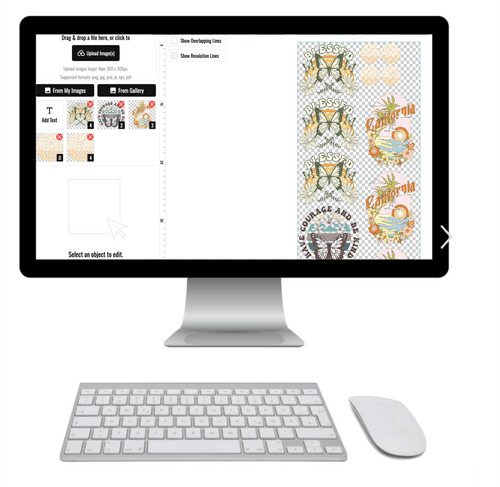
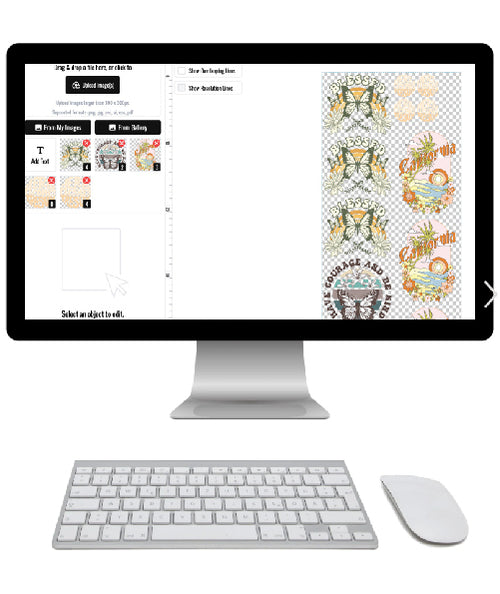
A shop saves the most money on DTF when the artwork gets packed tightly and approved once. The Auto-build gang sheet builder does that work before the press ever heats up. Upload the logos, names, or graphics once, let the builder arrange them on a sheet, check the spacing, and send a single printable layout into production. That reduces the time spent on manual setup, and it keeps pricing tied to sheet area and layout efficiency instead of repeated hand work.

For Indianapolis buyers watching cash flow, that difference matters fast. Lion DTF Transfers lists gang sheets starting as low as $0.017 per square inch, with orders shipping in 1 to 2 business days and 24-hour printing available, so the way a sheet is built can change both unit cost and deadline risk. A church ordering shirts for 4 ministry teams, or a small brand splitting a seasonal drop across multiple SKUs, avoids the messy back-and-forth that comes with manual layout. our Auto-build gang sheet builder also fits buyers who want the sheet arranged for them instead of dragging every box around on a canvas.
A simple workflow that saves time
- Upload the artwork. Start with logos, names, or graphics you already trust.
- Let the builder auto-arrange. The software packs the sheet more efficiently than a rushed manual layout.
- Review density and spacing. Check that nothing is clipped, cramped, or oversized.
- Submit the sheet. Once approved, the file goes straight into production.
- Press the transfers as received. Fewer handoffs mean fewer chances to introduce errors.
That workflow matters most for shops that revise art on the fly. If the list keeps changing, a gang sheet usually costs less than ordering each piece separately, and it keeps the order together on one layout instead of scattering it across multiple files.
Small Indianapolis operators can save real money without chasing shortcuts. When the order is for a church, a team, or a seasonal drop, the builder cuts wasted sheet space and trims the back-and-forth that burns hours. For a busy shop, that is not just a convenience. It is a margin control tool.
Indianapolis-Specific Tips and Quick FAQ
Start small before you scale. Order a test gang sheet before a big run, build a reusable gang sheet template for repeat clients, and keep a digital press log so settings can be repeated without guessing. School and sports season can spike reorder demand fast, so plan your blank inventory and transfer layout before the rush hits.
Quick FAQ
How long do DTF transfers last? High-quality transfers are built for repeated wear when pressed and cared for correctly, and the print should hold up through normal wash cycles without cracking or peeling early.
What's the minimum order quantity? DTF is useful because it can support single items as well as larger runs, which is why it works for one-offs, proofs, and short batches.
Can rush orders be split between pickup and ship? Yes, if the shop offers both options and the job timing allows it, but the art still has to be ready when submitted.
What support should I use if a print goes wrong? Use the shop's direct support channel right away, and send clear photos plus the press settings you used so the problem can be diagnosed quickly.
The practical trifecta here is simple, speed, durability, and Auto-build sheet efficiency. If you line those up before you place the order, DTF gets much easier to run in Indianapolis.
If you need transfers that are ready to press, online ordering that doesn't waste time, and help organizing gang sheets so the order stays efficient, visit Lion DTF Transfers. They offer DTF transfers, gang sheets, UV DTF stickers, and layout support for buyers who need a cleaner path from file to finished garment.