


Ever wondered how brands get those incredibly detailed, full-color designs on t-shirts that feel soft and last forever? Chances are, you're looking at a DTF transfer. It’s the modern answer for anyone needing professional-grade graphics without the limitations of older printing methods.
Your Introduction to DTF Transfers

So, what is a DTF transfer in simple terms? Think of it like a high-tech, ready-to-use iron-on that does all the hard work for you. DTF stands for Direct-to-Film. The process involves printing your design—complete with millions of colors and photorealistic detail—directly onto a special transfer film.
Once printed, a fine adhesive powder is applied and cured, creating a durable, flexible graphic. We ship this finished transfer to you, and all you have to do is apply it with a heat press. The final product is a stunning, resilient print that feels soft and moves with the fabric. No cutting, no weeding, just a perfect press every time.
To give you a quick overview, here’s a breakdown of what makes DTF transfers such a powerful tool for custom apparel.
DTF Transfer at a Glance
| Attribute | Description | Why It Matters for You |
|---|---|---|
| Print Quality | Photorealistic detail with unlimited colors and gradients. | Your most complex and colorful designs print perfectly, every time. |
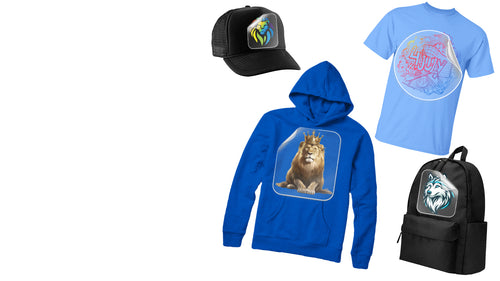
| Fabric Versatility | Works on cotton, polyester, blends, denim, leather, and more. | You can use the same design across your entire product line, from t-shirts to hats. |
| Feel & Durability | Soft, flexible, and stretchable. Lasts 50+ washes without cracking. | The finished garment is comfortable to wear and built to last, protecting your brand's reputation. |
| Efficiency | No screens or color separation. Ideal for any order size. | You save money on small runs and can scale up easily without high setup costs. |
This combination of quality, versatility, and efficiency is what makes DTF the go-to choice for so many creators and brands.
Unlocking Creative Freedom
One of the biggest wins with DTF is its incredible versatility. Other print methods box you in, forcing you to use specific fabrics. DTF breaks those rules, working beautifully on a huge range of materials.
- Cotton and Blends: Get bright, fully opaque prints on your classic tees and hoodies.
- Polyester and Synthetics: Finally, a great solution for performance gear and athletic wear.
- Leather and Denim: Create one-of-a-kind custom jackets and accessories.
- Hard-to-Print Items: Perfect for decorating hats, bags, and other tricky items.
This opens up a world of creative possibilities. You can now put the same high-quality logo across a diverse collection of products without ever compromising on the result.
DTF technology bridges the gap between quality, versatility, and cost. It empowers creators to produce photorealistic, durable designs on nearly any fabric—a feat that was previously complex or impossible with traditional methods.
Cost-Effective and Efficient Production
Beyond its quality and flexibility, DTF printing is also remarkably efficient. Because the entire process is digital, there are no screen setup fees or tedious color separations. This makes it a fantastic option for both small, custom batches and massive production runs.
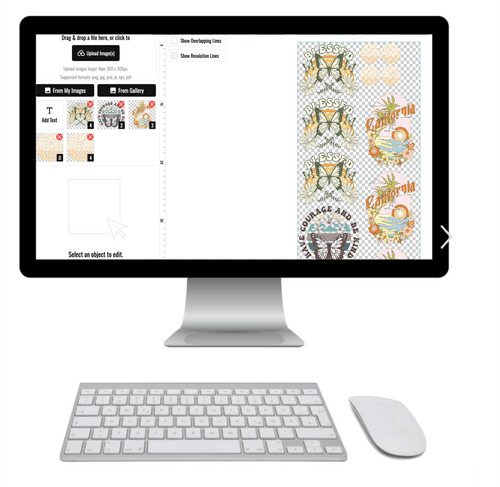
This efficiency really shines when you use tools built to maximize every inch of film. For example, our Auto-build gang sheet builder lets you place multiple designs—like a front logo, a neck tag, and sleeve art—all onto a single transfer sheet. This approach slashes the cost-per-print, making professional custom apparel more accessible and affordable than ever. It's the smartest way for businesses and crafters to get more value out of every single order.
The Journey from Niche Tech to Industry Game-Changer
DTF printing didn’t just appear out of nowhere. It was born from real-world frustration. For years, the custom apparel world was stuck between a rock and a hard place: you either dealt with screen printing’s massive setup costs or the painstaking process of weeding heat transfer vinyl. Creators needed a better way to print vibrant, detailed designs on any fabric without the huge upfront investment.
This gap in the market is what sparked the development of what we now call DTF. It started as a niche idea aimed squarely at solving these problems, giving small shops a path to professional results without needing an industrial-sized budget.
From Early Concept to Market Readiness
The basic idea of printing onto a film and transferring it isn't brand new, but getting it to work reliably for apparel took some key breakthroughs. Early attempts were promising but often inconsistent and clunky. The real shift happened when all the right pieces finally came together.
- Improved Ink Formulations: The development of more elastic, vibrant water-based inks was a major step. These new inks could stretch without cracking and bonded powerfully to the fabric.
- Specialized Adhesive Powders: Creating a fine, consistent adhesive powder was critical. This powder melts perfectly during the curing stage, forming a bond that’s both strong and soft to the touch.
- Refined Printing Hardware: Printers were modified to handle the unique task of printing a white underbase and a color layer at the same time onto PET film, which streamlined the whole process.
These advancements were everything. They took DTF from a complicated experiment to a dependable and efficient system that was ready for serious commercial use.
The Explosion into the Mainstream
While the concept of Direct-to-Film (DTF) printing first surfaced in the early 2000s to get around the limits of traditional decorating methods, it took a while to catch on. The technology was finally market-ready in the late 2010s, but it wasn't until the early 2020s that DTF really took off, especially with small and mid-size print shops who could suddenly compete with the big guys. You can explore a detailed history of DTF printing to see just how far it's come.
DTF’s rise gave professional printing back to the people. It tore down the gates of high costs and complexity, letting individual creators and small businesses produce top-tier custom apparel on their own terms.
This change paved the way for services focused on accessibility and value. The technology’s efficiency allows for smart ordering methods that pass the savings right back to you. Our Auto-build gang sheet builder, for example, is a direct result of this shift. It lets you pack multiple logos, neck tags, and other art onto a single sheet, making custom printing ridiculously affordable—a goal that was once unthinkable for anyone without a huge budget. This tool is the perfect example of the DTF spirit: making high-quality, custom printing easy and accessible for everyone.
How a DTF Transfer Is Made Step by Step
Ever wondered how a digital design becomes a vibrant, durable graphic on a t-shirt? The journey of a DTF transfer from a computer file to a finished garment looks a bit like magic, but it’s really just a precise, multi-step process. Think of it as creating a professional-grade, high-tech sticker designed to become one with the fabric itself.
Let's pull back the curtain and break down how a DTF transfer is made, stage by stage.
Step 1: Printing the Design on PET Film
It all starts with a digital design file. Using a specialized inkjet printer loaded with DTF inks, the artwork is printed in reverse directly onto a clear PET (polyethylene terephthalate) film. This film is the carrier, holding the ink perfectly in place until it's ready to be pressed.
But this isn't like your desktop printer. The DTF printer first lays down all the colors (CMYK) and then immediately prints a perfectly aligned layer of bright white ink on top. That white underbase is the secret sauce—it’s what makes your design pop with full opacity and vibrancy on any color fabric, from crisp white to jet black. Without it, colors on dark garments would look dull and transparent.
Step 2: Applying the Adhesive Powder
While the ink is still wet on the PET film, it moves on to the next critical phase. A fine, granulated thermoplastic adhesive powder is coated over the entire printed area. The powder cleverly sticks only to the wet ink, leaving the unprinted parts of the film clean.
This step is all about giving the transfer its muscle. The powder is the unsung hero, acting as a powerful glue that will fuse the ink directly into the fibers of the garment when heat is applied. Any excess powder is shaken off, ensuring the adhesive is only where it needs to be: right behind your design.
This visual timeline shows how DTF evolved from a clever idea to a market-ready solution that is now expanding rapidly across the industry.

As you can see, the technology has come a long way in a short time, quickly becoming a go-to for print shops everywhere.
Step 3: Curing the Ink and Adhesive
Next up, the powdered film takes a trip through a heat-curing unit. It's either passed through a specialized oven or placed under a heat press set to "hover" just above the transfer without making contact. The heat melts the adhesive powder, transforming it from a fine dust into a smooth, even, and flexible layer bonded to the ink.
This curing stage does two crucial things at once. It creates the adhesive backing and also finishes drying the ink. What comes out the other side is a finished, ready-to-press transfer—a durable, stretchable, full-color graphic that’s stable and ready for shipping or immediate application.
At this point, the DTF transfer is essentially complete. It's a self-contained, high-quality graphic that is shelf-stable and can be stored for months before being applied to a garment.
Step 4: Shipping and Heat Press Application
Once cured, the finished transfers are ready to go. This is where we step in. The transfers are carefully inspected, cut, and shipped straight to your door. All that’s left is the final, most satisfying part: applying the transfer to your garment with a heat press.
This final step is simple. You press the transfer onto the fabric at a specific temperature and pressure for just a short time, usually around 10-15 seconds. After pressing, you let it cool and then peel away the clear PET film, leaving behind a flawless, vibrant, and soft-to-the-touch print permanently bonded to the apparel. For a deeper dive into the production process, you can explore our guide on how to make DTF transfers.
This whole sequence is what makes DTF transfers both incredibly detailed and efficient. Because the process is so streamlined, creators can fit multiple designs onto a single sheet. Using our Auto-build gang sheet builder lets you take full advantage of this, combining logos, tags, and main graphics to make every print run as cost-effective as possible.
Choosing Your Method: DTF vs. DTG, Screen Printing, and Vinyl
With so many ways to get a design onto a shirt, picking the right one can feel like a tough call. Every method has its place, but the secret to a great final product is knowing the trade-offs. This is where understanding how DTF transfers stack up against the classics—screen printing, DTG, and heat transfer vinyl (HTV)—really matters.
Think of DTF as the versatile problem-solver in the print world. It hits a sweet spot that lets creators and brands say "yes" to more jobs, more fabric types, and more detailed designs without the usual headaches.
Printing Method Comparison: DTF vs. DTG vs. Screen Printing vs. HTV
To make things clear, let's put these four popular methods side-by-side. Each one shines in different situations, and seeing them compared directly is the easiest way to figure out which process fits your project's needs, budget, and timeline.
| Feature | DTF Transfer | Screen Printing | DTG (Direct-to-Garment) | HTV (Heat Transfer Vinyl) |
|---|---|---|---|---|
| Best For | Full-color, detailed art on any fabric, any order size. | Large bulk orders (100+) with simple, few-color designs. | Soft-feel, full-color prints specifically on 100% cotton. | Simple text, numbers, and basic shapes. Great for jerseys. |
| Fabric Versatility | Excellent (Cotton, Polyester, Blends, Leather) | Good (Mainly Cotton/Blends) | Poor (Best on Cotton, struggles on Polyester) | Good (Cotton, Polyester, Blends) |
| Color Complexity | Unlimited colors, gradients, and photos. | Limited. Each color adds cost and setup time. | Unlimited colors and gradients. | Limited to available vinyl colors. Layers are difficult. |
| Setup Cost | None. Digital process. | High. Screens must be made for each color. | Low. Digital process. | Low. Just need vinyl and a cutter. |
| Feel on Garment | Soft, flexible layer on top of the fabric. | Can be thick, but softens after washing. | Very soft, as ink soaks into the fibers. | Often thick and plasticky, can feel stiff. |
| Durability | Excellent. Resists cracking and fading. | Excellent. Extremely durable for long-term wear. | Good, but can fade faster on non-cotton fabrics. | Good, but complex designs can peel or crack over time. |
| Small Orders? | Yes. Perfect for one-offs or small runs. | No. Not cost-effective due to high setup fees. | Yes. Ideal for on-demand printing. | Yes, but labor-intensive for complex designs. |
This table gives you a quick snapshot, but the real magic is in the details. DTF often comes out on top because it blends the best features of the other methods—vibrant color, fabric freedom, and no order minimums—into one streamlined process.
DTF vs. Screen Printing
Screen printing has been the industry workhorse for decades, known for its incredible durability and low cost on massive bulk orders. The catch? The process requires creating a separate mesh screen for every single color in a design. This means high setup fees and long lead times, making it a poor choice for small runs or designs with lots of colors, like a photograph.
DTF, on the other hand, is completely digital. There are no screens and no color limits. You can print one t-shirt with a photorealistic graphic just as easily as you can print 1,000 shirts with a simple logo. For small businesses, clothing startups, and anyone needing on-demand printing, this is a huge win. It removes the financial risk tied to high minimum order quantities.
- Screen Printing: Your go-to for big runs (100+ pieces) of simple designs where cost per piece is the main priority.
- DTF: Perfect for any order size, from a single custom tee to thousands of units, especially for complex, full-color artwork.
DTF vs. DTG (Direct-to-Garment)
DTG printing is another digital method that delivers stunning, full-color prints. Just as the name implies, it prints ink directly onto the garment’s fibers, which creates an exceptionally soft feel, especially on cotton. The big weakness of DTG, however, is its fussiness with fabrics. It works beautifully on 100% cotton but struggles on polyester and other synthetic blends, where the ink fails to bond properly and colors look dull.
This is exactly where DTF pulls ahead. Since the design is printed on a transfer film first, it can be applied to almost any material—cotton, polyester, nylon, leather, you name it—and the colors stay consistently bright and bold. You can dig deeper into this matchup in our article on DTF vs DTG printing. This adaptability makes DTF the clear winner for anyone with a diverse product line, like sports teams that need vibrant logos on moisture-wicking performance jerseys.
While DTG ink soaks into cotton fibers, a DTF transfer lays a durable, flexible graphic on top of the fabric. This key difference is what gives DTF its incredible material freedom.
DTF vs. Heat Transfer Vinyl (HTV)
Heat Transfer Vinyl is a favorite among crafters and is perfect for simple, one-color designs like names and numbers on the back of a jersey. The process involves using a machine to cut your design from a sheet of colored vinyl, then painstakingly "weeding" away all the tiny bits of excess material by hand before you can press it. Anyone who has tried to weed an intricate design knows it's a slow, frustrating, and easy-to-mess-up job.
DTF eliminates weeding entirely. Your most complex, multi-color, and detailed designs are printed directly onto the transfer film, powdered, cured, and ready to press in minutes. This saves a massive amount of time and manual labor. It empowers you to create intricate graphics that would be a complete nightmare—or downright impossible—to produce with vinyl.
Why Smart Businesses and Creators Choose DTF
It’s one thing to understand the technical side of DTF, but what really matters is the end result. Why are so many Etsy sellers, established apparel brands, and even local sports teams making the switch to Direct-to-Film printing? Simply put, DTF solves real-world problems for creators and businesses, giving them a serious edge in quality and flexibility.
The growth has been staggering. In 2024 alone, production is expected to hit over 7.2 billion DTF prints across the globe—a jump of nearly 30% from 2023. The market was valued at USD 2,720 million in 2024 and is on track to reach USD 3,920 million by 2030, which tells you this technology is here to stay. You can read more about these market growth projections to see the full picture.
Built to Last: Durability You Can Count On
For anyone selling apparel, the biggest worry is how a print will hold up. A design that cracks, peels, or fades after a few washes can kill a customer’s trust in your brand. This is where DTF really shines.
We've put our prints through the wringer, and they consistently stand up to over 100 wash cycles without any major breakdown. That means your designs stay sharp and vibrant for the entire life of the garment. You can sell your products knowing they have a premium look and feel that lasts.
The durability of DTF isn't just a technical spec—it’s a promise to your customers. The t-shirt they love today will still be their favorite a year from now.
This toughness makes DTF the go-to for items that take a beating, like team uniforms, staff workwear, and everyday lifestyle apparel.
Perfect Detail on Any Fabric
DTF finally gives creators the freedom to print on almost anything. The technology is incredible at reproducing complex, photorealistic images with millions of colors, smooth gradients, and fine details that other methods just can’t touch.
Think about these real-world examples where DTF is the clear winner:
- The Etsy Seller: An artist wants to sell t-shirts featuring their detailed, multi-color digital paintings. With DTF, those designs look just as good on a cotton tee as they do on a polyester hoodie or a denim jacket, with no loss of detail.
- The Sports Team: A local soccer club needs its bright, bold logo on moisture-wicking polyester jerseys. DTF sticks perfectly to synthetics, delivering a tough but flexible print that moves with the players and won't crack under stress.
- The Brand Promo: A company is giving away promotional tote bags made from a rough canvas material. DTF transfers apply flawlessly, creating a crisp, professional logo where screen printing would have struggled with the texture.
Soft Feel, Total Flexibility
A great print shouldn't feel like a stiff, plastic patch on a shirt. DTF transfers have a uniquely soft and flexible feel that becomes part of the fabric. The print moves and stretches with the garment, so it’s comfortable to wear—something customers definitely notice.
This soft finish, combined with its fabric versatility and vibrant detail, is why DTF isn't just a creative choice; it's a smart business move. And to make it even more efficient, our Auto-build gang sheet builder offers incredible value. It lets you pack multiple designs onto a single sheet, maximizing every inch and making high-quality custom apparel more affordable than ever.
How to Order DTF Transfers Efficiently and Save Money

Knowing what a DTF transfer is puts you ahead of the game, but ordering them like a professional is what really saves you money. The key isn’t just buying transfers; it’s about getting the absolute most value out of every single inch of film you pay for.
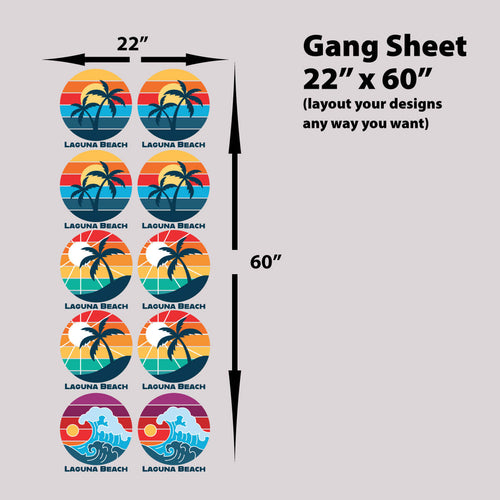
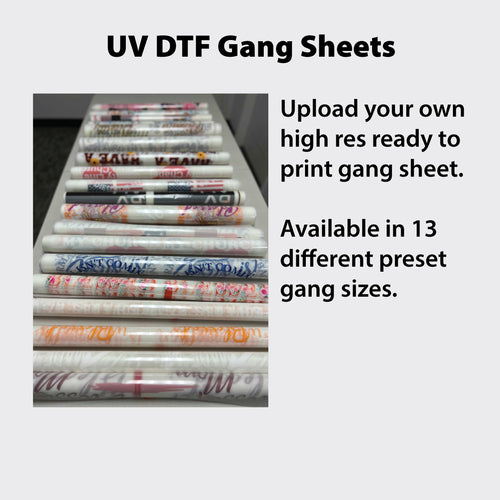
There’s one industry secret to making this happen: the gang sheet. Instead of ordering designs one by one, you arrange multiple graphics onto a single large film. This is, without a doubt, the smartest and most cost-effective way to order DTF transfers.
What Is a Gang Sheet?
Think of a gang sheet as a carpool for your designs. Rather than paying for a separate ride for your chest logo, another for a sleeve hit, and a third for your neck tags, you fit them all into one order. This method consolidates everything onto one sheet, which dramatically lowers your cost per individual design.
This approach is a no-brainer for:
- Apparel Brands: Combine main logos, neck tags, and small promotional graphics on one sheet.
- Etsy Sellers: Print several of your best-selling designs at once to restock inventory efficiently.
- Event Organizers: Fit logos for staff, volunteers, and sponsors all in a single run.
By grouping your artwork, you turn what would have been several small, expensive orders into one highly efficient print job. For maximum ease of use and cost-effectiveness, always use a tool like our Auto-build gang sheet builder.
Using an Auto-Build Gang Sheet Builder
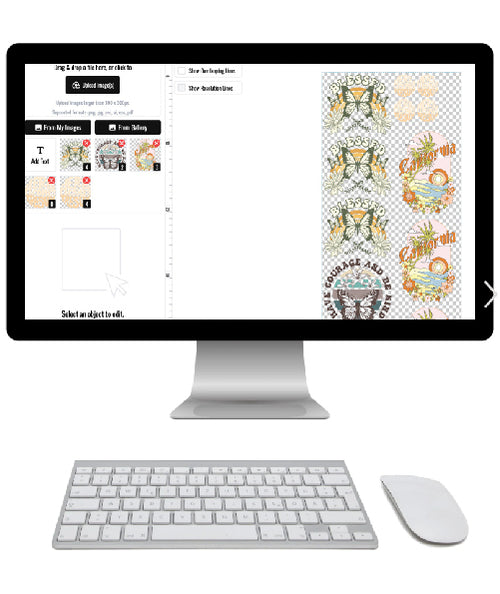
In the past, creating a gang sheet required some serious design software skills. Not anymore. Our Auto-build gang sheet builder is an easy-to-use tool that does all the heavy lifting for you.
The process is incredibly simple:
- Upload Your Designs: Start by uploading all the individual art files you need printed—different logos, various sizes, and any other graphics.
- Arrange and Optimize: Drag, drop, resize, and rotate your designs to fill every bit of available space on the digital film.
- Submit Your Order: Once you’ve packed the sheet, the builder shows you the final price, and you can submit your order with a click.
This tool gives you full control to maximize your investment. The more designs you can fit onto the sheet, the lower your cost-per-print gets. It's that simple.
A well-organized gang sheet is the single most effective strategy for saving money on DTF transfers. It’s the difference between paying for individual prints and paying for a single sheet packed with value.
Get the Most from Your Order
Ordering smart is also about file prep. To make sure you’re getting professional, clean results, always start with high-resolution images—that means 300 DPI minimum. You’ll also want a transparent background to avoid that unwanted white box showing up around your design.
When you combine quality artwork with an optimized gang sheet, you’re guaranteed to receive crisp, vibrant transfers ready for the heat press. This approach doesn't just save you money; it saves you time, so you can get back to building your brand. To really nail this technique, check out our deep dive in A Practical Guide to the DTF Gang Sheet Builder.
Your DTF Questions Answered
Even after getting the basics down, you probably still have a few questions. That's completely normal. Here, we'll tackle some of the most common things we hear from creators and brands who are just getting started with DTF transfers. Our goal is to give you the confidence to jump right in.
How Durable Are DTF Transfers Really?
This is the big one, and the answer is simple: they're incredibly durable. When you apply them correctly with a good heat press, DTF transfers are tested to handle over 100 wash cycles without cracking, peeling, or fading.
That kind of resilience makes them a perfect fit for everything from daily-wear t-shirts to tough work uniforms. To get the most life out of your gear, just wash it inside out with cold water and tumble dry on low. It’s a simple routine that keeps the print looking and feeling great for years.
What Kind of Artwork Do I Need?
For the best possible print, you'll want to start with a high-resolution file. We're talking 300 DPI (dots per inch) with a transparent background. This is key to getting those crisp, sharp lines without a weird colored box showing up around your graphic.
The most common file formats we see are:
- .PNG (the go-to for transparency)
- .AI (Adobe Illustrator)
- .PSD (Adobe Photoshop)
And don't stress if you're not a design expert. We have services like vectorization to clean up your artwork and make sure it’s 100% ready for printing.
Can I Apply DTF Transfers with a Home Iron?
While it might be tempting to try, we strongly recommend against using a home iron. To get a professional, long-lasting print, a heat press is absolutely essential. The problem with irons is that they heat unevenly and can't deliver the consistent, firm pressure needed to bond the transfer to the fabric.
A heat press provides uniform temperature and pressure across the whole design. That’s the secret to creating a durable, wash-resistant bond that an iron just can't match.
Using an iron will almost always lead to a print that starts peeling after just a wash or two. Investing in even a basic heat press is the single most important step to creating a product you can be proud to wear or sell.
How Do I Save Money on My Orders?
The best way to lower your cost per print, by far, is to use a gang sheet. Instead of ordering one design at a time, you can group multiple graphics—like different logos, neck tags, and sleeve designs—all onto one large sheet. This brings the cost of each individual design way down.
Our Auto-build gang sheet builder makes this super simple. You can just upload your designs, and it helps you arrange and pack them in to get the most value out of every sheet. It’s the secret weapon that smart apparel businesses use to make professional custom gear more affordable than ever.
Ready to bring your designs to life with quality and durability you can count on? At Lion DTF Transfers, we make professional printing fast, easy, and consistent.