



You're trying to get shirts or transfers ready for a Friday deadline, and the local search results aren't helping. One shop says “fast,” another says “premium,” and neither one tells you the different options in shipping, get file fixes, or build a gang sheet without wasting half the sheet on empty space.
That's the problem with DTF Columbus. Most pages prove a provider exists, but they skip the decisions buyers make, turnaround, pickup, file prep, order size, durability, and whether DTF is even the right decoration method for the job.
Why Ordering DTF in Columbus Feels Harder Than It Should
Columbus is large enough that print buyers expect local convenience, but fragmented enough that the buying process can still feel opaque. In Columbus, Ohio, the city is the capital and most populous city in Ohio, and the 2020 census put the population at 905,748 Columbus city profile and census context. That scale matters, because schools, rec teams, event organizers, and small brands all need apparel at the same time, and they don't all want the same fulfillment path.
At the same time, the phrase “Columbus” can create search confusion. It may refer to the Ohio city or to Christopher Columbus, the explorer born in 1451 and died in 1506 who completed four transatlantic voyages in Spain's service Britannica's entry on Christopher Columbus. That mix-up sounds minor, but it's exactly the sort of thing that clutters search results when you're trying to find a local transfer supplier.
What DTF actually is in shop terms
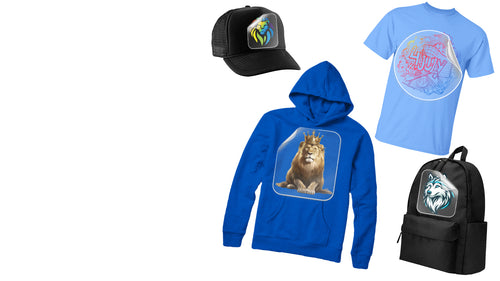
DTF, direct-to-film printing, means water-based ink is printed onto PET film, coated with hot-melt adhesive powder, and then heat-pressed onto fabric. The practical reason buyers like it is simple, it works on cotton, polyester, blends, and 50/50 hoodies without pretreatment, so you're not locked into one garment type.
Quality is where cheap transfers separate from good ones. I look at ink density, white underbase coverage, edge sharpness, and whether the transfer handles as hot peel or cold peel without tearing at the edges. Durability matters too, and a realistic benchmark is a transfer that can hold up through 100+ washes when it's printed and pressed correctly, which is the standard Lion DTF uses for its own transfers.
Practical rule: if a provider can't explain ink layers, peel type, and wash care in plain language, they probably can't control the process well enough for rush apparel.

Why local pickup changes the buying decision
Columbus buyers don't just need a file sent to a warehouse somewhere else. They need to know whether they can pick up locally, whether the shop accepts rush work, and whether a same-day order still gives enough time to press garments before the event starts. That's a different question from “Can you ship?”
A local buyer also has to think about file prep, gang sheet math, and minimum order pressure. If you're ordering transfers for a team, a pop-up, or a last-minute merch run, every extra step adds delay and every inch of wasted film adds cost. That's why the right Columbus DTF provider should feel operational, not promotional.
How to Compare DTF Providers Around Columbus
The fastest way to compare providers is to ignore the homepage language and look at four things, turnaround, quality, durability, and price structure. A shop that prints quickly but sends weak color or inconsistent underbase work can cost more than a slightly pricier provider that gets the order right on the first pass.
Build your comparison around the order you actually need
If you need a rush job, the important question is whether the provider can hit 24-hour printing, 1 to 2 business day ship, or same-day shipping without hiding delays in the fine print. If you're buying for a weekend event, a 24-hour print promise doesn't help if the package leaves after your deadline.
Color accuracy and white underbase quality matter just as much. In practice, look for reviews that mention clean blacks, strong whites on dark garments, and prints that don't shift oddly from screen to shirt. When people complain repeatedly about cracking or color drift, that usually points to process inconsistency, not just one bad order.
| Criterion | What to Look For | Red Flag |
|---|---|---|
| Turnaround | Clear window for printing and shipping, or same day shipping | Vague promises with no cutoff time |
| Color accuracy | Consistent dark-on-light and light-on-dark results | Repeated complaints about dull or off-color prints |
| Durability | Real wash confidence, not just “premium” language | Reviews mentioning cracking after a few washes |
| Price per area | Transparent price per square inch and clear sheet sizing | Hidden floors, confusing upsells, or wasteful layout rules |
Providers who help with file-vectorization, gang sheet design, and responsive support by call, text, email, or chat save time even if the headline price is a little higher. The cheapest sheet on paper can become the most expensive one if you spend an hour fixing the artwork yourself.
The local Columbus market also benefits from vendors that understand online ordering friction. A buyer shouldn't have to decode process language just to place a small shirt order.
Prepping Files and Building a Gang Sheet the Easy Way
Bad files waste more money than most first-time buyers expect. If the artwork arrives low resolution or with the wrong background, the press can only reproduce the mistake more cleanly, not fix it.
File prep that keeps the print shop from stalling
Start with 300 DPI, save as PNG with a transparent background, keep the file in CMYK color, and avoid embedded text layers when possible. That combination gives the transfer builder a clean source file and reduces the back-and-forth that slows down production.
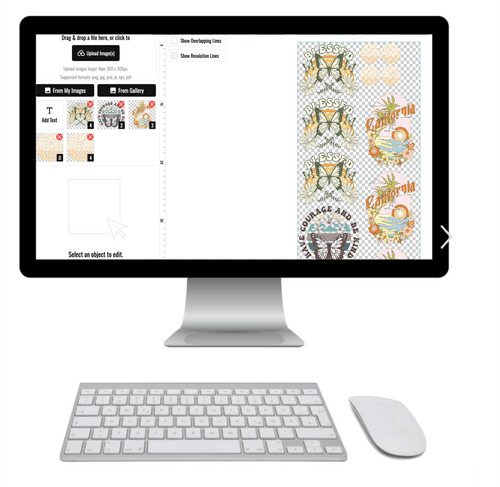
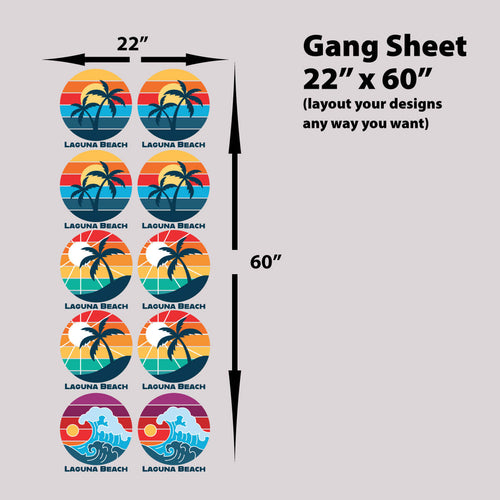
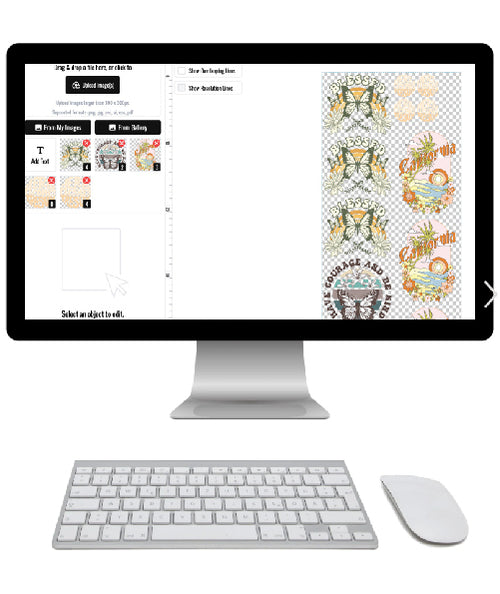
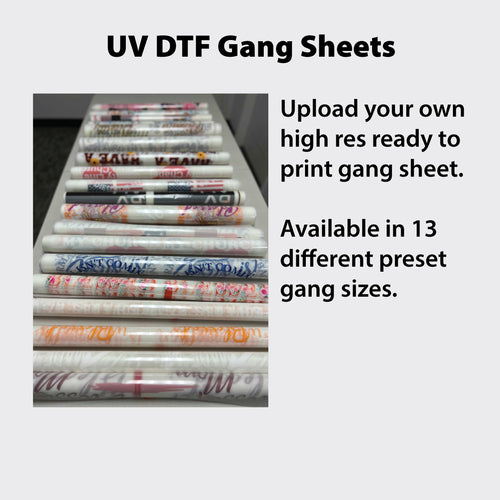
The easiest money saver is the gang sheet. Instead of paying for loose designs one by one, use the Auto-Build gang sheet builder to upload artwork, let the system arrange the layout for minimum waste, set the sheet size, and download a print-ready file. When artwork is packed tightly, the effective cost can drop to the low per-square-inch range that matters for small-batch apparel, especially when you're comparing it against otherwise empty sheet space.
If you don't want to touch the layout at all, the We Build a Gang Sheet for You service is the safety net. Some buyers need speed, not software, and that service is made for the person who wants to send files and move on.
The practical advantage here is control. A better layout means fewer scraps, less guesswork, and a cleaner order for the printer. That's why a gang sheet builder matters more than a flashy product page.
The gang sheet guide from Lion DTF explains the layout logic in more detail.

Good files don't make the printer faster, they make the order quieter. Less back-and-forth means fewer mistakes and fewer delays.
Placing the Order, Shipping, and Local Pickup Options
The cleanest order flow starts with upload, then sheet selection, then payment, then proof approval if the shop uses proofs. That sounds basic, but missing one of those steps is how buyers end up with the wrong size sheet or a layout that doesn't match the garments they already bought.
The three fulfillment paths that actually matter
For a tight deadline, next-day air is the move when the shirts absolutely can't wait. For routine work, 1 to 2 business day shipping is the standard path, and it's usually the best balance between cost and speed when your event is still several days away.
For Columbus buyers, same-day shipping option is the one that changes everything. If you can select next-day shipping, press them next day, and keep the production loop in-house, you stay ahead of the game. That matters more when the job is tied to a game, fundraiser, or launch date.
A turnaround claim only works if the clock is honest from end to end. A provider can print in a day and still miss your deadline if shipping takes the rest of the week, so always separate print time from transit time. That distinction is one of the main reasons local pickup is worth asking about up front.
Operational habit: order a small extra quantity when you're testing a new press setup. It covers mispresses, peel errors, and the inevitable learning curve that comes with a fresh garment blank.
The order flow should feel like a system, not a gamble. If the shop makes the shipping options clear, the file upload easy, and the proof process fast, you're dealing with a real production partner, not just an online cart.
The ordering guide from Lion DTF shows how transfer fulfillment is organized.
Pressing Transfers and Making Them Last
A good transfer still fails if the press step is sloppy. The film can be perfect, the ink can be dense, and the adhesive can be evenly applied, but if the garment holds moisture or the pressure is off, the final result won't survive real wear.
The press settings that hold up in actual shop work
For cotton, 270-280°F is the working temperature. For polyester, 240-250°F is the safer setting, with medium pressure and 10 seconds of dwell time. After the first press, use a hot peel, then do a second press for 5 seconds with parchment paper to lock in durability and improve the finish.
Garment prep matters more than you think. A quick pre-press removes moisture and wrinkles, and that helps the adhesive bond instead of fighting trapped steam. When you peel the film, pull smoothly and parallel to the shirt surface instead of lifting upward, because upward peeling can stress the edges.
Wash care keeps the print from failing early
Once the shirt leaves the press, the care routine decides whether the print behaves or breaks down. Cold wash, inside out, with no bleach, then tumble dry low or hang dry. That's the difference between a transfer that looks good for a season and one that keeps its edge.
The press is where most of the durability is won or lost, not at the printer.
If you want a detailed shop-side walkthrough, the pressing guide from Lion DTF covers the application sequence in more depth how to press DTF transfers.
When DTF Is Not the Right Choice for Columbus Buyers
DTF is strong, but it isn't the answer for every job. If you're ordering over roughly 1000 units, screen printing can start to make more sense on unit cost and often gives a softer hand-feel for larger runs. That's the point where a traditional setup can beat a transfer order on economics.
For a single-color small job, HTV vinyl can be cheaper per shirt, especially when the design is simple and the run is tiny. For polos and caps, embroidery still wins when the customer expects a stitched logo and a more premium business look.
A simple decision rule
Use DTF when you need low-to-mid quantities, multicolor art, photographic detail, or a fast turnaround. Use another method when the design is simple, the run is large, or the garment type points to a more traditional finish.
That rule keeps you from buying a process that's good at one thing and forcing it into a job it doesn't fit. DTF is flexible, but flexibility doesn't automatically make it the cheapest option.
The main mistake I see is treating every apparel order like a transfer order. A buyer who knows the difference between feel, cost, and speed makes better margins and fewer reprints.
Troubleshooting the Most Common DTF Problems
When a transfer fails, the symptom usually tells you the cause. The goal isn't to memorize ten fixes, it's to connect the problem to the one thing that most likely went wrong, then correct it on the next press.
Fix the print by matching the symptom to the cause
Transfers not sticking usually means the press ran too cool, the dwell time was too short, or the garment still had moisture in it. The fix is straightforward, raise heat to the right setting, press long enough, and pre-press the shirt before applying the transfer.
Colors look dull often comes from weak pressure or a worn platen that isn't distributing heat evenly. If the print looks flat, check the press first before blaming the artwork.
Cracking after wash usually points to under-cure or a rough wash routine. A proper second press matters here, because it helps the adhesive settle before the garment ever sees detergent.
White underbase shows when the print is over-pressed or the design/file is built for the wrong fabric condition. That's a file and press issue, not a random defect.
| Problem | What You See | Most Likely Cause | Single Fix |
|---|---|---|---|
| Transfers not sticking | Edges lift or the design peels | Low heat, short dwell, garment moisture | Repress at the correct temp after pre-pressing |
| Colors look dull | Artwork lacks punch | Weak pressure or uneven platen | Check pressure and platen condition |
| Cracking after wash | Design fractures in use | Under-cure or harsh wash routine | Add a proper second press and use gentle care |
| White underbase shows | White edge or halo appears | Wrong file layer or over-pressing | Rebuild the design layer and lower pressure if needed |
Keep a tiny cheat sheet next to the heat press. The best shops do this because the fix is usually boring, repeatable, and fast.
Here's the four-move action plan that works today, build a test gang sheet with the Auto-Build gang sheet builder, place a 24-hour test order to verify quality and turnaround, schedule a same-day pickup if you're local, and save a pressing cheat sheet by the press. A responsive provider that answers by phone, text, email, and chat is what turns a one-off order into a reliable supply line, because the process becomes repeatable instead of guesswork.
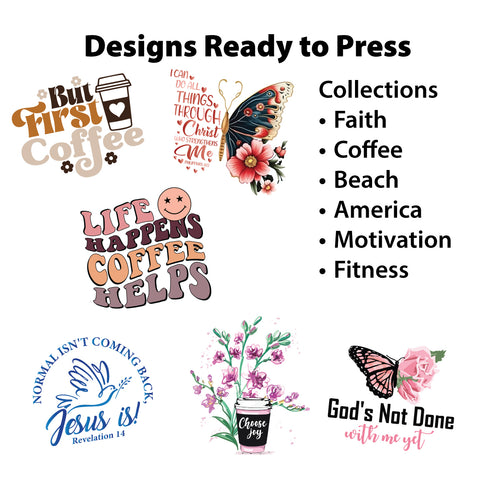
If you want a cleaner way to order transfers for teams, merch, or shop jobs in Columbus, start with Lion DTF Transfers. It offers gang sheets, ready-to-press DTF transfers, and support that fits the way real orders move, from file prep to pickup to pressing.