



You've got artwork ready, shirts waiting, and a deadline that isn't moving. Then the problem shows up. Where should you order DTF transfers without gambling on color, turnaround, or support?
That question usually starts with price and ends with operations. A transfer that's cheap but delayed can wreck an event date. A print that looks fine on screen but arrives with muddy color or rough edges can turn a simple merch run into a reprint bill. Most buyers don't need another list of websites. They need a way to choose a supplier that can deliver.
Finding the Right DTF Transfers for Your Project
A common scenario looks like this. A small brand needs a short run for a drop, a booster club needs spirit wear before Friday, or a shop owner has blanks on the rack and no time to troubleshoot someone else's file handling. They search where to order DTF transfers and get buried in options that all sound similar.
What changed in recent years is the workflow. DTF became mainstream because it made apparel decoration faster, more flexible, and better suited to short runs. Industry explainer content notes that DTF supports more colorful designs, faster print time, and short-run ordering without the garment pretreatment that DTG often requires, which is a big reason it became attractive for e-commerce sellers and small businesses (Inksoft on why DTF became a mainstream merch option).

What buyers actually need
Customers aren't just shopping for film with ink on it. They're looking for a supplier that can handle the whole path from upload to press without creating extra work.
That usually means:
- Fast digital ordering so you can upload and move.
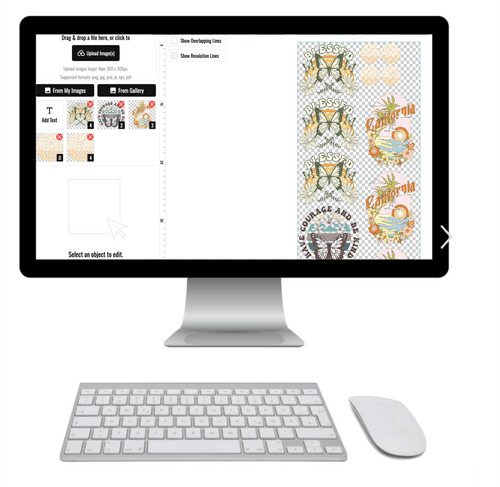
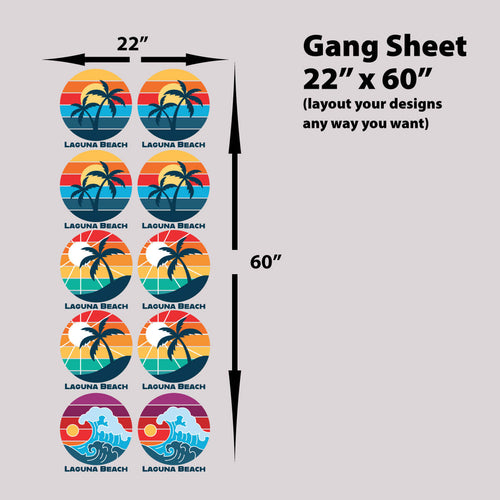
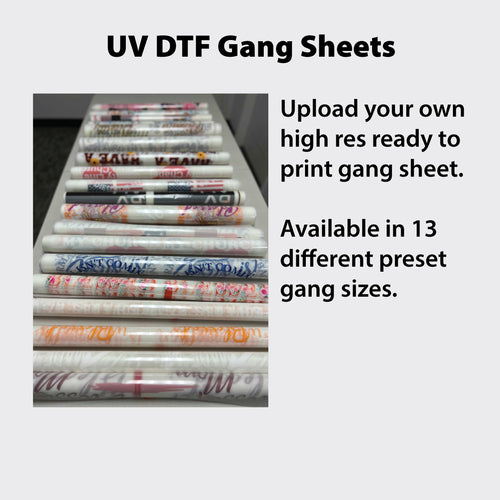
- Gang sheet support so you can combine multiple graphics efficiently.
- Low-friction fulfillment for short runs, reorders, and custom jobs.
- Useful file guidance so bad artwork gets caught before it reaches production.
Practical rule: If a supplier makes ordering complicated before you even pay, they'll usually make problem-solving harder after you pay.
Why the ordering model matters
Gang-sheet workflows became foundational because they solve a real shop problem. Instead of ordering one design at a time, buyers can place multiple graphics on one sheet, cut waste, and improve unit economics. That's especially useful when you're balancing left chest logos, full fronts, sleeve prints, and a few personalized names in the same batch.
The right source depends on what you're producing, how often you reorder, and how much hand-holding your files need. Buyers who understand that early usually avoid the biggest mistakes later.
Exploring Your DTF Supplier Options
Not every supplier is built for the same kind of buyer. Some are good for convenience. Some are good for face-to-face communication. Some look cheap until you hit delays, file issues, or inconsistent output.
A practical way to evaluate where to order DTF transfers is to separate the market into four buckets.
The four supplier types
| Supplier Type | Best For | Pros | Cons |
|---|---|---|---|
| Online specialty printers | Brands, print shops, teams, repeat buyers | Streamlined ordering, gang-sheet tools, broader capacity, rush options | No in-person counter service |
| Local print shops | Buyers who want direct conversation and local pickup | Face-to-face help, easier local coordination | Capacity and turnaround can vary a lot |
| Marketplace sellers | Small one-off buyers testing options | Wide selection, easy browsing | Quality and support can be inconsistent |
| Wholesalers | High-volume trade buyers | Built for larger recurring orders | Often less flexible for small custom runs |
Online specialty printers
These are usually the strongest fit when speed and workflow matter. You upload, build sheets, order, and move on. Good ones also catch file problems early instead of pushing every issue back to the customer.
That matters because a key buying decision often comes down to lead time and fulfillment. Industry guidance notes that the choice between a national shipper with gang-sheet tools and rush options versus a local printer often depends on shipping cutoff times and whether the provider can handle file corrections without adding days to production (Transfer Kingdom on lead time and fulfillment trade-offs).
For buyers comparing online options, it helps to review what a dedicated provider includes in its DTF printing services, especially around gang sheets, upload flow, and turnaround choices.
Local print shops
Local can be a smart choice when you need to talk through a project, match a local event schedule, or pick up in person. The trade-off is variability. One local shop may have solid equipment and tight workflows. Another may treat transfers as a side service and struggle with file prep or repeat consistency.
A local relationship is useful when the shop is organized. It's frustrating when every order requires a new round of clarification.
Ask one simple question before ordering: “If my file needs correction, who catches it and how long does that add?”
Marketplace sellers and wholesalers
Marketplace sellers are usually where buyers go when they want a quick test or are shopping primarily on price. The problem is that listing photos don't tell you much about color management, file checks, or reprint support.
Wholesalers are different. They can make sense for established trade buyers with predictable volume, but they're often less forgiving for mixed jobs, odd sizes, or smaller custom batches.
If you're a hobbyist or a shop in growth mode, flexibility usually matters more than a rock-bottom bulk rate.
Key Factors for Choosing Your DTF Supplier
A missed event date usually starts with a supplier that looked cheap on the order page and expensive everywhere else. The transfer arrives late, the reds print dull, or the file gets kicked back after sitting in a queue for a day. By then, the savings are gone.
Price still matters. It just belongs lower on the checklist than production control, turnaround reliability, and file handling.

Turnaround affects whether the order is usable
Fast shipping only helps if the order prints on time, clears review quickly, and leaves the shop without avoidable delays. A supplier can advertise quick service and still lose a full day to manual file checks, poor queue management, or slow customer support.
Ask for specifics before you buy. Cutoff times matter. Proofing rules matter. Reprint handling matters too, especially if you run event work, same-week merch drops, or repeat orders for schools and teams.
For small buyers, one delayed sheet is annoying. For a shop running multiple customers on a press schedule, it can throw off the whole day.
Use a practical filter before sending artwork
A good supplier should make ordering predictable. Check these points first:
- Turnaround policy: Same-day or next-day claims should be tied to actual cutoff times and order conditions.
- Upload process: The artwork portal should be clear, stable, and easy to use for gang sheets or one-off jobs.
- File review: You want a supplier that catches obvious problems early, before they become production defects.
- Support response: Real help should be available when an order stalls or a file needs correction.
- Reprint process: Problems happen. What matters is whether the supplier has a clear path to fix them.
- Press instructions: Application settings should be published and easy to find.
That list will save more money than chasing the lowest square-inch rate.
Color control and file handling separate good suppliers from risky ones
Buyers get burned. Two suppliers can use similar film and powder, but the output still looks different because one has tighter color control and a cleaner production workflow.
Look for vendors that give you a controlled upload path and clear export guidance. If your artwork team or customer is unsure about setup, a supplier that explains what file format is best for printing will prevent a lot of avoidable cleanup. Good systems reduce bad transparencies, low-resolution art, accidental RGB surprises, and gang sheets built at the wrong size.
Color consistency matters even more on reorders. If a customer comes back in three weeks and the navy shifts purple or the white underbase changes density, you now own that complaint whether the file changed or not.
Match the supplier to your volume and workflow
The right partner for a hobbyist is not always the right partner for a shop pushing daily volume.
A hobby buyer usually needs low minimums, simple ordering, and a supplier that catches file mistakes without turning the process into a support thread. A growing apparel shop needs dependable turnaround, consistent color across repeat jobs, and enough capacity to handle mixed orders without slowing down. Bulk buyers need pricing that holds up at scale, but they also need systems. Batch tracking, repeatability, and account support become much more important once the order count climbs.
That trade-off is real. Lower prices can come with stiffer minimums, less hand-holding, and fewer fixes when the file is wrong.
Support quality shows up after the sale
Any supplier can look organized before the order is placed. The actual test starts when something goes wrong.
Reliable vendors publish accepted file specs, pressing instructions, and care guidance before you have to ask. They answer questions clearly. They also tell you what happens if an order prints incorrectly, arrives damaged, or misses a deadline.
I judge suppliers by how much uncertainty they remove. If the ordering process is clear, the file requirements are strict but reasonable, and the shop communicates like it runs production every day, that is usually a better long-term partner than the cheapest option on the screen.
How to Prepare Artwork for Perfect DTF Prints
A bad file can waste a full production slot. The transfer may print, but soft edges, stray pixels, or muddy color usually start with artwork that was never ready for press.
Clean files cut down on reprints, support tickets, and delays. They also make it easier for a supplier to hit the same result on repeat orders, which matters a lot once you start reordering best sellers or customer uniforms.

Start with a print-ready file
Use the supplier's file specs, not your own guess. If they want PNG with transparency, send that. If they accept vector files for certain jobs, use them where they make sense. A good supplier will usually spell out accepted formats, size requirements, and whether they check files before printing.
This part affects more than image quality. It affects speed. Shops with solid upload tools and preflight checks catch missing transparency, low resolution, and sizing mistakes before the job hits production. Shops without those checks often push the problem downstream, where it turns into a bad print or an avoidable delay.
For a closer look at export choices, this guide on what file format is best for printing is worth reviewing before you upload.
Use gang sheets to reduce waste
Gang sheets are one of the simplest ways to control cost, especially if you run mixed artwork.
Put a left chest logo, full back print, sleeve mark, and neck label on one sheet instead of ordering them separately. For team and event work, combine names, numbers, and sponsor graphics in one layout. For test launches, place several artwork versions on the same sheet and press only the designs that sell.
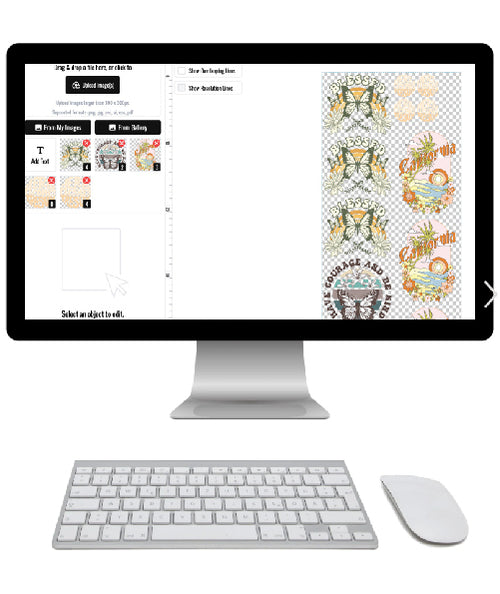
The trade-off is prep time. Manual layout gives you control, but it also creates more chances to size something wrong, crowd designs too tightly, or waste usable film. Auto-build gang sheet tools help when you are ordering a lot of small graphics or repeating the same workflow every week. They are less helpful if every job needs custom spacing, exact placement logic, or unusual nesting.
The gang-sheet tool matters more than people think. A clunky builder wastes film, slows ordering, and creates preventable file errors.
A quick visual can help if you're new to the file side of the process:
Common artwork mistakes
These are the problems I see most often:
- Low-resolution art that looks fine on a phone but breaks apart in print.
- Dirty backgrounds caused by poor cutouts, leftover pixels, or flattened exports.
- Tiny details such as thin outlines, small text, or distressed textures that do not hold cleanly on film.
- Wrong sizing because the file was built without checking actual print dimensions.
Fix those before upload and the whole order goes smoother. Your supplier can print faster, your colors stay closer to target, and you are less likely to pay for a second run because the first file was never production ready.
Why Lion DTF Is a Top Choice for Creators and Businesses
When buyers compare suppliers, the practical questions stay the same. Can they order fast, build sheets easily, get support when something goes wrong, and receive transfers that stay consistent across repeat jobs? That's where specialized providers separate themselves from generic storefronts.
Lion DTF Transfers fits that model as one factual option for buyers who want direct online ordering. The company offers custom transfers by size, gang sheets, upload-based ordering, and an Auto-build gang sheet builder that simplifies layout for mixed-design jobs. It also provides 24-48hour printing, same-day pickup, next-day air options, vectorization help, and a “We Build a Gang Sheet for You” service for customers who don't want to handle layout themselves.

Why those details matter in real orders
The value isn't just the product list. It's how those features reduce friction.
- Gang-sheet automation: Good for buyers running multiple logos, front-and-back sets, or several test graphics in one order.
- Fast fulfillment options: Useful when a reorder can't wait for a slow queue.
- File assistance: Important for small brands and shops that don't have in-house design cleanup.
- Support across channels: Helpful when an order needs confirmation quickly.
Industry guidance consistently says buyers should evaluate reliability, color consistency, and support before price, because the cheapest option can get expensive if it leads to reprints. That same guidance recommends looking for clear press settings, wash-testing information, and responsive service instead of choosing based on checkout cost alone (DTF Transfers guidance on supplier reliability and support).
Who this kind of supplier suits
This type of provider usually makes the most sense for:
- Small businesses that need repeatable ordering without complex setup
- Etsy and merch sellers testing short runs
- Schools and teams with deadline-driven apparel jobs
- Print shops that need overflow capacity or reliable transfer outsourcing
If your main concern is consistency and speed, a specialty workflow usually beats a bargain listing.
Common Use Cases for DTF Transfers
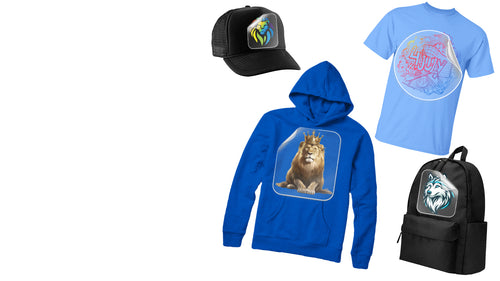
DTF works well when buyers need full-color graphics without the long setup logic of older decoration methods. That's why it shows up in so many different kinds of orders.
Small brands and e-commerce
A small apparel brand can test new artwork without committing to a large printed inventory. Order a short run, press what sells, then reorder. That keeps storage risk lower and gives the brand room to experiment with designs, colorways, and seasonal drops.
Teams, schools, and events
DTF often solves deadline problems. Spirit wear, club shirts, fundraiser apparel, staff event tees, and last-minute sponsor updates all benefit from short-run flexibility. A gang sheet is especially useful here because one order can include chest logos, backs, and supporting graphics together.
The practical advantage of DTF is simple. You can move from approved art to wearable product without building your whole schedule around setup time.
Shops and makers
Small print shops use transfers to cover overflow, handle art that doesn't make sense for screen setup, or take one-off jobs profitably. Hobby crafters use them because a home heat press can turn a strong design into a finished garment without maintaining a full print operation.
The common thread is on-demand production. Buyers want graphics that look professional, order cleanly, and fit real deadlines.
Your Next Steps to Ordering Perfect Transfers
A deadline usually exposes the weak supplier fast. The file uploads fine, but nobody flags the low-resolution logo, the reds print muddy, and the reorder you needed for Friday ships late. At that point, the cheapest transfer was the expensive choice.
Order your first job from a supplier that reduces production risk. Look for three things right away: accurate color handling, a file-prep process that catches problems before print, and turnaround times the shop can maintain under pressure. Gang-sheet tools matter too, especially if you are combining front prints, back prints, names, and left-chest logos in one order.
If you are still deciding between local pickup and online ordering, compare both against the kind of work you run. A nearby shop may help on rush jobs or in-person problem solving. An online specialist may give you better upload tools, clearer reorder workflows, and more consistent repeat output. This guide to custom DTF transfers near you is a good starting point if you need to weigh those options.
Then test with a real job.
Do not use a simple one-logo order as your only trial. Send the kind of file package that usually causes problems: mixed artwork, fine text, brand colors, or multiple placements on one gang sheet. That will show you how the supplier handles prepress, communication, and production accuracy before you trust them with a larger run.
If Lion DTF fits your workflow, place a small first order and judge it like a shop owner would. Check color, peel behavior, edge detail, pressing consistency, and whether the reorder process looks reliable. A good supplier saves time long after checkout.
Frequently Asked Questions About DTF Transfers
Should I order from a local shop or an online supplier?
It depends on your deadline, file quality, and how much help you need. Local shops can be easier for in-person communication and pickup. Online specialty suppliers often have better gang-sheet tools, smoother upload workflows, and stronger rush fulfillment.
What matters more than price?
Turnaround, file handling, color consistency, and support. A lower price loses its value fast if the order arrives late or needs to be redone.
Are gang sheets worth it?
Yes, especially if you're ordering multiple graphics, names, logos, or size variations. They help reduce waste and make short-run production more cost-effective.
What should I ask before placing an order?
Ask about accepted file formats, proofing or preflight checks, production timing, press instructions, and what happens if a print issue requires a reprint.
If you're ready to order with a workflow built for speed and easier gang-sheet ordering, take a look at Lion DTF Transfers. You can upload artwork, build a gang sheet, and get help with file prep if needed, which makes it a practical option for shops, brands, schools, and creators who don't want extra friction in the process.