


You've promised a Colorado Springs team new jerseys, but the roster changed, the coach added names and numbers, and the event is close enough that a traditional long setup feels risky. Or perhaps you're launching a small merch drop and don't want to order a large batch before you know which designs will sell. In both cases, DTF Colorado Springs is less about choosing a trendy printing method and more about choosing the right production workflow.
Direct-to-Film transfers can be a practical fit for short runs, detailed artwork, mixed fabrics, and urgent orders. They don't replace every screen-printing or embroidery job, though. The smart decision depends on artwork, quantity, garment type, deadline, and whether you'll press the transfers yourself or have finished apparel produced for you.
Why DTF Has Taken Off in Colorado Springs
A coach who needs colorful team shirts quickly usually has several problems at once. Names may vary from shirt to shirt, the artwork may contain gradients or small details, and the garments may include cotton tees, polyester jerseys, and blended hoodies. DTF handles that kind of variation without requiring a separate screen for each color or a stitched file for every name.
Direct-to-Film, or DTF, prints artwork onto a special film, applies adhesive, and transfers the finished image to fabric with a heat press. That workflow makes it especially useful for short, full-color jobs where setup time matters more than the lowest possible unit cost.
The local customer base is broad. The U.S. Census Bureau lists Colorado Springs at 493,554 residents on July 1, 2024, compared with 478,961 at the April 1, 2020 census, a 2.7% increase. The same U.S. Census Bureau profile lists a median age of 35.7 years, median household income of $84,818, 22.0% of residents under 18, and a population that is 18.7% Hispanic or Latino and 5.8% Black alone. Those figures describe a city with schools, teams, families, businesses, events, and neighborhood groups that may all need branded apparel.
Colorado Springs also has a long civic identity. The city was founded in 1871 by General William Jackson Palmer and formally became a city in 1871, as described in this history of Colorado Springs. Recurring needs tied to schools, tourism, sports, and local institutions create demand that extends beyond one-off personal shirts.
DTF works beside established methods
Local shops already combine screen printing, embroidery, and DTF services. That combination makes sense. Screen printing remains efficient for high-volume jobs with one or a few colors, while embroidery suits structured garments and professional branding. DTF fills the gap for short runs, detailed images, changing personalization, and mixed-fabric orders.
For a small shop, buying transfers from a dedicated provider can also be more practical than managing every production step in-house. The provider handles printing and transfer preparation, while the local shop focuses on garment selection, pressing, finishing, and customer service.
Practical rule: Choose DTF when the job changes often, contains detailed color, or needs to move quickly. Choose another method when its production strengths match the order better.
What DTF Transfers Are
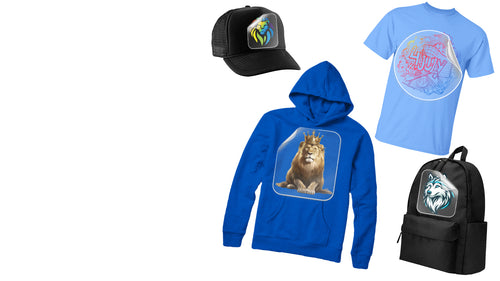
A DTF transfer is a layered sticker designed for fabric, with adhesive engineered to melt and bond under a heat press. The artwork is printed on film first, then transferred to the garment during finishing. That workflow lets a Colorado Springs shop prepare detailed designs before the shirt reaches the press.
The basic sequence is:
- Artwork is printed. A DTF printer places water-based pigment ink, including white ink where needed, onto coated PET film.
- Adhesive is applied. Hot-melt TPU powder covers the wet image and forms the bonding layer.
- The transfer is cured and pressed. Heat prepares the adhesive, then the heat press combines the image, adhesive, temperature, and pressure with the textile.

After pressing, the adhesive flows into the fabric structure and cools there. The result feels flexible rather than like the thick, rigid surface associated with some older heat-transfer materials. Pigment ink, a white underbase, and film application also help bright artwork stand out on dark garments.
Why fabric flexibility matters
DTF suits cotton, polyester, blends, and selected performance fabrics, though each garment responds differently. Polyester may require careful heat control and attention to dye migration. Textured or water-resistant surfaces can reduce adhesion, so the actual blank garment should guide the order, not the artwork alone.
The finished image can stretch with the shirt, which helps with athletic wear and fitted garments. DTF also handles gradients, fine details, and multiple colors without the screen-by-screen separation used in traditional screen printing. That makes it useful for small runs, mixed fabrics, and designs that vary from shirt to shirt.
Hot-peel is part of the workflow
A hot-peel transfer is made for removing its carrier film while the image remains warm, according to the supplier's instructions. Peeling too early, too slowly, or at the wrong temperature can lift or distort the design. Some films require a warm or cool peel, so the product instructions take priority over a generic pressing recipe.
The working model is simple: the film carries the image, the adhesive bonds it, and the press activates the bond. DTF Colorado Springs orders differ from vinyl because the artwork is printed instead of cut. They also differ from screen printing because the image arrives as a ready-to-press transfer, a practical choice when a local order needs detailed artwork or a quick production workflow.
DTF Versus Screen Printing and Embroidery
The best method depends on the job, not on a universal ranking. For a short order with detailed artwork, DTF usually removes more setup work. For a large run with a simple design, screen printing can produce stronger unit economics. For caps, polos, and a polished corporate mark, embroidery often creates the right impression.
| Method | Small runs | Detailed color | Fabric range | Best fit |
|---|---|---|---|---|
| DTF | Strong fit for short and varied orders | Excellent for gradients and multicolor art | Cotton, polyester, blends, and selected performance fabrics | Rush apparel, names, numbers, and mixed garments |
| Screen printing | Less efficient when setup is spread across few pieces | Strong, but most efficient with simpler color structures | Especially effective on cotton garments | Larger runs with one or a few colors |
| Embroidery | Useful for personalized premium garments | Limited by thread, stitch density, and small details | Especially suited to caps, polos, and structured items | Logos, workwear, and corporate identity |
Small runs and setup economics
Screen printing requires screens and color separations before production begins. That setup can make sense when many garments share the same artwork, because the preparation cost is distributed across the run. It becomes harder to justify when you need only a few garments or when each shirt has different personalization.
DTF avoids that screen setup. You can order a chest logo, a full-color illustration, or a collection of names and numbers as transfers, then apply them as needed. For a first-time buyer, screen-print transfers compared with DTF can clarify why a transfer workflow changes the setup calculation without making screen printing obsolete.
Fabric and artwork decisions
DTF is usually the flexible choice for a mixed order. A team might use polyester jerseys, cotton fan shirts, and tri-blend staff tees. Embroidery won't reproduce a soft gradient the same way, and screen printing may require more preparation when the garments and artwork vary.
Embroidery wins when the design is a clean logo on a polo, hat, jacket, or work shirt. It adds texture and a premium stitched appearance, but tiny text and highly detailed illustrations can lose clarity. Screen printing wins when consistency, volume, and a simple graphic matter more than rapid changeovers.
Decision shortcut: DTF for short, colorful, mixed-fabric, fast-turn jobs. Screen printing for high-volume, simple-color production. Embroidery for logos on structured or professional garments.
Ordering Online and Using the Auto-Build Gang Sheet Builder
Online ordering becomes much easier when you decide what you're buying before uploading anything. Most DTF workflows fall into three paths:
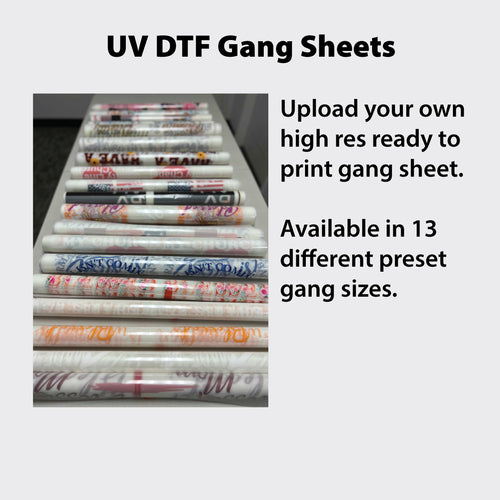
- Custom gang sheets: Several designs arranged together on one film sheet.
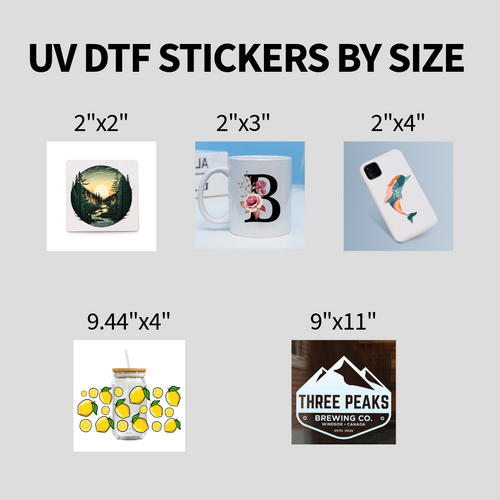
- DTF by size: A single design ordered at a specified finished dimension.
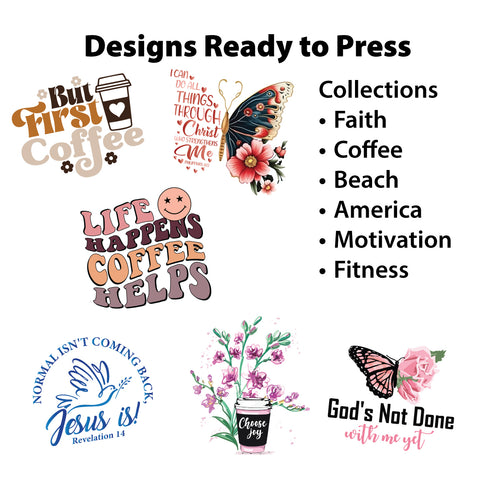
- Ready-to-press collections: Pre-made artwork selected from an existing catalog.

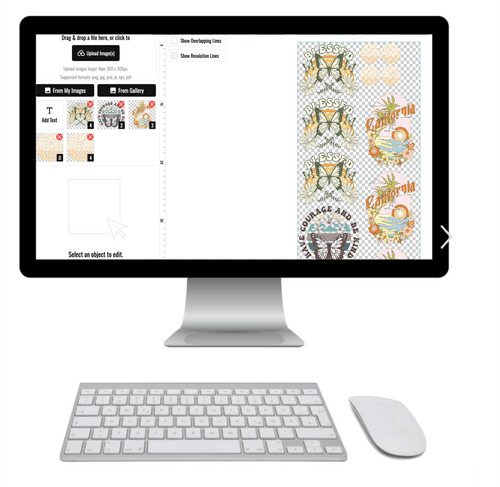
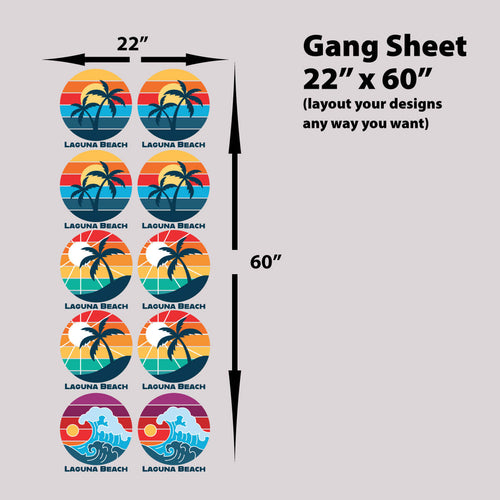
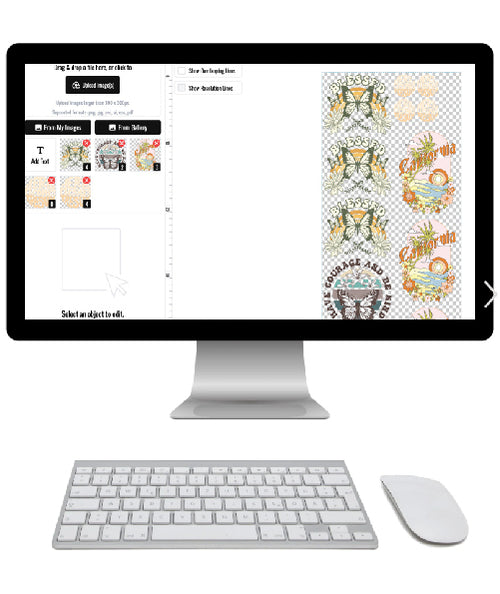
For multiple logos, names, or small designs, the Auto-build gang sheet builder is usually the easiest starting point. Gang-sheet pricing is based on the film area used rather than each individual design, and an auto-arrange tool can place uploaded files efficiently across the sheet, as described in this DTF gang sheet overview. Better use of the available film can make the order more cost-effective than purchasing every design separately.
A simple upload workflow
- Collect the final artwork. Confirm that every logo, name, number, and graphic is approved before uploading.
- Use transparent PNG files. Transparency prevents an unwanted rectangular background from printing around the design.
- Check resolution. Prepare artwork at 300 DPI when possible so edges and small details remain clear.
- Set the finished size. A design that looks correct on a screen may be too large or too small on a shirt. Measure the garment area and enter the intended print dimensions.
- Let the builder arrange the sheet. Review the layout, spacing, and rotation before approving the order.
- Choose the sheet width. Select the width that matches your designs and pressing setup, such as 22-inch or 24-inch film, while confirming that your heat press can cover the transfer.
- Proof the order. Check spelling, mirrored artwork, transparent areas, and the quantity of each variation.
More workflow detail is available in this guide to the DTF gang sheet builder. The main goal is to prevent a file problem from becoming a reprint.
Color expectations and file help
Screen color and printed color won't always match perfectly. The garment color, white underbase, ink profile, and artwork itself all affect the final result. If a brand color matters, request guidance before approving a large order and keep the same artwork and garment combination for future consistency.
A file that isn't print-ready isn't automatically unusable. Vectorization, logo cleanup, and shirt design help can turn a rough concept into a workable transfer, but those services should be requested before production rather than after a failed print.
The video below demonstrates the kind of builder workflow a first-time customer should review before submitting artwork.
Pricing Expectations for DTF Colorado Springs Orders
DTF pricing makes more sense when you separate print area from number of designs. A provider may price by the square inch, so a small logo uses less film than a full-front illustration. A gang sheet can then combine several smaller graphics into one paid area rather than treating every graphic as an entirely separate production setup.
A useful published anchor is $0.017 per square inch, listed by Lion DTF Transfers on its service information. That's a starting rate, not a promise that every order will cost the same. Artwork preparation, vectorization, design assistance, garment pressing, shipping, and rush handling can change the final total.
DTF gang sheet cost at a glance
| Design Size | Square Inches | Approx. Cost per Print |
|---|---|---|
| 4 × 4 inches | 16 | $0.27 |
| 10 × 10 inches | 100 | $1.70 |
| 12 × 16 inches | 192 | $3.26 |
The calculations above use the $0.017 per-square-inch rate from Lion DTF Transfers' transfer offering, so treat them as planning examples rather than universal market prices. A 4 × 4-inch logo occupies 16 square inches, while a 12 × 16-inch graphic occupies 192 square inches. The larger design uses twelve times the film area, which is why “one print” doesn't tell you enough about cost.
Where the savings appear
Suppose a maker needs several small logos for one apparel drop. Buying each logo as a separate full-size transfer may waste film around the artwork. Placing them together with an Auto-build gang sheet builder can use the sheet more efficiently and reduce the effective cost per logo.
DIY upload is usually enough when the PNG is transparent, correctly sized, and clean. Paying for vectorization or a “We Build a Gang Sheet for You” service makes more sense when the artwork is low resolution, the layout is complicated, or a reprint would cost more in time than the assistance.
Who DTF Works Best for in Colorado Springs
The strongest DTF customer isn't defined by one industry. It's defined by a workflow that needs variation, color, or speed.

A youth sports league with changing rosters
A soccer league may need a shared crest, player names, and numbers across jerseys that aren't all the same material. A custom gang sheet can group the crest, names, and numbers so the organizer receives a coordinated batch of transfers. The buyer should provide the roster carefully, verify spelling, and ask whether the supplier can meet the event date before ordering.
DTF works well here because each garment can receive a different name or number without creating a completely new screen setup. The league can press locally or have a decorator complete the garments.
A small e-commerce brand testing limited drops
A maker selling Colorado Springs or Pikes Peak-inspired apparel may want several designs without committing to a large inventory of finished shirts. DTF by size works for repeatable hero designs, while a gang sheet makes sense when the drop includes several small chest marks, sleeve graphics, or accessory designs.
The brand owner should order transfers separately from blanks when sizing and garment colors vary. That approach lets the seller decorate only the garments that have sold or are ready for a specific market event.
A brick-and-mortar print shop handling overflow
A local print shop may already offer screen printing and embroidery but need a practical answer for a last-minute full-color order. DTF can handle overflow, rush apparel, and mixed-fabric work without forcing the shop to interrupt a large screen-print production run.
The shop should ask for production timing, film dimensions, pressing instructions, and replacement procedures before accepting the customer's deadline. That small workflow check protects both the shop's reputation and the buyer's event schedule.
Turnaround, Shipping, and Local Pickup Options
A deadline changes the buying decision. Someone preparing blank transfers for a home heat press has different needs from a customer who wants finished shirts shipped to an event.
Start by asking four questions:
- When must the apparel be ready?
- Are you ordering transfers or finished garments?
- Will you press locally or rely on the provider?
- Do you need pickup, standard shipping, or expedited delivery?
A standard production window commonly cited by the publisher is 1 to 2 business days, while 24-hour printing is available for rush needs. Local customers may also have same-day pickup, and non-local orders may use next-day air when the deadline justifies expedited shipping. Confirm the cutoff time, order approval status, and shipping availability before relying on any deadline.
Match the service to the job
- Home pressing: Order transfers, confirm the film's peel instructions, and leave enough time for pressing and quality checks.
- Local event deadline: Ask about 24-hour printing and same-day pickup, then confirm that the order will be ready before traveling across the city.
- Finished apparel shipment: Allow time for pressing, packing, carrier collection, and transit. Next-day air helps with transit speed, but it doesn't erase production time.
Colorado Springs has grown beyond a single compact business district. Local economic reporting cited a 2025 population estimate of 494,743 and 2022 total retail sales of $11.1 billion, or $22,841 per capita, in this Colorado Springs market overview. The city's 2025 homeownership rate was 60.9% in the same verified data, which supports the broader picture of neighborhood-based buyers, makers, and small businesses spread across multiple submarkets.
For a deeper local-search workflow, use this guide to finding custom DTF transfers near you, then call or message the provider with the artwork, garment type, quantity, and deadline in one note.
Pressing Tips, Durability, and a Quick Pre-Press Checklist
A good transfer can still fail if the press operator skips the basics. Start with a clean, dry garment and pre-press the fabric briefly to remove moisture and smooth the surface. Lay the transfer straight, cover it with the recommended protective material, and use the supplier's temperature, pressure, peel, and post-press instructions.
Documented DTF guidance places common press temperatures around 240°F to 280°F, with medium-to-firm pressure, as explained in this DTF transfer durability guide. Exact settings vary by film, adhesive, garment, and press, so don't treat a general range as a substitute for the product instructions.
The finishing sequence
Press the transfer with enough pressure for the adhesive to contact the textile structure. Peel according to the film specification, then apply a post-press when directed. That second press helps secure the adhesive and can improve the finished surface.
Properly applied DTF transfers are commonly reported to withstand roughly 80 or more wash cycles, with some technical benchmarks reaching 80 to 100 or more washes, depending on fabric, press conditions, and care. The same technical reference explains that the hot-melt TPU adhesive bonds under heat and pressure, which supports flexibility and resistance to cracking.
Use a low-risk test before decorating the entire batch. Test the actual transfer on the actual garment, especially with polyester, tri-blends, textured fabric, or performance materials.
Pre-press checklist
- Inspect the file: Confirm spelling, dimensions, transparency, and image orientation.
- Inspect the garment: Check the fabric, seams, zippers, coatings, and surface texture.
- Pre-press the fabric: Remove moisture and flatten the decoration area.
- Align carefully: Use the garment centerline, collar, seams, and a ruler rather than guessing.
- Press with consistent pressure: Avoid a light edge press that leaves part of the design poorly bonded.
- Peel correctly: Follow hot-peel, warm-peel, or cool-peel instructions for the specific film.
- Post-press when required: Lock in the adhesive before folding or washing.
- Wait before washing: Give the finished garment time to cool and settle, then follow the care instructions.
With the right workflow, DTF Colorado Springs becomes a dependable production choice rather than a last-minute gamble. The key is matching the transfer format, sheet layout, garment, and deadline before you click submit.
If you're ready to order transfers for a team, merch drop, rush job, or print-shop workflow, visit Lion DTF Transfers to use the Auto-build gang sheet builder, order by size, or choose ready-to-press artwork. You can also get help with vectorization, logo and shirt design, pressing guidance, and fast shipping options.
Email orders@LionDTF.com or Text or Call: 833-350-5466