


You're probably dealing with one of three California problems right now. A pop-up is this weekend and the blanks just arrived. A client approved artwork late and still expects polished shirts by Friday. Or you run a shop, you've got heat presses ready, and you need transfers that won't turn into a customer service issue after the first few washes.
That's why DTF has become such a practical lane for California apparel work. It fits the way people sell here: short runs, quick turns, mixed garment types, event merch, test drops, team orders, and constant design changes. In a market where buyers expect speed and color impact at the same time, generic print advice usually falls short. California jobs are rarely generic.
Navigating the DTF Landscape in California
California moves fast, and print buyers move even faster. Brand owners in Los Angeles, event coordinators in Orange County, Etsy sellers in San Diego, and corporate teams in the Bay Area often need the same thing on short notice: transfers that press clean, hold color, and arrive without drama.

That demand isn't a niche. California's printing industry is projected to reach $7.3 billion in 2026, and that scale sits inside a larger creative and manufacturing economy built around on-demand production and creator-led brands, according to IBISWorld's California printing industry outlook. In practice, that means more people need custom output without committing to old-school production models that slow everything down.
Why DTF fits California work
DTF works well here because most orders aren't perfectly predictable. A streetwear label may need left chest logos, full fronts, and sleeve hits in one batch. A school booster group may reorder two days before an event. A promotional company may need bright artwork across cotton, blends, and polyester without changing its whole process.
That's where DTF beats more rigid setups. It handles variety well. It also suits California's creator economy because shops can run short and medium runs without building jobs around screen counts or oversized setup work.
Practical rule: In California, the winning print method usually isn't the one with the most tradition. It's the one that survives rush jobs, mixed garment orders, and late-stage art changes.
The local factor most guides skip
Most DTF content treats every shop like it lives in the same environment. That's not how California behaves. Coastal moisture, inland heat, and day-to-night swings affect how transfers press, peel, and finish. A setup that feels stable in Irvine may behave differently in Sacramento or Riverside if you keep using the same press habits without adjustment.
That's why DTF California buying decisions aren't just about artwork and price. They're also about fulfillment options, consistency, and whether you can get product quickly enough to stay on schedule. Same-day pickup matters here. Next-day air matters. So does working from a repeatable pressing routine instead of guessing on every garment.
Preparing Your Designs for Flawless Prints
Bad files cost more than bad pressing. If the artwork starts soft, dirty, or poorly built, no transfer supplier can rescue it completely. Most disappointing DTF results trace back to artwork that looked fine on a laptop but wasn't sufficiently ready for production.

The baseline spec is simple. Design files should be set to 300 DPI for strong print clarity and to avoid pixelation on detailed graphics, as outlined in this guide on DTF print resolution and file prep. If you ignore that, small text, gradients, fine outlines, and textured details will tell on you immediately.
File habits that prevent common failures
A clean DTF file usually has a transparent background, tight cropping, and edges that were checked at full zoom. PNG is a common choice for ready-to-print raster art. AI and PSD files can also work well when they're properly built and exported.
Use this preflight routine before upload:
- Start at final size: Build the art at the size you want pressed. Don't assume a small web graphic will scale up cleanly.
- Check the edge quality: Zoom in and inspect outlines, distressed textures, and soft shadows. Stray pixels print.
- Keep the background transparent: White boxes around art aren't a press problem. They usually start in export.
- Outline fonts when needed: If text matters, don't leave it dependent on a missing font file.
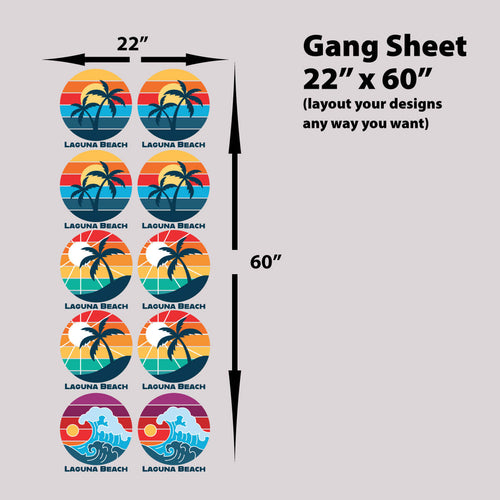
- Trim dead space: Empty area around the artwork wastes room on a gang sheet and makes alignment harder.
If you want a solid reference for artwork setup, this walkthrough on custom heat transfer design basics is worth keeping in your file prep process.
Color expectations need discipline
Color issues often start before printing too. Designers send RGB files, use effects that don't translate well to fabric, or stack too many subtle tones into a small area and then expect the shirt to behave like a backlit monitor. That's when jobs come back with “the blue looks off” or “the gray reads green.”
For DTF California work, especially for brand colors, don't rely on a casual screen check. Review your art on more than one device if you can. Simplify tiny tonal shifts that won't survive fabric texture. If a logo color must be exact, call that out before ordering rather than after pressing.
Good DTF starts with boring discipline. Clean file. Correct size. Transparent background. No mystery effects.
What experienced shops catch before sending
The fastest operators don't just upload and hope. They look for things that create avoidable waste:
| File issue | What happens on press | Better move |
|---|---|---|
| Low-resolution social graphic | Soft print and jagged edges | Rebuild at production size and 300 DPI |
| Excess transparent margin | Wasted sheet area | Crop tightly |
| Tiny distressed details | Lost texture or muddy breakup | Increase scale or simplify detail |
| Unconverted text elements | Unexpected font substitution | Outline or flatten text |
That extra five-minute check saves far more time than redoing a rushed order later.
Ordering with the Lion DTF Gang Sheet Builder
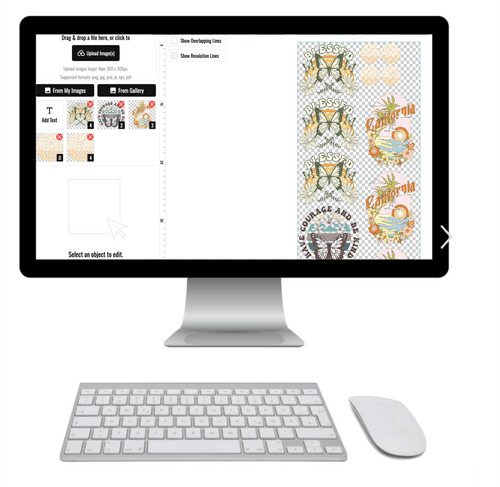
When I'm looking at a mixed order, I don't want to hand-place every logo, sleeve print, neck label, and back hit unless I absolutely need to. Manual gang building eats time, and it usually wastes film unless someone is paying obsessive attention.

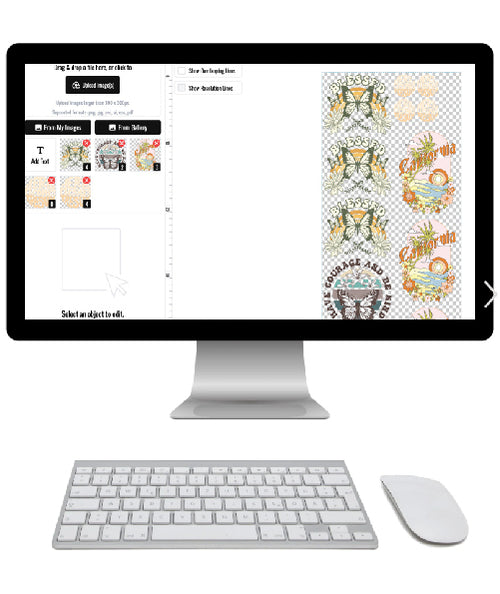
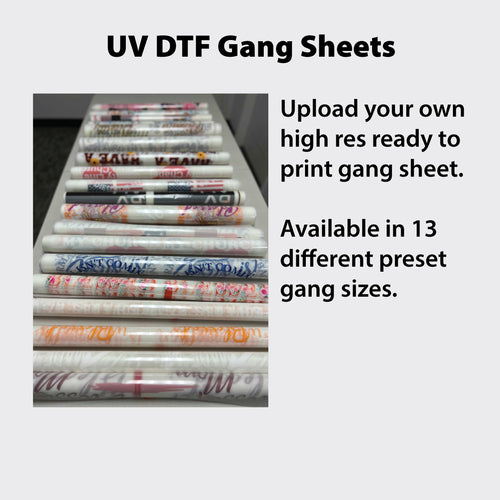
That's why the Auto-build gang sheet builder matters. According to Lion DTF's overview of the Auto Builder feature, it automatically arranges multiple designs on a single sheet to maximize spacing efficiency, reduce material film usage, and cut overall production costs by eliminating manual layout adjustments. That's the practical value. Less dragging boxes around. Less dead space. Fewer layout mistakes.
How to use the builder without overthinking it
The smart approach is to gather all artwork for the batch before you upload anything. That means front graphics, chest logos, tags, hats if applicable, and any duplicate pieces you know you'll need later. Then choose the sheet size based on the job, not based on guesswork.
The workflow is straightforward:
- Upload all print-ready files: Drag in the assets you've already cleaned and sized.
- Select the sheet format: Pick the size that matches the volume and dimensions of the job.
- Turn on Auto Builder: Let the software place the artwork efficiently.
- Review the layout: Check orientation, scale, spacing, and duplicates before approval.
- Place the order: Once the arrangement looks right, send it through.
For anyone who wants a closer look before ordering, this page on the DTF gang sheet builder workflow shows how the setup is meant to work.
Where gang sheets save money in real jobs
Gang sheets work because most shops and creators don't order one perfect graphic in isolation. They order systems. A youth sports order may include player names, team logos, and coach shirts. A merch brand may need one hero design plus supporting placements. A print shop may combine multiple customer jobs onto one sheet when timing lines up.
That's a key advantage of a gang sheet. You're treating the film like production space, not like single-art inventory. The more intelligently you fill it, the less unused area you pay for.
Here's the short version:
- For apparel brands: Put full front, left chest, and sleeve graphics on one build.
- For event merch: Combine multiple sponsor logos and event marks into one order.
- For decorators: Batch several small client jobs together if the timing works.
- For hobby sellers: Test several designs at once instead of ordering one by one.
Later in the process, it helps to see the builder in action:
What works and what wastes film
The biggest mistake is sending oversized art “just in case” and hoping to resize later. That often creates awkward empty zones and throws off placement logic. Another common issue is uploading too many nearly identical files without clear naming. Then the review step becomes slower than the layout itself.
A better method is to standardize your naming before upload. Use clear labels for left chest, back print, sleeve, or tag. Keep dimensions intentional. If you need repeated designs, duplicate them deliberately instead of assuming the builder will read your mind.
A gang sheet should feel like packing a production table, not stuffing a junk drawer. Every image needs a reason to be there.
Understanding California DTF Pricing and Turnaround
Pricing gets simpler when you stop thinking only in “per print” terms and start thinking in usable area. DTF California orders often make more financial sense when built around gang sheets, because you're buying film space efficiently instead of treating every graphic like a separate setup.
One hard number helps frame that decision. Lion DTF Transfers offers pricing as low as $0.017 per square inch, with 24-hour printing speed, shipping in 1 to 2 business days, plus next-day air and same-day pickup options, according to this published turnaround and pricing summary. For California buyers, that local flexibility matters as much as the print cost.
How to think about turnaround in California
If your deadline is soft, standard shipping may be enough. If you're pressing for a weekend market, school event, or corporate activation, local pickup or faster shipping can keep the job alive. California geography is big enough that “in state” doesn't always mean “fast enough,” so build your schedule around the actual fulfillment method.
A few practical rules help:
- Use same-day pickup when the press schedule is already locked and you don't want transit risk.
- Use next-day air when the order is urgent but pickup isn't realistic.
- Use standard shipping for replenishment work or jobs with room in the calendar.
What cost-effective actually means
Cheap isn't the same as efficient. A lower transfer price loses its value if your file prep is sloppy, your sheet has wasted space, or your order misses the event date. The strongest buying decision balances three things: sheet usage, production speed, and whether the logistics fit your deadline.
That's why hyper-local planning matters in DTF California work. If you can pick up locally, you may cut waiting time and reduce some of the uncertainty that comes with shipping windows. If the order is small, no minimums change the math because you don't need to inflate volume just to get started.
Perfect Pressing and Long-Term Care for Transfers
A good transfer can still fail in the press. That's where a lot of shops and home users get burned. They order quality output, then rush the garment, guess at pressure, peel wrong, or skip the final press and blame the film.

For this transfer type, the pressing instruction is specific. Lion DTF's premium hot-peel DTF transfers are tested to last for 100+ washes, and application requires 240°F-280°F with medium pressure for 10 seconds, followed by a instant hot peel, according to their DTF gang sheet product details. If you want a reference for shop use or customer training, this guide on how to press DTF transfers is useful to keep bookmarked.
Pressing details that separate clean work from callbacks
Start with the garment, not the transfer. Pre-press the shirt briefly to remove moisture and flatten wrinkles. Then place the transfer carefully. Crooked positioning is still the fastest way to ruin a good order.
After placement, the key is consistency:
- Use the stated temperature: Don't substitute your usual setting from another transfer type.
- Keep pressure medium and even: Too light can affect adhesion. Too aggressive can create other issues depending on the garment.
- Respect the hot peel: Don't wait around if the transfer is built for hot peel.
- Add a second press if you want a softer finish: That extra finishing pass often improves the hand feel.
The press doesn't reward improvisation. It rewards repeatability.
Small California shop realities
Regional conditions matter once you're on the production floor. Shops near the coast often deal with moisture differently than shops further inland. Garments stored in a cool room in the morning can press differently than garments pulled from a warm afternoon stock area. You don't need to overcomplicate it, but you do need to pay attention.
What usually works is a consistent routine: same pre-press habit, same loading method, same peel timing, same finishing pass. The minute operators start adjusting randomly from shirt to shirt, quality gets uneven.
Care instructions worth passing to customers
If you sell finished garments, aftercare is part of the product. Good prints last longer when the customer washes them properly. That doesn't need a speech. It just needs clear instructions.
Use a short care handoff like this:
- Wash inside out: That protects the print surface during normal agitation.
- Use cold water when possible: Gentler wash conditions help preserve appearance.
- Skip bleach: Harsh chemicals aren't your friend.
- Tumble dry low or air dry: Lower heat is easier on decorated garments.
- Wait before the first wash: Don't rush a freshly pressed item straight into laundry.
If a print ever lifts early, I look at application before I question the transfer. In most cases, the failure started with heat, pressure, peel timing, or garment prep.
DTF Strategies for California Creators and Businesses
DTF California isn't one market. It's several markets stacked together. The person running a side hustle from a spare room has different needs than the apparel brand testing retail drops, and both operate differently from a print shop balancing customer jobs all week.
The right strategy depends on what you're trying to protect. Cash flow. Speed. Capacity. Margin. Repeatability.
Different users need different setups
| Creator Type | Primary Goal | Recommended Strategy |
|---|---|---|
| Hobby seller or Etsy maker | Keep inventory light | Build small gang sheets with multiple designs so you can test demand without overcommitting |
| Growing apparel brand | Launch fast and reorder cleanly | Use DTF for prototypes, short-run drops, and design variations across multiple garment styles |
| Established print shop | Expand service range without adding equipment load | Outsource transfer production, keep pressing in-house, and use gang sheets to consolidate jobs |
What small sellers should do
Small sellers usually lose money by ordering too narrowly. If you only buy one design at a time, you slow yourself down and reduce flexibility. A better move is to group your likely sellers into one gang sheet, then press as orders come in.
That approach works well for California markets, vendor events, and online shops that test seasonal ideas. You stay lighter on finished inventory while keeping enough transfer stock to move quickly.
What brands should do
Brands need speed without overproducing. DTF is useful for sampling, micro drops, event exclusives, and designs that may change after the first release. That matters in California because trends shift quickly and collaborations often run on compressed timelines.
For brand operators, the strongest habit is building artwork systems. Keep print-ready files organized by placement, size, and collection. Then when you need a reorder or a variation, you're not rebuilding assets from scratch.
What print shops should do
Print shops don't always need to own every part of the process. If your presses are busy and your customers want more full-color work, outsourced DTF can be the practical answer. You keep control over garment quality and application while avoiding the extra maintenance and production bottlenecks that come with trying to force every job through one setup.
This is also where the Auto-build gang sheet builder earns its keep. It makes mixed-order batching easier and helps control waste when you're managing many small graphics across different customer jobs.
The smartest California shops don't try to do everything the hard way. They protect turnaround, keep quality stable, and use outside production where it sharpens the workflow.
If you're buying transfers regularly, use a local-option mindset. Ask how fast you can receive the order. Ask whether pickup is realistic for urgent jobs. Ask whether your file prep process is strong enough to avoid rework. Those questions matter more than broad marketing claims.
If you need a California-friendly workflow for custom transfers, gang sheets, or rush fulfillment options, Lion DTF Transfers is one option to compare. The main advantage for many buyers is practical: online gang sheet building, local pickup availability, fast production, and pressing specs that are clearly defined enough to use in a real shop.