



You've got a Boston event on the calendar, a logo ready to print, and less time than the apparel vendor's quoted lead time. Maybe it's a marathon team ordering hoodies, a Somerville startup launching its first collection, or a downtown conference that suddenly needs branded gear. The question isn't what DTF printing is. It's whether DTF Boston is the right production method for your fabric, quantity, deadline, and fulfillment plan.
Boston buyers have plenty of options, from screen printers and embroidery shops to regional transfer suppliers. The practical advantage comes from choosing the method and provider that fit the job, then verifying that “fast” means same day shipping options or delivery address.
What DTF Printing Actually Is and Why Boston Businesses Choose It
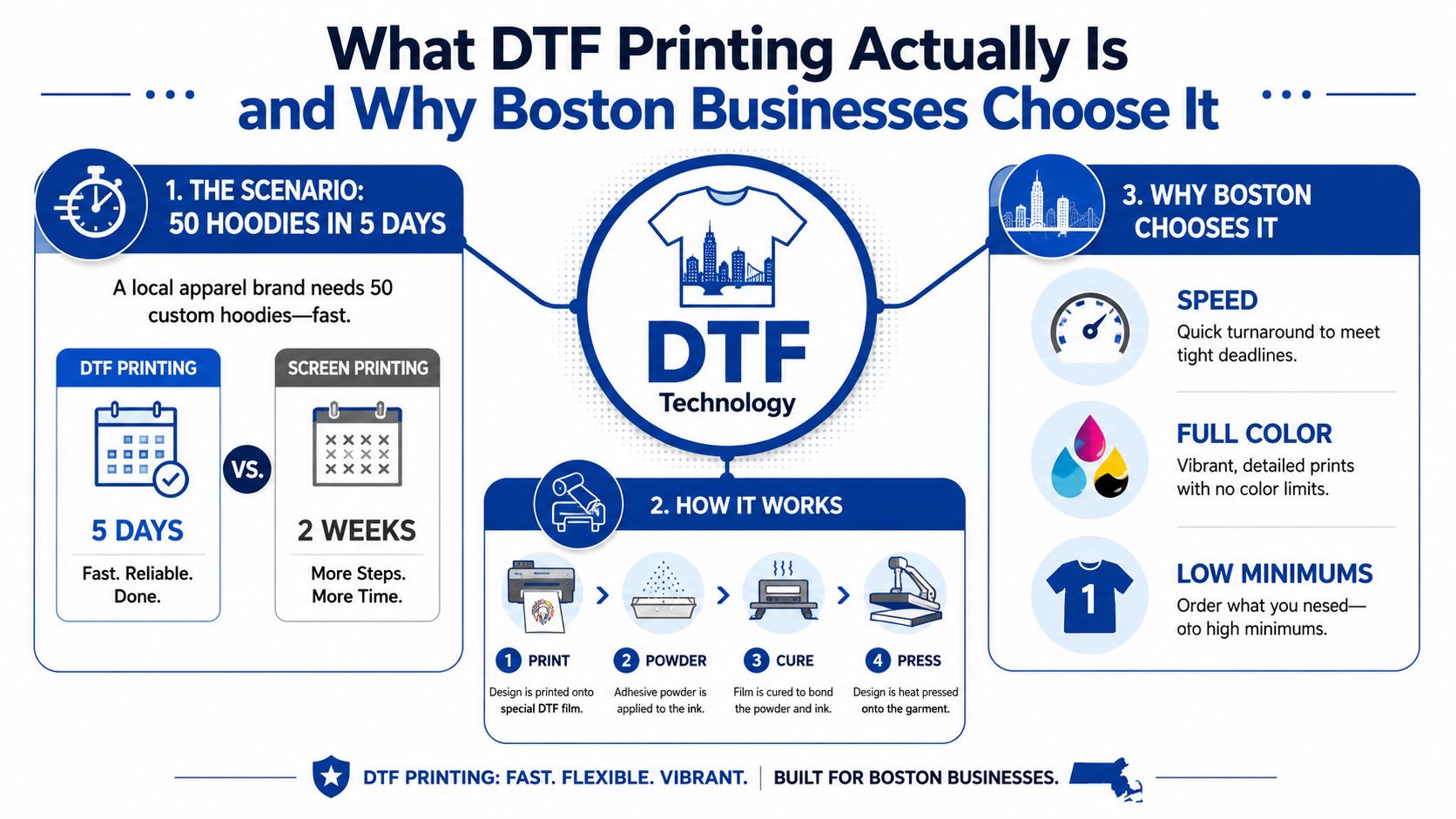
A Boston marathon team needs 50 custom hoodies in 5 days, while a screen-printing quote comes back at 2 weeks. The artwork includes several colors, the hoodies are a cotton blend, and nobody wants to pay for a large setup before knowing whether the design will sell. That's the kind of order where DTF deserves serious consideration.
Direct-to-Film, or DTF, prints a design onto PET film using water-based inks. The wet print receives hot-melt adhesive powder, the powder is cured, and the finished transfer is applied to fabric with heat and pressure. The workflow is commonly summarized as print, powder, cure, and press. A plain-language overview is available in this guide to what DTF printing is.
Why the process fits local demand
DTF works well for small and medium orders, detailed artwork, and garments made from cotton, polyester, and blends. It also handles full-color graphics without the screen-by-screen setup associated with traditional screen printing. That makes it useful for Boston-area startups, schools, event organizers, sports groups, and print shops serving customers with changing designs.
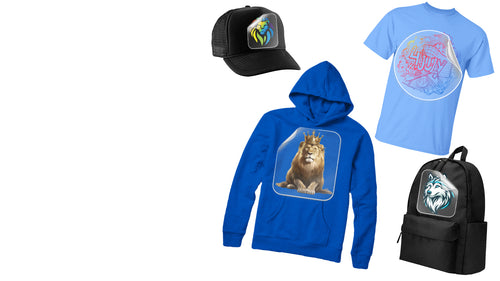
The transfer is produced separately from the garment, which also gives a shop more flexibility. A business can order transfers first, keep blanks on hand, and press apparel as orders arrive. That model is useful for limited collections and event merchandise where unsold inventory creates risk.
DTF compared with DTG
DTG prints directly onto the garment, so it can produce a soft, integrated print on suitable textiles. DTF separates printing from garment application, which usually makes it more flexible across fabric types and easier to use for prepared transfers, contract pressing, or mixed apparel orders.
DTG still makes sense when a shop has the right garment, wants direct printing, and values the feel of ink integrated into the fabric. DTF is often the more practical option when the order includes performance wear, poly blends, dark garments, or a deadline that leaves little room for setup.
When DTF Beats Screen Printing and Embroidery for Boston Orders
For a Boston buyer, the question is whether DTF fits the fabric, quantity, deadline, and fulfillment plan. A Somerville startup with several shirt colors and a short launch run needs a different method from a large cotton-shirt order or a premium corporate uniform.
| Print Method | Best For | Turnaround | Min Order | Fabric Compatibility |
|---|---|---|---|---|
| DTF | Short runs, full-color art, mixed fabrics, rush apparel | Often suited to urgent production, verify the provider's cutoff | Often low or none | Cotton, polyester, blends, and performance garments |
| Screen printing | Larger repeat orders with simpler spot-color artwork | Setup and scheduling can make it less suitable for urgent small runs | Often more economical as quantity rises | Strong fit for cotton and compatible textiles |
| Embroidery | Polos, hats, jackets, and premium branded workwear | Depends on digitizing, scheduling, and stitch complexity | Usually better for repeat logo programs | Works well on structured apparel and suitable garments |
| DTG | Direct garment printing on compatible apparel | Useful for detailed single-garment work | Often low | Best results depend on garment composition and pretreatment |
For a short run under 50 pieces, DTF usually offers the most practical flexibility, particularly when each item needs full-color artwork or the order combines garment colors and fabrics. A South Shore youth sports team may need names and numbers on polyester uniforms, while a downtown event company may need branded shirts, tanks, and hoodies together. DTF accommodates that variety without requiring one simple design across the order.
Rush work still depends on the provider's cutoff and production schedule. A shop may accept a quick order but lack the capacity to press, pack, or release it on time, so confirm the complete fulfillment plan before choosing DTF for an event deadline.
Screen printing remains a strong choice for a large order of 100 or more cotton garments. Consistent artwork and repeat production can spread setup across more pieces, improving its value. It also suits limited-color designs when the schedule allows time for screen preparation and production.
Embroidery fits polos, hats, jackets, and restrained corporate branding. Its raised, stitched finish gives the garment a visual treatment DTF cannot reproduce. DTF is better for photographic or highly detailed artwork and lightweight performance garments.
Practical rule: Choose DTF for flexibility and speed, screen printing for efficient repeat production, and embroidery when the garment needs a premium stitched treatment.
For buyers comparing transfer formats, this comparison of screen-print transfers and DTF workflows explains why a transfer-based process helps when garment quantities and designs change.
How to Evaluate Boston DTF Providers for Quality and Reliability
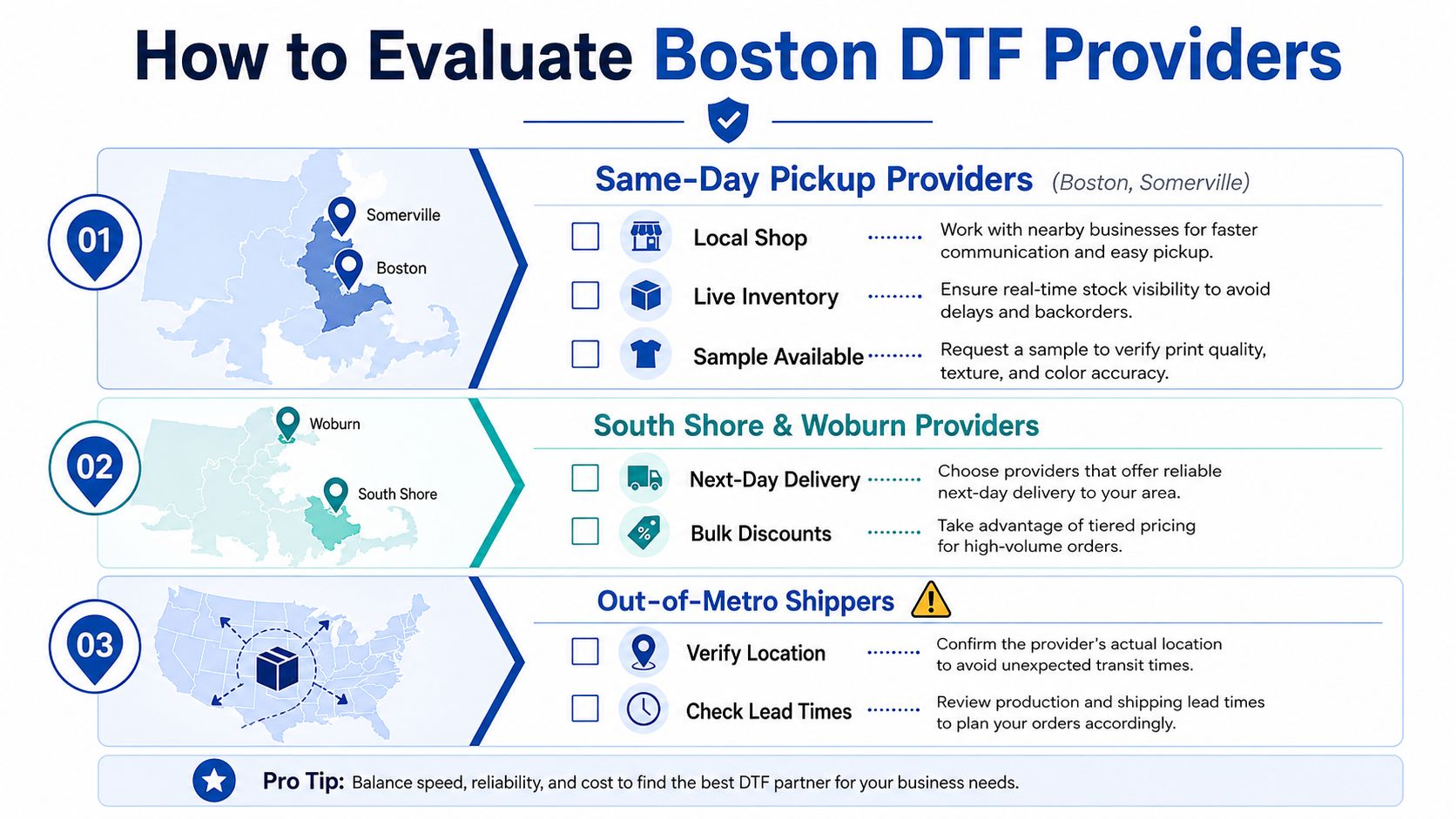
The Boston-area DTF market isn't centered in one neighborhood. Providers operate across Boston, Somerville, the South Shore, Woburn, South Easton, and other surrounding locations. Some offer pickup, some ship from outside the city, and some promote same-day or next-day options. Physical proximity alone doesn't prove that a transfer is ready when you need it.
Start by separating production time from delivery time. Ask when the clock starts, whether it begins after file approval, and what cutoff applies to rush work. A provider that prints quickly but ships later may be slower for a Boston customer than a regional shop offering dependable pickup.
Questions that reveal process quality
Ask whether the transfer is hot peel or cold peel, because the film removal method affects pressing and production flow. Request the provider's color-matching approach, especially if the job includes a recognizable brand color. Find out whether artwork support includes transparent-background checks, sizing, vectorization, and gang sheet layout.
A dependable provider should also explain how it handles a rush order. “Fast shipping” isn't the same as guaranteed delivery, and “same day” may refer only to orders placed before a cutoff. Get the promised completion time, pickup location, shipping method, and contingency plan in writing.
Red flags worth taking seriously
- No physical samples: A provider that can't show real transfers or pressed garments makes quality difficult to judge.
- Vague lead times: “Quick turnaround” without a production cutoff or dispatch window isn't a service level.
- No care guidance: Durability depends on application and laundering, so a provider should explain both.
- Slow replies: If support takes too long to answer a pre-order question, a production problem may be harder to resolve.
- Unverified testimonials: Look for reviews that discuss print quality, communication, pickup, and delivery, not only general satisfaction.
A good Boston DTF buyer checks the provider's address, asks where the work is produced, confirms the logistics route, and orders a sample when the project is important. For a rush event, a responsive phone, text, email, or chat channel can matter as much as the printer itself.
Step-by-Step Guide to Ordering DTF Transfers in Boston
A smooth order starts before you request a quote. Poor file preparation creates avoidable proofing conversations, sizing corrections, and production delays.
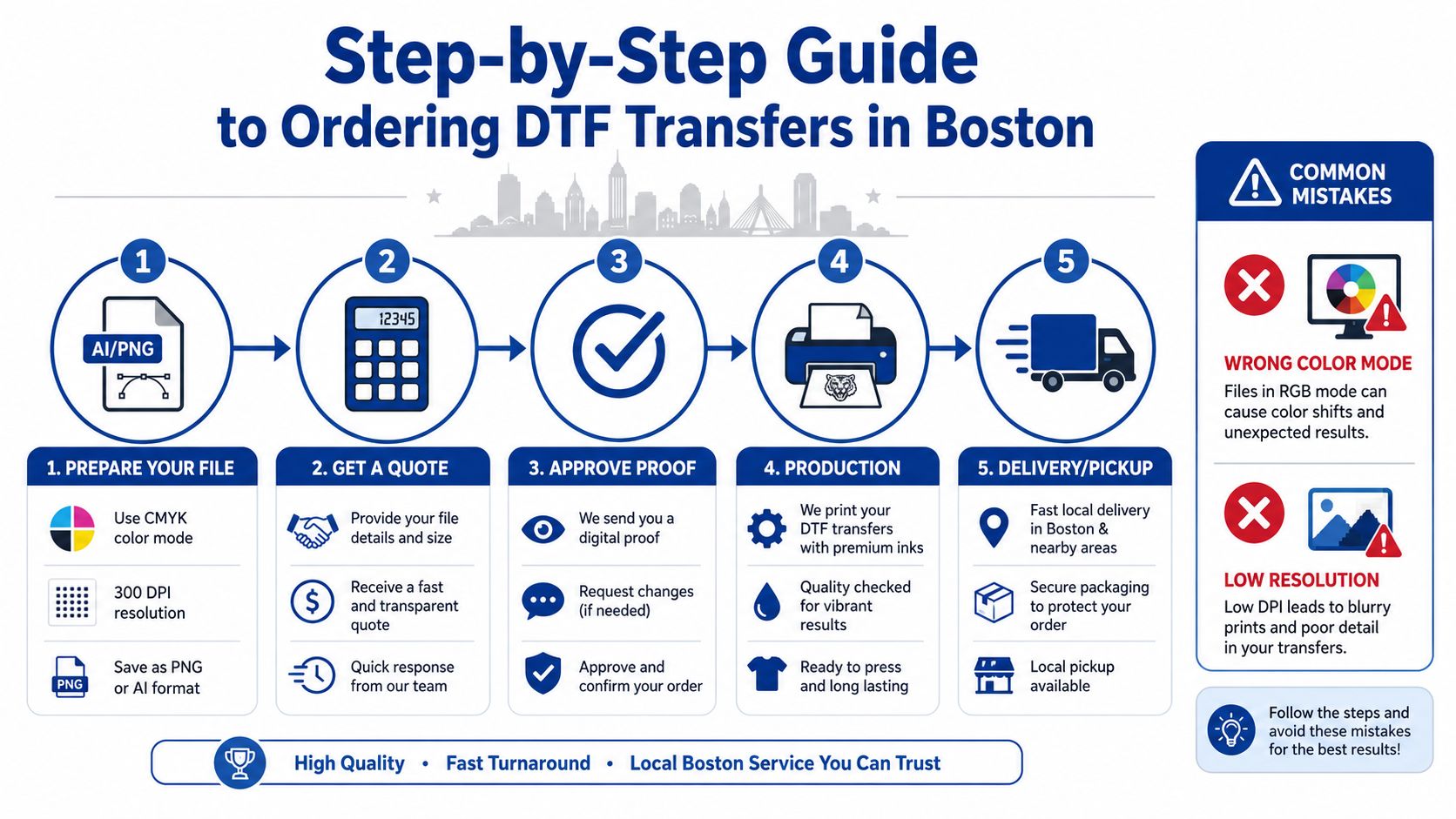
1. Prepare the artwork
Use a vector file such as AI, EPS, or SVG when available. A transparent PNG or PSD can work when it's high resolution, with 300 DPI commonly used for print-ready raster artwork. Confirm the final physical size, remove unwanted background pixels, and check small text at the size it will be pressed.
Color mode and transparency deserve attention. A file that looks correct on a monitor may need adjustment when printed, especially for brand-critical colors or dark garments.
2. Choose the pricing format
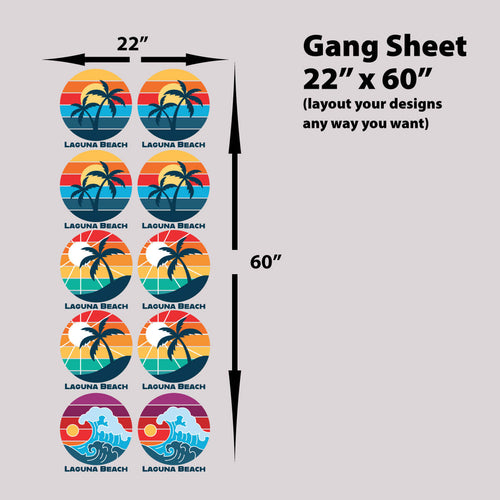
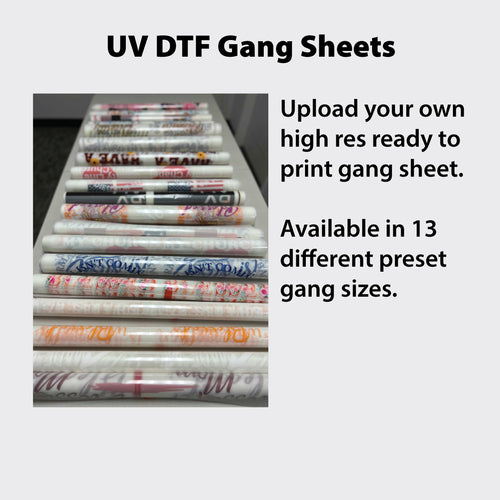
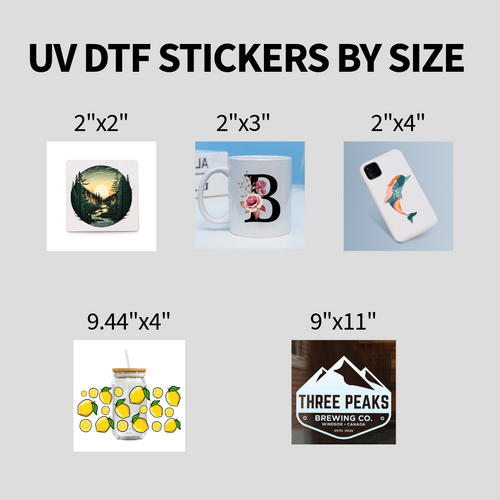
You can order a design by its individual dimensions, or combine several designs onto a gang sheet. Individual sizing is straightforward for one repeated logo. A gang sheet is more efficient when a school, team, or brand needs different artwork in the same production batch.
3. Review the proof
Check spelling, orientation, dimensions, transparent areas, and the intended garment color. Request a color proof or sample transfer for a new brand identity, unusual fabric, or highly specific color requirement.
4. Confirm production and logistics
Ask whether the order is for local pickup, shipping, or a regional delivery route. Confirm the production window after proof approval, the carrier or service level, and the latest cutoff for a rush request. Build some buffer into the plan because a transfer arriving on the event morning leaves no room for a pressing mistake.
5. Test before the full run
For a new design or unfamiliar blank, press a test piece first. Check adhesion, stretch, edge lift, and appearance after laundering before committing every garment. This small quality-control step is particularly useful for polyester uniforms and performance fabrics.
Maximizing Value with Gang Sheet Optimization
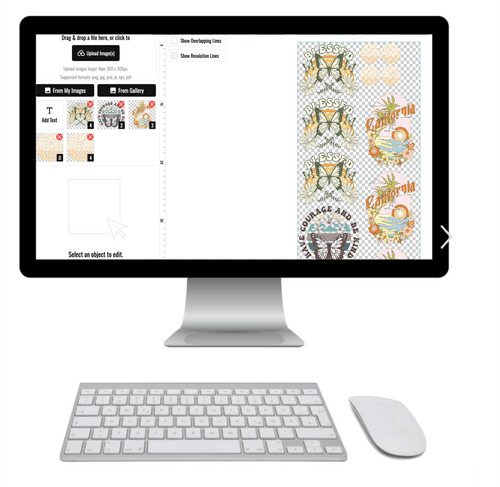
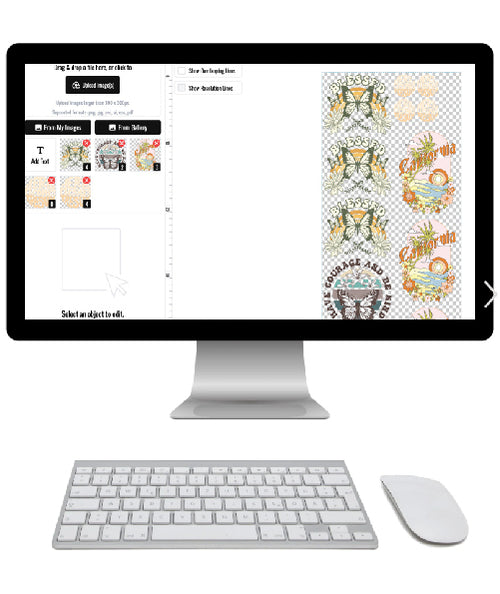
A gang sheet lets you place multiple designs together on one sheet and pay for the linear space used, rather than treating every design as a completely separate production job. One public gang sheet builder describes real-time pricing at 7 €/m + VAT and allows users to upload several designs, arrange them by dragging, and pay for the space they use, as documented by this DTF gang sheet builder.
The principle is simple. A clothing brand launching five graphics can combine them into one layout. A school can place club logos, team marks, and spirit-wear designs together. A promotional company can group artwork for several clients, provided the files, ownership, and fulfillment requirements are clearly separated.
Arrange for press-ready efficiency
Start by grouping designs with similar finished dimensions. Place the largest artwork first, then fit smaller marks into the remaining gaps. Rotating a design can reduce unused space, but leave enough separation for clean cutting and handling.
Avoid building a sheet that looks efficient on screen but creates problems at the press. Designs that are too close together may be difficult to trim, peel, or position. Keep artwork organized with clear labels when several teams, clients, or garment placements share one sheet.
Use the Auto-build gang sheet builder
Our Auto-build gang sheet builder is designed for ease of use and cost effectiveness. Upload the artwork, let the tool arrange the designs, review the layout, and make manual adjustments when a particular placement or future reorder matters.
That future reorder deserves attention. If a brand expects to sell one design repeatedly, keep its dimensions consistent and record the layout. If a school may add another sport later, avoid filling every available space with one-off artwork that can't be reused.
Production insight: The cheapest layout is not always the one with the tightest spacing. A layout that trims cleanly and presses quickly can save more time than it costs in unused film.
Review the final sheet at actual size before approving it. Confirm that every design has the correct orientation, transparent background, and intended dimensions. For a deeper explanation of layout planning, see this guide to DTF gang sheets.
Real Boston Applications for DTF Transfers
Allston and Dorchester streetwear sellers often need variety more than volume. A limited collection can include several graphics, garment colors, and placements without forcing the owner to stock a large quantity of every combination. DTF makes that model practical because transfers can be prepared separately and applied as demand develops.
A youth sports organization on the South Shore may have a more complicated apparel list. One order can include polyester uniforms, player names, numbers, coach apparel, and spirit wear. The useful feature isn't just full-color printing. It's the ability to handle different placements and garment types without turning every variation into a separate screen setup.
Where the workflow fits
- Marathon teams: A 25-piece hoodie order with a 3-day turnaround is a natural short-run application when the artwork needs color and the schedule is tight.
- Summer festivals: A 100-piece mixed order of T-shirts and tanks can benefit from a coordinated transfer workflow when the garments use different fabrics or cuts.
- Breweries: Custom patches and transfers can support a merchandise line with changing seasonal artwork and smaller replenishment runs.
- Schools and universities: Clubs, departments, and fundraisers can order separate designs without carrying a large inventory of finished garments.
- Print shops: A shop that already offers embroidery or garment finishing can add DTF transfers without purchasing a complete screen-printing production line.
Downtown corporate event companies also use the process for conference merchandise, trade-show apparel, and branded staff garments. Their deadlines can shift quickly, and the ability to press different blanks from a prepared transfer order gives the production team more control.
Boston's maker community benefits from the same flexibility. A small brand can test a design, a brewery can refresh its artwork, and a school can fulfill several groups under one workflow. The method doesn't remove the need for good files, careful pressing, or dependable logistics. It gives smaller operators a way to produce professional-looking apparel without committing every decision far in advance.
Getting Maximum Durability from Your DTF Transfers
High-quality DTF transfers can typically withstand 100 wash cycles when applied and cared for correctly, according to documented DTF wash-test results. A separate durability guide also describes the commonly documented in the 100 wash range, with some tests reporting more than 100 washes without major cracking, peeling, or fading, as outlined in this DTF durability guide.
Application settings still matter. A 2025 thesis found that pressing at 240-270°F for 10 seconds minimized color change, reduced black-density loss, and limited white-layer contamination across TPU-based DTF materials. Longer pressing isn't automatically better, and the correct setting can vary by transfer, fabric, press, and adhesive system.
Care instructions for customers
- Wait before washing: Allow the pressed garment to rest for at least 24 hours before its first wash. Some care guidance recommends waiting longer, so follow the supplier's stated cure window.
- Wash inside out: Use cold water, a gentle cycle, and mild detergent. These recommendations are summarized in this DTF transfer care guide.
- Skip harsh chemicals: Avoid bleach and fabric softeners, which can affect the print and garment fibers.
- Control drying heat: Air drying is the safest routine. If using a dryer, choose low heat rather than a high-temperature cycle.
- Inspect the press result: Cracking can follow excessive heat or poor washing, while peeling edges often point to inadequate pressure or incompatible settings.
For Boston businesses, putting these instructions on an order card or product page reduces confusion after delivery. Customers often blame the print for damage caused by bleach, high heat, or an early wash. Clear care information protects the garment, the buyer's expectations, and the seller's reputation.
The city's own public-safety history shows why reliable systems matter. Boston adopted a formal fire ordinance in 1631, founded a paid fire department in 1678, and became the first fire department in the world to use telegraph technology for emergency alerts in 1851. The first fire alarm was transmitted on April 29, 1852, according to the Boston Fire Department history. DTF production is a much smaller operational problem, but the lesson is familiar: clear procedures outperform last-minute improvisation.
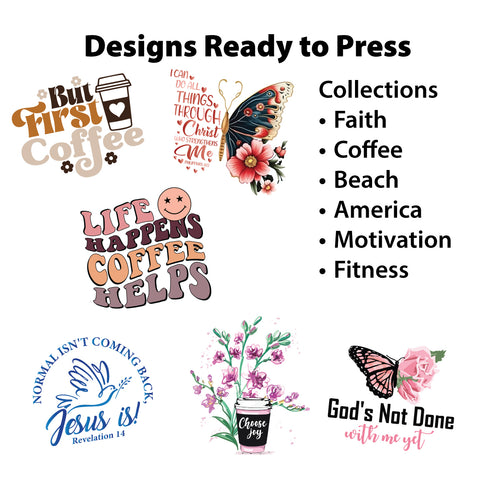
Lion DTF Transfers offers custom DTF transfers by size, ready-to-press designs, gang sheets, file support, and shipping options from Boston-area orders. Visit Lion DTF Transfers to upload your artwork, use the Auto-build gang sheet builder, and choose a production and delivery option that matches your deadline.