



A Bakersfield screen-print shop has three days to finish 60 branded shirts for an oilfield service company. The presses are already committed to another run, the customer expects workwear that can handle dust, sweat, and repeated washing, and buying new equipment won't solve this deadline. The practical choice is to outsource ready-to-press DTF transfers locally, press them in-house, and protect the job, or turn down the order because production capacity ran out.
That's where DTF Bakersfield becomes an operational decision instead of a simple product search. The right supplier can reduce waiting, support cotton and synthetic work shirts, and let a small shop take on short runs without adding a printer, powder unit, or curing equipment. The wrong supplier can create problems with weak adhesion, unclear pricing, poor artwork, or a pickup promise that doesn't match the actual production schedule.
This guide focuses on the decisions that matter before you order: what DTF does, how Bakersfield's climate affects handling and durability, how local pickup compares with shipping, and how an auto-build gang sheet builder changes the cost math. If you're comparing vendors, the practical questions in this guide to custom DTF transfers near you can help you evaluate local options before sending artwork.
When a Local Shop Needs DTF Fast
By Tuesday morning, a Bakersfield shop has a customer waiting on 60 shirts and only three days left. The oilfield service company needs a clean logo, readable lettering, and workwear decoration that can withstand dust, sweat, and repeated washing. The deadline leaves little room for a method that requires an open production slot.
Screen printing remains a sound choice for a planned, repeatable run with enough setup time. Here, the screens and press are already committed. Outsourcing finished DTF transfers lets the shop keep pressing in-house, avoid buying additional equipment, and retain control over garment selection and final inspection.
The deadline changes the best method
DTF functions as a capacity valve. It does not replace screen printing on every order, and the lower unit cost depends on quantity, artwork, and how efficiently the transfers are arranged. Its practical advantage is flexibility: detailed designs, mixed garment materials, and short production windows can fit around an occupied press schedule.
The climate also affects the work after pickup. In Bakersfield heat, keep the transfers flat, dry, and out of direct sun until pressing. Do not leave a packed order in a hot vehicle longer than necessary. Once applied, durability still depends on the garment, adhesive bond, press settings, and care instructions. Workwear that sees frequent washing deserves a test press before the full batch.
Practical rule: Separate the completion promise from the pickup appointment. Artwork submission starts the order, not the collection window. Ask for confirmation that production is complete and the transfers are packed before sending someone across town.
Why a local transfer order can save the job
The shop still must inspect the artwork, confirm garment compatibility, and press each transfer correctly. DTF removes the transfer-production bottleneck, not the quality-control work. That can be enough to accept the order when a reliable heat press is available but the screen-printing line is full.
Local providers also market DTF for custom shirts and wholesale orders. One Bakersfield provider describes printing, powder application, and heat pressing as a local, controlled workflow rather than outsourced fulfillment (custom T-shirt printing in Bakersfield). For a short deadline, that gives the buyer a direct place to resolve artwork, color, defect, and collection questions.
For this oilfield order, the operating plan is clear: approve the logo file, arrange the transfers, schedule pickup around the route, reserve pressing time, and inspect the first garment before completing the batch. DTF keeps a small shop from losing work because its main press is busy. A guide to custom DTF transfers near you can also help compare local ordering options before artwork is submitted.
What DTF Printing Actually Is
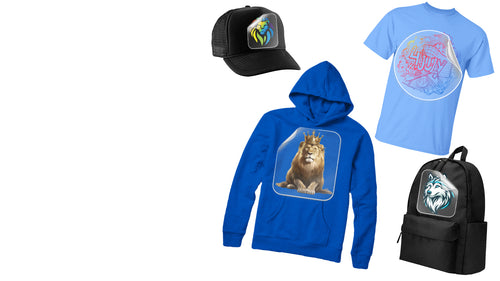
Direct-to-Film, or DTF, is a transfer process that prints the design onto film first and moves it to fabric later. A beginner can see it as a flexible decal, but one designed to bond with a garment under controlled heat and pressure rather than stick as a household label.
The process has three working layers. The printer lays down colored CMYK ink and white ink onto special PET film. A hot-melt adhesive powder is applied to the wet ink, then cured so it bonds to the printed areas. Finally, a heat press melts that adhesive into the garment fibers while the film is peeled away, leaving the image attached to the shirt.

The three stages that control the result
Printing controls the image. The artwork is prepared for film rather than placed directly on the garment. White ink provides the underbase that helps colors remain visible on dark shirts, while the color layers carry the visible detail.
Powder controls adhesion. The powder must cover the wet ink without spreading into clear areas. Too little adhesive can create weak edges or premature lifting. Too much can add unwanted texture and make the transfer feel heavier than necessary.
Pressing controls the bond. The garment, transfer, temperature, pressure, dwell time, and peel method all matter. The film isn't the final decoration. The finished result depends on how the adhesive melts into the fabric and how the film is removed.
DTF differs from screen printing because it doesn't require a separate screen and color separation for each design setup. It also differs from DTG, or Direct-to-Garment, because DTF doesn't use the same direct garment pretreatment workflow and can be used across dark cotton and many poly-blend garments when the transfer and press settings are appropriate. For a deeper method comparison, see this DTF versus DTG printing overview.
Film choice and Bakersfield conditions
Providers may use hot-peel or cold-peel film. Hot-peel film can be removed while the transfer is still warm, while cold-peel film cools before removal. Many Bakersfield providers use cold-peel by default for detailed logos because waiting for the film to cool can support cleaner edge release.
Bakersfield's dry climate can make powder handling easier than it would be in a persistently humid shop, but the heat still requires attention. The National Weather Service describes Bakersfield as having a hot, dry Mediterranean-like climate, with about 6.49 inches of annual precipitation and roughly 90% of rainfall from November through April (National Weather Service climate technical memorandum). Stable storage and controlled pressing conditions matter more than assuming dry air solves every production issue.
Why Bakersfield Buyers Choose DTF
Bakersfield buyers usually choose DTF because one order may combine several garment types, detailed artwork, and a short quantity. A retail tee, a polyester team shirt, and a 65/35 work shirt can create a complicated screen-printing schedule when each color and garment combination requires careful setup. DTF offers a common transfer workflow across those applications, provided the supplier has tested the specific materials.
The climate adds another consideration. Bakersfield workwear can face high heat, dust, sweat, frequent laundering, and extended time inside a hot truck cab. That doesn't mean every DTF transfer will last automatically. Curing, pressing, garment selection, washing, and storage determine whether the decoration performs well.
The trade-offs buyers should weigh
Fabric range: DTF is useful for mixed orders because it can bond to cotton, polyester, tri-blends, and common work-shirt blends without creating a separate screen setup for every fabric category. Always test unusual coatings, water-resistant fabrics, and heavily textured garments before committing to a large order.
Detail and color: Small lettering, gradients, photographic elements, and multicolor logos are often easier to reproduce through a digital transfer workflow than through a low-quantity screen-print setup. The trade-off is that a large, solid transfer can feel more noticeable on the garment than a light water-based ink print.
Run size: Gang-sheet ordering helps short runs because several designs can share the same film area. That makes DTF practical for mixed team names, small business logos, and limited apparel batches. For very large quantities with a simple design, screen printing may still offer a better production fit.
Garment feel: DTF can produce vibrant, crisp graphics, but the adhesive layer remains part of the decoration. Buyers who want the softest possible hand feel should compare a DTF sample with water-based screen printing before choosing a method.
Large solid coverage: DTF isn't the first choice for very large solid prints on heavy canvas tote bags or similarly dense substrates. The added adhesive and coverage can create a heavier finish, and the press must deliver even heat across the full design.
A practical comparison
| Factor | DTF Transfers | Screen Printing | HTV (Vinil) |
|---|---|---|---|
| Best fit | Short runs, detailed art, mixed fabrics | Planned larger runs with repeatable artwork | Small runs, names, numbers, and simple shapes |
| Setup | Film, powder, curing, and heat pressing | Screens, separations, ink, and press setup | Cut or printed vinyl, weeding, and heat pressing |
| Artwork detail | Strong for gradients and small details | Strong, but setup becomes more involved as colors change | Depends on vinyl type and weeding complexity |
| Fabric flexibility | Broad, with testing for specialty materials | Depends on ink and garment combination | Depends on the vinyl and garment surface |
| Hand feel | Can feel slightly heavier | Can range from soft to substantial | Often has a distinct vinyl feel |
| Large solid designs | Use caution on heavy substrates | Often a better fit | Can become bulky or difficult to weed |
For Bakersfield workwear, ask for a physical sample on the actual shirt type. A transfer that looks excellent on a cotton tee isn't automatically proven on a coated, textured, or synthetic uniform.
Pricing, Turnaround, and Pickup in Bakersfield
DTF pricing makes more sense when you separate transfer size, sheet usage, quantity, and service speed. A low starting quote may leave out rush handling, artwork cleanup, packaging, or delivery. Before comparing shops, confirm whether you are paying for a ready-to-press transfer, a gang sheet, or printed film only.
Local pricing varies by supplier and job. Bakersfield service pages describe local turnaround and pickup, but they do not establish one rate that applies to every provider. Use any published quote as a starting point, then request a final price after the artwork dimensions and sheet layout are reviewed.
What affects the invoice
Printable film is usually the main cost driver. One oversized logo can use more sheet area than several compact logos arranged efficiently. Gang-sheet pricing may lower the per-design cost because multiple designs share one sheet instead of being produced separately.
Ask these questions before checkout:
- What is included: Confirm whether film, adhesive, artwork checking, packaging, and pickup are included.
- Rush handling: Ask whether an urgent order adds a rush fee and identify the daily production cutoff.
- Minimums: Some shops set minimum order requirements for custom work or special sizes.
- Defect policy: Find out whether a misprint or failed transfer is replaced, credited, or treated as a pressing issue.
- Pickup timing: Confirm how the ready notice is sent and verify the pickup address before dispatching someone across town.
An artwork approval cutoff can matter as much as the advertised production time. A file submitted late, or held for a size correction, may move into the next production window. Approve the proof promptly and ask when rush charges begin. For a pressing appointment, collect the transfers early enough to inspect the print and resolve a defect before the garments reach the press.
Turnaround is a schedule, not a slogan
Pickup can reduce the uncertainty of a delivery window, especially when transfers are headed to a local pressing job. Shipping may suit buyers outside central Bakersfield, but transfers still need protection from uncontrolled heat during transit and storage. Ask whether the quoted completion time starts after payment, artwork approval, or both.
Bakersfield's heat also affects how you handle completed orders. The cited cooperative record documents 15.25 inches of precipitation for the area (Bakersfield precipitation and climate normals). Regardless of the season, moisture and heat control matter in the print room and after pickup. A transfer left in a hot vehicle, garage, or unconditioned stockroom can soften the adhesive before it reaches the heat press.
Storage rule: Collect a time-sensitive order promptly, then keep it in a cool, dry, controlled space until pressing.
Preparing Files and Building Your Gang Sheet
Good DTF results start before the printer receives the file. Prepare artwork at the final intended size, use a transparent PNG at 300 DPI, and confirm the color mode and placement before uploading. A left-chest logo may be sized differently from a full-front design, so don't rely on a supplier to guess the intended garment position.
Low-resolution JPEGs, flattened images pulled from social media, and files with unwanted backgrounds create problems that DTF can't repair. Layered PSD files may also require extra artwork handling if the provider's upload system expects a finished transparent file. If the design includes small text, inspect it at the final size rather than judging only from a large monitor preview.

Build the sheet around the press job
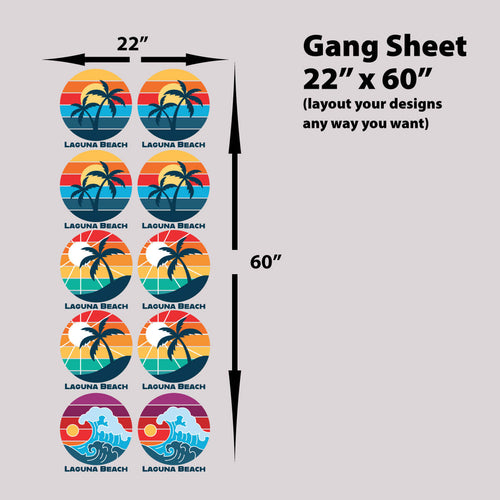
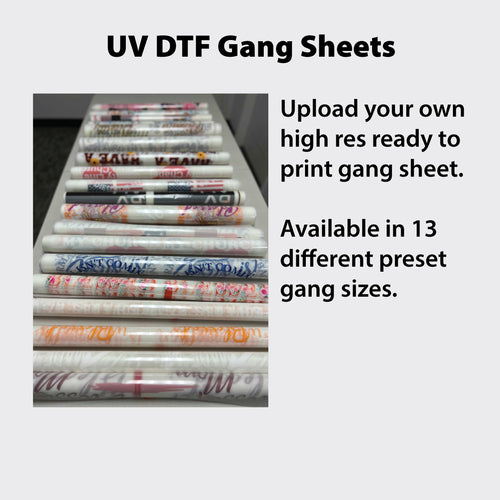
A gang sheet places multiple designs side by side on one transfer sheet. The objective isn't to fill every visible gap blindly. It's to use the available film efficiently while leaving enough room to cut, handle, and press each design without accidental overlap.
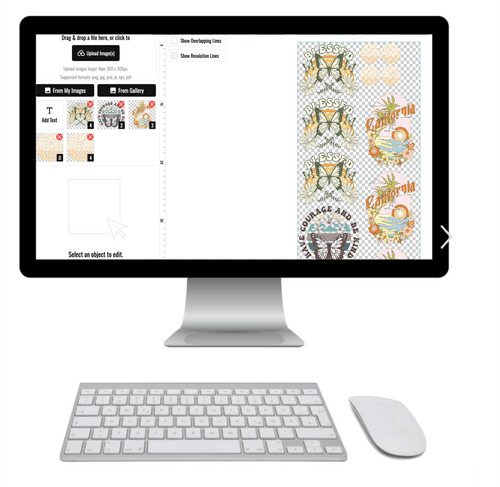
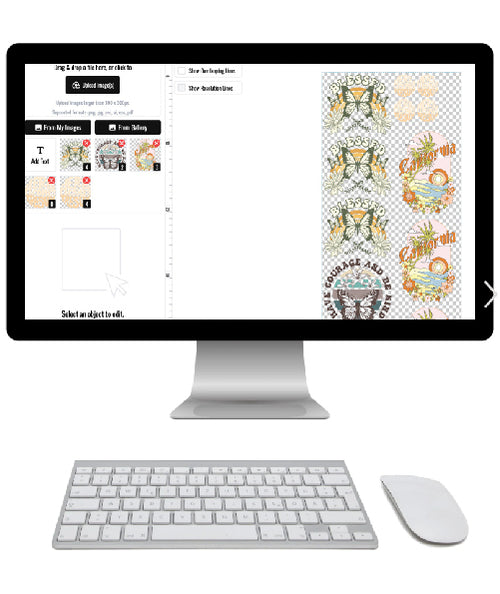
Our auto-build gang sheet builder handles that layout step automatically. Upload the artwork, let the builder arrange the designs into an efficient pattern, review the coverage, and adjust any placement that doesn't match the pressing plan. A browser-based builder generally supports uploading, dragging, resizing, rotating, and positioning designs, with the on-screen layout matching what prints (DTF gang sheet builder workflow).
Typical production constraints include a 22-inch film width, transparent PNG artwork, and spacing of about 0.125 to 0.25 inches between designs (DTF transfer production specifications). Those settings help prevent overlap and preserve usable cutting space.
The builder is also where the cost math changes. Gang sheets are commonly priced by sheet dimensions rather than by the number of designs, so placing more artwork on the same sheet can lower the effective per-transfer cost (DTF gang sheet optimization guidance). The auto-build tool reduces the guesswork that often leads to wasted film, awkward gaps, or an unnecessary second sheet.
After the layout is complete, review the proof before checkout:
- Confirm dimensions: Check each design against the intended garment placement.
- Inspect transparency: Look for hidden backgrounds, halos, or stray pixels.
- Review white areas: Make sure white ink is intentional, especially inside logos and small lettering.
- Check spacing: Leave room to cut and handle each transfer.
- Match quantity to the press plan: Count designs, garment sizes, and any duplicates before submitting.
Once the sheet is approved, keep the layout record with the order. It makes reordering and garment-by-garment pressing much easier.
Here's a visual example of how the ordering and layout process can fit into a digital workflow:
For more detail on arranging multiple designs efficiently, review this DTF gang sheet ordering guide.
Questions to Ask Any Local DTF Provider
A professional-looking website doesn't tell you enough about production quality. Call the provider and ask questions that expose how they handle film, powder, white ink, pressing, and failed transfers. The answers should be specific enough for you to understand what will happen to your order after upload.

Questions that reveal production quality
Ask about the materials. What film and hot-melt adhesive powder does the shop use? Does it support hot-peel, cold-peel, or both? The answer won't guarantee a good transfer, but it tells you whether the provider understands how the materials affect release and adhesion.
Ask about the white underbase. Dark garments need controlled white ink beneath the color image. Ask how the shop checks white-ink coverage and whether it has samples on black, navy, and colored work shirts.
Ask about fabrics they've tested. Be specific. Mention cotton, polyester, tri-blends, and 50/50 work shirts, then ask whether the provider has pressed those materials before. A supplier that can discuss garment heat sensitivity and surface texture is easier to trust than one that only says the transfer works on “anything.”
Ask for a sample. For a larger apparel job, request a physical swatch or order a small sample sheet. Wash and press-test it on the actual garment before committing to the full run.
Questions about service and responsibility
Turnaround needs a real cutoff time, not just a phrase like “fast service.” Ask whether same-day production is available, what time artwork must be approved, how delays are communicated, and whether pickup is available at a Bakersfield location.
Also clarify file review. Does the shop check resolution, transparency, sizing, and white-ink areas before printing, or does it print exactly what gets uploaded? Confirm gang-sheet pricing, minimum orders, shipping options, and the process for reporting a defective transfer.
Before paying: Get the approved artwork, transfer dimensions, quantity, completion time, pickup or shipping method, and defect policy in writing.
A provider should also explain what happens if a transfer fails during pressing. Some failures come from the transfer itself, while others come from incorrect temperature, pressure, dwell time, garment moisture, or peeling technique. You need to know which conditions the shop guarantees and which pressing conditions remain your responsibility.
Ready to Order and What Comes Next
A successful Bakersfield DTF order begins with four decisions. Prepare artwork at the correct final size, arrange the designs efficiently on a gang sheet, confirm the provider's actual production schedule, and choose pickup or shipping based on how tightly the apparel deadline is managed.
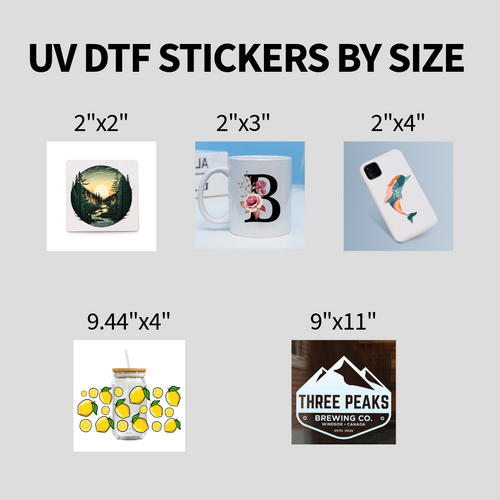
For local buyers, Lion DTF Transfers offers online gang sheet ordering, an auto-build builder for arranging uploaded artwork, fast shipping across California, and local pickup for Bakersfield customers who want to drive to Irvine, who need a completed order without waiting for a conventional delivery route. Its ordering workflow also supports transfers by size, so a buyer can submit artwork, select dimensions and quantity, then choose the delivery method that fits the job.
A clean ordering sequence
Start with the artwork. Remove unwanted backgrounds, check transparency, confirm final dimensions, and inspect small text at actual size. If a logo needs vectorization or other preparation, resolve that before the order enters production.
Choose the sheet and quantity. Use the auto-build gang sheet builder to see how many designs fit efficiently. Leave enough space for cutting and handling, then compare the sheet layout with the number of garments you need to press.
Select fulfillment. Local pickup makes sense when you're already working in Bakersfield and the transfers are needed for a pressing appointment. Shipping can work well for buyers farther away, including customers in surrounding Central Valley communities, as long as the package is stored properly when it arrives.
Before placing the full apparel order, start with a sample sheet if the garment, ink coverage, or logo is unfamiliar. A small test lets you verify color, edge release, hand feel, and adhesion under your own pressing and washing conditions. That modest check can prevent a much more expensive mistake across an entire uniform or merchandise run.
Lion DTF Transfers offers custom DTF transfers, online gang sheet ordering, an auto-build gang sheet builder, shipping across California, and local pickup options for Bakersfield-area buyers. Visit Lion DTF Transfers to upload your artwork, build the sheet, and choose the fulfillment method that matches your deadline.
Email orders@LionDTF.com or Text or Call: 833-350-5466