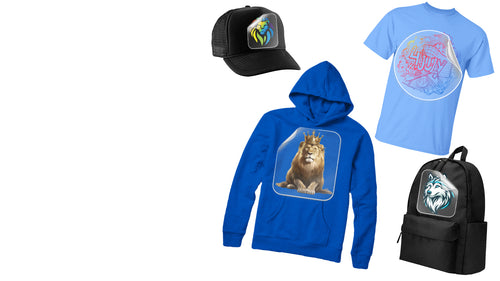
DTF transfers for polyester shirts are a printing method where designs are applied using a printed film, adhesive powder, and heat. At Lion DTF Transfers, we use this process to create detailed, full-color prints that adhere well to polyester while maintaining the fabric’s look and feel. The method is designed to work with synthetic materials, making it a reliable option for polyester garments.
The process begins by printing a design onto a special transfer film using DTF inks. An adhesive powder is then applied, which allows the design to bond during heat pressing. Once pressed onto the polyester shirt, the design sits on the surface rather than soaking into the fabric, helping preserve color vibrancy and detail, even on smooth, low-absorbent materials like polyester.
DTF is well-suited for both simple and complex designs, including gradients and multi-color artwork. It does not require extensive setup, making it accessible to beginners while still delivering consistent results for experienced users.
Why DTF Transfers for Polyester Fabric Are a Smart Choice
DTF transfers for polyester fabric offer a practical solution for printing on materials that are often challenging with other methods. Polyester does not absorb ink as readily as cotton, which can lead to fading or uneven results with traditional techniques. With DTF, the design adheres to the surface with adhesive, ensuring consistent color and clarity across different types of polyester garments.
Another advantage is the ability to handle heat more carefully. Polyester is sensitive to high temperatures, but DTF transfers can be applied at controlled settings that reduce the risk of scorching or discoloration. This makes the process more dependable, especially when working with performance wear, athletic apparel, or blended fabrics that require extra attention during printing.
DTF also offers greater design flexibility. From bold graphics to detailed artwork, the method supports a wide range of styles without additional steps or limitations. This makes it easier to produce custom polyester shirts that maintain their appearance over time, even with regular use and washing.
How DTF Prints for Synthetic Fabric Work
DTF prints for synthetic fabrics follow a step-by-step process that allows designs to bond effectively with materials such as polyester. Each stage plays a role in achieving clean, durable results that hold up over time. Here’s how the process works:
Printing the Design on Transfer Film
The process starts by printing the design onto a specialized film using DTF inks. This step captures fine details, color gradients, and sharp lines, making it suitable for a wide range of artwork styles.
Applying the Adhesive Powder
While the ink is still wet, an adhesive powder is applied evenly across the design. This powder is essential because it acts as the bonding agent that will attach the print to the synthetic fabric during heat application.
Curing the Transfer Film
Once the adhesive is applied, the film is cured using controlled heat. This step activates the adhesive and prepares the transfer for pressing, ensuring it will bond properly when applied to polyester.
Heat Press Application
The cured transfer is placed onto the polyester fabric and pressed using a heat press. The heat melts the adhesive, allowing the design to adhere securely to the material's surface.
Cooling and Peeling the Film
After pressing, the transfer is allowed to cool before peeling off the film. This reveals the final design, which remains on the fabric with strong adhesion and flexibility.
Best DTF for Polyester Shirts: Features That Matter
Choosing the best DTF for polyester shirts depends on a few key factors that influence print quality and durability. Not all transfers perform the same on synthetic fabrics, so understanding what to look for can help you get consistent results. Here are the features that matter most:
- Strong Adhesive Performance: A reliable DTF transfer should have an adhesive layer that bonds well to polyester. Since the fabric is smooth and less absorbent, strong adhesion helps prevent peeling or lifting after washing and regular use.
- Vibrant and Accurate Color Output: Polyester shirts often highlight color differences more than other fabrics. High-quality DTF prints should produce rich, accurate colors that remain consistent across different designs, including gradients and detailed artwork.
- Flexibility and Soft Feel: The finished print should move naturally with the fabric. Good DTF transfers maintain flexibility, helping prevent cracking and keeping the design comfortable to wear over time.
- Low-Temperature Application Capability: Polyester is sensitive to heat, so the best DTF transfers are designed to work at controlled, lower temperatures. This reduces the risk of scorching or damaging the fabric during pressing.
- Consistent Film and Peel Quality: A smooth transfer film and clean peel process make application easier and more predictable. This is especially important for maintaining design integrity and avoiding imperfections during production.
Polyester Shirt Transfers vs Other Printing Methods
Polyester shirt transfers can be printed using several methods, but each approach yields different results depending on the fabric and design. Understanding how DTF compares to other techniques helps in choosing the right method for consistent quality and durability. Here’s how they differ:
DTF vs Screen Printing
Screen printing is widely used for bulk orders, but it can be limiting when working with polyester. It often requires specific inks and setup for synthetic fabrics, especially to prevent dye migration. DTF transfers, on the other hand, apply directly to the surface without requiring multiple screens, making them more adaptable for detailed, multi-color designs.
DTF vs Heat Transfer Vinyl (HTV)
HTV involves cutting designs from vinyl and pressing them onto fabric. While it works for simple graphics, it is not ideal for intricate designs or color gradients. DTF offers greater flexibility by allowing full-color prints in a single transfer, making it better suited for complex artwork on polyester shirts.
DTF vs Sublimation Printing
Sublimation is commonly used for polyester, but it only works on light-colored fabrics and requires the design to be incorporated into the material. DTF transfers do not have these limitations, as they can be applied to both light and dark polyester shirts while maintaining strong color visibility.
DTF vs DTG Printing
Direct-to-garment printing works best on cotton but struggles with polyester due to ink absorption. DTF prints for synthetic fabric overcome this by bonding to the surface rather than penetrating it. If you want a deeper comparison, read more in our comparison of direct-to-film vs. direct-to-garment printing.
Heat Transfers for Polyester Tees: Application and Pressing Tips
Heat transfers for polyester tees require a balanced approach to temperature, pressure, and preparation. Since polyester is sensitive to heat, using moderate temperature settings is important to avoid scorching or leaving marks on the fabric. Applying even pressure across the design also helps ensure the transfer bonds properly, reducing the chances of lifting or uneven results.
Preparing the garment before pressing can make a noticeable difference. A quick pre-press removes moisture and smooths out wrinkles, creating a better surface for the transfer. During application, following the correct peeling method, whether hot or cold, is essential for maintaining the quality of the design and preventing any distortion.
A final press after removing the film helps secure the design and improves its durability on polyester fabric. Taking the time to follow each step carefully leads to more consistent results. For a more detailed guide, follow our guide to pressing DTF transfers on t-shirts.
How to Design and Apply DTF Transfers on Polyester Shirts
Designing and applying DTF transfers on polyester shirts involves both creative preparation and proper pressing technique. Getting each step right helps maintain print clarity and ensures the design adheres well to synthetic fabric. Here’s how to approach the process from start to finish:
Creating Your Design for Polyester Transfers
Start with a high-resolution design that clearly captures all details. Since DTF supports full-color printing, you can work with gradients, fine lines, and complex artwork without limitations. Proper sizing and layout are also important to ensure the design fits well on the shirt.
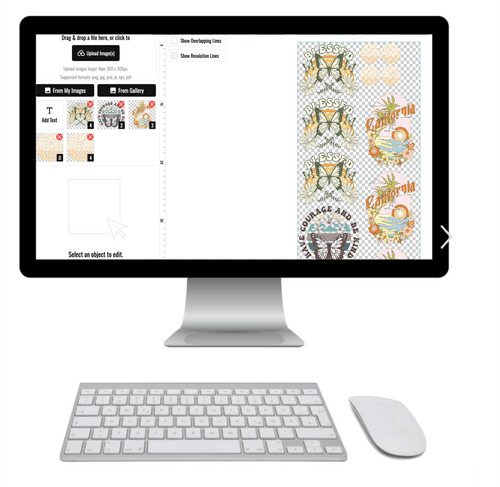
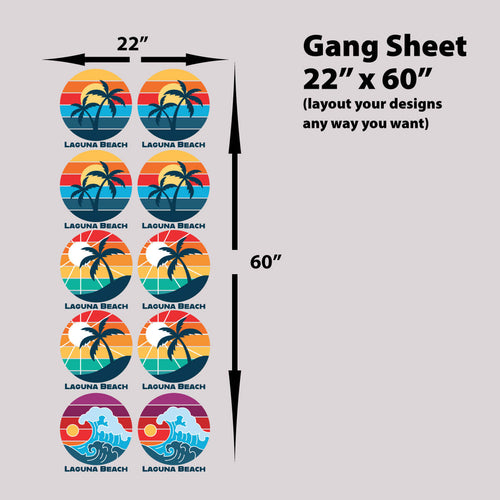
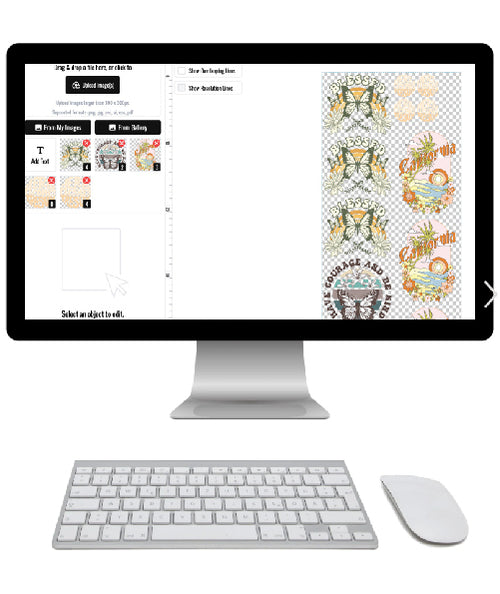
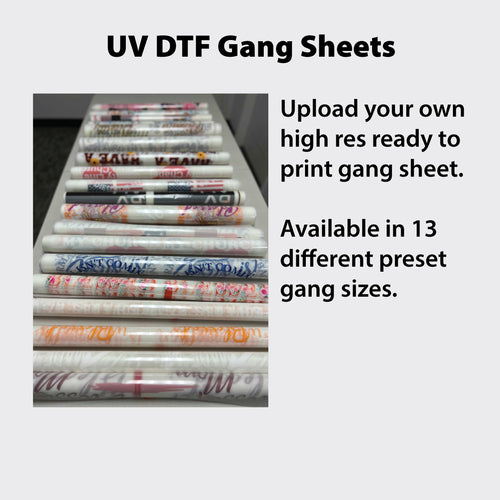
If you are working with multiple designs, organizing them into a gang sheet can help save time and materials. You can learn how to set this up in our guide on how to create a DTF gang sheet in Canva.
Preparing the Polyester Shirt
Before applying the transfer, pre-press the shirt for a few seconds to remove moisture and wrinkles. This step creates a smooth surface and improves the adhesive bond during pressing.
Applying the DTF Transfer
Place the transfer on the shirt and use a heat press with the appropriate temperature and pressure settings for polyester. Press evenly to ensure the entire design adheres properly. Once pressed, allow the transfer to cool or follow the recommended peel method before removing the film.
Finishing the Application
After peeling, press again to lock in the design and improve durability. This step helps the print settle into the fabric surface and enhances its overall finish.