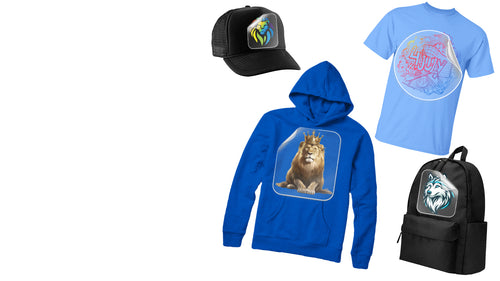
At Lion DTF Transfers, we use Direct-to-Film printing to create designs that apply cleanly across a wide range of fabric blends. DTF transfers for fabric blends are printed graphics that are heat-pressed onto garments with adhesive powder, allowing the design to bond to different fiber combinations rather than relying on a single material type.
Fabric blends combine two or more fibers such as cotton, polyester, or rayon. Each fiber behaves differently under heat and pressure, which is why traditional printing methods can struggle to maintain consistency. DTF printing on fabric blends works differently. The adhesive layer used in DTF transfers sits on top of the fabric and bonds evenly, making it suitable for mixed materials.
This flexibility allows us to decorate garments made from cotton-polyester blends, tri-blends, and other combinations without needing to adjust the artwork or process for each fabric type. It also helps maintain color vibrancy and design clarity across different textures.
If you are exploring what fabrics can be used with DTF transfers, fabric blends are among the most reliable options because they balance softness, durability, and print performance.
Why Fabric Blends Work Well With DTF Printing
Fabric blends bring together the best qualities of different fibers, making them highly compatible with DTF printing. Their balanced composition supports consistent adhesion, color performance, and long-term wear, which is why they are commonly used for custom apparel:
Balanced Fiber Performance
Blended fabrics combine fibers like cotton and polyester, each contributing unique properties. Cotton adds softness and breathability, while polyester improves durability and shape retention, creating a stable surface for DTF transfers.
Strong Adhesion With DTF Transfers
DTF printing uses a heat-activated adhesive that bonds to the fabric's surface rather than absorbing into it. This allows the design to attach evenly across different fibers within a blend, reducing inconsistencies during application.
Improved Color Retention
Fabric blends tend to hold printed colors more evenly compared to some single-fiber materials. The result is a more consistent finish with fewer issues related to fading or uneven tones after washing.
Practical for Everyday Apparel
Blends are commonly used in widely available t shirt materials, making them a reliable choice for custom printing. They offer a good mix of comfort and performance, which works well for both casual wear and branded merchandise.
Understanding Cotton vs Polyester in Blends
Each fiber in a blend reacts differently under heat and pressure. Reviewing polyester vs cotton which one is better for DTF transfers can help explain how these differences contribute to the overall performance of blended fabrics.
DTF Transfers for Cotton and Polyester
Cotton and polyester blends are among the most commonly used fabrics in custom apparel, and they respond well to DTF applications. Their combined properties create a reliable surface for transfers while maintaining comfort and durability:
How Cotton and Polyester Work Together
Cotton provides a soft, natural feel that many people prefer for everyday wear. Polyester adds structure and resilience, helping the garment keep its shape after repeated washing and use. Together, they form a balanced base that supports consistent DTF results.
Print Appearance on Cotton Polyester Blends
DTF transfers sit on top of the fabric, allowing designs to maintain strong color and detail regardless of the fiber mix. On cotton-polyester blends, prints typically appear vibrant while still remaining flexible enough to move with the garment.
Heat Application Considerations
Blends require a balanced approach during pressing since cotton and polyester respond differently to heat. Using the correct settings helps prevent issues such as scorching or incomplete adhesion. If you are working with higher polyester content, reviewing heat press temperature for polyester can help guide proper application.
Durability and Everyday Use
Cotton-polyester blends are widely used because they hold up well over time. When paired with DTF transfers, they maintain both print quality and fabric integrity through regular wear and washing.
DTF Transfers for Tri Blends
Tri-blend fabrics combine three fibers, typically cotton, polyester, and rayon, creating a soft and lightweight material that is popular in modern apparel. These blends offer a unique surface for DTF transfers, giving designs a smooth finish while maintaining flexibility:
- Understanding Tri Blend Fabric Composition: Tri-blends combine the comfort of cotton, the durability of polyester, and the drape of rayon. This combination results in a fabric that feels soft and slightly textured, which can influence how the transfer sits on the surface.
- How DTF Transfers Perform on Tri Blends: DTF transfers adhere well to tri-blends because the adhesive layer bonds across all fiber types. The print remains clear and detailed, even on the slightly uneven texture that rayon can introduce.
- Soft Feel With Flexible Prints: One of the main reasons tri-blends are popular is their lightweight and soft feel. DTF transfers complement this by remaining flexible after application, allowing the design to move naturally with the fabric rather than feeling stiff.
- Appearance and Finish: Designs applied to tri-blends may have a slightly more muted or vintage look than those on standard cotton-polyester blends. This is often preferred for certain styles, especially in casual or lifestyle apparel.
DTF Transfers for Mixed Fabrics
Mixed fabrics go beyond standard blends by combining different fiber types in varying ratios, giving each garment its own texture and performance. DTF transfers adapt well to these variations, making them a practical option for a wide range of apparel styles:
What Counts as Mixed Fabrics
Mixed fabrics can include combinations such as cotton-spandex, polyester-rayon, or other engineered blends. These materials are designed to enhance comfort, flexibility, or durability depending on their intended use.
Consistent Adhesion Across Variations
DTF transfers the bond to the surface of mixed fabrics through a heat-activated adhesive layer. This allows the design to attach evenly, even when the fabric includes fibers with different textures or stretch levels.
Handling Different Fabric Textures
Some mixed fabrics have smoother finishes, while others may feel slightly textured or stretchy. DTF printing maintains detail across these surfaces, though slight variations in feel can occur depending on the fabric composition.
Reliable Results Across Garment Types
From casual wear to performance apparel, mixed fabrics are used in a wide range of products. DTF transfers provide consistent print quality across these different garments without requiring major changes in the application process.
DTF Printing on Fabric Blends
DTF printing on fabric blends delivers consistent results because the process focuses on surface bonding rather than fiber absorption. This makes it easier to achieve clean, detailed designs across different material combinations without needing to adjust the artwork for each blend:
- How the DTF Process Works on Blends: The design is printed onto a film and coated with adhesive powder before being heat-pressed onto the fabric. This process allows the transfer to sit evenly on blended materials, regardless of how the individual fibers react to heat.
- Consistency Across Different Blend Ratios: Fabric blends can vary in fiber percentages, which can affect texture and feel. DTF printing adapts well to these differences, maintaining consistent print quality regardless of whether the fabric leans toward cotton, polyester, or another fiber.
- Detail and Color Clarity: Because the ink is applied to a film first, designs retain sharp edges and strong color definition. This helps ensure that even detailed graphics appear clean when transferred onto blended fabrics.
- Importance of Proper Application: Getting the best results depends on using the right heat, pressure, and timing during application. Following proper pressing techniques and reviewing pressing shirt care instructions helps maintain both the print and the garment over time.
DTF Transfers for Stretchy Fabrics
Stretchy fabrics require prints that can move with the material without cracking or losing shape. DTF transfers work well in these cases because the adhesive layer and ink remain flexible after application, allowing the design to handle repeated movement and wear:
How Stretch Affects Transfers
Fabrics that include elastane or spandex expand and contract during use. A transfer applied to this type of material needs to maintain its structure while adapting to that movement, which is where DTF performs reliably.
Flexibility of DTF Prints
DTF transfers create a thin, flexible layer on the fabric's surface. This allows the design to stretch with the garment rather than resisting movement, reducing the risk of cracking over time.
Application Tips for Stretchy Materials
Stretch fabrics benefit from even pressure and controlled heat during application. Avoid over-stretching the garment while pressing, as this can affect how the design settles once the fabric returns to its original shape.
Long-Term Wear and Care
Proper care helps maintain both the fabric and the print. Following recommended washing and handling methods helps preserve elasticity while keeping the design intact after multiple uses.