


Picking the right t-shirt material is hands-down the most important decision you'll make for any custom apparel project. Seriously. The fabric you go with is going to dictate everything—from how vibrant your print looks to how the shirt feels, and ultimately, how much people love wearing it.
The main players in the game are cotton, polyester, and blends. Each one brings something different to the table, and knowing the difference is key to getting the result you want.
Why Your T-Shirt Material Matters
Think of your blank t-shirt as the foundation of a house. If the foundation is weak, it doesn't matter how great the rest of the house looks; it's just not going to hold up. The same goes for printing. The wrong fabric can turn a brilliant design into a faded, peeling mess after just a few washes.
This single choice affects how well your DTF (Direct-to-Film) transfers stick, how bright the colors pop after you press them, and whether the shirt becomes a closet favorite or a forgotten rag. Getting this right from the start is what separates the pros from the amateurs and keeps your customers coming back for more.
The Big Three Fabric Types
Pretty much every t-shirt out there is made from one of three materials or some combination of them. Let's break down the basics so you know what you're working with.
- Cotton: The old-school classic. It’s all-natural, super soft, breathable, and gives you a fantastic surface for printing.
- Polyester: This is the synthetic workhorse. It’s tough, wicks away sweat, and fights off wrinkles and shrinking like a champ.
- Blends: These are the hybrids, mixing materials to get the best of both worlds—like the softness of cotton paired with the durability of polyester.
The t-shirt world is massive. We're talking a global market projected to jump from $169.1 billion in 2021 to over $195 billion by 2025. This explosive growth is all thanks to these different fabrics. Cotton still rules the roost, making up over 50% of the market, but synthetics like polyester are right there with it, accounting for 53.6% of all apparel. This just shows how much people want both that natural comfort and engineered performance.
Your fabric choice is part of your brand's story. A premium, soft-spun cotton tee whispers "luxury and comfort." A high-performance polyester shirt screams "active and ready for anything." Make sure the material matches the message you're sending.
Before you can nail down your fabric, you need a good source for your blanks. We've got you covered there—check out our guide on finding wholesale blank apparel suppliers for your brand to get pointed in the right direction.
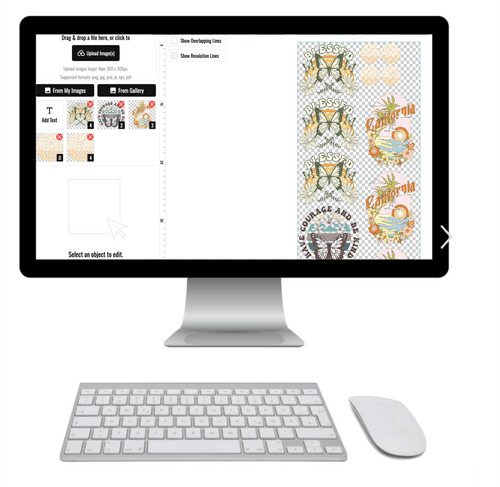
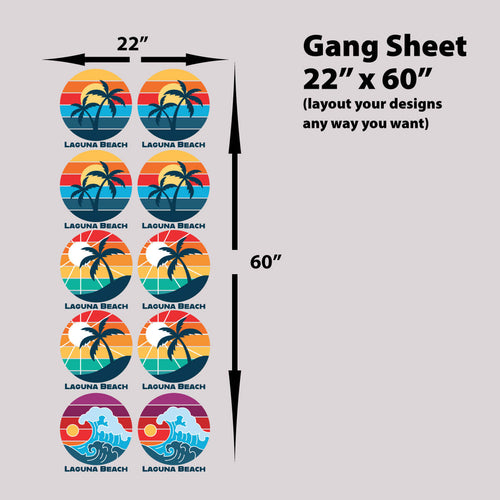
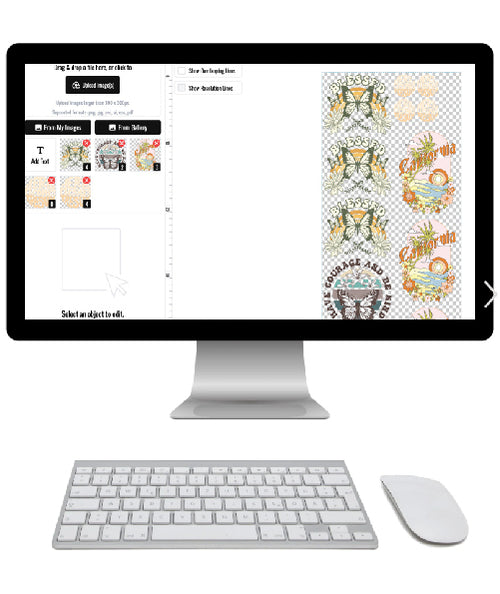
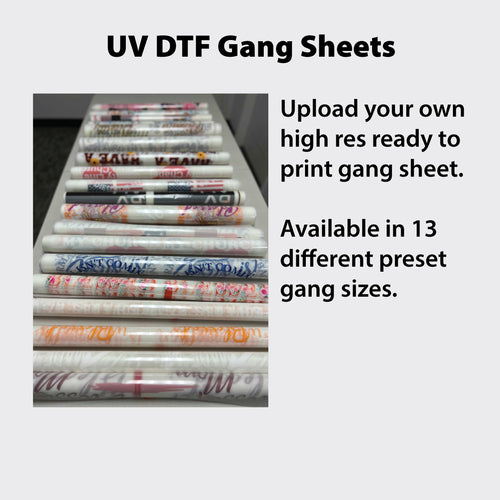
But here’s the bottom line: testing is everything. The easiest and most cost-effective way to do this is by using a tool like our Auto-build gang sheet builder. It lets you cram a bunch of small designs onto a single sheet to test out on different fabrics. This way, you can see for yourself what works best before you commit to a big, expensive order. No more guesswork, just perfect results.
Why Cotton is Still King of the T-Shirt Game
When you're talking custom t-shirts, cotton isn't just another option; it's the undisputed champ. There’s a good reason this natural fiber is the backbone of the apparel world—it just hits that perfect sweet spot of comfort, breathability, and being an incredible surface for printing.
But here's the thing: not all cotton is the same. Getting a handle on the different types is the secret to picking the right blank for your project. It’s what ensures your designs look just as killer in real life as they do on your monitor.

Cotton's reign is no fluke. It’s got a massive slice of the global t-shirt market, and experts predict it will make up a whopping 41.7% of all digitally printed apparel items by 2026. That kind of market muscle tells you it's the reliable, go-to choice for creators who demand prints that pop. If you want to go deeper, check out these t-shirt industry statistics for the full breakdown.
The Reliable Workhorse: Standard Carded Cotton
Think of standard carded cotton as your trusty, gets-the-job-done foundation for a lot of tees out there. The process is pretty straightforward: cotton fibers get brushed to line them up in the same direction before being spun into yarn. It’s an efficient, cost-effective method, but it tends to leave some of the shorter, rougher fibers in the mix.
The result? A durable and affordable t-shirt that’s a perfect match for things like:
- Promotional events: Awesome for giveaways where you need to watch the budget.
- One-and-done apparel: Think family reunions or that annual company picnic.
- Basic merch: A solid, low-risk starting point for new brands just getting their feet wet.
While carded cotton is a fantastic budget-friendly workhorse, that slightly coarser texture can sometimes muddy the super-fine details in a print. For projects where the feel and a premium vibe are non-negotiable, you’ll want to level up.
The Premium Choice: Ringspun and Combed Cotton
Alright, let's step up to ringspun cotton. This is where you start to feel the difference. The process here is way more involved—the cotton strands are constantly twisted and thinned, creating a yarn that's much finer, stronger, and way softer. Picture twisting a thick, fuzzy rope until it becomes a sleek, tight cord. That's pretty much ringspinning in a nutshell.
This extra work pays off with a t-shirt that’s noticeably softer and holds up better than its carded cousin. For any brand looking to signal quality, a ringspun cotton tee is a major upgrade.
But we can take it even one step further with combed cotton, which is often done right alongside the ringspun process.
Think of combing cotton like brushing knots out of your hair. The process uses fine-toothed combs to yank out any leftover short fibers and impurities, leaving behind only the longest, straightest, and smoothest strands.
This extra step creates an exceptionally smooth, flat surface. For DTF transfers, this is a dream canvas. The transfer's adhesive can get a perfect, solid bond with the fabric, leading to prints that are incredibly crisp, detailed, and have that soft-hand feel that melts right into the shirt.
Pima and Supima: The Luxury Cottons
Now we're at the top of the cotton food chain: Pima and Supima. These are famous for their extra-long staple (EPL) fibers, which are way longer and stronger than what you'll find in other cottons.
- Pima Cotton: Grown mostly in the U.S., Peru, and Australia, this stuff is known for being insanely soft and fighting off those annoying little fabric pills.
- Supima Cotton: This is a special, trademarked brand of American-grown Pima that has to meet some seriously strict quality standards. It makes up the top 1% of cotton grown worldwide.
Choosing Pima or Supima isn't just picking a fabric; it's making a statement. This is the stuff for high-end fashion lines, luxury basics, or any brand that wants to give their customers the absolute best in comfort and quality. The ultra-smooth surface on these fabrics gives you ridiculously good DTF printing results, making any design look like a piece of art.
Want to see how your designs look on different cotton types without a huge investment? Try our Auto-build gang sheet builder. It's a killer, cost-effective way to sample a bunch of options before you place a big order.
Unlocking the Power of Polyester for Performance Gear
While cotton is the undisputed king of comfort, polyester is the reigning champ for high-performance apparel. It's not just a synthetic stand-in; it's an engineered fabric built from the ground up to take whatever an active lifestyle can throw at it. If you're kitting out sports teams, printing for athletic events, or even just need corporate wear that stays sharp all day, polyester is your secret weapon.
And let's bust an old myth right now: polyester isn't stiff or "plasticky" anymore. Modern polyester fabrics are surprisingly soft and smooth, delivering all the comfort you want without sacrificing the core benefits that make it an athletic powerhouse.

Engineered for Excellence
Here's the key difference: cotton absorbs moisture, but polyester is hydrophobic. That's a fancy way of saying its fibers naturally push water away. This is the science behind its legendary moisture-wicking ability. When you sweat, the fabric pulls that moisture off your skin and shoves it to the surface where it can evaporate fast, keeping you cool and dry.
This single property makes 100% polyester the go-to for demanding jobs:
- Team Sports Jerseys: You need durability and moisture management. It's a non-negotiable for athletes.
- Marathon and 5K Shirts: Keeps runners comfortable when they're pushing their limits for miles.
- Corporate Polos: That built-in wrinkle resistance keeps your team looking professional from the morning meeting to after-work events.
- Vibrant, Full-Color Designs: Since polyester fibers don't soak up ink, your designs sit right on the surface, resulting in insanely bright and saturated prints.
Best Practices for DTF Printing on Polyester
Now, putting DTF transfers on polyester takes a bit more finesse than with cotton, but the payoff is huge. The main thing you have to watch out for is dye migration. This is when the dye from the polyester fabric itself "bleeds" into your transfer during the heat press, messing up the colors. It's especially a problem with darker colored shirts.
The key to a flawless polyester print is temperature control. Too much heat will activate the fabric's dyes, causing them to migrate into your beautiful white or light-colored transfer. Always press at the lowest effective temperature to get the job done right.
To nail it every time, keep these tips in your back pocket:
- Lower Your Temperature: Press polyester at a lower heat, usually somewhere between 240-250°F.
- Shorten Your Press Time: A quick press of just 7-10 seconds is typically all you need.
- Use a Blocker Transfer (Optional): For really stubborn fabrics like red polyester, a special dye-blocking DTF transfer can be a lifesaver.
- Test, Test, Test: Every garment is a little different. The smartest way to dial in your settings is with our Auto-build gang sheet builder. You can whip up a small, cheap sheet with a few test logos to press on a sample shirt before you go all-in on a big production run.
While cotton still has a lock on the casual market, synthetic materials are taking over modern apparel. In fact, projections show synthetics will grab 53.6% of the total apparel market share by 2026. This is especially true in the massive $220.35 billion sports apparel market, where moisture-wicking fabrics are an absolute must. You can explore more insights on the global apparel market to see where things are headed.
Polyester brings incredible durability and color pop to the table, and it can seriously elevate certain apparel lines. If you're still weighing the options, make sure you check out our detailed comparison of polyester vs cotton for DTF transfers. Once you master the right techniques, you’ll be cranking out pro-level performance gear that looks amazing and holds up wash after wash.
Finding the Sweet Spot with Blended Fabrics
Sometimes, the best t-shirt material isn’t just one thing—it’s a smart combination of several. While 100% cotton is the king of softness and polyester brings the tough-as-nails performance, blended fabrics are where the real magic happens. For a ton of creators and brands, these hybrids are the answer, cherry-picking the best qualities from different fibers to create one superior shirt.
Think of it like a master chef building the perfect recipe. Cotton is your soft, breathable base. Then you mix in polyester for strength, wrinkle resistance, and a bit of give. What you get is a t-shirt that not only feels great but also holds its shape and can take a beating. This kind of thoughtful engineering is exactly why blends have become a massive favorite in the custom apparel world.

The Classic All-Rounder: 50/50 Cotton and Polyester
The 50/50 blend (half cotton, half polyester) is the undisputed workhorse of the t-shirt game. It’s the original "best of both worlds" tee, and for good reason. This blend hits that perfect balance between comfort, performance, and price point.
By mixing the two, you end up with a shirt that is:
- Softer and lighter than a standard 100% cotton tee.
- More breathable and moisture-wicking, so it’s not as stuffy.
- Way more durable and wrinkle-resistant, all thanks to the polyester.
- Less likely to turn into a baby tee after one wash.
This combo makes the 50/50 an incredibly solid choice for almost anything. It’s a fantastic go-to for big event merch, staff uniforms, or any brand looking for a reliable, comfy, and budget-friendly shirt that punches above its weight. For DTF printing, the cotton gives your transfers a great surface to grab onto, while the polyester lends a subtle heathered look, which can give your prints a slightly softer, more woven-in vibe.
The Premium Fan-Favorite: Tri-Blends
When you’re ready to level up to something that feels seriously premium, the tri-blend is your answer. These are typically a mix of cotton, polyester, and rayon, and they're famous for being ridiculously soft with a stylish, modern drape. The secret weapon here is rayon, a fiber made from wood pulp that adds a silky-smooth feel and a unique, flowing quality to the shirt.
A tri-blend tee doesn't just hang; it drapes. The addition of rayon gives the fabric a lightweight, flattering fit that’s hard to achieve with other materials, making it a top choice for fashion-forward and retail-focused brands.
This high-end blend has a distinct look and feel that customers immediately recognize as quality. The interwoven fibers create a subtle heathered or speckled texture, which is perfect if you’re trying to nail that vintage, slightly worn-in aesthetic. This texture also does something cool to DTF prints—designs pressed onto a tri-blend often take on a slightly muted, retro feel, like they’ve been part of the shirt forever. This isn't a bug, it's a feature that designers love for creating apparel with an authentic, fashionable vibe.
The only real catch is the price tag; tri-blends cost more to make, and that’s reflected in the final cost. But for brands aiming for that top-shelf feel, it’s an investment that almost always pays off.
Ultimately, picking the right blend comes down to your project's goals. Whether you go with the versatile 50/50 or the luxurious tri-blend, these fabrics let you choose a garment with purpose. The most cost-effective way to see how your designs look on these unique textures is to run a few tests first. Our Auto-build gang sheet builder makes it super simple and affordable to create a small test sheet. That way, you can press your graphics onto different blended fabrics and dial in your product before committing to a big run, ensuring the final shirt is exactly what you envisioned.
How Fabric Choice Defines Your DTF Printing Success
This is where the rubber meets the road. Connecting the dots between different t-shirt materials and a flawless print is where theory becomes reality. The real key to unlocking consistent, professional results is understanding why a DTF transfer acts differently on cotton than it does on polyester. Every fabric has its own personality, and those unique properties directly control how your design looks, feels, and holds up over time.
It really all boils down to the surface. Think of it like painting on a canvas. A smooth, stable surface lets the DTF adhesive form a perfect, solid bond with the garment. This is exactly why a premium ringspun cotton tee gives you such crisp, vibrant prints—its tightly woven, silky-smooth fibers create an ideal foundation for the transfer to grab onto.
On the other hand, a heavily textured fabric, like some of the rougher carded cottons, can throw a wrench in the works. The little hills and valleys in the material can create tiny gaps where the adhesive doesn't fully connect. This can mess with the print's soft feel and even hurt its durability down the line.
Mastering the Press for Different Materials
Applying a DTF transfer isn't a one-size-fits-all game. Every fabric type needs its own specific recipe of heat, time, and pressure to get the best possible outcome. Nailing these settings is absolutely critical if you want to dodge common headaches like scorched fabric, transfers that won't stick, or the dreaded dye migration.
Polyester, for example, demands a much gentler touch. Its synthetic fibers are pretty sensitive to high heat. If you press it too hot, the fabric's dye can actually turn into a gas (a process called sublimation) and bleed right into your transfer. This can completely ruin a white or light-colored design.
The golden rule for printing on polyester and blends is to go lower and shorter. A lower temperature and a quicker press time are your best friends when fighting dye migration. It’s how you keep your whites looking bright and your colors looking true.
To get you started, we've put together a handy little guide for pressing our Lion DTF transfers onto the most popular t-shirt materials. Just remember, these are starting points. Every heat press is a little different, and even garments from different brands can vary slightly, so a little testing always goes a long way.
DTF Pressing Guide For Different T-Shirt Materials
Here’s a quick reference table with our recommended settings for applying Lion DTF transfers. Use this as your starting point, and don't be afraid to tweak things a bit to get that perfect press every time.
| Fabric Type | Recommended Temperature (°F) | Press Time (Seconds) | Pressure | Key Tip |
|---|---|---|---|---|
| 100% Cotton | 280°F | 10 | Medium-Firm | Cotton is very forgiving; focus on even pressure for a solid bond. |
| 50/50 Blends | 260-270°F | 10 | Medium | A slightly lower temp helps protect the polyester fibers from scorching. |
| Tri-Blends | 260-270°F | 10 | Medium | Be gentle with these delicate fabrics to avoid press marks. |
| 100% Polyester | 240-250°F | 7-10 | Light-Medium | Keep it quick and cool to prevent dye migration, especially on dark colors. |
For a deeper dive into all the materials you can work with, you can learn more about what fabrics can be used with DTF transfers in our detailed guide.
Trust us, these settings will get you 90% of the way there. Just remember to always test on a scrap piece first if you can!
The Ultimate Fail-Safe: Theory Is Not Enough
Guides and charts are awesome, but they can't predict every little variable. The specific brand of a blank tee, its dye lot, and even the quirks of your own heat press can change the final result. Guessing is not a business strategy.
This is where testing becomes your most powerful tool. Before you press a full run of 50 or 100 shirts, you have to be absolutely sure your design is going to look perfect. But testing shouldn't break the bank.
The most cost-effective way to guarantee perfect prints is to run a small test batch. Our Auto-build gang sheet builder was designed for exactly this. You can whip up a small, affordable sheet packed with your logos and design elements to press onto a few fabric samples.
For just a few cents per square inch, you can press your designs onto a cotton tee, a polyester jersey, and a tri-blend. This simple, cheap step takes all the guesswork out of the equation. You'll see with your own eyes how your colors pop on different materials and can fine-tune your press settings for each one. It’s the smartest, easiest way to invest in your brand's quality and ensure every single shirt you sell is flawless.
Making the Right Choice for Your Brand
Okay, you've got the lowdown on t-shirt materials. Now, let's put that knowledge to work and figure out how to pick the perfect fabric for your brand. This isn't just about how a shirt feels; it’s a huge part of your product’s story and what makes it click with your customers.
Think of your blank tee as the first thing you say in a conversation. You've gotta make sure it's sending the right message.
Matching Materials to Your Mission
The right choice becomes a no-brainer once you lock in what the shirt is for. Different materials are superstars in different arenas, and getting the matchup right is half the battle.
Here are a few common scenarios to get you started:
- For a Premium Streetwear Brand: You need a fabric that just screams quality. Go with 100% ringspun or Pima cotton. The super-soft feel and smooth-as-butter surface is the ideal canvas for high-end designs that need to look and feel legit.
- For a Youth Sports Team or Athletic Event: It's all about performance here. 100% polyester is the undisputed champ for wicking away sweat, holding up to abuse, and making team logos pop with vibrant color.
- For a Versatile, Budget-Friendly Option: Need a solid all-rounder for a big event, some company merch, or your first product launch? A 50/50 cotton/polyester blend is your best friend. It’s the perfect mix of comfort, durability, and a price that won't make you wince.
You can read articles and watch videos all day, but nothing beats seeing the real thing. Holding a finished, printed shirt in your hands is the only way to know for sure you’ve made the right call.
The Power of Testing Your Prints
Look, if there’s one secret to avoiding big, expensive headaches, it's this: test your DTF transfers on actual fabric samples. It’s that simple. This one step pulls you out of the guessing game and saves you from a world of hurt before you go all-in on a big order.
This flowchart says it all. You can test your prints, or you can guess. The choice is pretty clear.

A tiny investment in testing upfront guarantees you get the killer results you're picturing for your brand.
The good news? Testing doesn't have to break the bank. Our Auto-build gang sheet builder was made for this. For just a few cents per square inch, you can whip up a small, cheap test sheet with your designs. Press them on a few different fabric swatches and see for yourself how the colors look, how the print feels, and which one you love.
It’s a super cost-effective way to make sure your final product is exactly what you imagined. When you’re ready to pull the trigger, our team is right here to help you nail it.
Got Questions About T-Shirt Materials? Let's Clear Them Up.
Even after diving into the details, you probably still have a few questions rattling around. That’s totally normal. Let's tackle some of the most common ones we hear from creators to get rid of any last-minute confusion.
What Is the Softest T-Shirt Material?
If you're chasing that ridiculously soft, cloud-like feel, you can't go wrong with luxury cottons like Pima and Supima. Their extra-long fibers give them an almost silky texture.
Right up there with them are the tri-blends (that magical mix of cotton, polyester, and rayon). These are famous for their incredibly soft, drapey feel that makes a brand-new shirt feel like it’s been your favorite for years.
Can I Use DTF on Any Fabric?
Pretty much! DTF transfers are the swiss army knife of printing—they play nice with a massive range of materials, including all your cottons, polyesters, and blends. The key is that you'll get the absolute best, crispest results on fabrics with a smooth, tight weave.
Just remember to tweak your heat press settings—that’s your temperature, time, and pressure—for whatever specific fabric you're using. This is super important for avoiding headaches like dye migration on polyester.
Pro Tip: Don't ever skip the pre-press. Seriously. Pressing your shirt for just 5-7 seconds before you apply the transfer is a game-changer. It zaps any hidden moisture and flattens out wrinkles, giving you a perfect surface for the transfer to grab onto.
Which Fabric Is the Most Durable?
When you need a shirt that can take a beating, 100% polyester is your champion. Its synthetic fibers are built to fight off stretching, shrinking, and wrinkles. That’s why you see it everywhere in athletic gear and work uniforms that go through hell and back.
For amazing everyday durability but with a softer touch, a 50/50 cotton/polyester blend is a fantastic middle ground. It does a great job of holding its shape and color wash after wash after wash.
How Can I Test Fabrics Without Breaking the Bank?
Testing is a must, but it shouldn't cost you an arm and a leg. The smartest way to see how your designs look and feel on different shirts is to run a small batch of samples.
Our Auto-build gang sheet builder is perfect for this. You can cram a bunch of small logos onto a single sheet for a super low cost. This lets you press your designs on a few different cotton, poly, and blend samples to nail down the perfect combo before you pull the trigger on a big order.
Ready to stop guessing and start creating flawless custom gear? The crew here at Lion DTF Transfers is ready to help you get professional, can't-miss prints every single time. Start building your gang sheet today and let's bring your designs to life!