
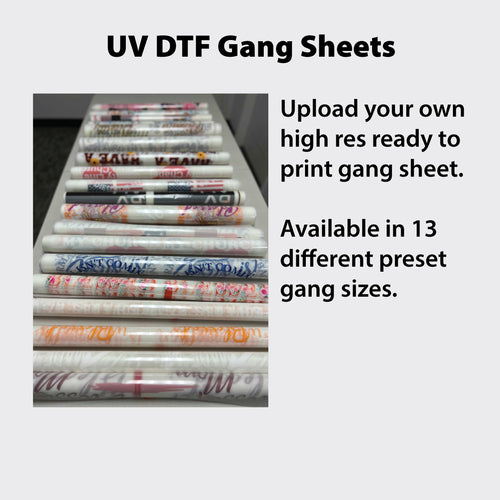
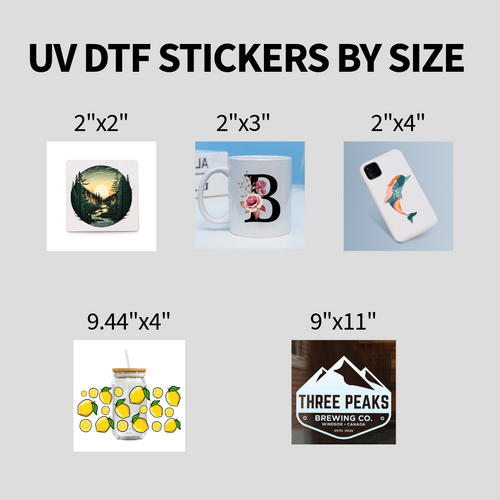
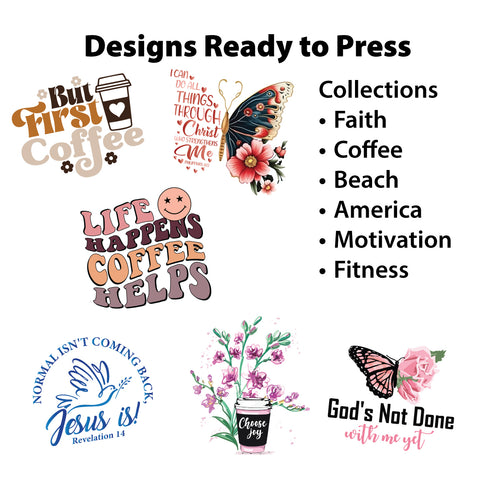



Alright, so you need DTF transfers. Where do you even start? Your choice boils down to two main camps: big online suppliers or a local print shop. The best move for you really depends on what you value most—bulk pricing and convenience, or hands-on service and speed.
Let's walk through how to navigate that decision and find the perfect partner for your projects.
Finding the Right DTF Transfer Supplier For You
Picking the right DTF transfer supplier is a huge deal. It’s a decision that will ripple through everything from your print quality to your bottom line. Think of it less like a simple transaction and more like starting a partnership, one that can seriously make or break your apparel business or creative project.
A great supplier delivers vibrant, durable prints on time, every single time. A bad one? They can drag you down with costly delays, frustrating reprints, and quality issues that hurt your reputation.
The DTF printing world is exploding right now. We're talking about a market projected to be worth USD 2.89 billion in 2025 and expected to jump to nearly USD 4.56 billion by 2032. You can read up on the DTF printing market's impressive growth on 360iresearch.com. All that growth means more choices for you, but it also makes doing your homework on suppliers more critical than ever.
Setting Yourself Up for Success
This guide is designed to cut through the noise and give you a clear roadmap. We'll get into the real-world trade-offs between different supplier types and ordering methods. We’re not just talking theory here; we’re focused on practical strategies to make sure you get the best value and quality, helping you sidestep those common mistakes that waste time and money.
Here's what we're going to cover:
- Online vs. Local Suppliers: We'll break down the real pros and cons of big online providers versus the personalized touch you get from a local shop.
- How to Judge Print Quality: You’ll learn exactly what to look for when you get samples, from color accuracy and feel to how they hold up in the wash.
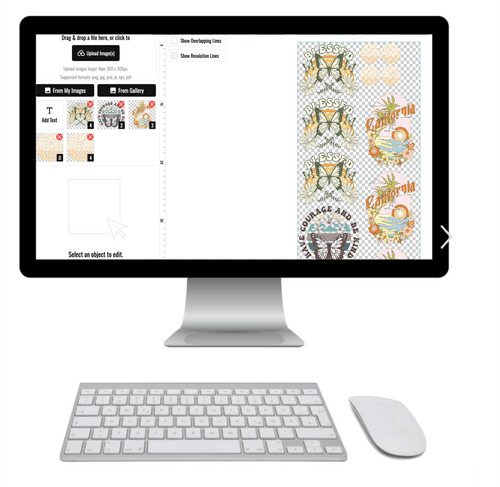
- Getting the Most Bang for Your Buck: We'll show you how to use powerful tools like our Auto-build gang sheet builder, which takes the headache out of ordering and can seriously lower your cost per print for ultimate cost effectiveness.
By the time you're done here, you'll know exactly how to source high-quality DTF transfers that fit your needs, whether you're running a small business, printing as a hobby, or managing a large-scale print shop.
Choosing Between Online and Local Suppliers
So, where do you actually buy DTF transfers? It really comes down to two main paths: ordering online or finding a print shop in your neighborhood.
There’s no single right answer here. The best choice for you hinges on what matters most for your specific project. Are you prioritizing rock-bottom costs, lightning-fast speed, bulk volume, or getting that one-on-one help? Figuring that out is your first real step toward building a reliable supply chain for your custom apparel business.
Online vs Local DTF Supplier Comparison
To make it easier, let's break down the pros and cons of each option head-to-head. This table should help you quickly see which path aligns better with your needs.
| Factor | Online Suppliers | Local Suppliers |
|---|---|---|
| Pricing | Highly competitive, especially for large volumes. Lower overhead often means better per-print costs. | Generally higher due to smaller scale. May have setup fees for small runs. |
| Variety | Nearly endless options for film types, sizes, and special effects. Massive inventory. | Limited to the materials and equipment they have on hand. |
| Convenience | Order 24/7 from anywhere. Perfect for streamlined, repeat ordering. | In-person service. You can physically see and touch samples before buying. |
| Turnaround | Fast, often same-day shipping, but you have to account for transit time. | Can be incredibly fast, sometimes offering same-day pickup for urgent jobs. |
| Tools | Access to powerful software like gang sheet builders to maximize value and reduce waste. | Relies on manual setup, which may be less efficient for complex orders. |
| Support | Typically email or chat support. Less personal but often very responsive. | Face-to-face advice and troubleshooting. Great for building a relationship. |
Ultimately, the choice depends on balancing these factors. Online is built for scale and cost-efficiency, while local excels at speed and personalized service for specific, hands-on projects.
The Online Advantage: Speed and Scale
If you’re running a business, online suppliers are often the clear winner on cost and efficiency. They operate on a scale that local shops just can't match, which translates into seriously competitive pricing, particularly when you're ordering in bulk. If your main goal is to drive down your cost-per-print on a big run, going online is almost always the smart move.
The convenience factor is huge, too. You can place an order from your couch at midnight without breaking a sweat. This model is built for getting things done quickly, especially if you're juggling multiple designs or placing the same order week after week.
One of the biggest perks of ordering online is getting access to powerful, cost-saving tools. For example, our Auto-build gang sheet builder is a total game-changer for ease of use and cost effectiveness. You just upload all your different designs, and the software automatically arranges them to cram as much art as possible onto the film, slashing waste and saving you money. You get the most bang for every single square inch.
This completely automates what used to be a tedious, manual process of building a layout. It saves you time, prevents expensive mistakes, and makes scaling your production way more efficient.
The Case for Local Print Shops
But don't count the local guys out. Local print shops offer something you can’t get from a website: a real, human connection.
Working on a small, hyper-urgent project? A local supplier can be an absolute lifesaver, often offering same-day turnarounds that are simply impossible for an online store that has to ship. Need to perfectly match a client's tricky brand color? At a local shop, you can walk in and physically hold a printed sample in your hand before you commit to the full order.
This hands-on quality control is priceless for those high-stakes jobs where getting the color and feel just right is non-negotiable. When you build a relationship with a local printer, you get personalized advice and support from someone who actually knows you and your work.
This simple decision tree can help you visualize the best path for your next project.
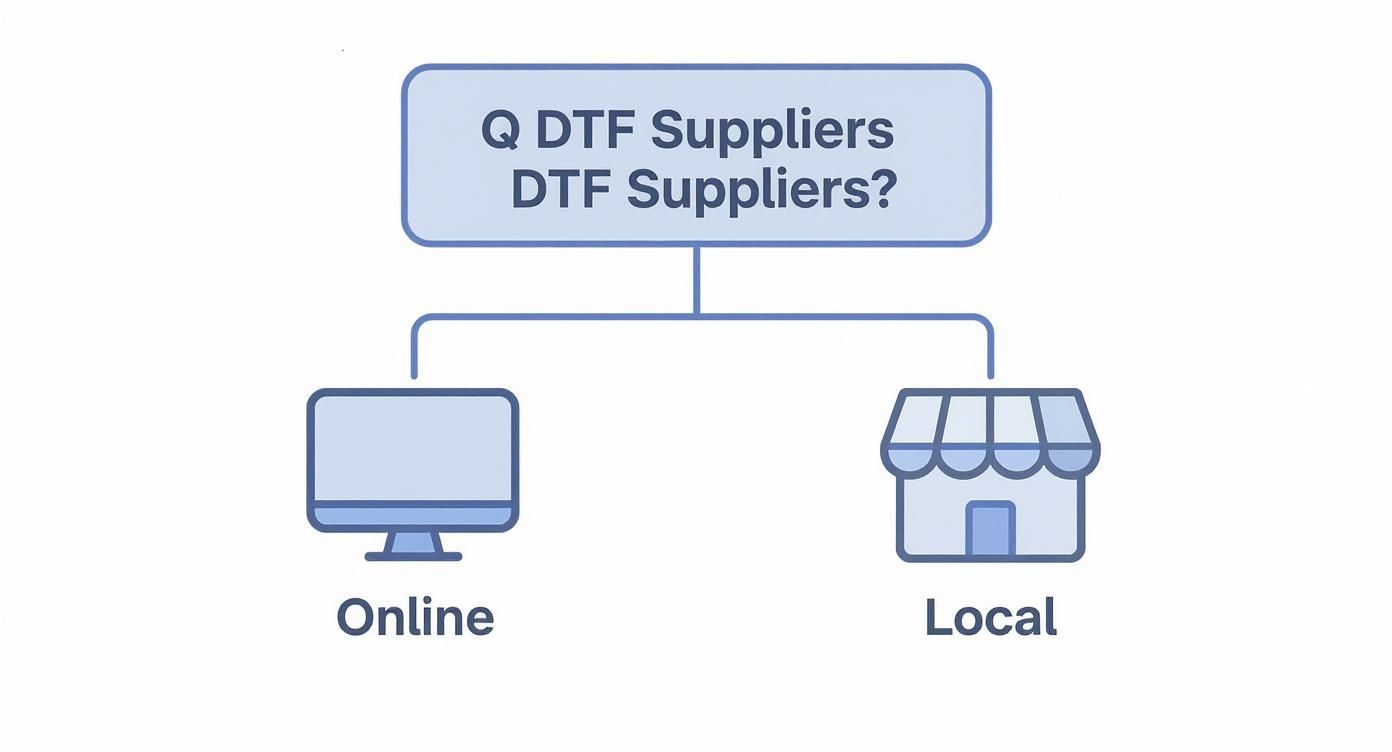
As the flowchart shows, it all comes down to a trade-off. You're constantly balancing your budget, your deadline, and how important it is to see and approve things in person.
How to Vet and Test DTF Transfer Providers
So, you've decided between an online provider and a local shop. Now for the real work. Not all DTF transfers are created equal, and a bad batch can do more than just waste money—it can seriously damage your brand’s reputation. Finding a reliable supplier is all about knowing what to look for before you place a big order.
Think of it like test-driving a car. You wouldn't buy one without checking under the hood, right? The same logic applies here. You shouldn't commit to a DTF provider without first getting your hands on their prints. A great supplier will make this easy because they stand behind their product.
The Non-Negotiable Sample Pack
The single most important step you can take is to order a sample pack. This is your chance to see and feel the real-world quality of their transfers, away from the polished photos on their website. A small investment here can save you hundreds, or even thousands, down the line.
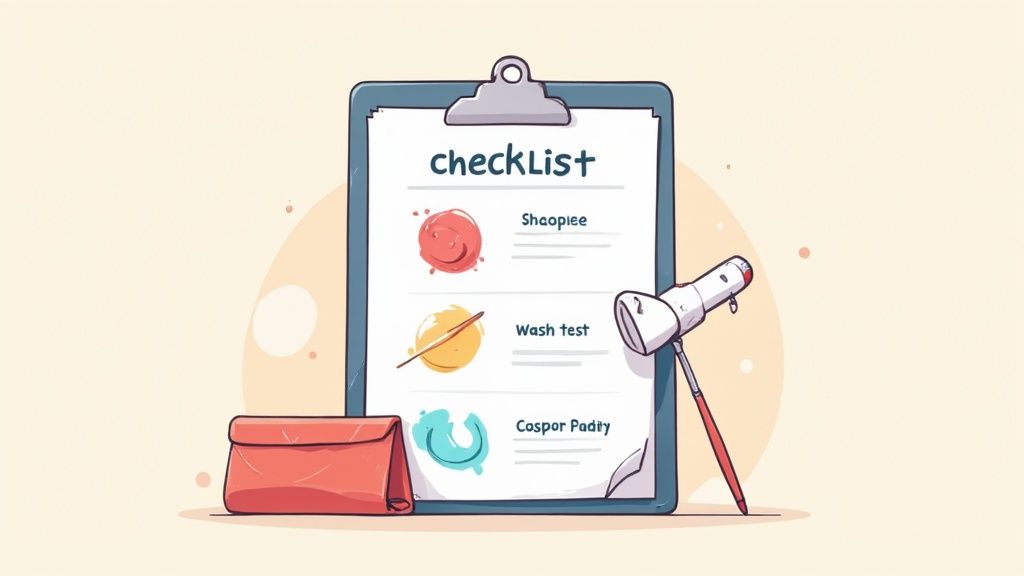
When your samples arrive, here’s a practical checklist to run through:
- Color Vibrancy and Accuracy: Do the colors pop? More importantly, do they actually match your digital file? Hold the transfer up to your monitor and compare.
- Print Sharpness and Detail: Get in close and look at small text and fine lines. Are the edges crisp and clean, or are they blurry and pixelated? A quality print holds even the tiniest details.
- Feel and Flexibility: How does the transfer feel on a shirt? A great DTF transfer should be soft, flexible, and stretch right along with the fabric. It shouldn't feel like a thick, plastic shield.
- Wash Durability: This is the ultimate test. Press a sample onto a scrap shirt and throw it in the wash. Run it through at least 5-10 wash cycles and look for any signs of cracking, peeling, or fading. A quality transfer should look just as good after washing as it did on day one.
A supplier’s willingness to provide samples speaks volumes. If they don’t offer samples or make it difficult to get them, consider it a major red flag and move on.
Evaluating the Supplier Beyond the Print
While print quality is key, a supplier's professionalism and reliability are just as crucial for a long-term partnership. The DTF printing market is absolutely booming, with over 7.2 billion prints produced globally in 2024 alone. You can find more data on the rapidly growing DTF printing market and its latest innovations on GlobeNewswire.
This growth means more providers are jumping into the game, so you need to look for signs of a well-run operation:
- Clear File Guidelines: Do they tell you exactly what they need? Look for specific instructions on resolution (300 DPI), file formats (PNG, AI), and transparent backgrounds. Clear guidelines prevent costly printing mistakes.
- Responsive Customer Service: Shoot them a question via email or chat. How quickly do they get back to you, and is the answer actually helpful? Good support is a lifesaver when you run into an urgent issue.
- Positive Community Reviews: Hunt for genuine reviews on their website, social media, and online printing groups. Consistent positive feedback is a strong sign that you’ve found a trustworthy partner.
- Intuitive Ordering Tools: A professional supplier invests in a user-friendly experience. For example, our Auto-build gang sheet builder makes ordering simple and cost-effective, which is the hallmark of a company that puts customers first. If you're still weighing your options, our guide on finding DTF custom transfers near you can offer some more local insights.
Maximizing Value with DTF Gang Sheets
If you're in any business where profit margins actually matter, you know that every dollar has to count. When it comes to ordering DTF transfers, the single best way to slash your costs is by using gang sheets. This isn't just a small trick; it's the core strategy for unlocking real cost efficiency and scaling your print operations affordably.
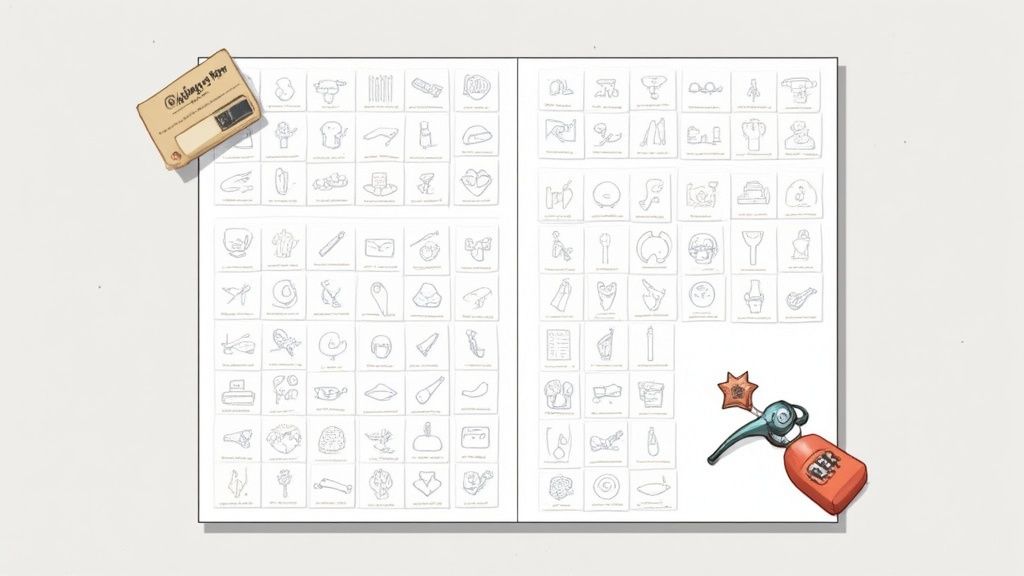
Instead of paying for every single design one by one, a gang sheet lets you pack multiple images onto one big transfer sheet. Think of it like packing a suitcase—you could just toss a few things in and waste a ton of space, or you could arrange everything neatly to fit as much as possible. A gang sheet does exactly that, but for your designs.
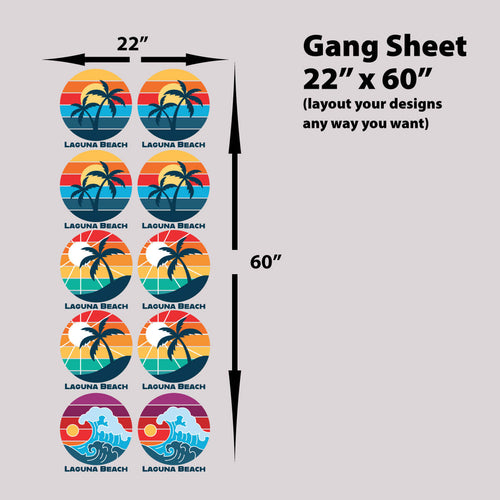
By grouping different logos, sleeve prints, and full-sized graphics together, you pay for the total square inches of the sheet itself, not for each separate piece of art. This move drastically drops your cost-per-print, making it an absolutely essential tool for getting the most out of your budget.
The Power of Automated Gang Sheet Builders
Let's be real: manually arranging designs to fit perfectly on a sheet can feel like a frustrating puzzle. It usually demands some design software skills and a lot of trial and error just to avoid wasting valuable film space. This is where modern tech gives you a massive advantage.
An Auto-build gang sheet builder completely changes the game. This tool takes all the guesswork and manual labor out of the equation.
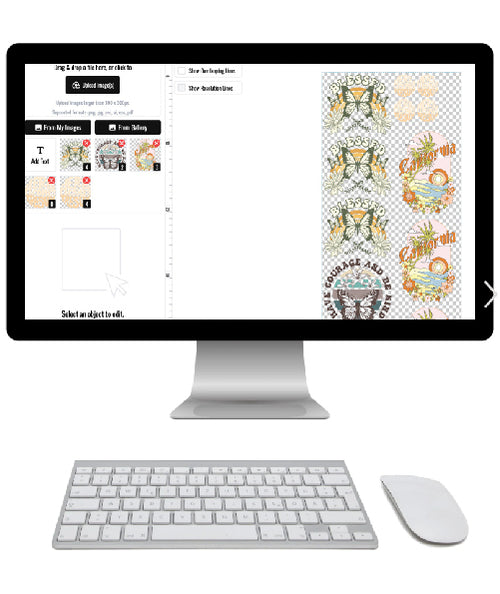
The concept is brilliantly simple: you just upload all your individual design files, and the software automatically arranges them for you. It's like having a master Tetris player on your team, rotating and nesting your images to use every last square inch of the sheet.
This automated process doesn't just save you a huge amount of time—it guarantees you're getting the absolute most value from your purchase. By cutting material waste down to almost zero, it directly translates into lower costs and higher profits for your business. For a deeper dive, there's a complete guide on understanding the benefits of DTF gang sheets and how to make them work for you.
Why Automation Leads to Better Pricing
The efficiency you get from an auto-builder isn't just about convenience. It’s about financial transparency and giving you back control. When you use a tool like our Auto-build gang sheet builder, you see a clear, upfront price based on the total area used. No hidden fees, no surprises. Its ease of use makes ordering incredibly straightforward, even for complex projects.
For anyone trying to figure out where to buy DTF transfers, this approach offers some serious perks:
- Waste Reduction: Every unused inch of film is money left on the table. Automation makes sure almost none of it goes to waste.
- Time Savings: A task that could take hours to do by hand is finished in seconds. That frees you up to focus on running your business.
- Cost-Effectiveness: By fitting more designs onto one sheet, you dramatically lower what you pay for each individual transfer.
Ultimately, using a gang sheet builder is the smartest financial move for businesses of any size. It makes professional-quality printing more accessible and affordable, turning what was once a complex task into a simple, cost-saving step in your production workflow.
A Step-By-Step Guide to Your First Order
Placing your first DTF transfer order might feel like a big step, but it’s a lot simpler than you think once you know the ropes. It really just comes down to a few key guidelines to make sure your designs come out looking sharp, professional, and ready to press.
Let's walk through the whole thing together, from getting your artwork ready to hitting that final "buy" button.
The truth is, a great print starts with a great digital file. Before you even think about uploading anything, your artwork needs to be prepped and ready. A low-quality file will always produce a low-quality transfer—it doesn't matter how amazing the printer is.
Preparing Your Artwork for Printing
First thing's first: your design file absolutely must have a transparent background. This is the golden rule. If your file has a white or colored box sitting behind the design, guess what? That box is going to get printed right along with it. The best and most reliable file format to make sure this doesn't happen is a PNG.
Next up is resolution. For prints to look crisp and clean, your artwork should be created at 300 DPI (dots per inch). Sending in a low-resolution, pixelated image will only lead to blurry, amateur-looking results. Think of it like a photo—a high-res image is packed with sharp detail, while a low-res one just looks fuzzy when you blow it up.
Pro Tip: Always, always double-check your file before you upload it. Make sure it's the right size, has that transparent background, and is saved at 300 DPI. This one simple check can save you a world of hurt from costly reorders and disappointing prints.
Once your artwork is print-ready, you can get the order started. Most suppliers give you a couple of different ways to buy, each one built for different needs and budgets.
From Upload to Checkout
The whole ordering process is designed to be pretty straightforward. The biggest decision you'll have to make is how you want to purchase your transfers—either as single images or packed onto a cost-effective gang sheet.
Here’s a quick look at the typical steps:
- Choose Your Ordering Method: You can grab single, ready-to-press designs, or you can go with a gang sheet to combine a bunch of designs and save some cash.
- Upload Your Files: For any custom orders, this is where you’ll upload your print-ready files. Our Auto-build gang sheet builder is a game-changer for ease of use here, as it automatically arranges your images to squeeze the most out of the film space and drive down your per-print cost.
- Confirm and Pay: Just give your order one last look, pick your shipping method, and complete the checkout.
If you’re still on the fence, the best way to get comfortable is to see the quality with your own eyes. You can order a free premium DTF transfer sample pack to actually test out the prints and feel the quality before you commit to a bigger purchase. It's a fantastic way to take the mystery out of the process and order like a pro from day one.
Let's be honest, diving into the world of DTF transfers is exciting, but a few simple slip-ups can turn a great project into a frustrating waste of time and money. Knowing what to watch out for ahead of time is the best way to make sure every order you place is a winner.
Miscalculating Time and Costs
One of the biggest mix-ups happens when you confuse production time with shipping time. A supplier might promise one-day printing, but that doesn't mean your transfers will be on your doorstep tomorrow. Always add transit time to your calendar to make sure you hit your deadlines.
This is super important, especially since the DTF market is getting bigger and busier. Projections even show it hitting around USD 5.18 billion by 2035. You can read more about the global expansion of direct to film printing on sphericalinsights.com.
Another classic mistake? Forgetting about the "hidden" costs. That per-print price looks great, but you need to factor in everything—setup fees, shipping, and taxes—to see the real total.
The easiest way to manage costs is by maximizing your print area. Manually arranging designs can be tedious and inefficient, leading many to overspend by not using all available space on a sheet.
This is exactly why we built our Auto-build gang sheet builder. It takes the headache out of the process by automatically packing as many designs as possible onto a single sheet for maximum cost effectiveness. No more guesswork, no more wasted film, and no more surprise costs. It’s a simple fix for one of the most common money pits new buyers fall into.
By sidestepping these common issues, you can make your entire printing process smooth, predictable, and way more profitable.
Got Questions About Buying DTF Transfers? We've Got Answers.
Jumping into the world of DTF transfers can bring up a lot of questions, especially when you’re trying to balance quality, cost, and efficiency. It's totally normal. Let's walk through some of the most common things people ask when they're figuring out where to buy DTF transfers.
Getting these details sorted out from the start is the key to making sure your projects run smoothly.
What Is the Most Cost-Effective Way to Order DTF Transfers?
Without a doubt, ordering gang sheets is the smartest way to go if you're looking to save money. This approach lets you pack multiple designs onto one large transfer sheet. Instead of paying for each individual design, you're just paying for the total area used.
This strategy dramatically drops your cost-per-print. To really squeeze every bit of value out of it, our Auto-build gang sheet builder takes the guesswork out of the equation. It automatically arranges everything to fit as many designs as possible, cutting down on waste and making sure you get the absolute best price for your order.
Using an automated tool is the single best strategy for reducing material costs. It removes the manual effort of arranging files and guarantees you’re not paying for unused space, directly boosting your profit margins on every run.
Do I Need Special Software for My DTF Designs?
Nope, you don't need to shell out for highly specialized or expensive software. The most important thing is making sure your design file hits two key requirements: it needs a high resolution (300 DPI is the industry standard) and a transparent background.
Most suppliers, including us, are happy to work with common file types like PNG, AI, or PDF. You can get the job done with professional-grade tools like Adobe Photoshop, or even more accessible options like Canva Pro, to create and export print-ready files that meet these standards perfectly.
How Do I Test a Supplier Before a Large Order?
Never, ever commit to a big purchase without a test run. The best way to do this is to order a small sample pack or a single, small gang sheet. This lets you actually press the transfers onto fabric and see how they perform in the real world before you invest heavily.
Once your samples arrive, here's what to look for:
- Color Accuracy: How close do the printed colors get to what you see on your screen?
- Feel and Stretch: Does the transfer feel soft and flexible, or is it thick and plasticky?
- Wash Durability: After a few spins in the laundry, do you see any cracking, peeling, or fading?
This small upfront investment is the best insurance you can get against a costly mistake on a big order.
What Is the Difference Between Hot Peel and Cold Peel?
The main difference comes down to when you remove the clear carrier film after pressing. With hot peel transfers, you peel the film off immediately while the transfer is still hot. This is a faster process and usually leaves the design with a softer, matte finish that feels more integrated into the fabric.
On the other hand, cold peel transfers require you to wait for the design to cool down completely before peeling. This method often produces a slightly glossier finish and can be a bit more forgiving for designs with super fine lines or intricate details. Your supplier will always tell you which type they offer, so you know exactly what to expect.
Ready to create stunning, professional-quality custom apparel with ease? At Lion DTF Transfers, we provide vibrant, durable DTF prints with industry-leading speed. Use our intuitive tools to build your next project today.