
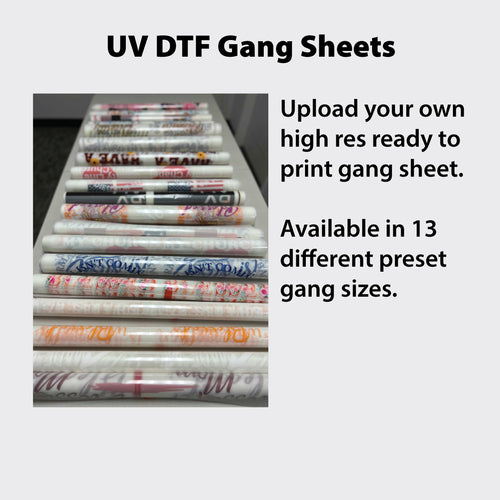
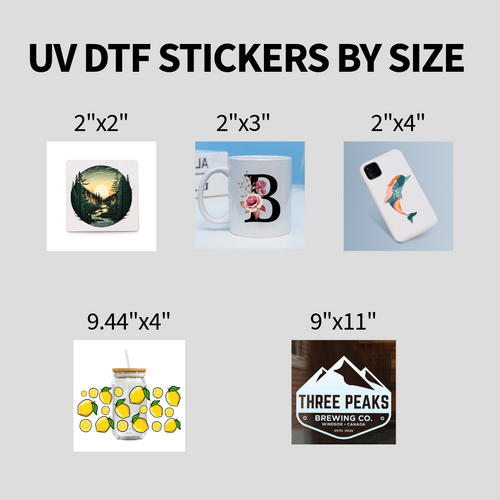



When you type "dtf custom transfers near me" into a search bar, you’re doing more than just looking for a print shop. You’re searching for a partner, someone who can help bring your designs to life with the quality they deserve. This guide will walk you through finding that perfect local provider, making sure everything from print quality and durability to turnaround time and cost lines up with what you need.
Your Guide to Finding the Best Local DTF Transfers
Finding the right local direct-to-film (DTF) provider can honestly make or break your project. It doesn’t matter if you’re a small Etsy shop cranking out custom tees, a growing brand creating merch, or just a hobbyist making some gear for fun—the quality of your transfers is everything. DTF has quickly become the go-to for a reason; its versatility and vibrant, tough-as-nails results are hard to beat.
This is about more than just getting something printed. It’s about finding a shop that delivers consistently, every single time. Choosing a local printer directly impacts your turnaround time, the final look of your apparel, and your ability to solve problems quickly. A good local shop becomes an asset, offering fast pickups and hands-on advice. To get a leg up, it’s helpful to have a basic grasp of understanding the principles of Local SEO, which is how these businesses show up in your "near me" searches in the first place.
Why DTF Is More Than Just a Trend
The explosion of DTF printing isn’t random; it’s a real shift in the custom apparel world. The technology’s ability to produce incredibly detailed, full-color designs on almost any fabric—cotton, polyester, blends, you name it—makes it the obvious choice for a huge range of projects. You can see this shift reflected in the market numbers.
The global DTF printing market was valued at USD 2.72 billion in 2024 and is expected to hit USD 3.92 billion by 2030. That growth is being driven by the massive demand for custom apparel and the simple fact that DTF is incredibly cost-effective. For more on the numbers, you can check out this detailed market report.
Going local often means you get your transfers faster, plus you can actually see and feel the quality before you commit to a big order. This hands-on approach takes the guesswork out of the equation and ensures your final products are exactly what you envisioned.
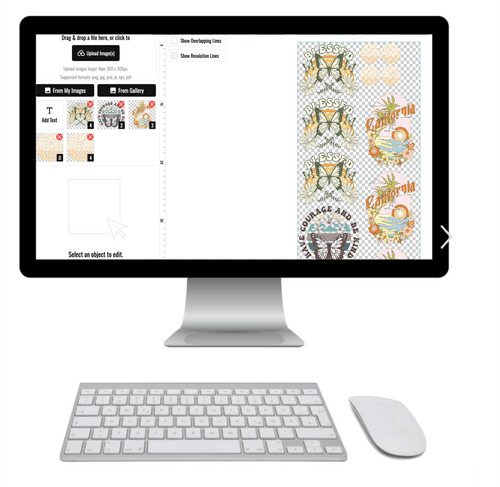
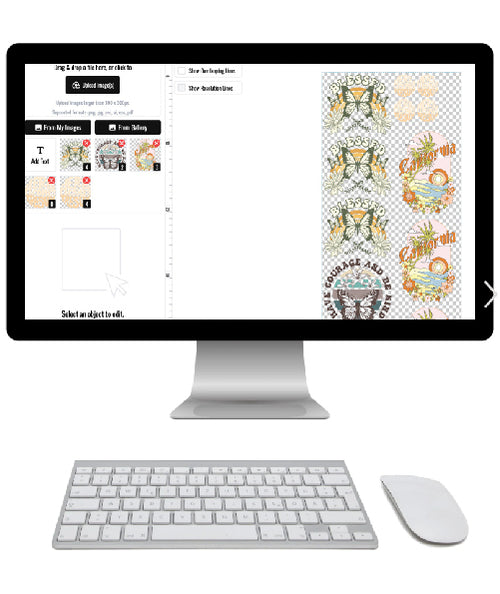
A huge part of making DTF affordable and efficient is learning how to order your prints the smart way: using an Auto-build gang sheet builder. This tool is a game-changer for its ease of use and cost-effectiveness. It lets you automatically arrange multiple designs onto a single sheet, squeezing every bit of value out of your print area and seriously cutting down your costs. It turns a once-complicated process into a simple drag-and-drop, making pro-level transfers more accessible than ever.
How to Find and Vet Nearby DTF Printers
Sure, a quick search for "dtf custom transfers near me" will pull up a map with a few options. But finding a reliable local partner—one you can build a business around—takes more than just picking the closest pin on the map.
The best printers often aren't the ones with the biggest ad spend. You'll find the real gems by digging a little deeper. Think niche printing forums, local business groups on Facebook, and even online communities for artists and apparel brands. These are the places where people share unfiltered feedback and honest recommendations.
Once you’ve got a short list of potential printers, the real vetting begins. It’s time to check out their websites and see if they walk the talk. A professional, informative online presence is a huge green flag.
What to Look for on a Printer's Website
A good DTF provider’s website is more than just a digital business card; it's a resource designed to build your confidence in their work. Here are the non-negotiables:
- A Detailed Portfolio: You want to see high-quality photos of their actual prints on a variety of garments. Can they handle different fabrics and complex designs? Their gallery should tell you.
- Transparent Pricing: Clear, upfront pricing for individual transfers and gang sheets is a must. If you have to jump through hoops to figure out what you’ll be paying, that's a bad sign.
- Clear Service Details: A professional shop will openly explain their process, what file types they accept, and what their typical turnaround times are. You shouldn't have to guess.
- Easy Ordering Process: Modern printers invest in user-friendly tools. An Auto-build gang sheet builder, for example, shows they’re serious about ease of use and helping you maximize every inch of your film to save money.
The Most Important Step: Get Your Hands on Their Work
A slick website is one thing, but nothing beats seeing and feeling the product for yourself. Before you even think about placing a big order, you absolutely have to request a sample pack. This is the only real way to judge the quality and durability of their transfers.
If you’re still weighing your options between different printing methods, our guide on the key differences between DTF and DTG printing can offer some valuable context.
When the samples arrive, don't just look at them—put them to the test. How does the transfer feel? Is it soft and flexible, blending into the fabric? Or is it thick, stiff, and plasticky?
The stretch test is your best friend here. A quality DTF transfer should stretch right along with the fabric without cracking, peeling, or distorting. If it fails this simple test, it’s not going to hold up to real-world use.
Finally, give it a wash test. Toss the sample in the laundry and run it through a few cycles, following whatever instructions the printer provided. A truly durable transfer will come out looking just as vibrant and sharp as it went in. This one simple test is what separates the pros from the pretenders.
Getting Your Artwork Ready for Flawless DTF Prints
The final quality of your custom DTF transfer is only as good as the artwork you send over. It's that simple. Submitting a poorly prepped file is like giving a master chef bad ingredients—the result will always fall short, no matter how skilled the printer is.
To make sure your designs come out crisp, vibrant, and exactly how you pictured them, a little prep work on the front end makes all the difference.
First up, file types. While print shops love vector files like AI or EPS (they can be scaled infinitely without losing quality), they aren't your only option. A high-resolution PNG file with a transparent background works perfectly for DTF printing, and it’s often way more accessible for folks who don't live inside Adobe Illustrator.
The Non-Negotiables for Print-Ready Files
No matter which file type you use, a few technical details are absolutely critical. Getting these right from the start will save you from the headache of reprints and delays.
- Resolution Must Be 300 DPI: DPI stands for "dots per inch," and it's what determines how sharp your print will be. A file with low resolution, like the 72 DPI standard for web images, will look pixelated and blurry when printed. Always set your design canvas to 300 DPI. No exceptions.
- Use the Right Color Mode: Your design needs to be created in CMYK (Cyan, Magenta, Yellow, Key/Black). This is the color language printers speak. If you design in RGB, which is for screens, you’re asking for weird color shifts when your design goes to print.
- A Truly Transparent Background: This might be the most important rule of all. The background of your design must be completely transparent. Any leftover white background or even semi-transparent pixels will get printed, leaving you with an ugly white box around your graphic.
A Real-World Scenario
Let's say you're prepping a multi-color logo for a client's t-shirt order. You export it as a PNG, but you miss a couple of common mistakes. Maybe you left some semi-transparent pixels around the edges to create a "soft" look, or the logo has lines thinner than a pencil tip.
In the world of DTF, ultra-fine lines and semi-transparent gradients are your worst enemies. The adhesive powder won't bond properly to these tiny areas, leading to a patchy, incomplete transfer that peels away after the first wash.
This is where planning ahead becomes crucial. For anyone looking to avoid these common pitfalls, our guide on custom heat transfer designs can offer deeper insights. Beyond the basics, understanding comprehensive artwork submission tips will give you an even bigger advantage.
Tools like our Auto-build gang sheet builder can also be a lifesaver. Valued for its ease of use, it helps you efficiently arrange multiple print-ready designs onto a single sheet, maximizing cost-effectiveness. By uploading your optimized files, you can create a cost-effective order that meets all the necessary technical standards, making it much easier to find and work with a local shop that can deliver perfect results.
Save Money With an Auto-Build Gang Sheet Builder
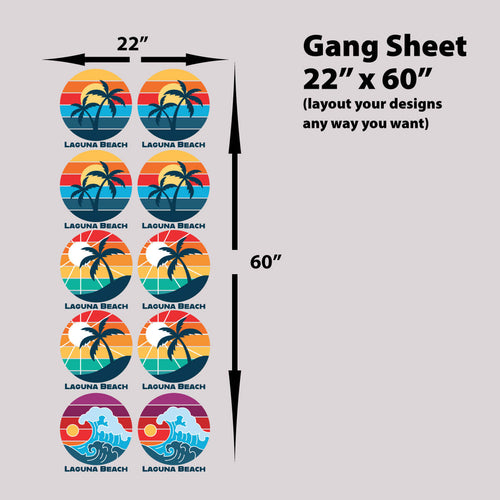
When you're searching for "dtf custom transfers near me," your goal isn't just to find someone local—it's to find a partner who delivers quality and value. A huge part of that value comes from understanding the power of a gang sheet, which is just a single large transfer film packed with as many of your designs as possible.
Not too long ago, creating one of these meant firing up your design software and manually playing a frustrating game of digital Tetris. You'd drag, drop, and rotate every single graphic, trying to cram them all in without wasting an inch of expensive film.
The Old Way vs. The Smart Way
That old manual process was a huge time sink, and worse, it was inefficient. A few millimeters of wasted space between each design doesn't sound like much, but it adds up fast. Across a whole sheet, that could mean leaving entire designs on the cutting room floor and forcing you to buy more transfers than you actually needed.
Our Auto-build gang sheet builder totally flips that script. It’s a simple but incredibly powerful tool built for ease of use and cost-effectiveness, getting you the most bang for your buck. You just upload your individual design files—logos, graphics, anything—and the software handles the rest.
The builder uses smart algorithms to automatically nest your designs as tightly as possible, finding the most efficient layout in seconds. This isn't just about saving time; it minimizes film waste and slashes your cost-per-print. It’s a must-use tool for anyone ordering custom apparel. You can see a breakdown of just how much it streamlines the process in this post about how the new auto-builder feature is changing DTF gang sheet creation.
Here's a Real-World Example
Let's say a local brand needs ten different shirt designs for a pop-up shop. Ordering ten separate, small transfers would be insanely expensive and a logistical headache.
Instead, they can upload all ten print-ready files into the Auto-build gang sheet builder. The tool instantly arranges everything onto a single, perfectly optimized gang sheet. The cost difference is huge—they're paying for one large sheet instead of ten small ones, effectively crushing their per-design cost.
The secret here is economy of scale. When you print multiple designs at once, you're spreading the base cost of the film and labor across all those items. That makes each individual transfer significantly cheaper.
Of course, this all starts with good artwork. The diagram below shows the simple but critical prep steps that feed into this whole process.
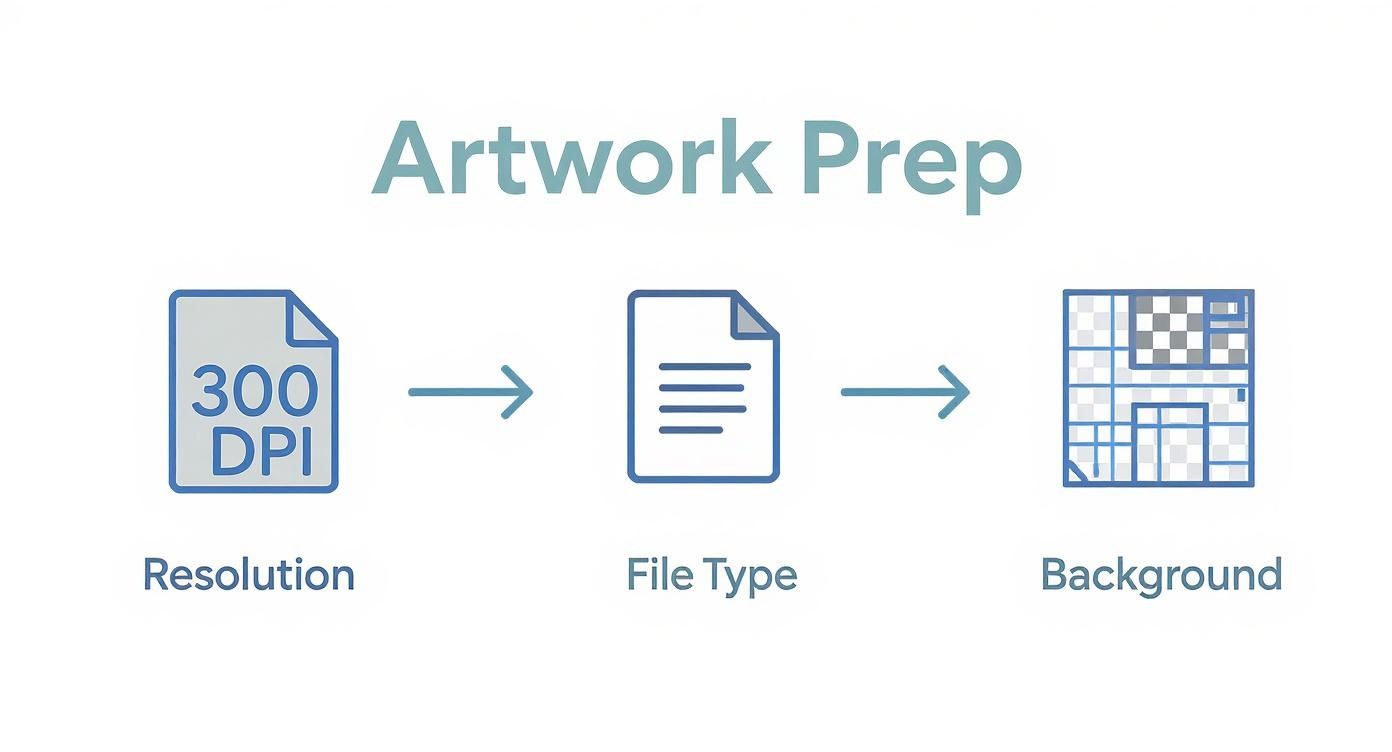
This workflow drives home a key point: getting the fundamentals right from the start is what makes a cost-effective, high-quality print run possible. A 300 DPI resolution, the correct file type, and a transparent background are non-negotiable.
By taking advantage of a tool like an Auto-build gang sheet builder, you tap directly into the efficiencies that make DTF printing so powerful. It ensures you get the maximum value every time you order DTF custom transfers near you, combining ease of use with cost-effectiveness.
Navigating the Order Process Like a Pro
https://www.youtube.com/embed/eixuXOZecEE
Okay, you've done the hard part. You found a solid local printer, your artwork is looking sharp, and you’ve even used their Auto-build gang sheet builder to get everything laid out just right for maximum cost-effectiveness. Now for the final step: placing the order and turning that digital file into a stack of press-ready transfers.
This is where the details really matter. Mess this up, and you could be looking at delays or reprints.
First thing on your mind should be turnaround time. Almost every shop will have a standard option and a rush service. Standard production might take a couple of business days, while a rush order could land on your doorstep in 24 hours—for a price, of course. Don't be afraid to ask what could slow things down. Is their main printer down for maintenance? Did a massive order just come in ahead of yours? It’s good to know.
Local Pickup or Shipping?
Since you went to the trouble of searching "dtf custom transfers near me," you probably have the choice between grabbing the order yourself or having it shipped.
Picking it up in person is almost always the fastest and cheapest route. You get your transfers the second they’re finished curing. Plus, it’s a great chance to inspect the prints right there on the spot and build a real relationship with the people behind the counter.
Shipping is undeniably convenient, though, especially if the shop is a bit of a drive or you're swamped. Just remember to account for potential shipping delays and the extra cost when you’re quoting your own customers.
Your Must-Ask Checklist Before You Pay
Before you hand over your credit card, a few quick questions can save you from a world of frustration. Think of this as your final check to make sure everyone is on the same page.
- "What’s your reprint policy?" You need to know what happens if something goes wrong—a color is off, the prints are smudged, whatever. A legit shop will have a clear, fair policy for fixing their mistakes.
- "Can I get a final digital proof?" Always, always ask for a final proof showing the exact size, colors, and layout. This is your last chance to catch a typo or a misplaced image before it’s too late.
- "What are your specific heat press instructions?" Never assume all DTF is the same. Ask for their recommended temperature, pressure, and time. Most importantly, find out if it’s a hot or cold peel. Getting that wrong will destroy the transfer and maybe even the shirt.
Get these answers in writing, even if it’s just a simple email confirmation. It creates a paper trail that protects you and the printer, ensuring there are no misunderstandings. This one small step is huge for building trust and setting you up for a great long-term partnership.
Answering Your Questions About Local DTF Transfers
Even when you think you've found the right local shop, a few questions always pop up. Getting straight answers is the only way to move forward with confidence. Here are some of the most common things people ask when searching for "DTF custom transfers near me," along with the no-nonsense answers you need.
Why Should I Even Bother With a Local Printer?
Honestly, it comes down to two things: speed and hands-on control. Working with a local shop completely cuts out shipping costs and the anxiety of potential delivery delays. That's a huge deal when you have a deadline breathing down your neck. It’s not uncommon to get your transfers the same day or the very next.
But more importantly, you can walk in and physically hold a sample. You can see the quality for yourself. Building a real relationship with a nearby printer almost always leads to better service, personalized advice, and way more flexibility when you have a last-minute or weird request. Online services are convenient, sure, but a local partner offers a level of trust and direct access you just can't get from a website.
How Can I Tell a High-Quality DTF Transfer From a Dud?
A top-tier DTF transfer gives itself away pretty quickly. The colors should be bright and perfectly match your original artwork. Look for clean, sharp edges—no fuzzy lines or color bleeding.
When you touch it, the transfer should feel soft and pliable, not thick and plasticky like a cheap sticker you'd get from a gumball machine. The real test, though, is the stretch test. A great transfer will stretch right along with the fabric without cracking, peeling, or complaining. And finally, it absolutely has to be durable enough to survive at least 50-100 washes without fading or falling apart.
A transfer that feels heavy or stiff before it's even pressed is a major red flag. Quality transfers are engineered to feel like they are part of the fabric itself, offering both durability and comfort for the person wearing the garment.
What Exactly Is a Gang Sheet? And What's This "Auto-Builder" I Keep Hearing About?
A gang sheet is just a big sheet of transfer film where multiple designs are printed together at the same time. Think of it like carpooling for your artwork—it's way more cost-effective than printing every single design on its own little sheet.
An Auto-build gang sheet builder is a tool that makes this process ridiculously easy. Instead of messing around in design software trying to manually cram your images together, you just upload your files. The software intelligently arranges them to use every last square inch of the film. This improves ease of use, slashes material waste, and is the most cost-effective way to bring down your cost per design. It is the single best way to get the most bang for your buck.
Are There Any Fabrics DTF Transfers Just Won't Work On?
DTF is a workhorse. It plays nicely with cotton, polyester, blends, nylon, and even tricky surfaces like leather. That versatility is one of its biggest selling points.
That said, it does have its limits. DTF can struggle with fabrics that have a heavy waterproof or chemical coating because the adhesive just can't get a good grip. Super textured materials, like a really coarse canvas or some types of sherpa fleece, can also cause problems. They don’t provide the smooth, even surface the transfer needs to make full contact. Always give your printer a heads-up about the fabric you're using so they can give you the right advice.
Ready to create your own professional-quality prints with unmatched ease and efficiency? At Lion DTF Transfers, our state-of-the-art auto-build gang sheet builder makes it simple to get the most value out of every order, ensuring you get vibrant, durable transfers fast.