


saYou need shirts fast. Maybe it’s for a launch, a school event, a weekend pop-up, a staff uniform order, or a merch test you should’ve placed three days ago. So you search t shirt printing near me, open a map pack, click through a few shop sites, and run into the same problems: unclear pricing, no real explanation of print methods, old galleries, and a quote form that tells you almost nothing.
That search still matters. The custom t-shirt printing market was valued at USD 5.82 billion in 2025 and is projected to reach USD 17.22 billion by 2034, growing at a 12.81% CAGR, according to Fortune Business Insights on the t-shirt printing market. More businesses, creators, teams, and sellers are ordering custom apparel, which means more options, but also more noise.
The good news is that “near me” doesn’t have to mean “whatever local shop happens to answer first.” The smarter buy in 2026 is usually the provider that gives you the right print method, a clean ordering workflow, and delivery speed that feels local even if the production model is more modern.
The Problem with Searching T Shirt Printing Near Me
Most local search results still push you toward a traditional screen printer, whether that’s the right fit or not. That works fine if you need a large run of simple graphics and you already understand setup fees, color separations, and production timing. It’s a bad fit when you need a handful of shirts, full-color artwork, mixed garment types, or quick design changes.
What buyers actually run into
The first issue is visibility without clarity. A shop may say it does custom shirts, but that doesn’t tell you whether it handles cotton only, whether it can print fine detail, or whether your small order will get priced like a rush inconvenience.
The second issue is method mismatch. Many local shops are built around screen printing because that’s what their equipment and workflow favor. If your design has gradients, tiny text, or a lot of colors, they may either simplify the art or quote it in a way that makes a small run hard to justify.
The third issue is turnaround confusion. “Same day” can mean same-day proofing, same-day print on very limited styles, or same-day only if the blank shirts are in stock and your design is extremely simple.
Practical rule: Don’t judge a printer by distance alone. Judge them by method, proofing process, and whether their workflow matches your order size.
Why local isn’t always the most practical choice
A lot of buyers think local automatically means faster and easier. In practice, a specialized transfer provider with fast shipping or pickup options can be more predictable than a general local shop juggling embroidery, signs, team stores, and screen print jobs in one queue.
That matters because those searching t shirt printing near me aren’t really buying geography. They’re buying certainty. They want to know the shirt will look right, arrive on time, and survive the wash.
Decoding Your Local Printing Options DTF vs DTG vs Screen Print

If you don’t know the print method, you can’t compare quotes intelligently. The three methods most buyers run into are DTF, DTG, and screen printing. They can all produce good shirts. They just solve different problems.
Printing Method Comparison
| Feature | Direct-to-Film (DTF) | Screen Printing | Direct-to-Garment (DTG) |
|---|---|---|---|
| How it works | Design prints onto film, then heat pressed onto garment | Ink pushed through screens, one screen per color | Ink prints directly onto the shirt |
| Best use case | Small runs, full-color art, mixed fabrics | Larger runs, simpler art, repeat jobs | Detailed artwork on cotton, smaller one-off jobs |
| Fabric flexibility | Strong on cotton, polyester, and blends | Good, depends on ink and setup | Best known for cotton |
| Setup burden | Low | High | Low to moderate |
| Small-order fit | Strong | Weak for many small orders | Often decent |
| Visual character | Vibrant, versatile, strong detail | Crisp, bold, high-fidelity look | Soft-feel, printed-into-garment look |
| Common limitation | Press quality matters | Setup time and per-color setup costs | Fabric limitations and pretreatment considerations |
Screen printing works when the order fits the process
Screen printing still earns its place. For bigger runs, especially with fewer colors, it’s efficient and durable. The issue is that buyers often get pushed into it when their order doesn’t justify it.
For small runs under 100 shirts, screen printing can be 40-60% less cost-efficient than DTF because setup fees run $20-50 per color, according to Custom Tees Now’s apparel printing guide. That’s why small brands testing designs, event organizers ordering limited sizes, and creators producing short merch drops often feel sticker shock when they ask a local screen shop for a quote.
DTG is useful, but narrower than many buyers think
DTG prints directly onto the garment, which can produce detailed results and a softer feel on the right cotton blank. It’s a solid option when you want a one-off or a short run on cotton and your artwork benefits from that direct print look.
But DTG isn’t the universal answer some buyers assume it is. Fabric choice matters more. Production consistency matters more. And if you’re ordering for mixed shirt types or want an easier path across different materials, DTG can become limiting.
If you want a deeper technical breakdown, this guide on DTF vs DTG printing lays out the differences in a buyer-friendly way.
DTF is the flexible modern option
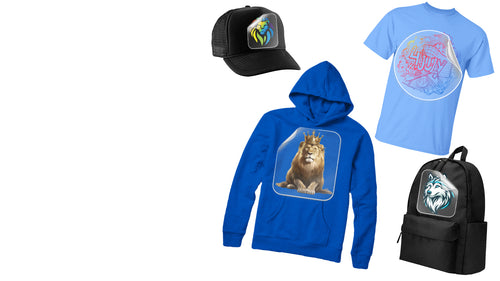
DTF prints the design onto film, adds adhesive powder, cures it, and then transfers it with heat. That matters because it separates the print production from the garment application step. For buyers, the practical result is simple: more flexibility, fewer setup headaches, and easier small-batch ordering.
DTF is usually the right conversation when your design is full-color, your garment mix isn’t uniform, or your order size doesn’t justify screen setup. It’s also easier to use with gang sheets, which makes it more cost-conscious for people ordering multiple logos, left chest prints, sleeve art, youth sizes, and test graphics in one job.
The best print method isn’t the one your local shop prefers. It’s the one that fits your artwork, fabric, order size, and deadline.
A Practical Checklist for Vetting Local Printers

A good printer should make your order clearer, not murkier. If you have to drag basic answers out of them before you’ve even approved art, that’s usually a warning sign.
Industry forums show that 40-60% of DIY and small business users report failures like peeling or fading because they didn’t get clear instructions from local shops, according to this write-up on local custom printing gaps. That’s why vetting matters. You’re not just buying output. You’re buying process quality.
Questions worth asking before you order
- What print method are you recommending, and why? If they can’t explain why screen print, DTG, or DTF fits your order, they’re asking you to trust a default.
- Is there a minimum order? Some shops welcome small runs. Others price them in a way that effectively pushes you away.
- How do you price multi-color artwork? You want to know whether the quote changes based on color count, size, placement, or garment mix.
- Can I see a proof before production? That can be digital or physical, depending on the job, but you should know what approval step exists.
- What file types do you accept? A printer who gives clear file guidance saves everyone time.
- What happens if I need mixed sizes, mixed shirt colors, or multiple placements? These situations often reveal weak workflows.
- Do you provide pressing or care instructions? That’s essential for transfers and useful for any decorated garment.
What strong answers sound like
You’re listening for specificity. Not polished sales language. A good shop will talk plainly about artwork limits, turnaround windows, garment compatibility, and how they handle reprints if there’s a production error.
A weak shop tends to answer in broad promises. “We can do anything” is less reassuring than “that fine text may fill in at that size, so let’s thicken the lines before print.”
Ask one question that tests honesty: “What kind of order are you not the right fit for?” Good operators answer that directly.
The Modern Choice Why DTF Transfers Win for Speed and Quality

A creator needs 15 shirts for a weekend pop-up. The artwork is full color, the sizes are mixed, and half the order is on cotton while the rest is on a poly blend. That job exposes the limits of the usual local-shop workflow fast.
DTF fits this kind of order well because it removes a lot of the setup friction. You can run detailed, full-color graphics without separating every color for screens, and you are not boxed into one garment type. For small brands, event merch, staff shirts, and test runs, that flexibility saves both time and wasted inventory.
Why DTF fits how people order now
A lot of shirt orders are not clean wholesale jobs. They come in with mixed garment colors, a handful of sizes, and art that was built for social media first, not for traditional screen print. That is where DTF has become the practical option.
It handles variation better than methods that depend on longer setup and tighter garment constraints. A single design can move across cotton, polyester, and blends with less rework, which is why many shops now use transfers for orders that used to be awkward to quote or slow to produce.
Durability and wash performance depend heavily on film quality, adhesive powder, curing, and press settings. The takeaway for buyers is simple. A good DTF transfer can hold up well, but process control matters.
What works, and what usually fails
DTF rewards disciplined production. Clean artwork, proper curing, even powder coverage, and correct press pressure are what separate a sharp, durable print from one that starts peeling early or feels too heavy on the shirt.
I see the same mistakes over and over. Low-resolution art creates fuzzy edges. Operators rush the cure, then wonder why adhesion is weak. Presses set by guesswork leave cold spots or too much pressure. None of those problems are random. They are production errors.
If you want to understand the process before ordering, this guide to DTF transfers and gang sheet workflows gives a useful baseline for how transfers are prepared and used.
Where DTF beats the local shop model
The advantage is not just print quality. It is workflow.
A local shop built around screen printing may still be the right call for a large, simple run on one garment. But once an order gets more customized, more colorful, or more urgent, DTF often gives you a cleaner path with fewer quote changes and fewer production compromises. Many local decorators use that same approach behind the scenes because it helps them handle short runs and mixed orders without slowing the whole shop down.
If your design is full color, your quantity is modest, and your garment mix is not simple, DTF is usually the safer choice.
How to Get Near Me Speed with Lion DTF Transfers
A typical local shop delay looks like this. You send art on Monday, wait for a quote on Tuesday, approve a proof on Wednesday, then find out the press date moved because a larger order jumped ahead of yours. If your real goal behind searching t shirt printing near me is fast turnaround with fewer handoffs, a transfer-based workflow usually gets you there faster.

Start with artwork that prints cleanly
Good speed starts before production. Bad files slow everything down because someone has to fix edges, remove backgrounds, or explain why the print looks soft.
Send artwork with a transparent background, correct dimensions, and enough resolution for print. In practical terms, that means sharp edges, readable small text, and no blurry screenshots pulled from social media. Color also needs realistic expectations. A calibrated print workflow can reproduce color very well, but muddy source files still produce muddy transfers.
If you are unsure whether your file is usable, clean it up before ordering. That step saves more time than any rush option.
Use gang sheets to cut setup time and waste
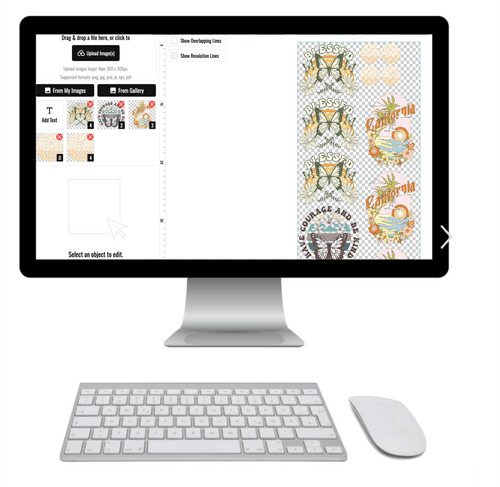
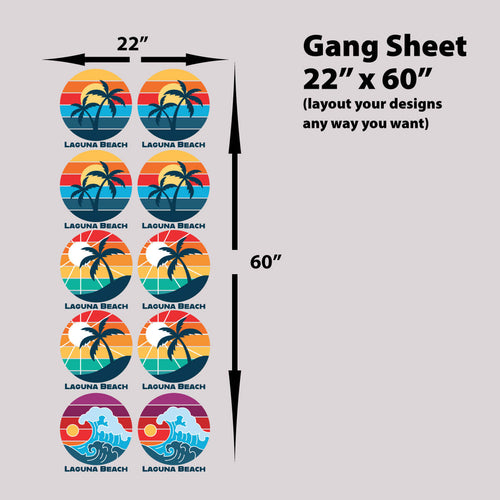
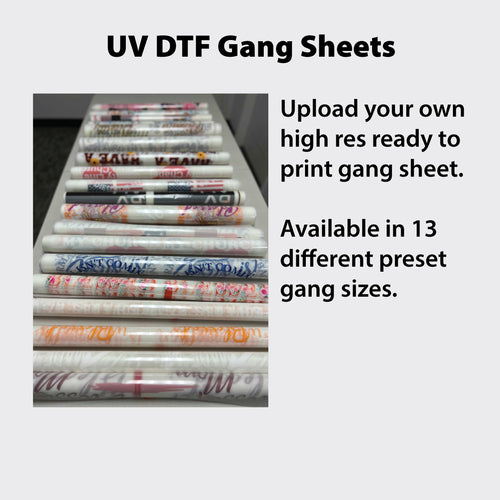
A gang sheet makes sense when you have more than one placement, size, or design. You load multiple graphics onto one sheet, then cut them apart after printing. That keeps ordering simple and usually lowers your cost per graphic.
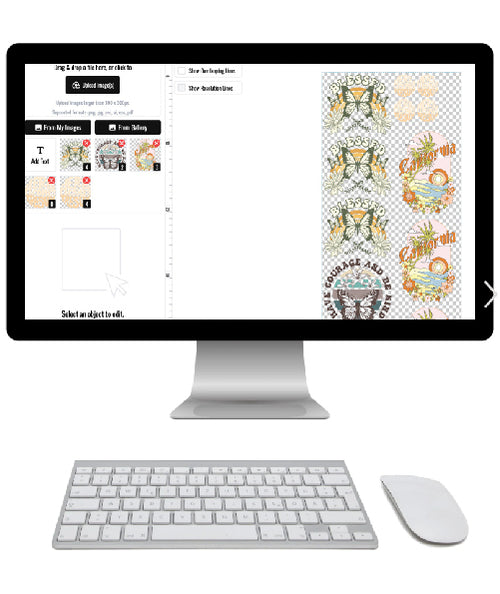
An Auto-build gang sheet builder helps because it packs artwork tightly without forcing you to drag every logo into place by hand. For a small brand, school event, or creator drop, that matters. Empty space on a sheet is money you already spent.
Gang sheets work especially well for orders like these:
- Front and back prints for a short run
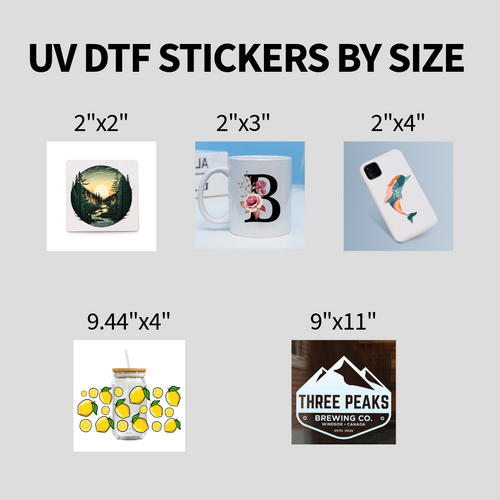
- Youth and adult sizes of the same logo
- Sample designs before a wider launch
- Event shirts with sponsor marks and date changes
If layout is the part you always get stuck on, a done-for-you gang sheet option is usually worth it.
Match the order method to the deadline
Fast service is not only about physical distance. It is about how many steps sit between your file and the press. Centralized DTF fulfillment often beats a nearby shop because the system is built for upload, print, and ship, instead of quote, revise, schedule, and squeeze into production.
Buyers who want that balance of convenience and turnaround can review the process in this guide to custom DTF transfers near me.
Use this workflow if you want fewer surprises:
-
Pick the right format
Choose individual transfers for one graphic size. Choose a gang sheet for multiple graphics or placements. -
Upload final art
Check transparency, print size, and edge quality before submitting. -
Confirm placement sizes
Left chest, full front, sleeve, back neck, and full back all need different dimensions. -
Choose the fastest realistic fulfillment option
Select rush production or expedited shipping based on the actual in-hands date you need. -
Press one sample first
Test placement and feel before running the full batch.
Here’s a short visual walkthrough of the process:
The final result depends on the press
This is the part new buyers underestimate.
A strong transfer can still fail if the press runs uneven, the garment holds moisture, or the operator rushes the peel. Use a real heat press. Pre-press the shirt for a few seconds if the fabric feels damp or heavily wrinkled. Follow the supplied temperature, pressure, and peel instructions exactly, then write down the settings that worked.
That simple habit saves reprints. It also gives you a repeatable process, which is how you get local-style speed without local-shop bottlenecks.
Your Next Steps to Perfect Custom T-Shirts
The fastest way to waste money on custom apparel is to buy from the first result that appears for t shirt printing near me without checking the print method, proofing process, and fulfillment fit. Most frustrations come from a mismatch between the order and the shop’s preferred workflow.
For many modern orders, DTF solves that mismatch. It handles full-color art, short runs, varied garments, and fast turnaround more cleanly than the old local-only model. That doesn’t make every local printer wrong. It means you should buy based on production logic, not map distance.
If you want cleaner ordering and better sheet efficiency, start with the Auto-build gang sheet builder. If you don’t want to handle layout yourself, use a done-for-you gang sheet option. And if your deadline is tight, choose the fulfillment path that gives you real speed, not vague promises.
Good shirts come from good decisions before production starts.
Frequently Asked Questions About T-Shirt Printing
What file format is best for custom shirt printing
A transparent PNG is often the easiest format for transfer ordering when your artwork is already finalized. Vector files are even better when available because they scale cleanly and give the printer more flexibility. The main goal is simple: sharp edges, no unwanted background, and enough resolution for the print size.
Can I print just one shirt
Yes, but the right method matters. One shirt is rarely an ideal screen print job because of setup burden. Transfer-based workflows and some DTG setups are usually more practical for one-offs and test prints.
What is a gang sheet
A gang sheet is one larger sheet that holds multiple designs, logos, or size variations. You cut out each graphic after printing. It’s one of the simplest ways to reduce waste and organize multi-design orders, especially when you use an Auto-build gang sheet builder to arrange the sheet efficiently.
How do I make my custom shirts last longer
Wash them inside out, use mild detergent, avoid extreme heat, and don’t treat decorated areas roughly. The exact care instructions may vary by print method, so follow the printer’s guidance. Good care won’t fix a bad print, but it will protect a good one.
Is screen printing still worth it
Absolutely, for the right order. If you have a larger batch and simpler artwork, screen printing still makes sense. It becomes less attractive when your run is small, the art is complex, or you need flexibility across different garments.
Why do some custom shirts peel or crack
Usually because of process issues. The common causes are poor transfer quality, bad pressing technique, wrong temperature, wrong pressure, or weak instructions. That’s why asking better questions before ordering matters just as much as the artwork itself.
If you’re ready to stop guessing and get professional transfers into production quickly, Lion DTF Transfers gives you a practical path forward. You can upload print-ready artwork, use the Auto-build gang sheet builder to pack designs efficiently, choose done-for-you gang sheet help if needed, and order with fulfillment options that support tight timelines.