



You’re usually not searching custom dtf transfers near me for fun. You’re searching because a deadline is already breathing down your neck.
Maybe a client approved artwork late. Maybe your school booster order needs to be pressed tonight. Maybe your merch drop is tomorrow and shipping feels like a gamble. In that moment, “local” sounds like the safest answer. Sometimes it is. Sometimes fast shipping is the smoother option. The difference comes down to details most shops don’t explain until after you upload your art.
That’s where people lose time.
A solid local DTF order isn’t just about finding the nearest print provider. It’s about checking whether pickup is practical, whether your file will pass prepress, and whether the transfer you receive will press cleanly without surprises. If you know what to look for, you can avoid the usual problems and get straight to production.
Why Sourcing Local DTF Transfers Changes the Game
When a job is urgent, local access changes how you plan. You can stop guessing about transit delays, stop refreshing tracking pages, and work with a shop that can answer a real question before your order goes to print. For a lot of small brands, promo companies, and print shops, that alone is worth the search.

DTF became the go-to for this kind of work because it solves several production problems at once. It works across fabrics like cotton, polyester, spandex, and denim, and top providers offer 60+ wash durability, 10-second application, and pricing as low as $0.017 per square inch, according to Custom Transfers' DTF market overview. That combination matters when you need full-color prints without screen setup delays.
What local actually helps with
Local ordering helps most when your job has moving parts. You may need to confirm color, swap artwork, or split one gang sheet into several presses across different garments. Being able to call, text, or pick up the same day removes friction that online-only workflows often add.
It also helps when you’re still learning. New buyers often need guidance on file setup, peel behavior, and press settings. A nearby provider can sometimes catch an issue before it becomes wasted film and wasted blanks.
Practical rule: Local is most valuable when speed, communication, and correction matter more than pure distance.
Where local wins and where it doesn’t
Local pickup sounds perfect on paper. But “near me” isn’t always the cheapest or fastest path once you factor in drive time, order cutoff times, and whether pickup is available that day.
Use local DTF when:
- You need same-day access: Event apparel, rush client orders, and replacement prints are the obvious use cases.
- You want direct communication: Fast answers matter when artwork is borderline or garment choice is changing.
- You’re testing a provider: A small local pickup order can tell you a lot about print quality and consistency.
Fast shipping can be the better call when:
- Pickup windows are narrow: If you can’t leave your shop during production hours, “local” may cost you more in time.
- The provider is local in name only: Some pages target cities without running a convenient pickup counter.
- You already have clean files: If your workflow is dialed in, next-day delivery can be simpler than driving.
That’s the key benefit of searching custom dtf transfers near me. It’s not just about distance. It’s about reducing the risk between approved artwork and a finished shirt.
Locating and Vetting Nearby DTF Print Shops
A quick map search will give you options. That’s the easy part. The harder part is figuring out which shop runs a reliable DTF workflow and which one just added the term to a service page.

A lot of buyers stop after finding a nearby listing with decent reviews. That’s not enough. Local DTF can save your job, but only if the shop is clear about turnaround, pickup rules, and file expectations.
Start with a real search process
Use a mix of map results, local business listings, and apparel-focused searches. Broad terms like “DTF printing” can pull in companies that mainly do other decoration methods and outsource transfers.
Check these first:
-
Business pages with ordering details
If the site doesn’t explain gang sheets, file setup, or turnaround, that’s a weak signal. -
Recent customer photos
You want to see actual print output, not mockups. -
Service language
Look for specifics around hot peel, gang sheets, design support, and shipping or pickup options.
If you need another reference point for comparing local apparel print options, this guide on printing T-shirt services near you helps frame what to ask before placing a rush order.
Ask pickup questions before you upload anything
Many local printers promote “same-day pickup,” but the hidden details matter more than the headline. According to Custom Transfers' Chicago local pickup discussion, inconsistencies in availability, unstated pickup fees, and limited hours can undercut the value of local service, and over 30% of customers base the purchase decision on reliable fast local access.
That matches what trips people up in real orders. They assume pickup means immediate availability. Then they find out pickup only opens during a narrow window, or only after production closes, or not on weekends.
Ask these before paying:
- What’s the actual pickup window for the day you need it?
- Is there any rush fee or pickup fee not shown in the cart?
- Are weekends and holidays covered, or only standard business days?
- Is the job printed in-house, or transferred from another location?
- If my file has an issue, who contacts me and how fast?
A local order isn’t convenient if you have to drive across town twice because the first pickup window was “pending confirmation.”
Vet the shop like a production partner
Don’t evaluate only on price. Evaluate on whether they’ll be easy to work with once a problem shows up.
Here’s a simple decision table:
| What to check | Good sign | Red flag |
|---|---|---|
| Website clarity | Clear ordering types, file specs, support info | Vague service page with no process details |
| Reviews | Recent comments about speed and consistency | Generic praise with no mention of transfers |
| Artwork help | Mentions vectorization or design assistance | “Upload only” with no guidance |
| Turnaround | Clear same-day, next-day, or production windows | “Fast service” with no specifics |
| Pickup details | Address, hours, process explained | “Local pickup available” with no details |
What works best for first orders
For a first local DTF order, keep it small and diagnostic. Send one clean design. Ask one or two direct questions. Judge how they respond.
Good shops answer plainly. They’ll tell you if your file needs work, whether your timeline is realistic, and what pickup means in practice. That’s what you want. Not marketing language. Not vague promises.
How to Judge Transfer Quality Like a Pro
A DTF transfer can look good on a website and still give you problems on press. The easiest way to avoid that is to evaluate the transfer itself like a shop would.

You don’t need a lab setup for this. You need a sample, decent light, and a willingness to inspect the boring details. That’s where quality shows up.
Start with the print face
Look closely at edges first. Fine text, outlines, and corners tell you more than a big bold graphic ever will. If the edge looks fuzzy, swollen, or slightly muddy on film, it won’t improve after pressing.
Then check color behavior. Solid fills should look even. Gradients should be smooth. Whites should support the design instead of making it look chalky or overly heavy.
Use this quick inspection list:
- Small details: Tiny text and thin lines should stay clean.
- Color separation: Adjacent colors shouldn’t bleed into each other.
- Film cleanliness: Excess powder or debris around the design is a warning sign.
- Consistency across the sheet: One great print and several weak ones on the same gang sheet means unstable production.
Judge feel after pressing
The real test starts after application. A transfer shouldn’t feel like a stiff sticker glued to the garment. Good DTF has structure, but it should still move with the fabric.
According to DTF Virginia’s service data, professional DTF transfers are built for over 100 wash cycles, can be applied in as little as 10 seconds, and same-day services in major markets maintain a 4.9/5 customer satisfaction rating by meeting durability and speed expectations. Those numbers are useful, but your hands will tell you a lot before the first wash ever happens.
After pressing, check:
- Edge seal: Run a finger lightly over the perimeter. Edges shouldn’t lift.
- Flex: Stretch the fabric gently. The print should move with it, not fight it.
- Surface feel: It should feel finished and bonded, not dusty or tacky.
If a transfer feels heavy before the garment even leaves the press, it usually won’t feel better after repeated wear.
Do a simple wash check at home
You don’t need to replicate a commercial test. You just need to catch obvious weakness early. Press a sample onto the actual fabric type you plan to sell or use. Then wash it the way the end customer likely will.
Pay attention to:
- Cracking at the edges
- Color dulling
- Texture change after drying
- Any lifting in thin detail areas
Ask one smart color question
Most buyers ask, “Will it be vibrant?” That’s too broad. Ask how the shop handles color matching for logos and dark garments.
A provider that understands color management will give you a practical answer. A weaker one will just repeat “colors may vary.” That’s true, but it doesn’t help you make a decision. You want a printer that treats your art as production, not just an upload.
Preparing Print-Ready Files for Perfect Transfers
Most failed first orders start before printing. They start with the artwork.

A lot of customers assume the printer can “clean it up.” Sometimes they can. Sometimes they can’t, at least not without delaying the job or changing the look of the design. If you want a smooth local DTF order, file prep is where you save the most time.
The non-negotiables
The baseline requirement is simple. Use vector art when possible, or a 300 DPI PNG when vector isn’t available. According to Axo Transfers' file prep guidance, 15-20% of DTF orders from non-designers are rejected or delayed because of incorrect file setup such as low resolution or wrong file type.
That’s why clean file prep matters more than people think.
Your checklist:
- Resolution: Use 300 DPI artwork for raster files.
- Background: Keep it transparent. Hidden white or colored boxes create bad surprises.
- Format: PNG works for many orders. AI and EPS are better when you need scalable art.
- Sizing: Build the file at the size you want printed.
- Clean edges: Remove halos, compression artifacts, and rough cutout traces.
What causes the most problems
The most common problem is the “looks fine on my screen” file. Usually that means a web image, screenshot, or flattened logo pulled from social media. It may look acceptable on a phone, but once printed, the soft edges and compression show immediately.
Another issue is fake transparency. Customers often save a file with a white background and assume the printer will remove it. Some shops offer cleanup help. Some don’t. If you’re ordering under a deadline, don’t leave that to chance.
Here’s a practical comparison:
| File issue | What happens in production | Better approach |
|---|---|---|
| Low-resolution image | Pixelation and soft edges | Recreate or request original art |
| JPEG with background | Boxed print area or cleanup delay | Export transparent PNG |
| Wrong size art | Tiny print or forced scaling | Set dimensions before upload |
| Mixed color expectations | Brand colors shift on output | Ask for guidance before ordering |
Shop-floor advice: If your logo came from a website header, social profile, or screenshot, assume it needs work until proven otherwise.
Gang sheets save money only if the layout is clean
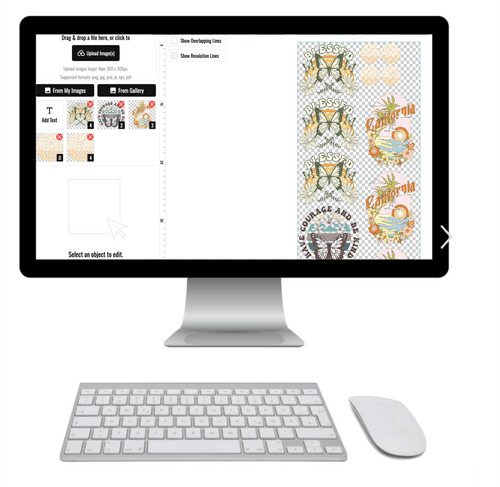
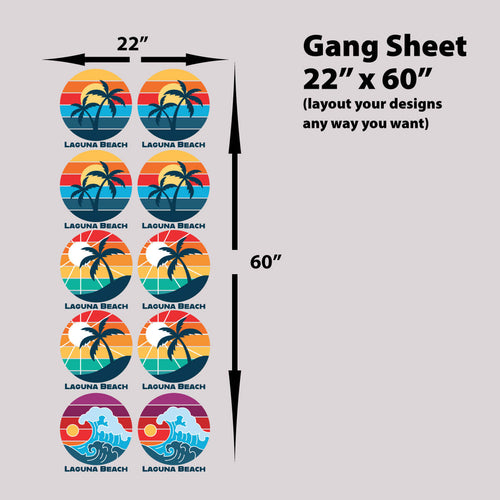
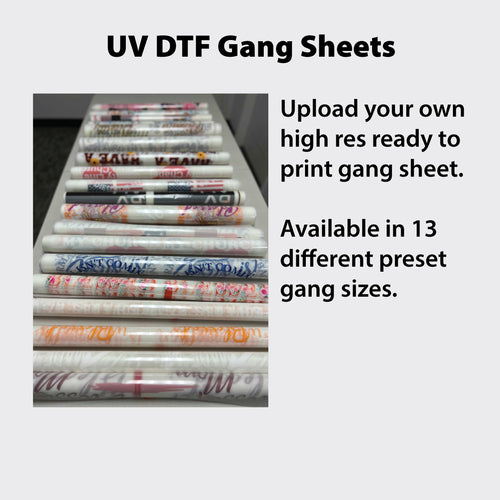
Gang sheets are one of the easiest ways to lower cost and increase output, but they only work well when the layout is intentional. Random spacing, oversized art, and mixed file quality can turn a “value” order into a confusing sheet that takes longer to cut and press.
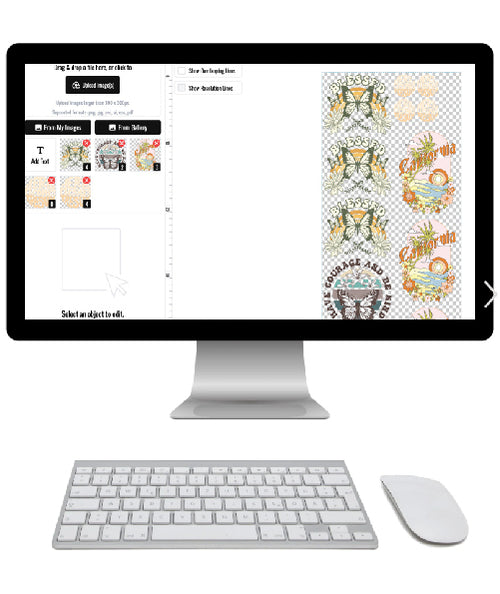
For buyers who don’t want to manually build layouts, the Auto-build gang sheet builder is the simplest route because it helps place designs efficiently and makes cost control easier. If your files are uneven or you’re not sure how to arrange repeats, the We Build a Gang Sheet for You option removes that setup burden and helps keep the order usable once it arrives at the press.
If you’re still sorting out file types before uploading, this guide on the best file format for printing is worth reviewing.
A quick visual walkthrough can also help if you’re new to gang sheets and file setup:
A simple pre-upload routine
Before you submit any order, do this:
- Open the file at full size on a large screen.
Check edges, tiny text, and transparency. - Zoom in hard.
If it falls apart on screen, it won’t recover in print. - Confirm final dimensions.
Don’t rely on memory. - Decide whether it belongs on a gang sheet.
Small logos, left chest prints, sleeve hits, and repeat designs usually do. - Ask for help early if the art is weak.
Waiting until checkout is what turns a same-day idea into a delayed order.
What works for non-designers
If you’re not a designer, don’t try to brute-force your way through file prep with screenshots and guesswork. You’ll spend more time fixing mistakes than you would by using a support option from the start.
The best workflow for non-designers is straightforward. Gather the cleanest version of your logo or artwork you have. Be honest about whether it’s print-ready. Then use a service that can handle vectorization, gang sheet setup, or basic cleanup without turning the order into a back-and-forth mess.
That approach saves blanks, saves press time, and keeps your first local DTF order from becoming a troubleshooting session.
Ordering Made Easy with Lion DTF Transfers
When your artwork is ready, the ordering process should feel simple. You should be able to decide whether your job belongs on a gang sheet or in a by-size order, upload the file, review the layout, and move on.
That’s where Lion DTF printing solutions fit well for buyers who want both local and ship-ready options. The site supports ordering by size, custom gang sheets, and support for customers who need help getting their artwork into usable shape. It also includes the Auto-build gang sheet builder, which is the fastest option when you want to pack multiple logos or designs onto one sheet without manually placing every piece.
Choose the order type that matches the job
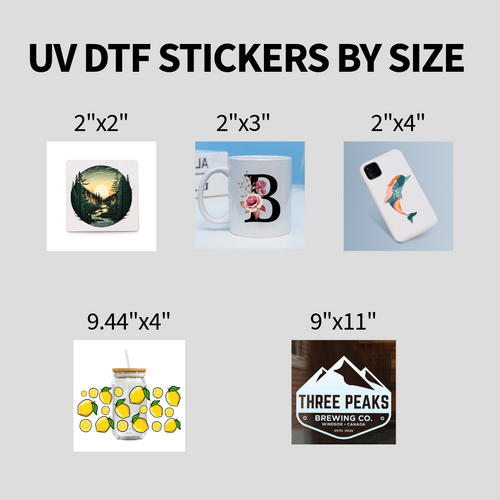
Use by-size ordering when you have one design and a clear print dimension. It keeps things straightforward.
Use a gang sheet when you have:
- Left chest logos plus full back prints
- Multiple size variations of the same design
- Team names, event graphics, or repeat decals
- Mixed artwork that needs to be pressed across several garments
If you don’t want to build the layout yourself, the We Build a Gang Sheet for You service is the practical fallback. That’s especially useful for first-time buyers, schools, promo teams, and anyone working from mixed asset files.
Match the turnaround to the job
Fast service only helps if it fits your actual workflow. If you’re local and need the transfers in hand quickly, same-day pickup can make sense. If you’re outside the area or need a backup plan, shipping options are often the cleaner route.
The main point is to choose based on production reality. If your press schedule is locked and your garments are already staged, speed matters. If your artwork is still changing, support matters more.
Order the way you plan to produce. Don’t choose pickup just because it sounds faster if shipping would actually get the job into your hands with less disruption.
Your Next Steps for Fast Local DTF Prints
If you’re searching custom dtf transfers near me, keep the process simple. Find a provider that’s clear about turnaround. Verify what “local pickup” really means. Inspect quality before you scale an order. Send clean artwork the first time.
Those four steps eliminate most of the friction that slows down first-time DTF buyers.
The best local order isn’t always the shop closest to you. It’s the one that gives you a usable transfer, a realistic timeline, and enough support to keep the job moving. That matters whether you’re pressing ten shirts for a school event or running repeat orders for customers every week.
If your file is ready, build the sheet and place the order. If it isn’t, get help before checkout. That’s the fastest path in real production.
Common Questions About Local DTF Transfers
Is local pickup always better than shipping
No. Local pickup is better when the provider has a real same-day workflow, clear pickup windows, and easy communication. If pickup hours are limited or the location isn’t convenient, shipping may be less disruptive to your schedule.
What file should I send for my first DTF order
A vector file is the safest option. If you don’t have one, send a high-resolution PNG at 300 DPI with a transparent background. Avoid screenshots, social media images, and JPEGs with white backgrounds if you want a clean result and fewer delays.
Should I order by size or use a gang sheet
Order by size when you have one design and know the exact dimensions. Use a gang sheet when you’re combining multiple logos, repeat prints, or several placements in one order. If you don’t want to lay it out manually, the Auto-build gang sheet builder is the easiest route, and We Build a Gang Sheet for You is the better choice when your files need more hands-on setup.
If you need fast, reliable help with your next transfer order, Lion DTF Transfers offers custom gang sheets, by-size DTF orders, same-day pickup options, shipping support, and hands-on help with file prep, vectorization, and layout so you can move from artwork to press without wasting time.