



Your chapter needs shirts before the next service project, the officers have different design ideas, and the size list still isn't finished. Someone wants a large back graphic. Someone else wants the cheapest option. Meanwhile, your adviser needs artwork they can approve, not another screenshot from a group chat.
Good Key Club T-shirts start with a production plan, not a slogan. Decide what the shirt should say about your service, who will wear it, and how it will be washed. Then choose the design, blank, and ordering method that fit those decisions.
Key Club T-Shirt Options at a Glance
Key Club T-shirt design options compared
| Option | Best for | Main trade-off |
|---|---|---|
| Front-only print | Team name and chapter logo | Least print area, fastest to proof |
| Front plus sleeve | Officer titles or project labels | More artwork to check before printing |
| Back graphic | Service campaign, district or convention name | Harder to see in photos, longer print area |
| Multilingual text | Bilingual chapters | Translation must be checked by a native reader |
| Limited campaign edition | One service project or year | Small run, higher cost per shirt |
Choose the option that carries your main message, rather than filling every available print location. More decoration means more placement decisions, more proofs, and more opportunities for an incorrect title or outdated detail to reach production.
Match the layout to the job
- Front-only print: Start here for recruitment or a new chapter. Put the chapter identity where someone can read it while talking to a member, and leave enough space around the artwork that it doesn't look crowded.
- Front plus sleeve: Useful when attendees need to identify officers or project leaders. Confirm which sleeve receives the detail, and check titles against the final officer roster.
- Back graphic: Give a campaign illustration or convention identity room to breathe. Keep essential identification on the front if most school photographs show members facing the camera.
- Multilingual text: Use equal care with both languages. Have a native reader check meaning, spelling, line breaks, and whether the wording sounds natural rather than mechanically translated.
- Limited campaign edition: Appropriate when the project itself deserves a keepsake. Avoid committing to speculative stock just because a dated graphic looks exciting.
Ask students whether they'd wear the design outside a club event. An elaborate illustration may win a design vote but still feel too busy for everyday use.
Practical rule: Decide the message first, then choose the smallest print arrangement that carries it clearly.
Choosing Blanks for Repeated Wear
Choose the blank before finalizing artwork dimensions. A shirt for indoor meetings has a different wear load from one used for outdoor cleanup, lifting supplies, and repeated laundering.
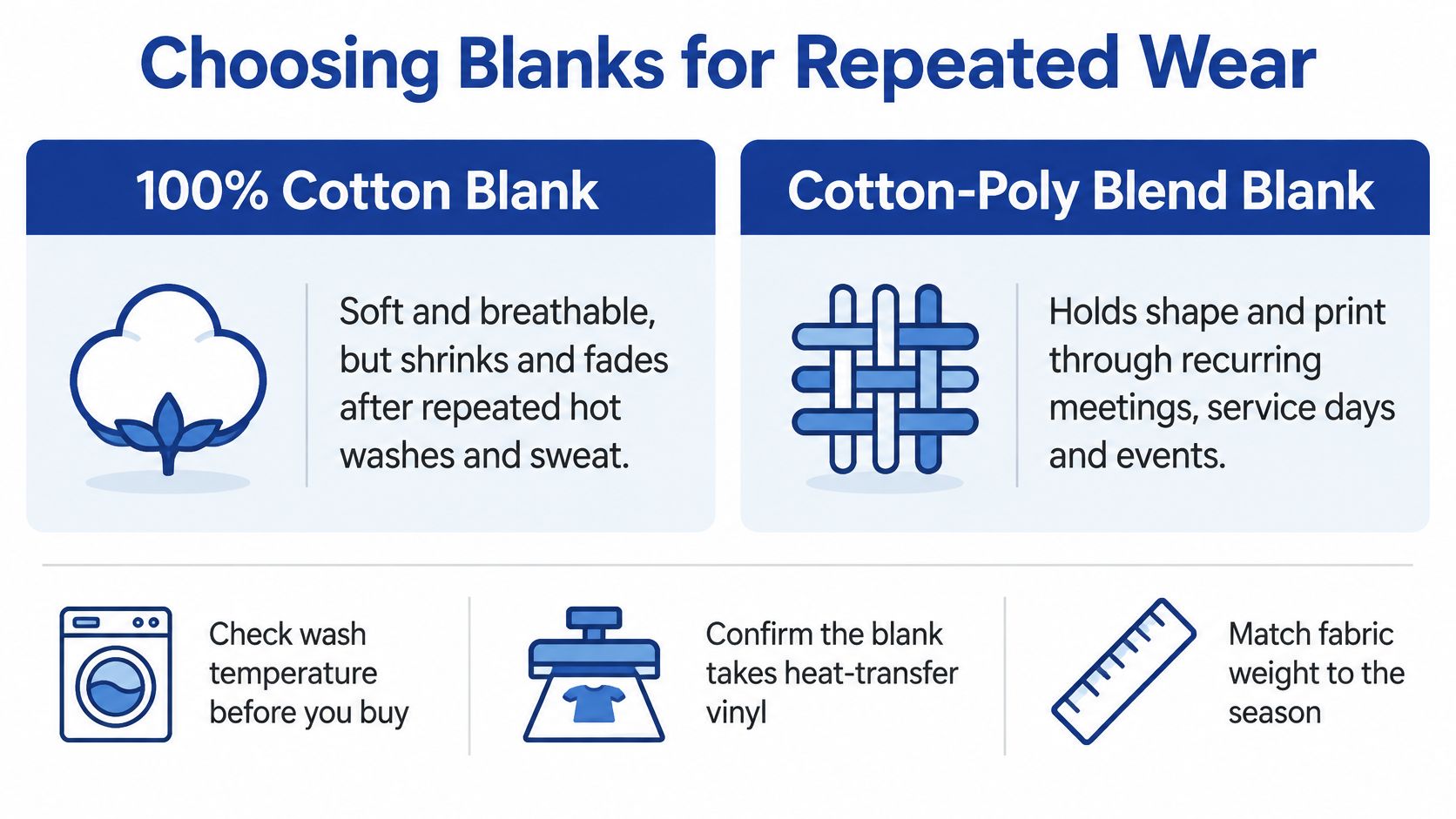
Fabric composition matters, but it isn't the whole specification. In a study published in the Indian Journal of Fibre & Textile Research%2024-30.pdf), polyester blends with cotton or modal showed improved moisture-management properties compared with 100% polyester, under controlled conditions of 21 ± 1°C and 65 ± 2% relative humidity. That finding supports comparing actual fabrics, not assuming that every synthetic shirt handles sweat better.
Blank fabric types for Key Club shirts
| Blank type | Main strength | What to check |
|---|---|---|
| 100% polyester | Fast drying and durable | Weaker moisture handling than the tested blends |
| Polyester and cotton blend | Balanced moisture handling | Shrinkage after the first wash |
| Polyester and modal blend | Comfortable next to the skin | Confirm care label and print adhesion |
| 100% cotton | Soft, familiar feel | Slower drying in active use |
Use this comparison as a starting point, not a guarantee about every blank.
Check the construction and the decorated sample
Fabric weight, knit construction, stretch, opacity, and surface smoothness all affect the result. A lightweight shirt may feel comfortable outdoors but show through under strong light. A stretchy blend may suit active work, yet need artwork that doesn't leave a large, stiff panel across the chest.
Compare garment measurements rather than assuming the same size name means the same fit across suppliers. Our guide to choosing blank T-shirts for printing can help narrow the shortlist before sampling.
Decorate a sample with the intended transfer and use the intended wash cycle. Include representative garments across the size range so the print doesn't overwhelm smaller shirts or disappear on larger ones.
Record dimensional change, color change, cracking, and edge lifting. Measure before and after laundering, photograph the same areas, and keep the results with the blank specification. If the decorated sample fails, change the blank, transfer specification, or application settings before buying the full run.
Designing Shirts That Show Service Impact
A chapter name and graduation year identify a group, but they don't explain what its members do. A service-led shirt works differently. The front marks who the chapter is, the back records what the chapter accomplished, and every element has to earn its place on the fabric.
Key Club's adviser webinar reports that 96% of surveyed members had meaningful opportunities to serve their communities, 79% said making a positive community impact mattered most to them, and 72% valued meaningful involvement during high school. Give that service a visible place in the design.
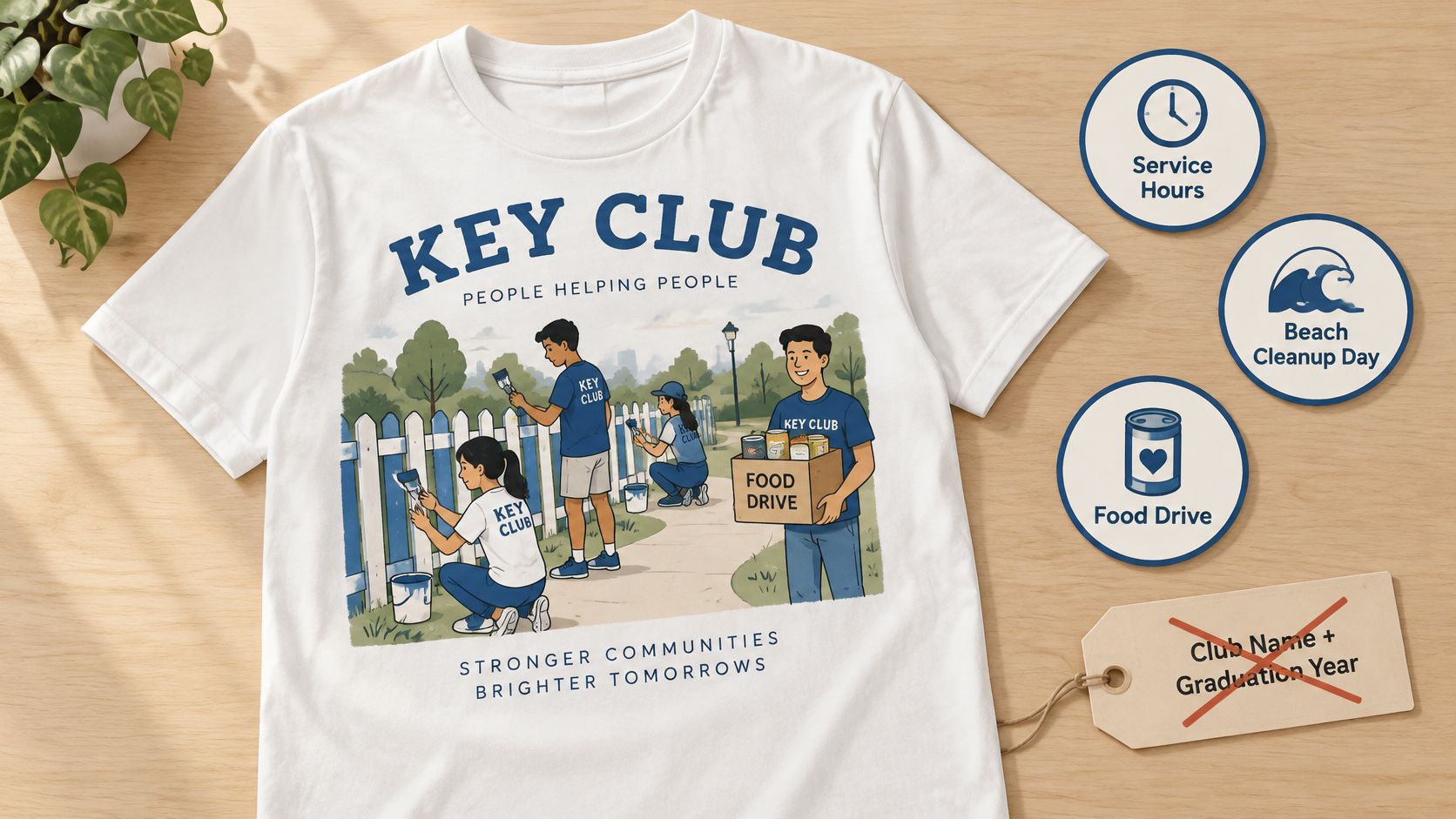
A campaign illustration can show the activity without identifying the people receiving help.
Show the work without centering yourselves
Say your chapter organizes a neighborhood food collection. A compact front print could pair the approved chapter identity with the campaign name and a simple collection-box illustration. A back graphic could explain the activity and carry a QR code to the school-approved project page.
Other useful elements include:
- A verified annual impact total: Print only a result the chapter can document, and label what was counted. A stated quantity, such as pounds of food collected or hours volunteered, carries more weight than a slogan.
- A local partner's logo: Obtain permission and confirm the partner approves its placement.
- A project-page QR code: Test the printed code on the actual fabric, and use a destination the chapter can maintain.
Don't name or show vulnerable beneficiaries. Celebrate collective work without turning another person's hardship into the chapter's promotional material.
Campaign wording and symbols need local judgment. Keep approved organizational artwork intact while adapting the service line to the chapter's language and priorities, and have a fluent speaker proof any translated text before the adviser signs off on the artwork.
Use the principles in what makes a good T-shirt design to check hierarchy and readability. Then ask someone outside the club: Can you tell what we did this year from the shirt alone?
Labels and Care Instructions That Hold Up
Build the label file alongside the artwork, using this checklist:
- Confirm fiber content from the supplier's specification, rather than copying a description from a similar-looking blank.
- Record country of origin and the responsible manufacturer or marketer. Keep that information attached to the garment record.
- State the washing method, water temperature, and drying instructions that suit the decorated shirt.
- Add separate-washing guidance when colorfastness requires it.
- Include an ironing warning when heat could damage the graphic.
- Use a durable, legible care label. A loose handout can supplement it, but shouldn't replace required permanent care labeling.
The Federal Trade Commission's apparel-labeling guidance requires most textile products sold in the United States to disclose fiber content, country of origin, and the responsible manufacturer or marketer, with care instructions provided at sale. It also addresses separate washing for products that aren't colorfast and warnings where ironing could cause damage.
The label needs to describe the finished garment, not just the undecorated blank.
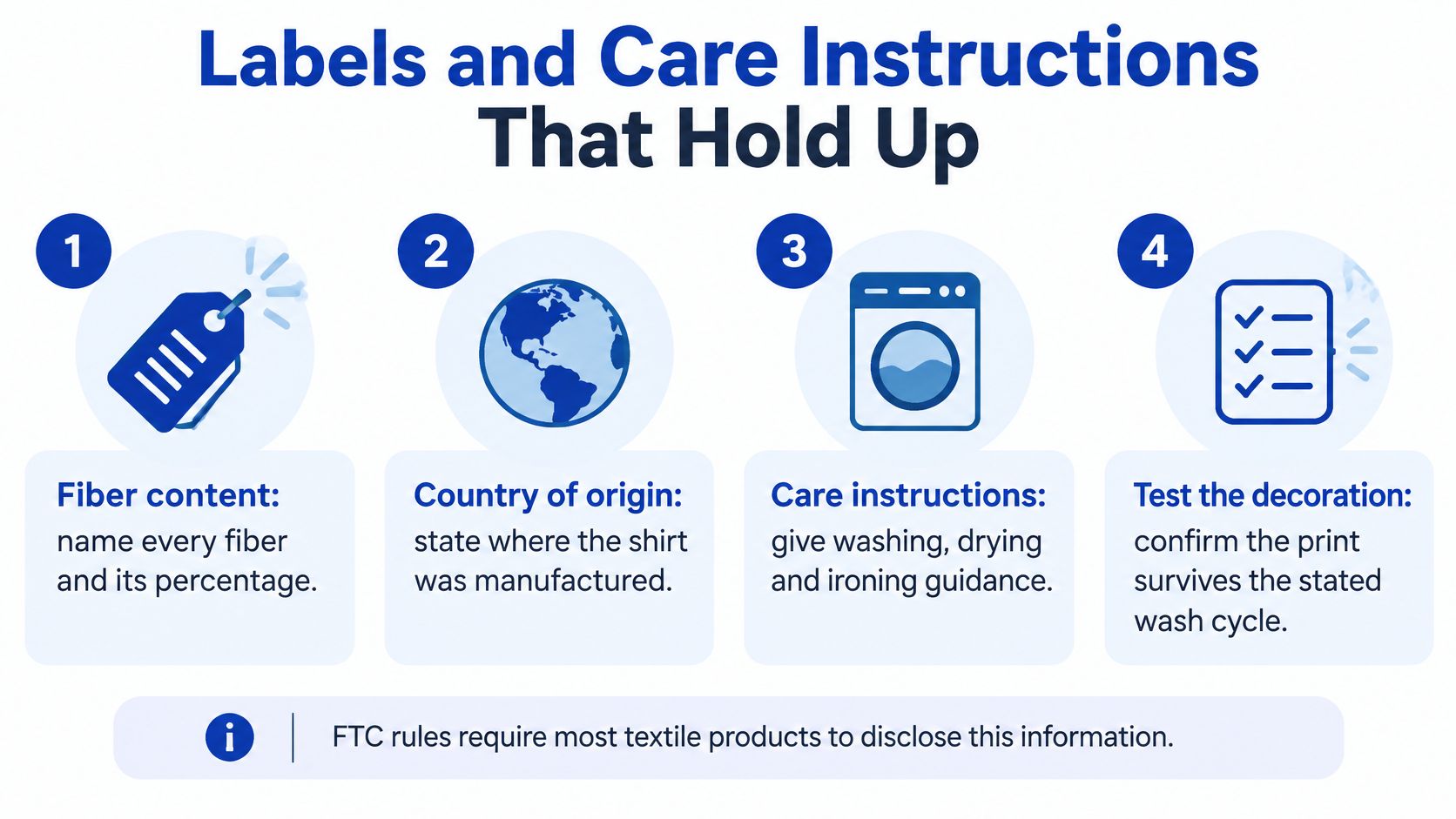
Match the wording to the test
A heat-applied graphic can impose limits that the base shirt doesn't have. Don't promise hot washing or unrestricted ironing just because the original blank permits it.
Compare the proposed care text with the decorated sample's wash record. If the graphic lifts, cracks, or changes appearance under those instructions, revise the production specification rather than publishing care advice the shirt can't meet.
ASTM D6321/D6321M offers a benchmark practice for evaluating machine-washable T-shirts, including appearance and dimensional behavior after laundering. Keep the test notes and approved label together so replacement orders use the same care standard.
Approvals, Trademarks and Chapter Eligibility
A school shirt doesn't automatically qualify for unrestricted logo use. Adviser approval, chapter recognition, and trademark permission answer different questions, and a production file needs all the relevant answers.
The Kiwanis licensing FAQ identifies Key Club International and related insignia as protected marks and states that commercial use, including confusingly similar marks, requires a Kiwanis License Agreement. Members' personal use is limited to noncommercial identification as members.
Approval needed by shirt situation
| Situation | What is required | Why it matters |
|---|---|---|
| Member wears own shirt for personal identification | No license for permitted personal, noncommercial use | Personal identification isn't permission for commercial sales or promotion |
| Chapter fundraiser sold for profit | Kiwanis License Agreement or written permission confirming the authorized use | Commercial use of the marks needs licensing authorization |
| Vendor resells a licensed blank without adding decoration | No separate license if no embellishment is added or insignia use expanded | Adding artwork or extending the insignia changes the position |
The resale exception concerns products made by a licensed manufacturer. It isn't permission to buy an ordinary blank and add a protected logo.
Confirm the chapter and the exact artwork
The Key Club guidebook requires at least 11 willing students accepting membership responsibilities to form a new club, with membership tied to the relevant school or an eligible community club. A design should identify a recognized chapter, not imply that an unapproved group has official status.
Don't redraw a mark to make it look almost official. Confusing similarity can still create a licensing issue, and a distorted logo also makes the shirt look less credible.
A school's approval of the message isn't a substitute for permission to reproduce protected marks.
Before releasing artwork, obtain school or adviser sign-off and confirm the licensing position for the chapter, supplier, and project. Keep the approved proof, permission correspondence, and identity of the approver in the order file. If the campaign, seller, or artwork changes, resolve the new approval question before printing.
Reuse, Sizing and Budget Choices
Don't assume every member wants or can afford a new shirt. Optional merchandise should support participation, not become an unofficial entry fee for service.
A 2025 Australian school-uniform purchasing study found that affordability was the primary reason for choosing second-hand garments for 86% of surveyed parents, while 61% cited reducing environmental impact. Uniforms aren't event shirts, but the finding is a useful reminder to offer alternatives to buying new.
Make participation affordable
- Collect preorders: Confirm paid demand before production instead of guessing how many extra shirts the chapter might sell.
- Offer exchanges or resale: Let members pass along clean, usable chapter shirts, especially designs without personal names.
- Compare cuts and measurements: Offer unisex and shaped options where practical, with youth, adult, and extended sizing.
- Consider existing garments: A compatible shirt a member already owns can avoid buying another blank. Check its fabric, condition, and pressing suitability first.
The more practical reuse choice may be a durable design on an existing shirt, not a newly purchased “eco” blank worn for a single project.
Reuse isn't automatically suitable for every garment. Worn fabric, unknown coatings, and incompatible care limits can make a donated shirt a poor printing candidate.
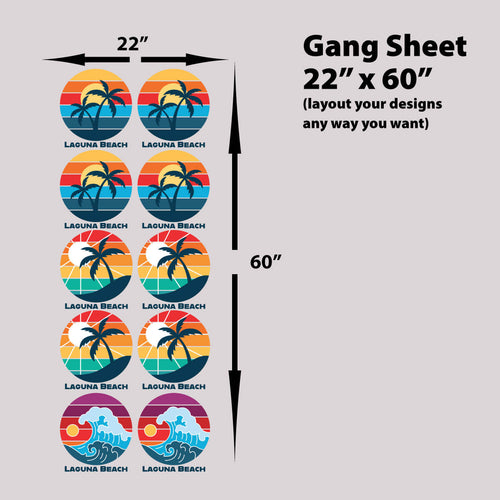
The Impact SpiritWear Classic Key Club listing stated a minimum order of 12 shirts in 2026. If your chapter has fewer buyers than that minimum, consider another production route, combine transfer artwork on a gang sheet, or pool an eligible garment order with neighboring chapters. Combining transfers doesn't cancel a finished-shirt vendor's minimum.
Before collecting money, confirm a size range that includes every interested member and a per-shirt price families can reasonably pay.
Batch Your Order and Confirm the Plan
Batching artwork can reduce film waste and repeated shipping charges. An industry comparison published by DTF Print Info reported roughly 63% lower cost for gang-sheet production in its example, mainly through less redundant shipping and reduced film waste. That's an example, not a guaranteed saving for your chapter.
Compare the complete cost, including blanks, transfers, pressing, shipping, and any artwork work. Our explanation of gang-sheet printing versus individual printing helps separate transfer pricing from the finished-shirt budget.
Use this workflow to organize the order before payment.
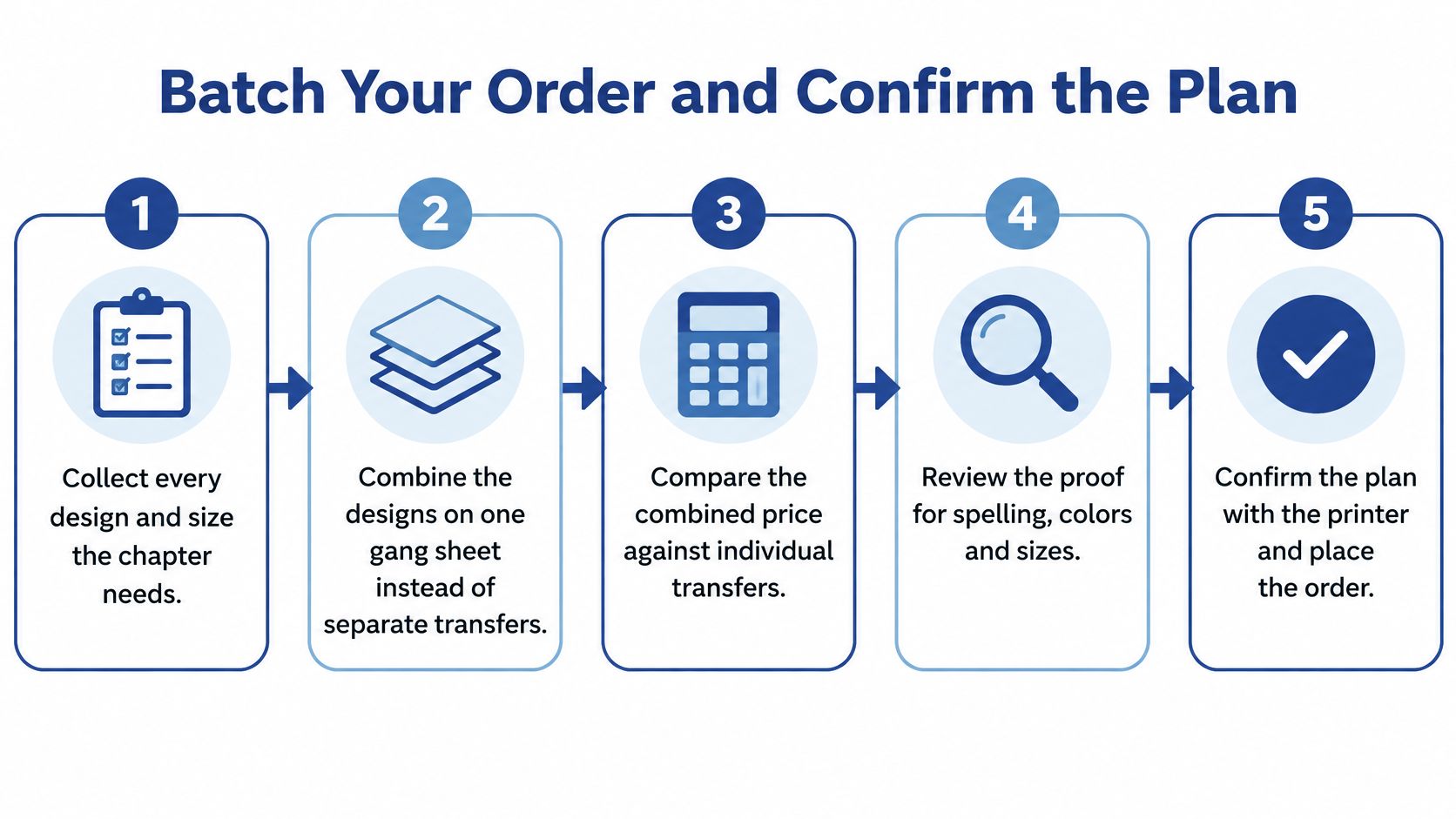
Turn the approved proof into a production file
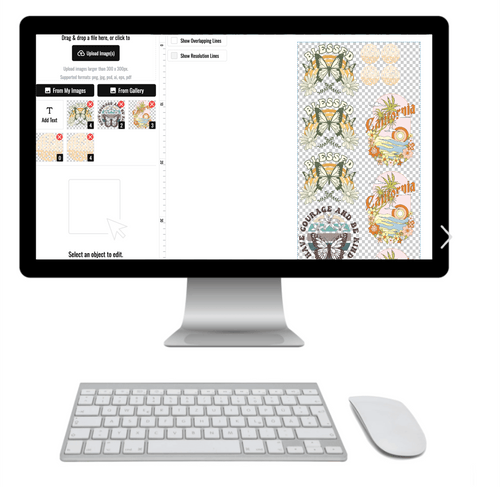
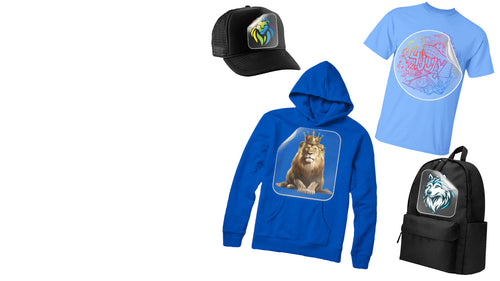
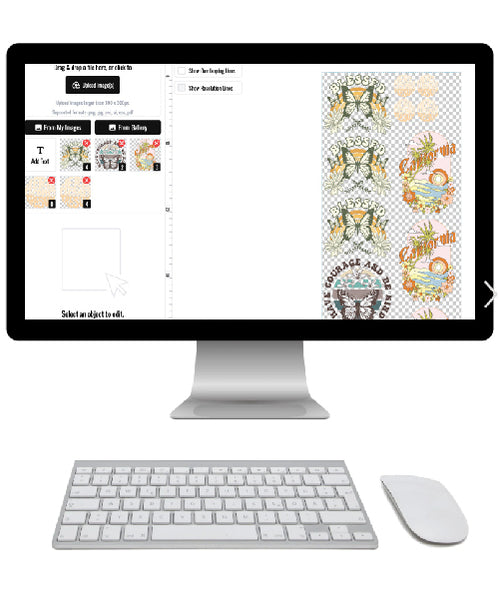
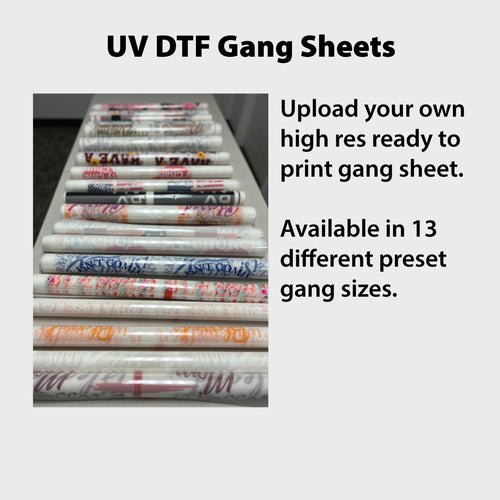
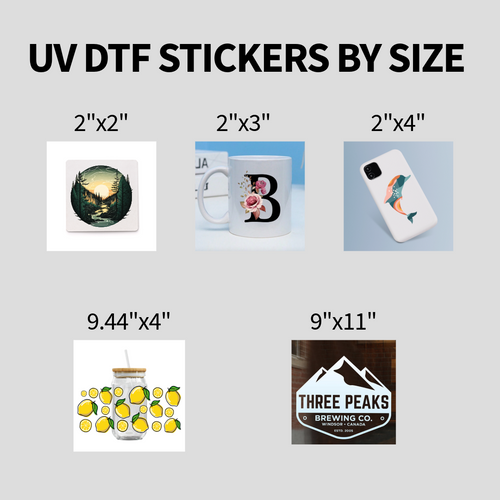
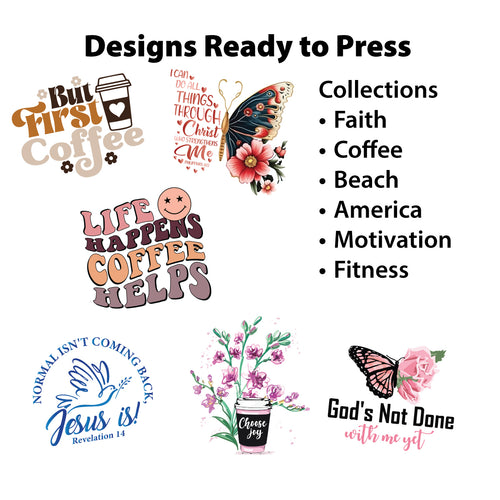
Our Auto-build gang sheet builder makes arranging artwork easier and supports cost-effective batching by placing chapter graphics, names, event designs, and size variants into a shared layout. Customers can also order DTF transfers by size or upload their own sheet. A single design can be printed in different sizes for youth, adult, coach, and fan apparel; our services also include apparel pressing, logo or shirt design, vectorization, and building the gang sheet for you.
- Collect the final files and roster. Match names, garment sizes, print sizes, and quantities in a spreadsheet.
- Confirm authorization. Attach the approved artwork and relevant permission records.
- Set placement and size variants. Specify front, sleeve, or back, and distinguish garment size from artwork size.
- Build and inspect the sheet. Check quantities, spelling, orientation, transparent backgrounds, and cutting space.
- Approve the decorated sample and care text. Don't release production with unresolved sample failures.
- Place the order against confirmed demand. Save the final layout and order record for distribution and replacements.
The video provides another view of the ordering process.
Work backward from the date members need finished shirts, not the event's opening time. Allow for approvals, sampling, transfer production, delivery, pressing, and sorting; don't treat a dispatch estimate as a finished-apparel deadline.
The chapter's final decision should be explicit: approve the design, blank, size range, quantity, budget, and delivery plan together. An approved graphic alone isn't a complete shirt order.
Lion DTF Transfers offers custom DTF transfers, gang-sheet tools, and pressing and artwork support for chapter apparel. Visit Lion DTF Transfers with your approved design and confirmed size list to build a gang sheet or get help preparing your Key Club T-shirt order.