
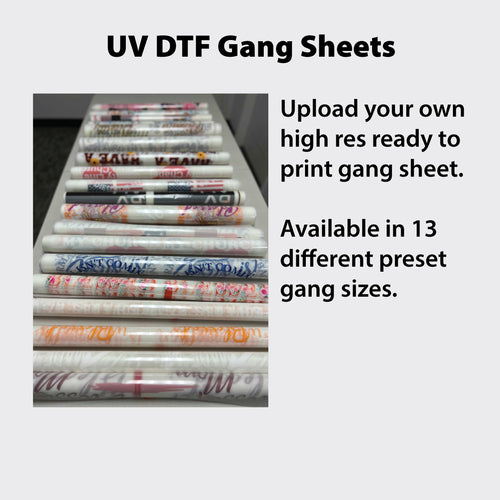
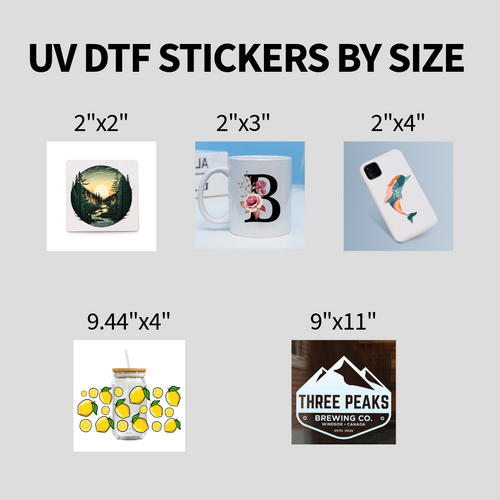
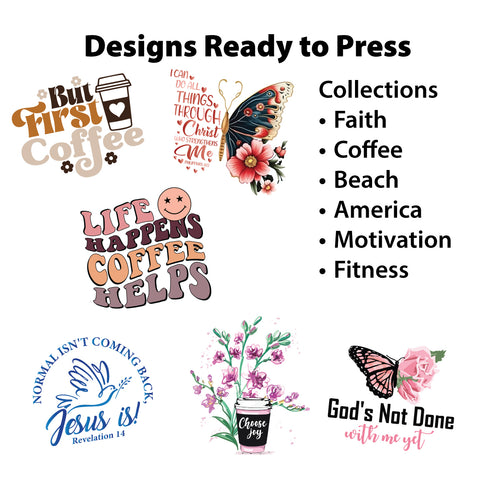



A lot of Stockton buyers land on DTF when they're already under pressure. A coach needs team shirts before the weekend. A small brand has a merch drop coming up. A local shop promised a customer vibrant full-color prints, then realized the order mix includes cotton, polyester, and blends.
That's where a practical DTF Stockton approach matters. You're usually not hunting for theory. You're trying to get clean transfers, dependable adhesion, and a workflow that doesn't waste time or film.
Introduction to DTF Stockton and Why Local Transfers Matter
In Stockton, speed changes the whole order. If you're printing for a school event, a pop-up, a work crew, or a sports team, a late transfer isn't just annoying. It can turn into rushed pressing, garment substitutions, or a full reprint problem.
That's why local-first thinking beats cheapest-per-piece thinking. A transfer that costs a little less on paper can still cost more if it arrives late, presses inconsistently, or forces you to reorder. For many Stockton makers, the question isn't “What's the lowest transfer price?” It's “What gets this job out the door with the fewest headaches?”
Why local support matters on a real job
Say you're filling a mixed order for shirts, hoodies, and tote bags. You don't want to stop and ask whether one artwork file needs a different method for each fabric. DTF is appealing because it simplifies that decision. It's a flexible decoration method for buyers who need bright graphics on different garment types without building a complicated production plan.
A local-facing workflow also helps when you need to move fast. If you're comparing options in California, it helps to review how shops think about service, ordering speed, and regional fulfillment. This overview of DTF in California gives useful context for buyers who want a smoother ordering path.
Practical rule: In a rush job, the cheapest transfer is only “cheap” if it presses cleanly the first time and arrives when you need it.
What Stockton buyers usually need
Searching for DTF Stockton falls into a few familiar groups:
- Small brands: They need short-run merch without committing to large inventories.
- Schools and teams: They need names, numbers, logos, and fast reorders.
- Print shops: They need overflow capacity without setting up every job in-house.
- DIY makers: They want an easier path from artwork to finished shirt.
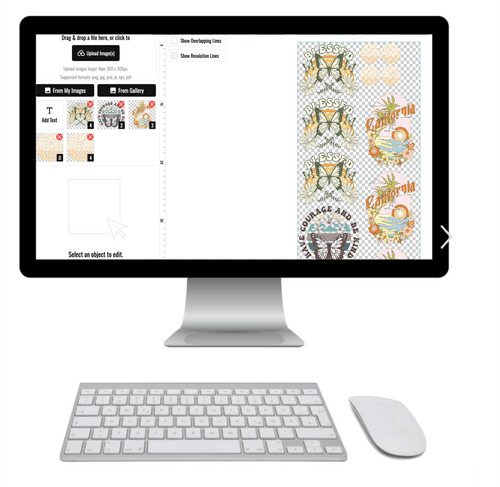
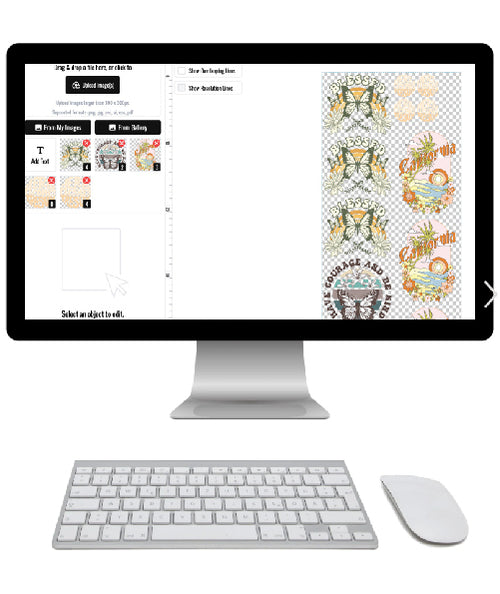
One more thing matters here. Auto-build gang sheet builder tools make a big difference for ease of use and cost effectiveness. Instead of dragging every design around by hand, you can let the builder pack artwork more efficiently, reduce wasted space, and make ordering feel less like production math.
What DTF Transfers Are and How They Work
The easiest way to understand DTF is as a temporary tattoo for fabric. The design starts on a film, not directly on the shirt. Then heat and adhesive help move that design from the film onto the garment.
That simple idea clears up a lot of confusion. You're not printing straight onto cotton the way some other methods do. You're printing onto a special sheet first, preparing the adhesive layer, and then pressing the finished transfer onto fabric.
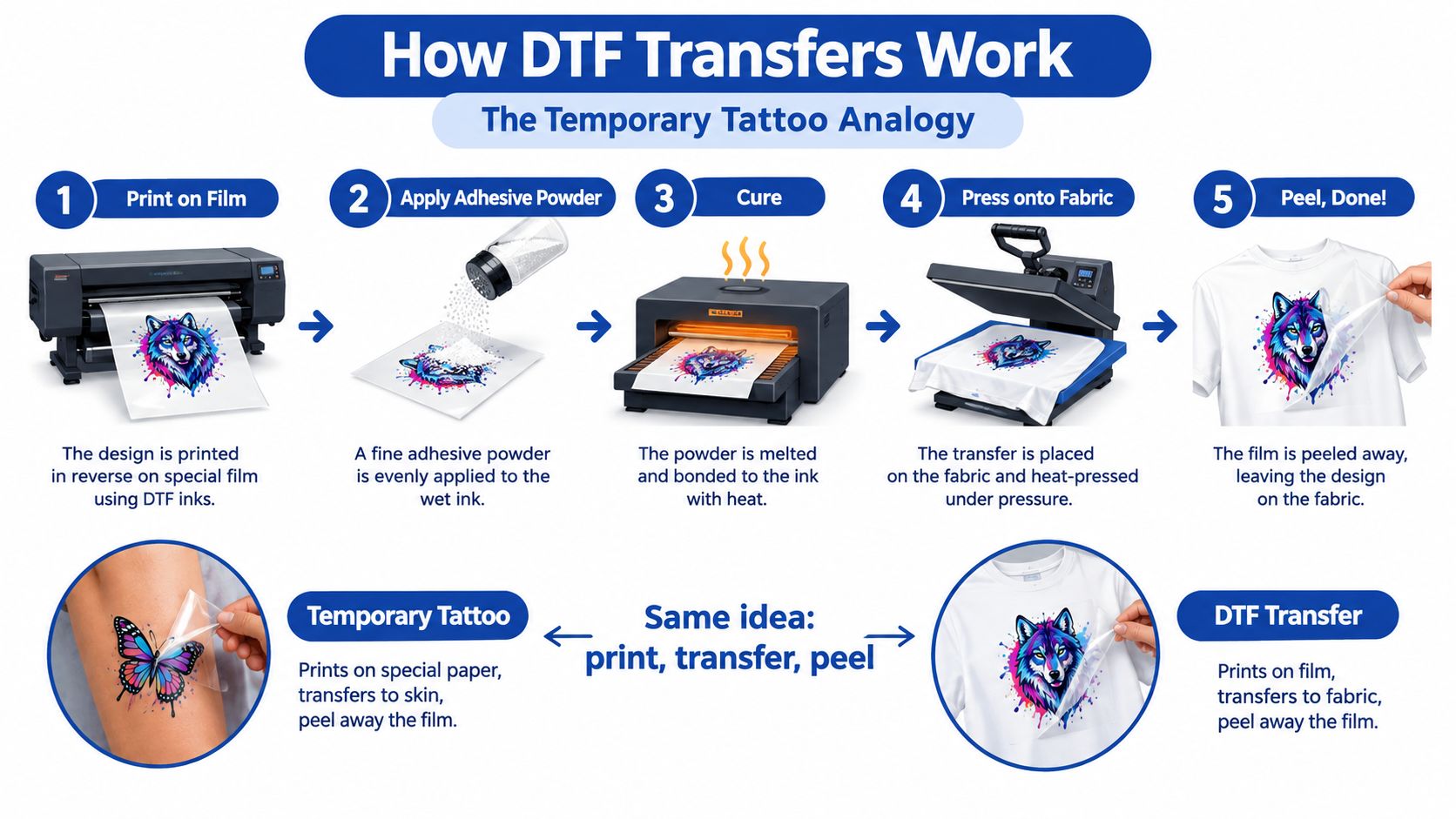
DTF works a lot like a fabric tattoo. Print, prepare, press, peel.
The basic process in plain language
Here's the flow most buyers should picture:
-
Artwork is printed onto PET film.
PET film is the carrier that holds the design before pressing. -
Adhesive powder is applied.
The powder sticks to the printed areas and becomes the bonding layer. -
The powder is cured.
One technical guide reports typical adhesive curing dwell times of 1 to 5 minutes at 275 to 350°F, while another process summary notes common curing at roughly 320 to 330°F for 2 to 3 minutes. -
The transfer is heat pressed onto fabric.
Pressure and heat bond the design to the garment. -
The film is peeled away.
What's left behind is the printed design on the shirt.
Why people like this method
DTF is popular because it handles different fabrics without turning every order into a special case. Cotton, polyester, and blends can all fit into the same general workflow, which is a relief for shops dealing with mixed garments.
It also helps with detailed artwork. Small text, multicolor logos, and complex illustrations are easier to keep together when the design starts on film first.
Here's the part that trips people up. A great-looking transfer can still fail if the adhesive isn't cured correctly. Buyers sometimes blame the artwork when the issue is process control. If the powder doesn't melt fully and evenly, the print may feel bonded at first but peel early after wear or washing.
Key Advantages and Common Uses for Stockton Businesses
DTF earns its keep when the order is mixed, colorful, or small enough that setup efficiency matters. That makes it a strong fit for Stockton businesses that run short batches, repeat reorder jobs, or apparel lines with more than one garment type.
The biggest practical advantages show up on the production floor. You can keep detail, print bright graphics, and apply the same style of transfer across multiple blanks without rebuilding the artwork for each fabric.
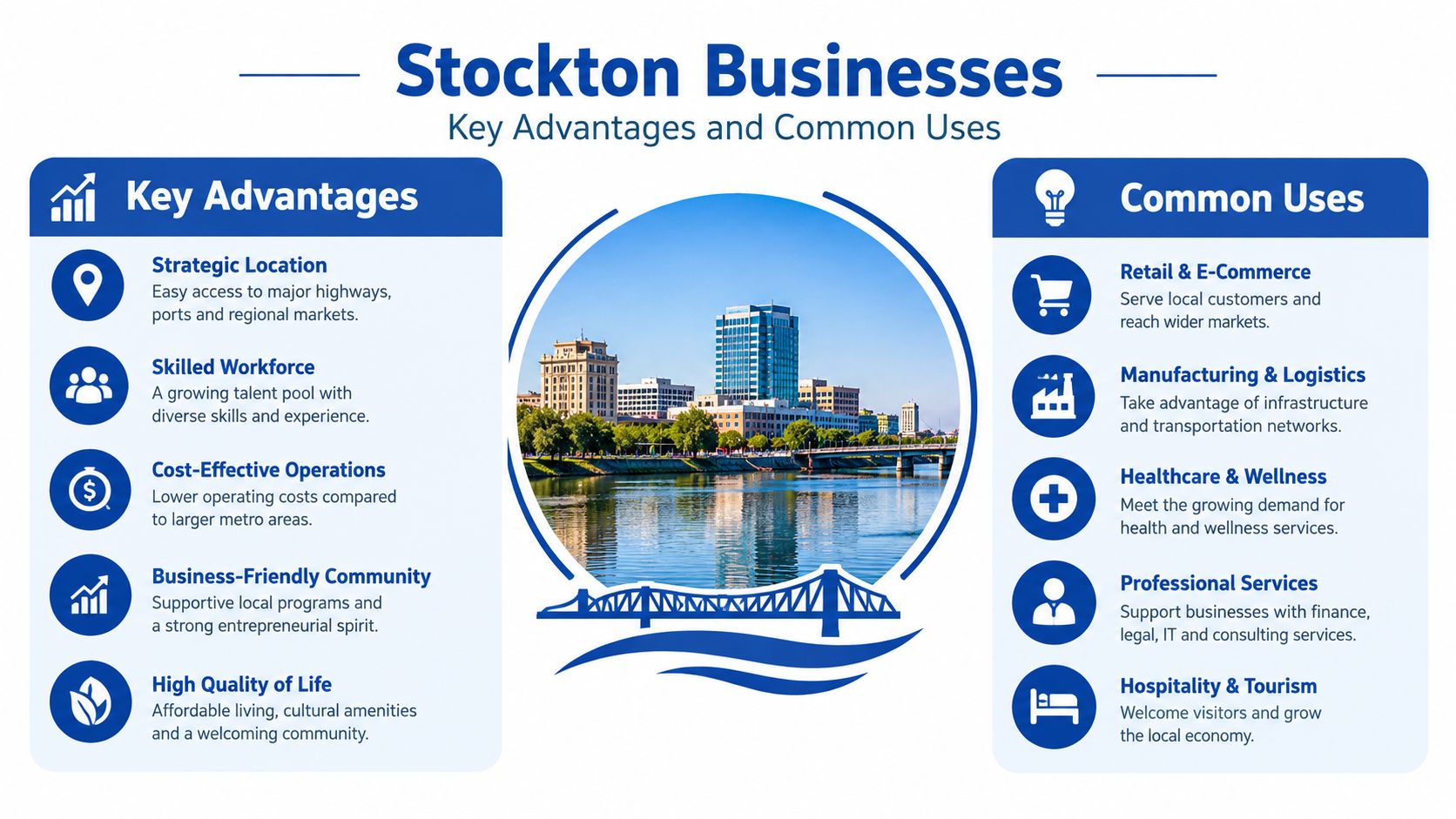
Where DTF tends to win
A compact comparison helps:
| Need | DTF | Vinyl | Screen print |
|---|---|---|---|
| Full-color artwork | Strong fit | Less ideal for complex color | Can work, but setup is heavier |
| Mixed fabric order | Strong fit | Depends on material and finish | Often less flexible by job type |
| Small runs | Strong fit | Can work | Often less efficient |
| Fine detail | Strong fit | Small details can get tricky | Depends on art and setup |
That table doesn't mean DTF replaces everything. It means it often solves the exact problems Stockton buyers run into most: variety, speed, and lower friction on short-run jobs.
A good example is a local booster club order. They may need adult tees, youth tees, hoodies, and a few staff polos, all with the same core art. DTF keeps that simpler than splitting the job into several decoration strategies.
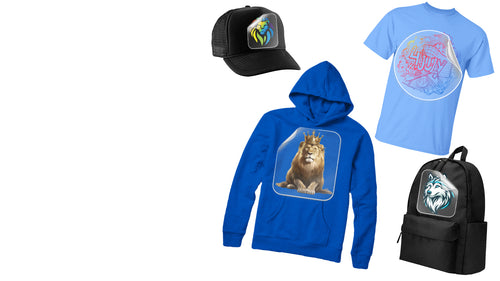
Here's a useful visual example before going further.
Durability and daily use
For working apparel, event shirts, and merch that gets worn often, durability matters more than first-day appearance. A technically useful benchmark is that well-executed prints can withstand about 80+ wash cycles, with one published durability case study reporting black DTF prints still looking fresh and another sample showing no cracking or peeling after many washes. The same source notes that film quality, adhesive powder quality, and cure control have a big effect on wash resistance (durability case study from MTU Tech).
Stockton businesses usually care about that in very practical terms:
- Teams need repeat wear: Practice shirts and fan gear get washed a lot.
- Brands need consistency: A customer who likes the first shirt may come back for more.
- Shops need fewer callbacks: Fewer failures mean fewer awkward customer conversations.
If you're decorating for regular use, durability starts with process discipline, not just artwork quality.
How to Prepare Files and Build Gang Sheets with Auto Builder
Most transfer mistakes start before the order is placed. A blurry file, a background that wasn't removed, or artwork sized by guesswork can turn a good design into a frustrating press result.
The good news is that file prep doesn't have to be technical. Think of it as setting up a recipe so the kitchen doesn't have to guess what you meant.
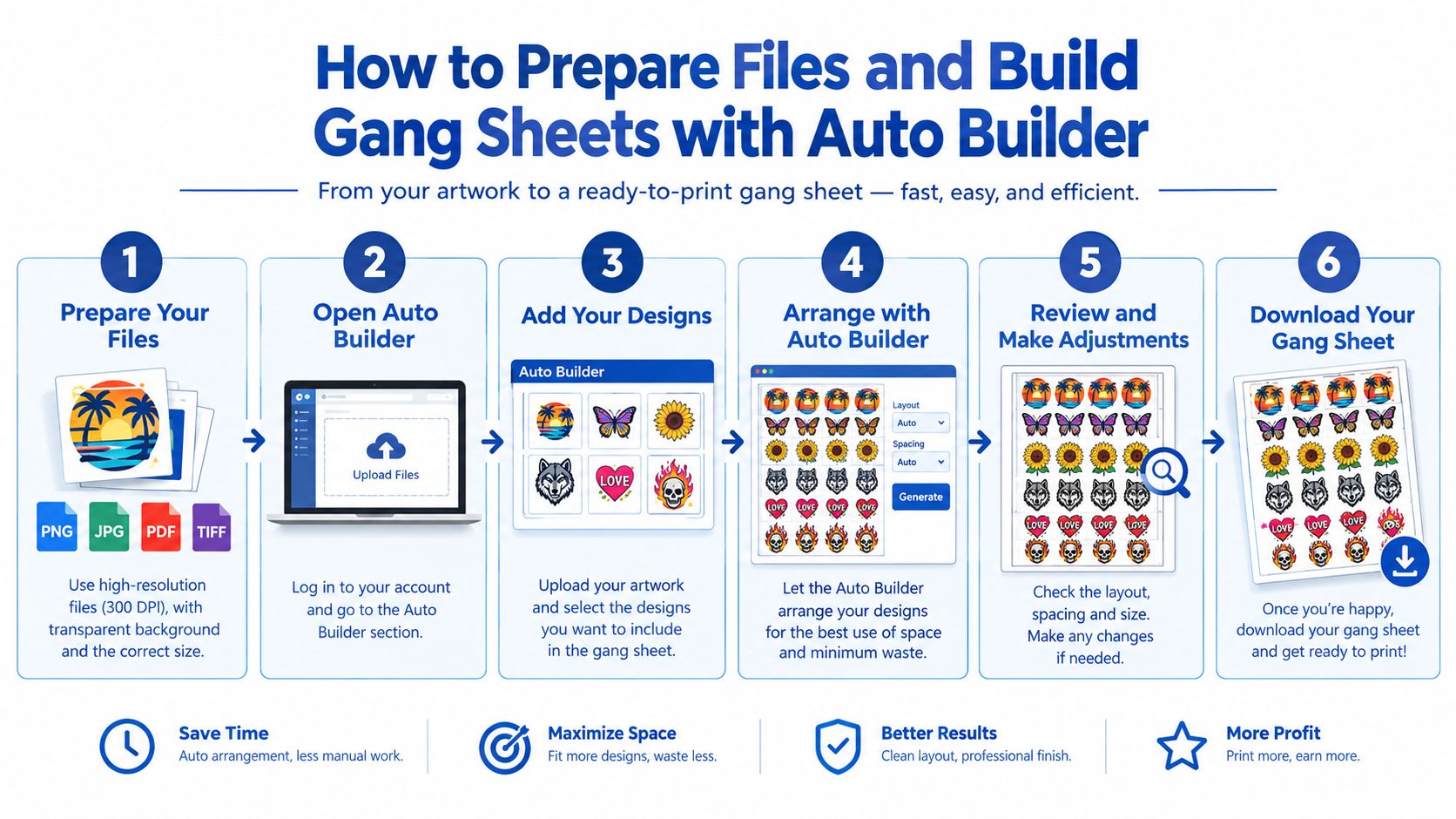
File prep that avoids common problems
Use this checklist before you upload:
- Keep the background transparent: If you leave a background box in the file, it may print as part of the transfer.
- Use crisp artwork: A low-quality image won't become sharp just because it's printed well.
- Size with intent: Chest logos, full fronts, sleeves, and hat graphics all need different dimensions.
- Check tiny details: Fine outlines and tiny text should still look readable at final print size.
For gang sheet work, consistency matters too. If one logo is sized perfectly and the next is slightly stretched, the whole sheet becomes harder to use in production.
Why Auto-build gang sheet builder tools matter
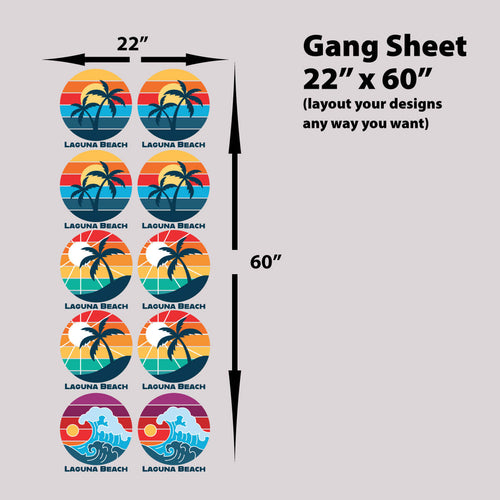
A gang sheet is one transfer sheet that holds multiple designs together so you use more of the printable area and waste less film. Another builder explains the core mechanic well: it's a single transfer sheet with multiple designs arranged together to maximize print area and reduce waste, and that workflow includes set copy spacing plus 300 DPI export (gang sheet creator explanation).
That's why an Auto-build gang sheet builder is such a smart tool for Stockton shops and makers. Instead of manually arranging every logo, left chest, sleeve print, and back graphic, the software does the packing for you.
One independent builder says it can upload 100+ PNG designs, auto-nest them instantly, and export print-ready PNG or PDF files. It also claims the tool can arrange designs in under 60 seconds, which captures the appeal for busy production teams (Auto-build gang sheet builder details).
If you want a closer look at this workflow, this article on the new Auto Builder feature for gang sheet creation shows why automated layout has become such a practical upgrade.
Shop-floor advice: Use automation for layout, then spend your time checking size and readability. That's where human judgment still matters most.
Turnaround Pricing and Pickup Options at Lion DTF Transfers
Stockton buyers often compare transfer suppliers by the visible line item first. That's understandable. But total cost is usually the better filter.
Per-transfer pricing doesn't show what happens if you need a rush replacement, if a poorly packed file creates wasted space on the sheet, or if slower shipping forces you to delay a job. Those hidden costs hit small businesses harder than they hit large-volume operators.
The local-first total-cost lens
A better way to evaluate DTF Stockton options is to compare four things together:
- Transfer quality: If the print presses inconsistently, reprints erase any savings.
- Turnaround speed: Delays create labor stress and customer service problems.
- Ordering friction: Clunky gang sheet setup costs time before production even starts.
- Minimums and shipping: A low price can get offset by waste, freight, or forced quantity jumps.
This matters even more in a market where pricing pressure is rising. One industry roundup says pricing has become the number one driver of DTF investment globally, with films, inks, powders, and equipment increasingly treated as commodities. The same piece cites a projection that the DTF printing market could expand from about USD 3.03 billion in 2026 to USD 4.46 billion by 2032, which helps explain why so many buyers focus on price first (industry commentary on commoditization and market projection).
What to look for when speed matters
For a Stockton buyer, practical ordering paths usually matter more than broad market talk. Useful options include custom gang sheets, ordering by size, uploading print-ready files, or choosing ready-to-press designs when speed matters most.
Here's a simple decision frame:
| Situation | Best ordering approach |
|---|---|
| Many logos or mixed placements | Auto-build gang sheet builder |
| One repeat design in a standard size | Order by size |
| You already have production-ready art | Upload print-ready files |
| You need something fast with no design prep | Ready-to-press collection |
A nearby service option can also matter when a deadline is tight. If you're weighing convenience and speed, this guide to custom DTF transfers near me is a useful reference point for what local-minded buyers usually consider.
Real World Examples for Teams Merch and Print Shops
A theory article is easy to forget. Real orders are easier to remember because they sound like your week.
The youth sports order
A Stockton coach needs matching shirts for players, plus a few extra pieces for parents and volunteers. The garments aren't all the same brand, and the sizes range from youth to adult. That's exactly the kind of order where DTF simplifies life.
The logo can stay visually consistent across the full batch. If the team later needs a few late-add shirts, the reorder doesn't require a full setup rebuild. An Auto-build gang sheet builder also helps when each shirt needs a slightly different name or number arrangement.
The small merch drop
A local seller wants to test a design without ordering a mountain of inventory. They've got one bold back graphic, a smaller chest print, and maybe a sleeve hit for a premium version.
DTF fits that launch style well because the seller can start lean. They can press on demand, test garment colors, and adjust artwork placement on the next run without switching decoration methods. For a small brand, that flexibility often matters more than chasing the absolute lowest unit cost.
A smart first merch run protects cash, keeps options open, and gives you room to improve the second release.
The print shop overflow week
A neighborhood print shop gets slammed with mixed orders. One customer wants event tees. Another needs work shirts. A third has a short-run online brand with artwork too detailed for a simple vinyl approach.
Instead of turning jobs away or overloading the in-house schedule, the shop can outsource transfers and keep pressing in-house. That lets the team control garment finishing while skipping the setup burden of producing every decoration from scratch. It's a practical way to scale capacity without adding more screen print overhead.
These examples all point to the same lesson. DTF Stockton decisions work best when you judge the entire workflow, not just the sticker price of one transfer.
Ordering Your DTF Stockton Transfers and Next Steps
If you've made it this far, the pattern is clear. A good DTF order starts with clean artwork, gets more efficient with a strong gang sheet workflow, and becomes cost-effective when you evaluate turnaround, waste, and durability together.
That's why the best buying decision usually isn't the cheapest line item. It's the option that helps you press confidently, reorder easily, and avoid hidden production problems.
A simple ordering checklist
Before placing your order, check these:
-
Artwork quality
Make sure the file is sharp and the background is removed. -
Final size
Decide the print dimensions before uploading, not after. -
Sheet strategy
If you have multiple graphics, use an Auto-build gang sheet builder for ease of use and cost effectiveness. -
Deadline
Know whether this is a standard turnaround job, a rush, or something that may need pickup speed. -
Garment plan
Match your transfer sizes to the actual blanks you'll be pressing.
What confident buyers do differently
Experienced buyers don't overcomplicate the process. They keep the art clean, use gang sheets when it makes sense, and think in terms of total job cost. That includes labor, shipping, spoilage risk, and the chance of needing a second order.
Independent durability guidance also consistently places high-quality DTF transfers at about 50 to 100 wash cycles under proper care, with one source estimating roughly 2 to 3 years of usable life in standard cold-wash conditions and a shorter life under hotter water or heavier industrial use (independent DTF lifespan guidance). For most buyers, that means durability is less about hype and more about choosing a process you trust.
A final cost note matters here too. A separate gang sheet builder states that packing multiple transfers onto one sheet reduces film waste and lowers cost per transfer, which is the clearest practical reason gang sheet automation matters for small businesses and print shops (sheet packing and waste reduction explanation).
If you're ordering for Stockton, keep the process plain. Start with the art. Choose the layout method that saves labor. Pick the turnaround that protects the job.
Lion DTF Transfers offers fast, vibrant hot-peel transfers, simple gang sheet ordering, and support for buyers who need reliable results without production guesswork. If you're comparing DTF Stockton options through a total-cost lens, their online tools and quick fulfillment make that process much easier. Visit Lion DTF Transfers to build your order and get started.
Email orders@LionDTF.com or Text or Call: 833-350-5466