


Key Takeaways:
- Proper Proportion Matters: Correct DTF sizing keeps designs balanced across youth, adult, and specialty garments.
- Placement Impacts Appearance: Chest, back, sleeve, and pocket prints each require different dimensions for clean alignment.
- Planning Prevents Errors: Measuring garments and preparing artwork at exact dimensions reduces resizing issues before printing.
DTF sizing plays a major role in how printed apparel ultimately looks. Picking the right dimensions for a design affects how the artwork sits on a shirt, hoodie, or other garment, and helps ensure a balanced, professional appearance across different sizes and placements. Using a proper DTF size chart gives clear reference points so decoratives hit the mark from youth tees to oversized hoodies, and from chest logos to larger back prints.
At Lion DTF Transfers, we produce vibrant, high-quality direct-to-film transfers with fast turnaround and consistent results. Our ready-to-press and custom options are engineered for speed, reliability, and wash durability, with every sheet printed in our U.S. facility and tailored to meet real production needs.
In this piece, we will be discussing how to use a DTF size chart, standard sizing recommendations, placement considerations, and practical guidance for choosing the right transfer dimensions for your next apparel project.
Why A DTF Size Chart Matters
At Lion DTF Transfers, we know that getting the size right is just as important as the design itself. A great graphic can lose its impact if it is printed too small, too large, or out of proportion to the garment. That is where a proper dtf size chart becomes essential.
A DTF size chart helps standardize print dimensions across different apparel types and age groups. Adult shirts, youth tees, hoodies, and tote bags all require different sizing considerations. Without a clear reference, designs may look inconsistent from one order to the next.
Using a reliable dtf transfer size chart also helps avoid common production issues. Oversized prints can extend too close to seams or collars. Undersized designs can look misplaced on larger garments. By following recommended measurements, artwork maintains balance and visual appeal across all sizes.
Sizing also affects customer satisfaction. When clients order custom apparel, they expect the design to fit the garment proportionally. Referring to a dtf print size guide before placing an order helps maintain consistency, especially for bulk runs, team uniforms, brand merchandise, or retail collections.
For those new to direct-to-film printing, understanding sizing is just as important as understanding the process itself. If you are still learning about the fundamentals, you can read more about What are DTF Transfers to see how sizing fits into the overall workflow.
At Lion DTF Transfers, we believe accurate sizing starts with clear standards. A well-structured dtf sizing guide gives you confidence in placement, proportion, and overall presentation, no matter the garment type.

Standard Adult And Youth Shirt Print Sizes
Choosing the correct print dimensions for shirts is one of the most important parts of using a dtf size chart. Adult and youth garments differ significantly in surface area, so scaling your design properly keeps everything looking balanced and professional.
- For adult shirts, common full front or full back print sizes typically range between:
- 10-inch x 10-inch for smaller, centered designs
- 11 inch x 11 inch or 12 inch x 14 inch for standard full front prints
- 13-inch x 16-inch for larger statements on medium through XL sizes
These measurements give strong visual coverage without overwhelming the garment. Larger sizes, such as 2XL and above, may require slight adjustments to maintain proportion.
For youth shirts, scaling down is essential. Typical print sizes include:
- 7-inch x 7-inch for small youth sizes
- 8 inch x 8 inch or 9 inch x 9 inch for medium youth sizes
- 9-inch x 12-inch for larger youth garments
Printing an adult-sized transfer on a youth shirt often results in an oversized, crowded look. A proper dtf sizing guide helps you adjust artwork dimensions so they complement the garment instead of overpowering it.
It is also important to consider the design shape. Square graphics, vertical artwork, and wide horizontal logos each interact differently with shirt dimensions. A tall design may look perfect at 11 inches x 14 inches, while a wide logo may need 12 inches x 10 inches to feel proportional.
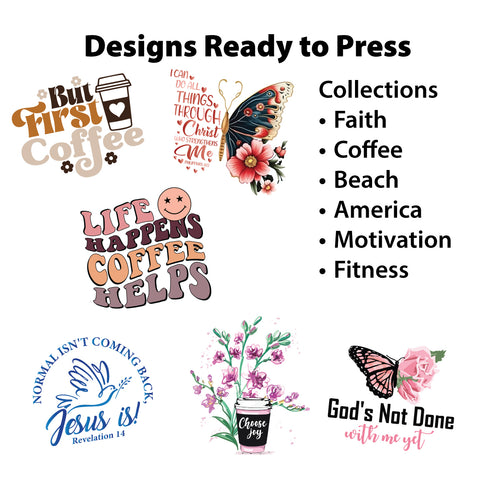
If you are ordering ready-made designs instead of uploading custom artwork, you can explore our DTF Transfers Ready to Press collection, where sizing options are clearly outlined to match standard apparel dimensions.
Using consistent measurements for adult and youth prints keeps branding cohesive across different sizes. It also simplifies bulk ordering and reorders since you already know which dimensions work best.
DTF Left Chest Size And Pocket Logo Placement
Left-chest prints are a popular choice for business logos, brand marks, and clean, minimalist designs. Using the correct dtf left chest size keeps the artwork balanced and professional.
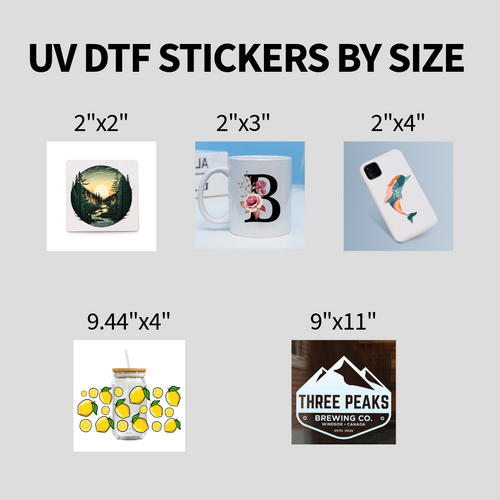
The standard dtf pocket logo size typically ranges from 3 inches x 3 inches to 4 inches x 4 inches. Horizontal logos may use dimensions like 4 inches x 3 inches to better fit the shape of the design.
Placement is just as important as size. Most left chest transfers sit about 3 to 4 inches below the collar and are centered between the sleeve seam and the shirt’s midpoint. Youth garments usually require slightly smaller dimensions to maintain proper proportions.
For consistent results across bulk orders, following accurate dtf transfer dimensions helps maintain alignment and visual balance on every piece.

Hoodie And Sweatshirt Print Dimensions
Hoodies and sweatshirts offer a larger printable area than standard tees, but proper scaling is still important. A well-referenced dtf size chart helps designs look proportional across heavier garments.
For full-front or full-back hoodie prints, common sizes include 11 inches by 14 inches and 12 inches by 16 inches. Larger hoodies may accommodate 13-inch x 16-inch designs, especially for bold graphics or oversized styles.
Keep in mind that hoodies feature pockets, seams, and thicker fabric. Designs should sit high enough to avoid overlapping a kangaroo pocket and remain centered between seams.
If you are printing multiple designs on one sheet for hoodies or mixed apparel orders, understanding a dtf gang sheet size chart helps maximize space while keeping each transfer sized correctly.
For customers who need quick turnaround on hoodie prints, our Next Day DTF option makes it easy to get properly sized transfers fast.
DTF Gang Sheet Size Chart Explained
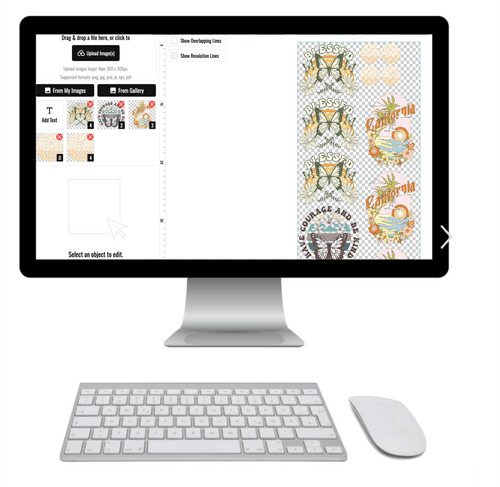
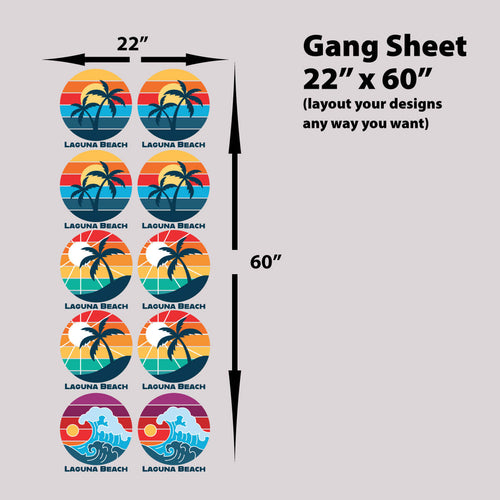
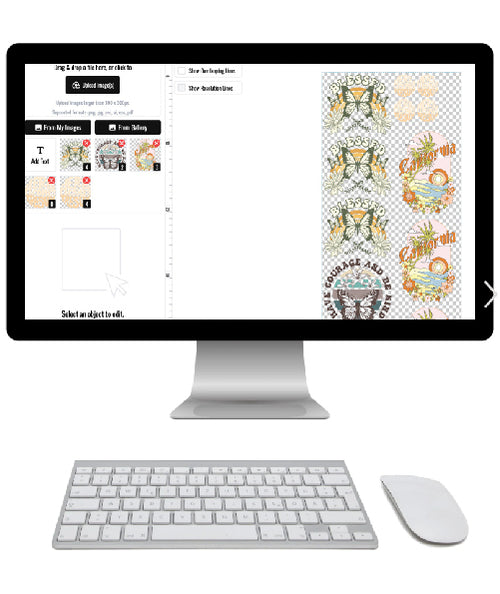
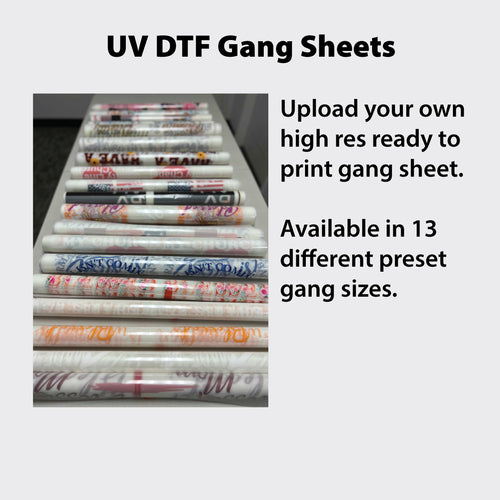
Gang sheets let you print multiple designs on a single larger sheet, making production more efficient and organized. A clear dtf gang sheet size chart helps you plan layout, spacing, and dimensions before sending artwork to print.
Common gang sheet sizes include 22-inch widths with varying lengths such as 24-inch, 36-inch, 60-inch, and longer. The width typically stays consistent, while the length depends on how many designs you want to fit on the sheet.
When building a gang sheet, each individual design must still follow proper sizing standards. For example, a 12-inch x 14-inch front print and a 3.5-inch x 3.5-inch left-chest logo can be arranged together, as long as spacing is maintained for clean cutting.
Carefully planning the layout reduces wasted space and keeps transfers organized for pressing. It also helps maintain consistent dtf transfer dimensions across different garments in the same order.
If you are preparing artwork and want to understand the production process in more detail, you can review our guide on How to Make DTF Transfers, which explains how designs move from file to finished film.
How To Choose The Right Transfer Dimensions For Your Design
Choosing the right transfer size plays a major role in how your final garment looks and feels. The correct dimensions depend on the apparel type, artwork shape, and intended visual impact. Before sending your file to print, keep the following factors in mind:
Garment Size And Printable Area
Every garment has a different printable space. Youth shirts, adult small, and extended sizes all require proportional scaling so the design does not look oversized or too small. Reviewing your dtf print size guide before finalizing artwork helps maintain consistency across all sizes in a run.
Design Shape And Orientation
The shape of your artwork directly affects ideal dimensions. Vertical graphics often fit well in sizes like 11 inches x 14 inches, while wide logos may look more balanced at 12 inches x 10 inches. Matching the artwork orientation to the garment space prevents awkward spacing and crowding.
Placement Type
Full front, full back, sleeve, and chest placements each require different measurements. A centered front graphic will naturally be larger than a left chest logo. Planning placement first makes it easier to determine the appropriate dimensions.
Purpose Of The Apparel
The intended use of the garment should guide your sizing decision. Retail designs often feature larger prints for visual impact, while corporate apparel typically uses smaller, refined placements. Aligning size with purpose creates a more polished final product.

Quick DTF Sizing Guide For Popular Apparel
Different garments call for different print dimensions. While every design should be scaled thoughtfully, having general reference points makes planning much easier. Below is a simplified dtf sizing guide for some of the most common apparel types:
Adult T Shirts
Standard full front or back prints typically range from 11 inches x 14 inches to 12 inches x 16 inches. Larger sizes may support slightly wider designs for balanced coverage.
Youth T Shirts
Youth prints are usually scaled down to 7-inch x 7-inch up to 9-inch x 12-inch, depending on garment size. Proper scaling keeps the design proportional to smaller frames.
Hoodies And Sweatshirts
Front and back prints commonly fall between 11 inches x 14 inches and 13 inches x 16 inches. Always account for pockets and seams when positioning larger transfers.
Left Chest And Pocket Prints
Small logos generally range from 3 inches x 3 inches to 4 inches x 4 inches. These dimensions maintain a clean, professional look without overwhelming the garment.
Sleeves And Specialty Placements
Sleeve prints are often 2-inch x 10-inch or 3-inch x 12-inch, depending on design orientation. Specialty placements should always be measured against the actual garment for best results.
For customers ordering individual sheets rather than gang layouts, our DTF Prints collection offers flexible sizing options to match common apparel dimensions.
Final Thoughts
Using a reliable dtf size chart makes the difference between a design that simply fits and one that truly looks professional. Proper sizing keeps artwork proportional, aligned, and visually balanced across different garments and age groups.
From full front statements to subtle chest logos, every placement benefits from consistent measurements and thoughtful scaling. Referring to clear standards before printing reduces errors and helps maintain uniform results across single orders and bulk runs.
At Lion DTF Transfers, we believe that understanding sizing is a key part of producing high-quality apparel. With the right dimensions in place, your designs translate cleanly from digital file to finished garment, ready to press and ready to wear.
Frequently Asked Questions About DTF Size Chart
What is a DTF size chart used for?
A DTF size chart provides recommended print dimensions for different garment types and placements. It helps decorators choose transfer sizes that align with the proportions of the apparel before printing.
Does fabric type affect DTF transfer sizing?
Fabric type usually does not change the width and height of the transfer, but thicker materials like fleece may affect visual scale and placement. Heavier garments can visually support slightly larger prints.
Should I resize my artwork for different shirt sizes?
Yes. Scaling artwork for youth, small, and extended sizes keeps the design proportional. Using one fixed dimension for all garment sizes can lead to imbalance.
How much space should I leave around a DTF design?
It is recommended to leave an adequate margin between the design and seams, collars, or pockets. This prevents crowding and keeps the finished print visually centered.
Are sleeve prints measured differently from front prints?
Sleeve prints are typically narrower and longer. Measurements focus on sleeve width and printable length rather than chest width.
Can I use the same DTF size chart for tote bags and hoodies?
Not always. Tote bags, hoodies, and tees each have different printable areas. Separate references are helpful when printing across multiple product types.
How do I measure a shirt correctly for DTF sizing?
Lay the garment flat and measure the width between seams in the desired print area. This gives you the maximum safe width for your transfer.
Does print size affect press time or temperature?
The size of the design does not usually change temperature settings, but larger prints may require more attention to ensure even pressure across the full surface.
What file size should I submit for accurate DTF dimensions?
Your digital file should match the exact print dimensions at 300 DPI for best clarity. Submitting artwork at the correct size reduces the need for resizing.
Is there a maximum size for DTF transfers?
Maximum size depends on the printer and film width being used. Most standard systems support widths around 22 inches, with length adjusted as needed.
